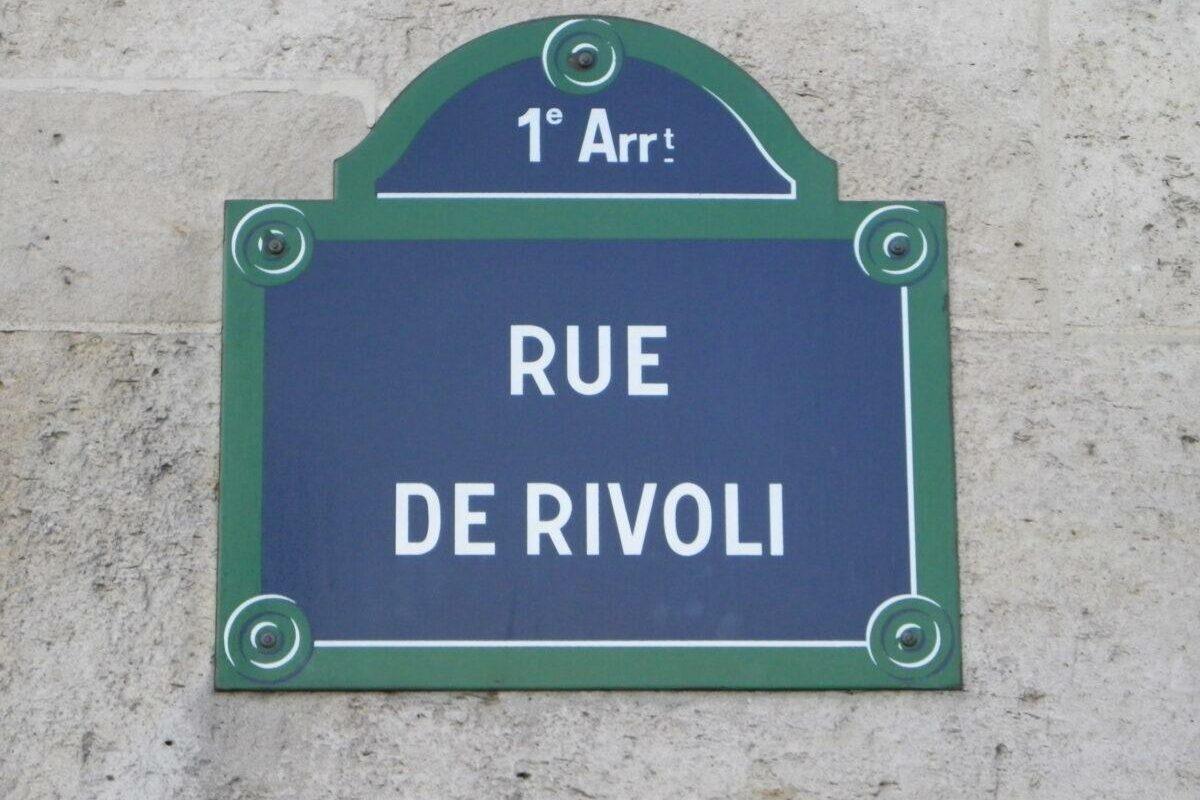
Why are your streets named as they are? Because odonymy — the art of naming streets — combines geography, economy, politics, and collective memory. Here is a clear and sourced method to investigate in your municipality, with illustrative examples (Paris, Lyon, Marseille, Toulouse, Strasbourg).
Sommaire
1) The Major Categories of Street Names
Even before opening the archives, one can distinguish recurring naming logics in French municipalities. They tell the story of the city through signs and enamel plaques.
| Category | Logic | Illustrative Examples |
|---|---|---|
| Topography & Landscape | Reliefs, waterways, orientations, gates, and ramparts. | Rue des Remparts, Côte Saint-Sébastien, Quai de la Garonne. |
| Economy & Trades | Guilds and historic markets. | Rue des Orfèvres (Strasbourg), Rue des Filatiers (Toulouse). |
| Religious & Parish | Patrons, churches, convents, processions. | Rue Saint-Denis (Paris), Rue du Taur (Toulouse). |
| History & Politics | Events, battles, regimes, national figures. | Rue de Rivoli (Paris), Rue de la République (Lyon). |
| Languages & Local Dialects | Occitan, Breton, Alsatian terms, local patois. | Canebière (Marseille, from Provençal canebiera, hemp field). |
| Tributes & Memories | Writers, scientists, resistance fighters, artists, women & minorities. | Rue Victor-Hugo, Place Rosa-Parks, Rue Joséphine-Baker. |
Tip — Street names with “rue des …” often refer to the professions or markets that occupied the street in the Middle Ages; the major 19th century thoroughfares frequently bear commemorative names (battles, marshals) or political names (Republic, Liberty).
2) Investigation Method: 8 Concrete Steps
1 — Street Nomenclature
Start with the municipal nomenclature: a file or page listing the streets with date, deliberation, and etymology. Paris publishes a detailed dataset (see resources).
2 — Deliberations & Decrees
The deliberations of the council and the naming decrees are the legal basis. Search by keywords (naming, nomenclature).
3 — National Address Database (BAN)
The BAN does not always provide etymology, but it ensures the reliability of spelling, extent, and geolocation of streets.
4 — Old plans & maps
Compare Napoleonic cadastre, staff maps and current plans: you will spot disappeared streets, spelling variants and old names.
5 — Press & dictionaries
The local press (Gallica, regional portals) sheds light on changes and controversies. Search for historical dictionaries of the streets of your city.
6 — Local languages
The Occitan, Breton, Alsatian forms provide clues: la Canebière (hemp), the Goldschmiedgass which became rue des Orfèvres, etc.
7 — Group by themes
Classify by themes (arts, sciences, Resistance, rural toponymy) and by periods of attribution (Revolution, Third Republic, post-war).
8 — Map & narrative
Create a simple map (spreadsheet + base map) and a narrative: you will have the “small history of the city through its streets”.
3) Case studies (France): 5 streets, 5 stories
3.1 — Paris: Rue de Rivoli
Commemoration Breakthrough of the 19th century Its name pays tribute to the Battle of Rivoli (1797). The artery opened then extended in the 19th century embodies the Haussmannian aesthetic and the rationalization of the capital’s road network.
3.2 — Lyon: Rue de la République
Politics Regime change Initially “Rue Impériale” under the Second Empire, it was renamed “Rue de la République” by municipal resolution of August 13, 1878: a strong political signal in the Presqu’île.

3.3 — Marseille: La Canebière
Language & economy From Provençal canebiera (“hemp field”). Marseille was a major hemp port (ropes, cables), hence this emblematic toponym linking economy and urban landscape.
3.4 — Toulouse: Rue du Taur
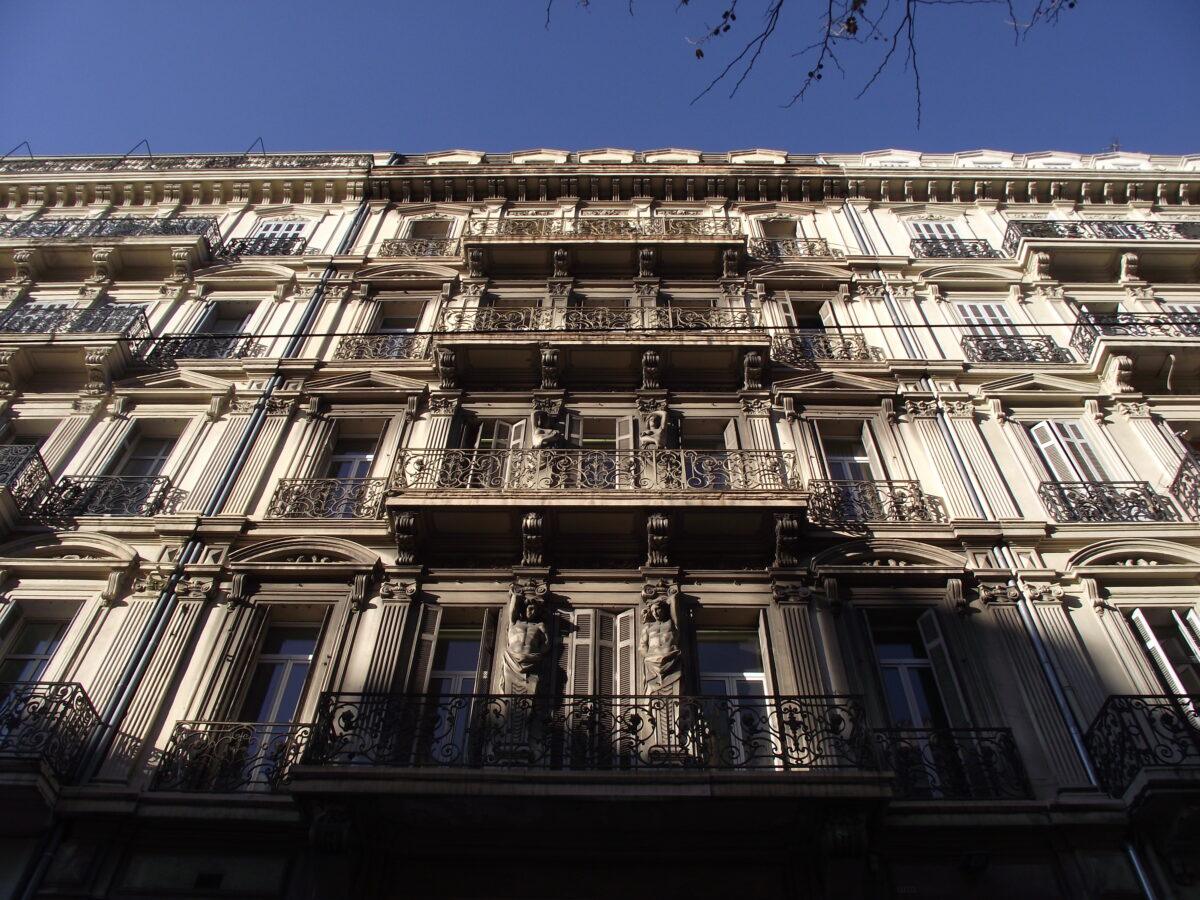
Religion & legend “Taur” (bull, in Occitan) refers to the legend of Saint Saturnin (Sernin), dragged by a bull from the Capitole; the church of Taur recalls this founding episode of Toulouse’s urban memory.

3.5 — Strasbourg: Rue des Orfèvres
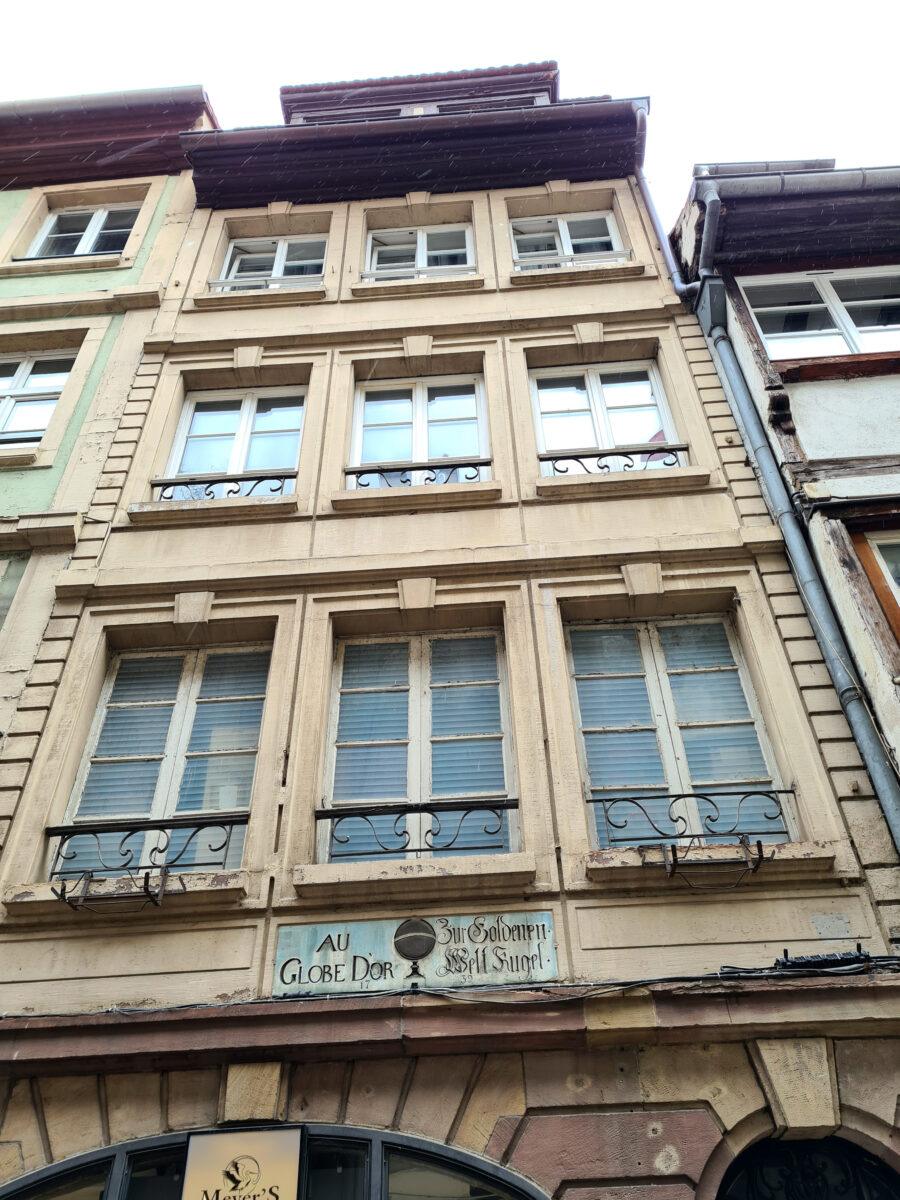
Trades Street of guilds par excellence; named Goldschmiedgass (1680) in German, becoming “rue des Orfèvres” on the French side, it illustrates the linguistic and political alternation of the Alsatian capital.
4) Map your findings (simple tool)
A spreadsheet is enough to start. Create the columns Street Name, Type (trade/commemoration…), Date, Source, Coordinates. Export as CSV then import into a map base (OpenStreetMap) using a plugin or an online tool. You will obtain a thematic map of your local odonymy.
Pro tip — Sort by periods of naming (Revolution, Third Republic, Reconstruction, 1980s–2000s, today): you will see at a glance the waves of namings and their preferences (national heroes, sciences, women, diversity).
5) Contemporary debates & name changes
Odonymy is not fixed. For a decade, many local authorities have been feminizing their nomenclature, reassessing names considered controversial, and favoring local figures (artists, scientists, resistance fighters). Renaming a street requires consultation (workshops, votes, citizen juries), measuring the impacts (address updates, GPS, emergency services), and legal security (deliberation + decree, traceability of reasons). To remember — Changing a name is not just replacing a plaque: it involves costs and administrative procedures. Many cities now involve schools and associations to propose balanced lists (gender parity, diversity, local anchoring).
6) Propose a name: framework & best practices
- Authority: the municipal council (deliberation), then the mayor’s decree.
- File: sourced biography (if a person), link with the municipality, respect for criteria (gender parity, diversity, commercial neutrality), validated spelling and diacritics.
- Impact: list of affected addresses, numbering, traffic, emergency services and communication to data operators (BAN, GIS, GPS).
- Process: referral to the commission (if applicable), public consultation, vote in session, commissioning (signage, communication).
For writing (hyphens, capital letters, abbreviations), refer to the national guide of the National Commission of Toponymy (CNIG/CNT).
7) Resources & databases to consult
Open data & archives
- Paris — Street nomenclature (Open Data)
- Lyon — Street history
- Lyon — Historical file (Archives)
- Toulouse — Old maps (Archives)
- Strasbourg — Bilingual Directory of Street Names (PDF)
National databases & notices
- National Address Database (BAN)
- CNIG/CNT — “Deciding the Name of a Place” (PDF)
- Paris — Naming of Streets (historical summary)
- Marseille — Canebière (etymology)
- Lyon — Rue de la République
- Toulouse — Rue du Taur
- Strasbourg — Rue des Orfèvres
FAQ — Understanding and Telling the Story of Street Names
How to start a small neighborhood survey?
Make a list of 20 streets around your home. For each, note type, year, source, and an anecdote. With a spreadsheet, you will quickly obtain a first odonymic atlas.
My village has no open data: where to look?
At the town hall (urban planning/road services) and the municipal archives. Ask for the nomenclature and the naming decrees; explore the local press (BnF/Gallica), the old cadastre and maps and postcards.
Spellings vary (accents, hyphens): what rule?
Respect the spelling of the municipal decree and the recommendations of the CNIG/CNT. For regional languages, align with the form validated by the municipality.
Why do we observe waves of renaming?
Periods of rupture (Revolution, Third Republic, Liberation, decolonization) lead to series of changes (removal of “saint,” new figures, etc.).
Can I propose the name of a woman or a local figure?
Yes. Prepare a sourced file (biography, link with the city), request the naming commission, argue for parity and heritage education.
Sources & readings
- City of Paris — Naming of Street Areas (Open Data)
- Paris.fr — User Guide (streets, numbering)
- Data Grand Lyon — History of Streets
- Archives of Lyon — Historical file of streets
- Archives of Toulouse — Old maps
- From boulevard to alley: street names of Strasbourg (PDF)
- National Address Database (BAN) — content & structure
- CNIG/CNT — Deciding the name of a place (PDF guide)
- Wikipedia — Canebière (etymology)
- Wikipedia — Rue de la République (Lyon)
- Wikipedia — Rue du Taur (Toulouse)
- Wikipedia — Rue des Orfèvres (Strasbourg)