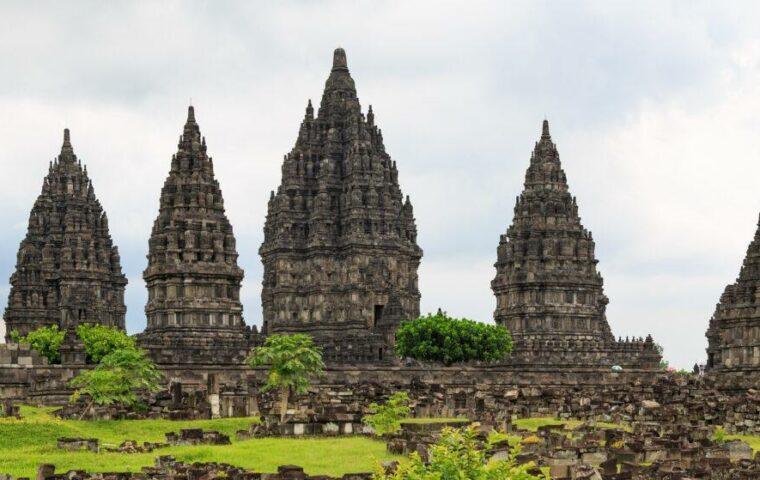
Koh Samui is an “easy” island to live on when you want to mix beach, culture, and excursions without spending your days on logistics. The downside: good choices (season, beach, transportation) make all the difference between a smooth stay and a series of small irritations. Here is a structured guide to decide quickly: when to go, where to settle, how to get around, what to do, and how much to budget.
Sommaire
Quick verdict and ideal profile
If you like islands where you can chain swims, good restaurants, and outings without sacrificing quieter spots, Koh Samui ticks many boxes. The best strategy is to choose a “base” beach suited to your pace, then explore: a temple early in the morning, a waterfall late in the day, a sea excursion when the weather is stable. Rating: 8.6/10. ✅ Recommended for: couples (romantic + comfort), friends (beaches + nightlife), families (convenient accommodations), “slow” travelers who want to alternate relaxation and 1 activity/day.
Strengths / weaknesses (unfiltered)
- Accommodation choices: from simple bungalows to resorts, for all budgets.
- Varied beaches: lively (Chaweng) or quieter (Lipa Noi, Taling Ngam).
- Easy excursions: Ang Thong, Koh Tao, Koh Phangan during the day.
- Practical life: supermarkets, treatments, coworking spaces, tourist services.
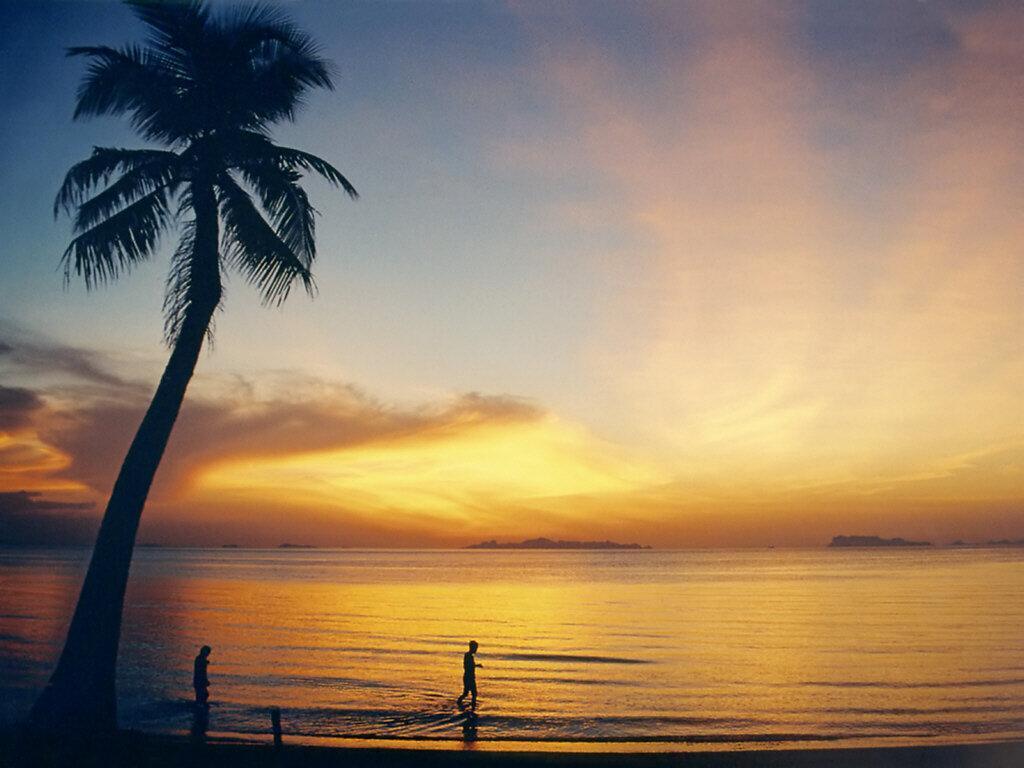
- Sunrises/sunsets: depending on the coast chosen, very photogenic.
- Transportation: without a scooter, you quickly depend on taxis.
- Airfare prices: the airport is convenient but often more expensive than Surat Thani + ferry.
- Seasonal rain: the Gulf has a different pattern, especially at the end of the year.
- “Soft” scams: jet ski, unclear prices, improvised “extras.”
Editorial methodology (transparency)
This guide cross-references institutional sources (Tourism Authority of Thailand, weather alerts), operator information (airport/connections), and safety/environmental recommendations (WHO, reports on plastics and reefs). The criteria retained: season, access, areas to stay, mobility, budget, local impact. Limits: hours and prices change (weather, fuel, high season): we provide ranges and verification habits rather than fixed promises.
When to go: weather, sea, crowds
Koh Samui is in the Gulf of Thailand, with a weather calendar often offset compared to Phuket/Krabi. The key point: the most troublesome rains and the roughest sea often occur during the northeast monsoon episode, which can bring heavy rains and swell to the Gulf.
To maximize “postcard” days, the easiest period is generally between January and April (more stable skies, calmer sea). If you prioritize prices and tranquility, aiming for May to September can work very well in Samui, especially if you accept a few short showers.
Conversely, late October to November requires a plan B: sheltered activities, massages, cafes, temples, and flexibility on boat trips (possible delays/cancellations). The advantage: greener vegetation, sometimes more affordable accommodations, and a less “crowded” island.
Where to sleep: choose your beach according to your style
On Samui, the question is not “which is the most beautiful beach,” but “where do I want to live daily.” A good accommodation in the right place reduces travel time, taxi expenses, and fatigue. Here are the areas that most often appear in effective itineraries.
| Area | Vibe | Ideal for |
|---|---|---|
| Chaweng | Lively, central | Outings, nightlife, everything within reach |
| Bophut | Casual chic | Couples, restaurants, evening markets |
| Maenam | Quieter | Families, slow travel, long stays |
| Lamai | Balanced | Good compromise between beaches + gentle outings |
| Lipa Noi / Taling Ngam | Quiet, sunsets | Rest, intimate hotels, sunsets |
Want a “I walk everywhere” stay? Chaweng and Bophut make life easier: restaurants, services, excursions, everything is easily bookable. The downside is a higher noise level and a more touristy feel in some places, especially in high season.
For a softer atmosphere, Maenam and the western part (Lipa Noi / Taling Ngam) offer a “slow” pace: good addresses, more breathable beaches, and spectacular sunsets. You lose a bit of centrality, so the transport budget becomes a real factor if you go out every evening.
If you want “a bit of everything,” Lamai works well: beach, restaurants, and fairly easy access to the southeast spots. It’s also a logical base if you plan to visit the natural attractions in the area.
Getting around: comfort, cost, safety
First choice: plane or ferry. Samui has a commercial airport, convenient but often more expensive than the “Surat Thani + road + ferry” option.
Ferry option: from Donsak (mainland), count frequently 1h30 to 2h depending on the company and the sea. Prices vary, but the general idea remains “cheaper than the plane, longer, more weather-sensitive.”
On site, the key to success is mobility. The scooter is tempting (freedom, cost), but Thailand has a real road safety issue, with an international focus on the safety of two-wheeler users. If you’re not comfortable, don’t force yourself: taxi, car with driver, or car rental may cost more, while avoiding “decision fatigue.”
Simple reflexes that change everything
- Price before getting in: taxi/car, clear announcement or app.
- Real helmet: not “just placed on the head,” strapped on, visor if possible.
- Timings: avoid long night trips if you’re a beginner.
- Rain: slippery road, slow down, don’t “keep up with” the locals’ pace.
- Plan B: heavy rain day = massages, temples, cafes, markets.
What to do in Koh Samui: experiences worth your time
The best “tempo” on Samui: an early outing (cooler temperatures), a beach moment, then a cultural or nature spot in the late afternoon. This alternation avoids the “running everywhere” effect and preserves energy for the evenings.
Temples: aim for early for the atmosphere
Wat Phra Yai (Big Buddha) is a major landmark. Going early allows you to enjoy softer light and a quieter environment.
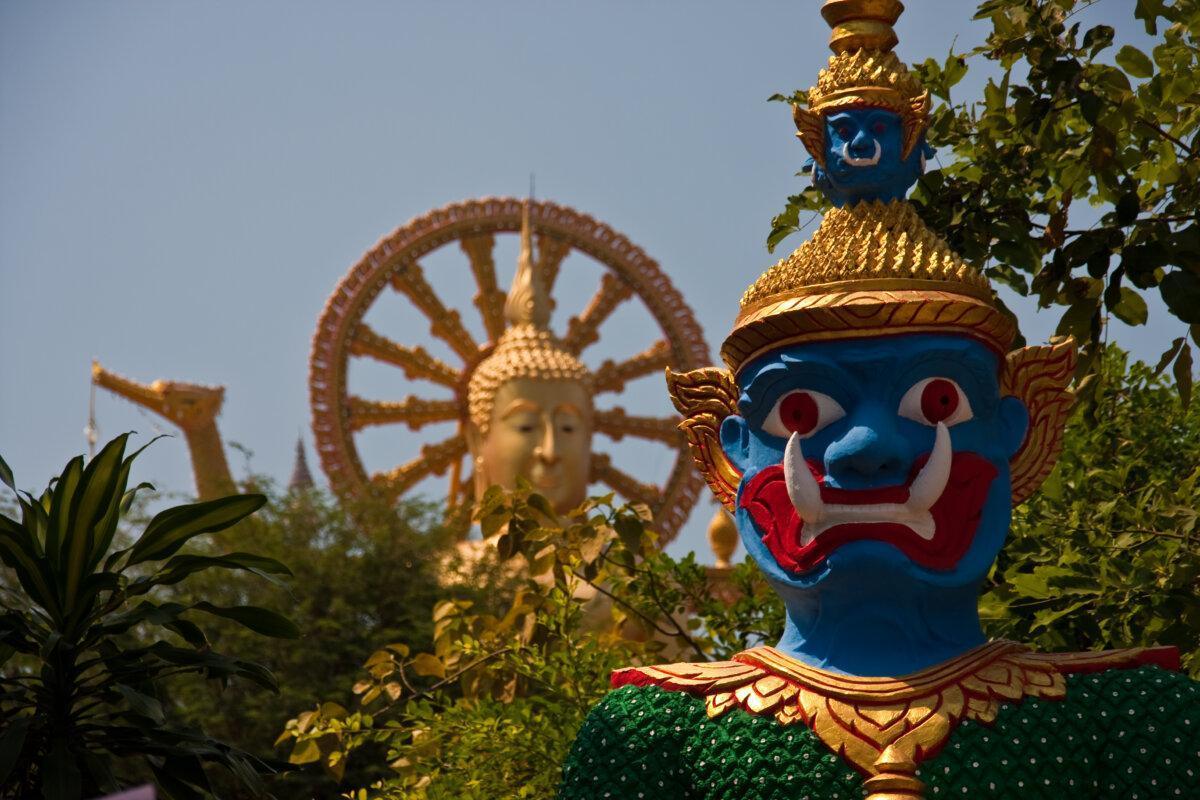
Right next door, Wat Plai Laem is often appreciated for its aesthetics and colors: perfect if you like photography, or if you’re looking for a short visit that “leaves a mark” without taking half a day. The Big Buddha + Wat Plai Laem combo works very well in a morning.

Nature: waterfalls and rock formations
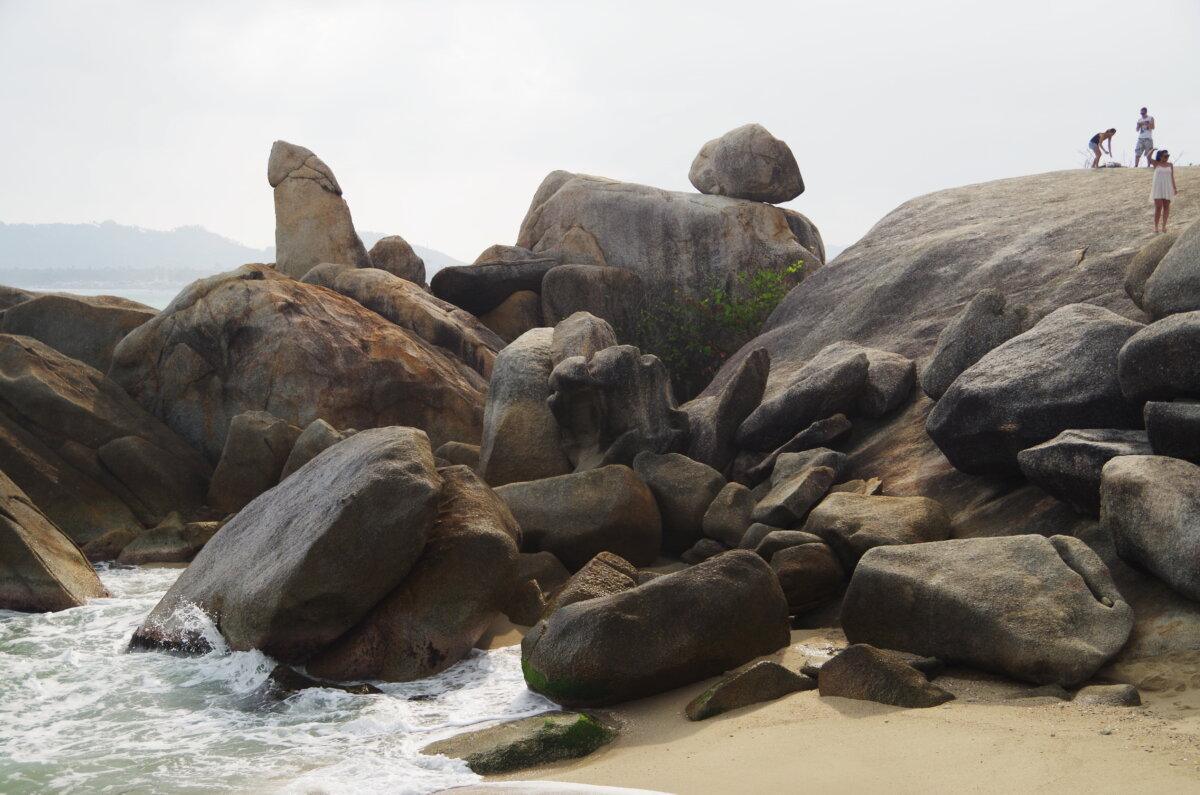
Hin Ta Hin Yai (Grandfather & Grandmother Rocks) is a natural curiosity linked to granite erosion, easily accessible and often combined with Lamai. Expect a “quick but memorable” stop rather than a long hike.
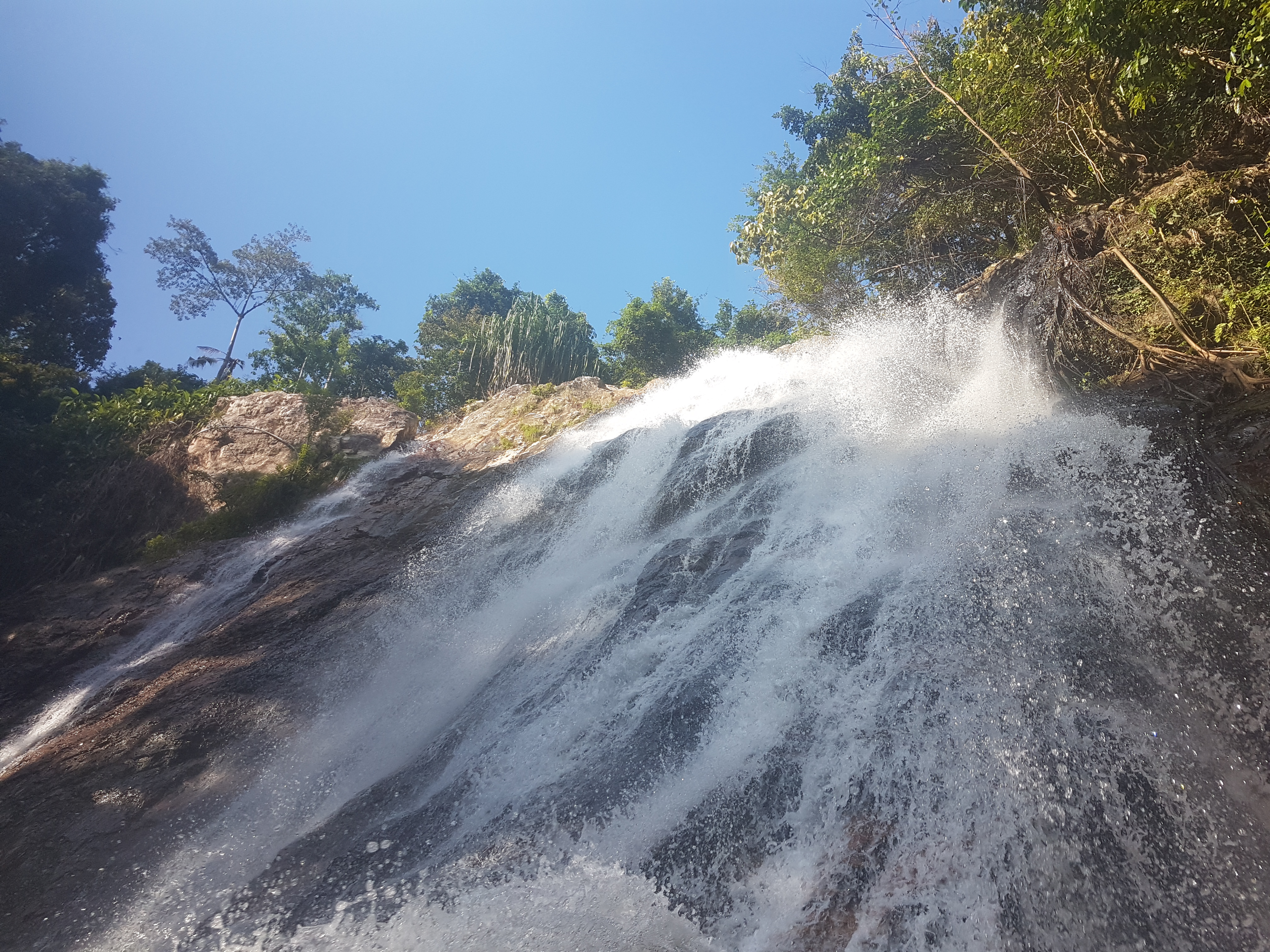
For the jungle atmosphere, Na Muang Waterfall is a classic. After rain, the flow can be impressive, but the rocks become slippery: proper shoes and caution if you climb towards the wet areas.
Sea: Ang Thong, the “wow” day
The most “emotionally rewarding” excursion is often Mu Ko Ang Thong: islets, viewpoints, turquoise water, and a real archipelago feeling. Operators offer speedboat or slower boat: choose according to your tolerance for the trip and the swell.
Regarding budget, one point often comes up: the park entrance fee is paid in addition to the outing. It’s better to plan a dedicated budget to avoid the “surprise extra charge” effect when boarding.
If the sea is rough, do not “push”: a boat trip in strong wind can turn the day into a challenge. Official weather alerts for the Gulf exist for a reason; it is better to postpone than to endure.

Ang Thong is planned as a “signature day”: early departure, suitable sunscreen, water, and some extra time. The park fee is often added to the tour price; it is better to include it in your budget to avoid the “surprise extra” effect when boarding.
Tourism Authority of Thailand — national parks communications (latest updates vary by season)
Ready-to-use itineraries (3, 5, 7 days)
These itineraries aim for a realistic pace: 1 highlight per day + “free” time for the beach, meals, and the unexpected (rain, fatigue, crush). Adapt according to your base (Chaweng/Bophut/Lamai…).
3 days: efficient concentrate
Day 1: settling in + beach (late afternoon) + dinner in your area.
Day 2: temples early (Big Buddha + Wat Plai Laem) + beach in the afternoon + market/evening.
Day 3: nature (Na Muang) or Hin Ta Hin Yai + sunset on the west coast if you are mobile.
5 days: the perfect balance
Day 1–2: base + landmarks + temples early.
Day 3: Ang Thong excursion (if weather is stable).
Day 4: “slow” day (massage + beach + good restaurants).
Day 5: island tour (Lamai/Hin Ta Hin Yai) + sunset on the west side.
7 days: “really enjoying” version
Day 1–2: settling in + landmarks + temples early.
Day 3: Ang Thong (or postpone if sea is rough).
Day 4: full beach day (no car, no schedule).
Day 5: nature (waterfall) + cafés/viewpoints.
Day 6: alternative excursion (Koh Tao/Koh Phangan depending on desires).
Day 7: souvenir shopping, last meals, final sunset.
Realistic budget and pitfalls to avoid
The budget mainly varies according to 3 factors: accommodation, transport (taxis vs scooter/car), and excursions. A “comfort” week can remain reasonable if you limit repeated taxi rides and book sea outings on the most stable days.
| Profile | Budget / day (excluding flight) | What it covers |
|---|---|---|
| Smart eco | 1,500–2,500 THB | Simple hotel, street food, 1–2 taxis/day |
| Comfort | 2,800–5,000 THB | Good hotel, restaurants, smooth transportation |
| Premium | 6,000 THB+ | Resort, drivers, private outings |
Common pitfalls (and how to neutralize them)
Jetski: favor reputable renters, take photos/videos before use, and refuse if the contract is unclear. Taxis: announce destination + price before getting in. Excursions: ask what is included (park fee, kayak, equipment) to avoid “small extras” on the morning itself.
“Clean” travel without complicating life
Marine environments are sensitive: some UV filters have been studied for their potential effects on corals and marine organisms, depending on exposure contexts. A pragmatic choice: favor mineral protection when you spend the day in the water, and complement with UV-protective t-shirt/shade.
On the waste side, marine plastic pollution is a well-documented global issue; on an island, your small actions (water bottle, refusing bags, sorting when possible) have a visible impact, especially near beaches and markets.
Island destinations amplify the effects of waste: what is thrown “somewhere” often ends up “on a beach.” Traveling light in plastic (water bottle, tote bag, reusable) requires little effort and truly reduces the volume of waste during the stay.
UNEP — Global report on plastic pollution and marine debris (2021)
Next step (actionable)
First choose your base area (Chaweng/Bophut for convenience, Maenam/Lipa Noi for calm), then lock in 2 key days (temples + Ang Thong if weather permits). Only then fill the rest with beaches and good restaurants. This sequencing avoids booking a sea excursion too early on a fragile weather window.
Koh Samui FAQ
How many days should I plan for Koh Samui?
5 days provide a pleasant balance (beach, temples, 1 excursion). 7 days allow a gentler pace, especially if you want to fit in Ang Thong with some weather margin.
Which period should I avoid if I want sunshine?
The most complicated episodes often occur around late October to November in the Gulf, with risks of heavy rains and rough seas.
Is Ang Thong really worth it?
Yes, if you like archipelago landscapes and viewpoints. Budget for the park entrance fee (amount varies according to current rules and categories).
Can I get around without a scooter?
Yes, but the budget increases: frequent taxis, drivers, or car rental. If you mostly stay in one area (Bophut/Chaweng), you can limit trips and keep costs reasonable.
Which areas are best suited for families?
Maenam and some quieter parts (west) work well: relaxed atmosphere, less noise at night, and often more spacious hotels.
Wat Phra Yai: why does everyone go there?
The temple is an accessible cultural landmark, interesting to visit early for the atmosphere and more bearable heat.
What budget should I plan for a “comfort” week?
Aiming for 2,800–5,000 THB/day (excluding flight) generally covers a good hotel, restaurants, and smooth transportation, with 1–2 excursions during the week.
Plane or ferry to get to Samui?
The plane is the simplest; the ferry via Donsak is often more economical but longer and more dependent on sea conditions.
I want to avoid partying: where to stay?
Look towards Maenam, west (Lipa Noi/Taling Ngam), or well-rated accommodations set back from main roads. The idea: sleep far from bars, go out when you want, then return to calm.
How can I limit my impact on beaches and reefs?
Reduce plastic (water bottle, reusable) and choose appropriate sun protection when spending hours in the water; supplementing with UV-protective clothing and shade often remains the simplest solution.