Why is October an excellent month to travel in France?
October is one of the best months to travel in France if you are looking for a compromise between mildness, calm, and budget. In many regions, the off-season still allows walking, visiting, eating on terraces, and sometimes swimming at the beginning of the month, while avoiding the summer crowds.
The real strength of October is the contrast depending on the territories. The Mediterranean coast still benefits from favorable thermal inertia, the islands often retain a luminous atmosphere, and some sheltered valleys remain surprisingly mild. On the other hand, the Atlantic fronts and mountainous areas become more changeable, with more wind and showers.
- Less crowding: coastal sites, villages, and trails are more breathable than in July-August.
- More flexible rates: accommodation often drops outside school holidays, especially during the week.
- Pleasant temperatures: in the south, you can still expect days around 18 to 23 °C depending on the location.
- More local atmosphere: markets, ports, cellars, hikes, and town centers regain a more peaceful rhythm.
How to choose your destination in October?
The right choice first depends on what you expect from your stay: maximum sun, still lively sea, a weekend in France in October, or a more nature-focused trip. In October, you need to think in terms of geographical exposure, microclimate, and flexibility, as averages never guarantee the actual weather.
| Destination | Average weather in October | Main interest | Type of traveler |
|---|---|---|---|
| Nice / Côte d’Azur | Often 19 to 23 °C during the day | Sun, city, sea, easy outings | Couples, city break, short stay |
| Marseille / Calanques | Generally 18 to 22 °C | Hiking, light, heritage | Weekend, active travelers |
| Southern Corsica | Often milder than the mainland | Beaches, coves, road trip | Family, nature, one-week stay |
| Basque Country | Variable but still pleasant | Ocean, surfing, gastronomy | Mix sea-city, short stays |
| Île de Ré | Around 16 to 20 °C | Bike, villages, off-season calm | Couples, family, slow travel |
| Dordogne | Cooler but often bright | Heritage, nature, gastronomy | Travel without sea, family, road trip |
To know where to go in October in France, remember a simple rule: the more you seek sun, the more you need to go south and/or get closer to the islands. For a seaside atmosphere, the Mediterranean remains the safest bet. For a more economical stay, inland territories often become more interesting during the week.
- Sun and swimming: Côte d’Azur, Corsica, Hyères, Menton.
- Romantic weekend: Collioure, Saint-Jean-de-Luz, Île de Ré.
- Family holidays: Île d’Oléron, Camargue, Dordogne, Southern Corsica.
- Nature stay: Luberon, Camargue, Corsica, Provençal hinterland.
The 12 best destinations to go to in France in October
If your goal is to extend the summer in France, here are the most relevant destinations to consider. Some rely on residual warmth, others on light, tranquility, or value for money. The right choice mainly depends on the type of stay, the duration, and your tolerance for changing weather.
- Nice and the Côte d’Azur: the best choice if you are still looking for sun, a seaside walk, and a lively city.
- Marseille and the calanques: ideal for combining culture, hiking, and sea in a more breathable atmosphere.
- Hyères and the Hyères islands: a very convincing option for a gentle and not tiring island getaway.
- Menton: one of the destinations most protected from the cold thanks to its exposure and microclimate.
- Southern Corsica: for beaches, scenic roads, and a clearer end-of-summer feeling than on the mainland.
- Collioure and the Côte Vermeille: perfect for a short stay between sea, heritage, and vineyards.
- The Basque Country: to be favored for the ocean, gastronomy, and coastal towns with strong charm.
- Provence and the Luberon: an excellent choice if you prefer villages, markets, and walks rather than the beach.
- The Camargue: a strong destination for light, natural spaces, and wilder atmospheres.
- Île de Ré: very pleasant in October for cycling, ports, calm beaches, and relaxing stays.
- Île d’Oléron: more accessible and more natural, with good coherence for off-season holidays.
- The Dordogne: the most sensible alternative if you want heritage, gastronomy, and nature without relying on the coast.
1. Nice and the Côte d’Azur
Nice remains one of the strongest answers to the question of where it is warm in France in October. You often find very mild days, a sea that can remain pleasant at the beginning of the month, and a real urban life when the beaches empty. It is a premium destination but very effective for extending summer.
A weekend in France in October works very well there: Promenade des Anglais, old town, Cours Saleya market, museum, then an excursion to Villefranche, Èze, or Antibes. For a 3 to 4-day stay, Nice is particularly convenient because you can easily alternate beach, culture, and walks without a car.
2. Marseille and the calanques
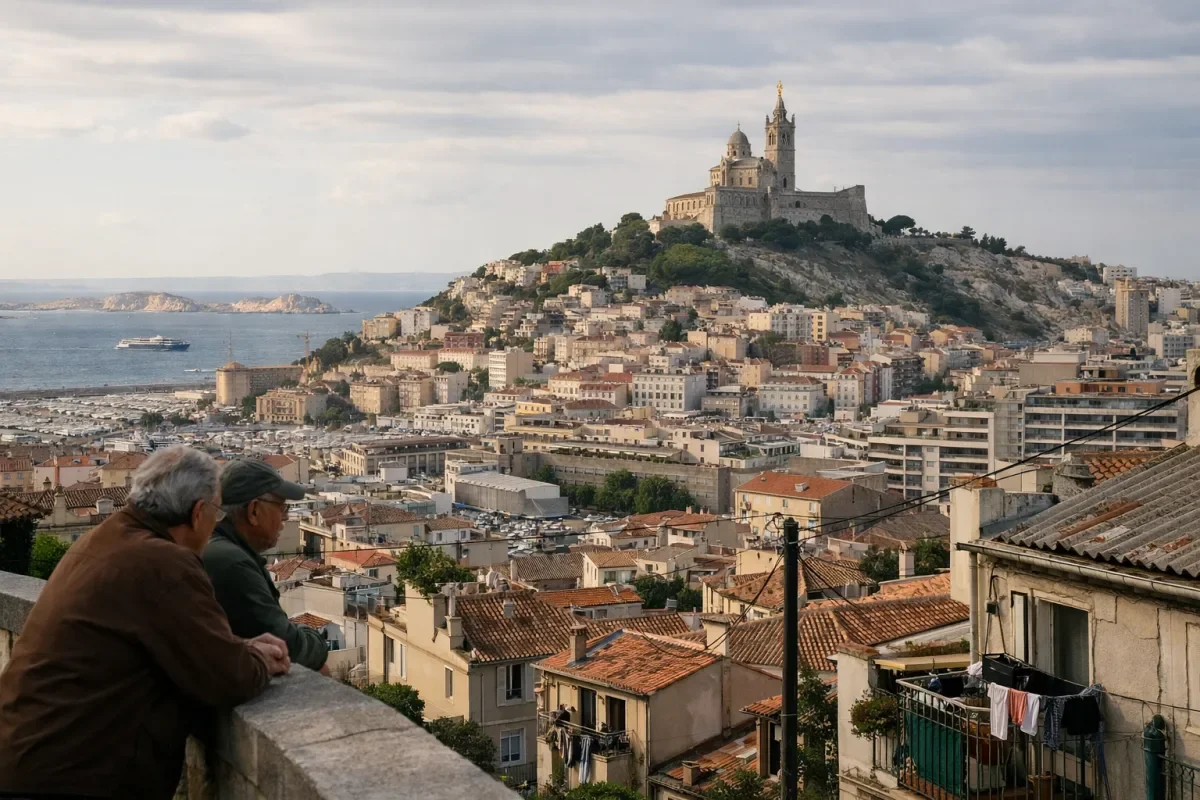
Marseille offers a bright late season, often mild, with less overwhelming heat than in the height of summer and more bearable crowds. The calanques remain one of the major assets in October, as walking there becomes more comfortable, even if swimming obviously depends on the year and individual sensitivity.
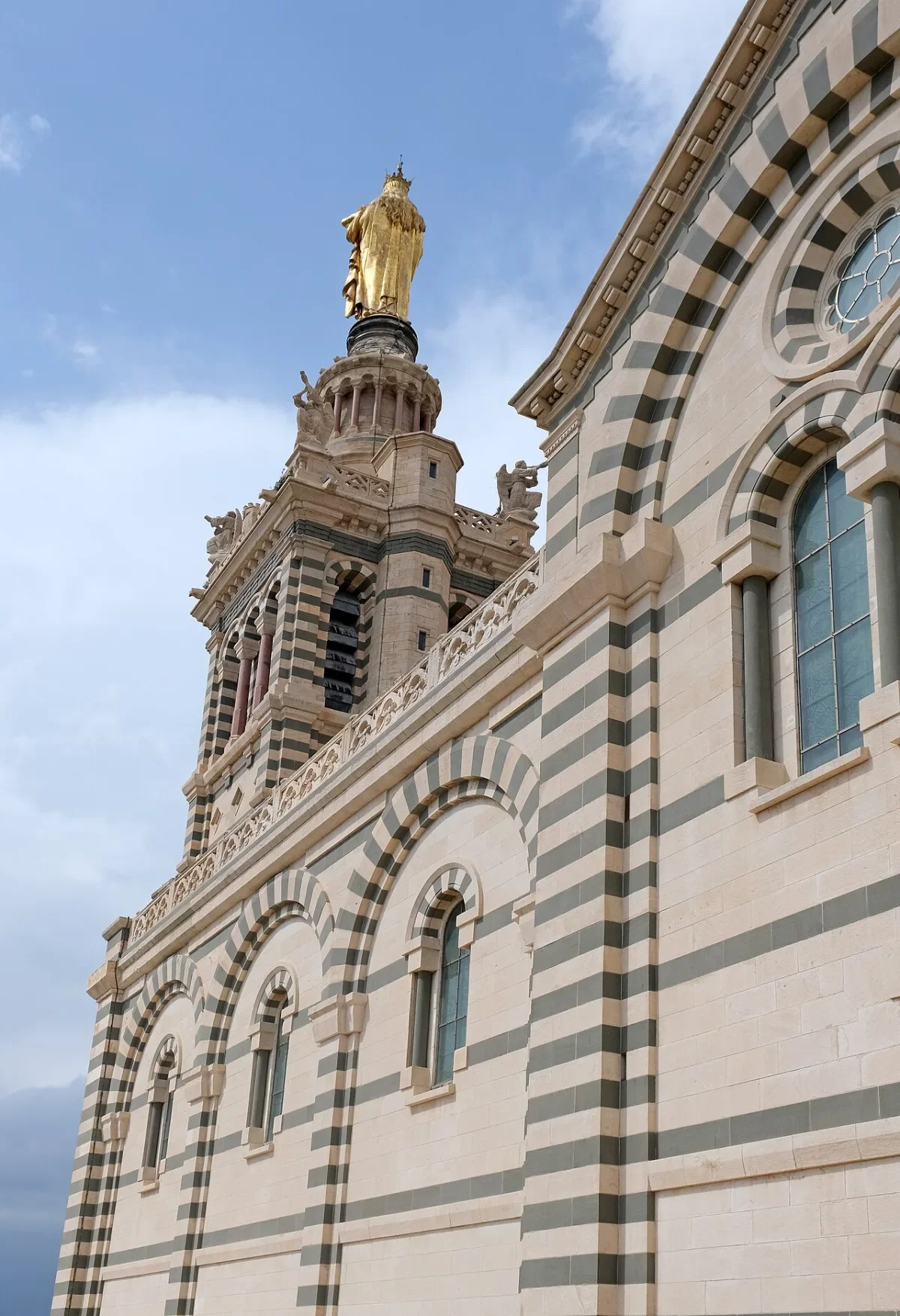
It is also a very good destination for a 4-day stay: Old Port, Le Panier, Corniche, boat to the Frioul islands or hiking in the calanques. Outside school holidays, accommodations are often more affordable than in summer, especially if you book during the week.
3. Hyères and the Hyères islands
Hyères is among the best October France destinations for those who still want to feel summer. Porquerolles, Port-Cros, and the Île du Levant offer a real breath of fresh air, with beaches, trails, and a much calmer pace than in July-August. The climate often remains favorable for cycling, walking, and outings by the sea.
The area is interesting for travelers looking for a seaside stay in October without the hustle and bustle of large resorts. For a family or a couple, it is often the right balance between accessibility, nature, and mildness. However, ferries and some services may be more limited off-season: it is better to check the schedules before leaving.
4. Menton
Menton benefits from a microclimate reputed to be milder than the rest of the coast. In October, the city often retains a very pleasant atmosphere for strolling, dining on a terrace, and walking between the old town, the seaside, and gardens. It is an ideal destination if you want to go to the sun in France without going far from the Italian border.
The typical profile here is the couple or traveler seeking a quiet weekend, with a bit of heritage and lots of gentle walking. Menton works particularly well for 2 to 3 nights, or as a stop on a Côte d’Azur itinerary. The budget can be high, but the off-season experience is often very comfortable.
5. Southern Corsica
Southern Corsica is one of the most reliable answers when wondering where to go in France in October to still find a real summer feeling. Temperatures often remain milder than on the mainland, the light is superb, and the beaches retain a strong charm, with significantly fewer people.
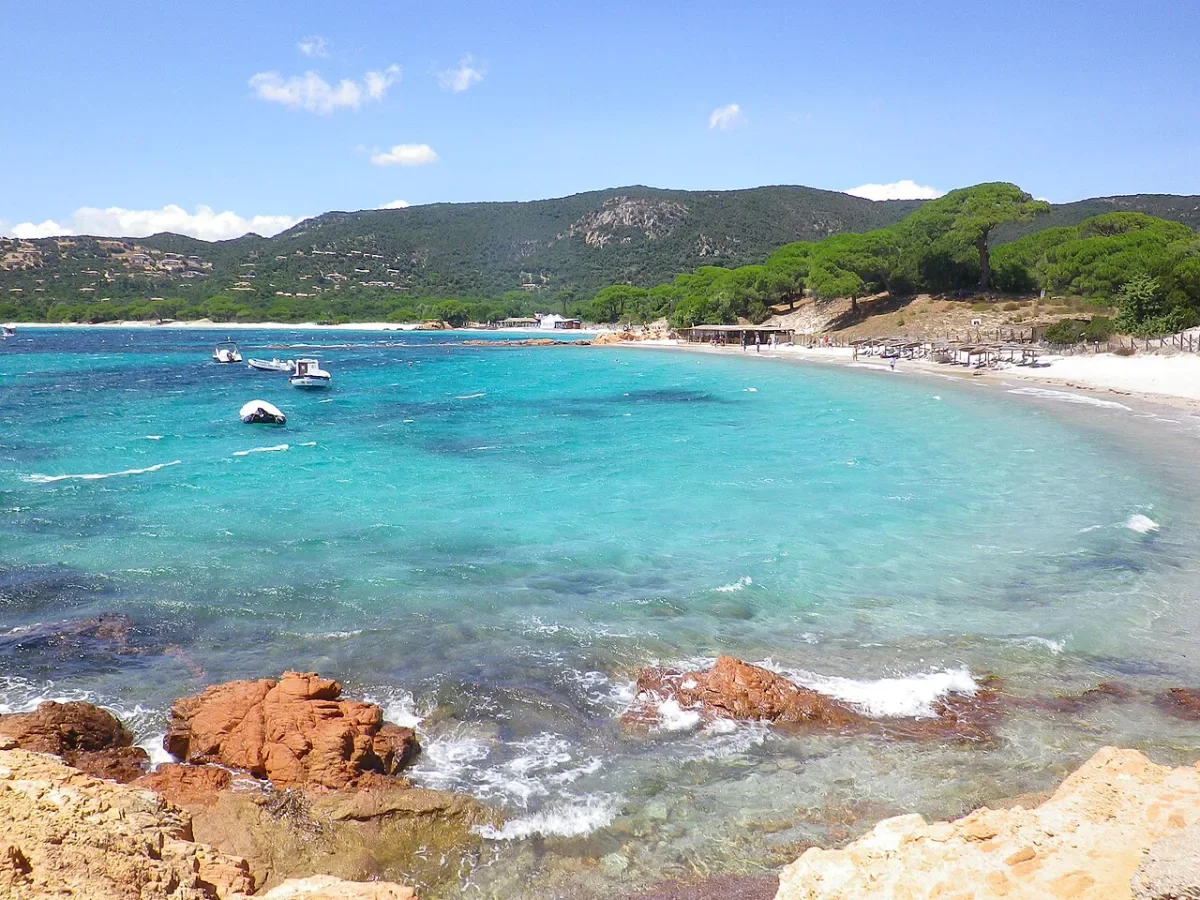
For a one-week stay, it is an excellent compromise between beaches, hikes, and scenic roads. Bonifacio, Porto-Vecchio, the Bavella Needles, or the coves between Propriano and Campomoro give real depth to the trip. The budget is often higher than elsewhere, especially if you travel with a rental car and want to sleep near the coast.
6. Collioure and the Vermilion Coast
Collioure is perfect for a short autumn stay: small town, remarkable light, heritage easy to explore, and a calmer Mediterranean atmosphere. In October, the mildness often remains enough to walk along the port, visit the alleys, or follow the coastal paths towards Port-Vendres and Banyuls.
This destination works well for a weekend or 3 days, with a mid-range budget. It appeals to travelers who want to avoid large seaside resorts while keeping the sea, southern colors, and a true local identity. Wine lovers also find interesting terrain here thanks to the vineyards of the Vermilion Coast.
7. The Basque Country: Biarritz, Saint-Jean-de-Luz and surroundings
The Basque Country is not the warmest area of France in October, but it is an excellent option if you accept more variable weather in exchange for a real quality of atmosphere. The ocean gives character to the stay, the coastal towns remain lively, and the gastronomy adds a real plus to the experience.
Biarritz suits a short stay or a 4-day getaway, especially if you like alternating beach, market, surfing, and walks. Saint-Jean-de-Luz is calmer, more compact, and often better suited for a family trip or a romantic break. Off-season, attendance drops significantly, making visits more pleasant.
8. Provence and the Luberon
Provence is one of the best solutions if you are not necessarily looking for swimming but rather light, villages, and inland landscapes. In October, the heat drops, scenic roads become more pleasant, and markets maintain a lively atmosphere without tourist saturation.
The Luberon is particularly interesting for a 4 to 7-day road trip: Gordes, Roussillon, Bonnieux, Lourmarin, fields still colorful depending on the plots, small roads, and charming accommodations. It is a quieter choice than in summer, with a budget that often becomes more reasonable outside of long weekends.
9. The Camargue
The Camargue seduces in October with its light, vast spaces, and feeling of disconnection. If you prefer open landscapes to seaside resorts, it is a very good idea. Temperatures often remain mild during the day, but the wind can play an important role: it is therefore necessary to plan appropriate clothing.
Migratory birds, horses, salt marshes, wild beaches, and marshes make up a journey very different from the classic seaside trip. It is a relevant destination for travelers seeking peace, for a family who loves nature, or for a stay focused on photography and walks. The most practical bases are often Arles, the Saintes-Maries-de-la-Mer, and Aigues-Mortes.
10. The Île de Ré
The Île de Ré works particularly well in October, as it retains its charm while changing pace. The bike paths, white villages, marshes, and beaches become more peaceful. People come more to breathe, walk, and cycle than to seek strong heat, even though the days can remain very pleasant.
For a family stay or a weekend, it is a very coherent destination, especially if you like simple outings and slow travel. The budget can remain high for the best-located accommodations, but autumn sometimes improves the value for money, particularly outside the All Saints’ Day holidays.
11. The Île d’Oléron
The Île d’Oléron is a more accessible and often wilder alternative to the Île de Ré. In October, it appeals for its long beaches, marshes, villages, and cycling routes. Attendance drops quickly after the start of the school year, creating a real feeling of vacation in France in autumn, without the logistical tension of summer.
The weather is less stable than on the Mediterranean, but the stay can be very satisfying if you are looking for fresh air, light, and gentler prices. It is an interesting destination for families, travelers with vehicles, and those who want a seaside stay in October without aiming for an overly chic or crowded atmosphere.
12. The Dordogne
The Dordogne is not the warmest option, but it is one of the smartest if you want to travel in October without depending on the coast. Temperatures become cooler, yet the days often remain bright, perfect for villages, castles, caves, and local cuisine meals.
This destination suits families, heritage enthusiasts, and travelers who want to reduce their budget while maintaining a true level of comfort. Sarlat, Beynac, La Roque-Gageac, the Dordogne and Vézère valleys offer a rich itinerary, easy to adjust over 3, 4, or 7 days.
What type of destination to choose according to your profile?
The best choice depends less on the “most beautiful” destination than on the stay you want to experience. In October, a couple does not have the same expectations as a family or a road trip traveler. Think in terms of weather, mobility, budget, and atmosphere, rather than just searching for sun.
To enjoy the sea and the sun
Focus primarily on Nice, Menton, Marseille, Hyères, Southern Corsica, and Collioure. These are the most relevant destinations if you want to go to the sun in France with a reasonable probability of mild days. The Mediterranean holds the advantage over the Atlantic, especially in the first half of the month.
For a romantic weekend
Collioure, Menton, Saint-Jean-de-Luz, Nice, and the Île de Ré are very suitable. These places offer a good combination of walks, restaurants, viewpoints, and charming hotels. In October, the relative calm often enhances the intimate side of the stay, especially during the week.
For family holidays
Southern Corsica, the Île d’Oléron, the Camargue, the Dordogne, and Hyères are particularly interesting. They allow for a variety of activities without multiplying long journeys. For the All Saints’ Day holidays, consider booking early if you aim for well-located accommodation, as the best options go quickly.
For a quieter and nature-focused stay
Inner Provence, the Luberon, the Camargue, the Dordogne, and the islands outside high season offer a more relaxing atmosphere. These destinations suit those who want to walk, photograph, read, eat local, and enjoy autumn without a too busy schedule.
Practical advice for traveling to France in October
October requires a bit more anticipation than one might imagine. Weather conditions can change quickly, school holidays increase demand, and some island destinations operate with reduced capacity off-season. A good October trip therefore relies on booking at the right time and a well-thought-out suitcase.
When to book?
For a weekend in France in October, ideally book between 3 and 6 weeks in advance if you are aiming for a popular area such as the French Riviera, Corsica, or the islands. For the All Saints’ Day holidays, plan further ahead, especially if you are traveling with family. The best value for money is often found during the week, outside peak departure times.
What to pack in your suitcase?
In October, layering remains the best strategy. Plan for light clothing during the day, but also a windbreaker, a thin sweater, and closed shoes for the evenings or windy areas. If you are heading south, add a swimsuit; if you are going to Brittany, the Atlantic coast, or high altitudes, focus more on protection against rain and wind.
- Essentials: light jacket, sunglasses, walking shoes, external charger.
- Depending on the destination: swimsuit for the Mediterranean, windbreaker for the Atlantic, warmer outfits for inland.
- Don’t forget: parking or ferry reservation if you are going to an island.
How to optimize your budget?
The easiest way is to avoid the highly demanded areas during the very first days of school holidays, or to travel straddling the end of September and the beginning of October. In many destinations, accommodation prices drop compared to summer, but the gap varies greatly depending on the popularity of the place. A better price is often obtained by booking early for All Saints’ Day, or conversely by waiting for last-minute slots outside busy periods.
To reduce the bill, also favor stays of 3 to 4 nights in a single base rather than multiple relocations. In October, the real gain is not only financial: it also comes from time saved on journeys, easier parking, and smoother attendance on site.
FAQ
Where is it warmest in France in October?
Generally, Corsica, the French Riviera, and the Mediterranean coast remain the mildest areas. Menton, Nice, Hyères, Marseille, and certain parts of southern Corsica often offer the best conditions to extend summer. That said, differences can be significant depending on the year, wind, and sunshine.
Can you still swim in the sea in October?
Yes, especially in the Mediterranean at the beginning of the month, but it all depends on your tolerance for water that gradually cools down. In the Atlantic, swimming becomes more uncertain. If your priority is the sea, travel early in the month and aim for the southernmost areas.
What are the best destinations in France for All Saints’ Day?
The most interesting are often southern Corsica, the French Riviera, Marseille and the Calanques, the Basque Country, the island of Oléron, and Dordogne. These are destinations that work well with still decent temperatures, fewer crowds, and varied activities even if the weather occasionally deteriorates.
Where to go in France in October with children?
For an easy stay with children, the island of Oléron, Camargue, Dordogne, Hyères, and southern Corsica are good options. They allow combining nature, walks, beaches, or visits without excessive constraints. If you travel during school holidays, book early enough to avoid limited choices.
What budget to plan for an October getaway?
The budget mainly depends on the destination and dates. Outside school holidays, prices are often more attractive than in summer, especially on the mainland. Highly demanded areas like Nice, Menton, the island of Ré, or Corsica can remain expensive, while Dordogne or some parts of the hinterland offer more flexibility.