
We often get the impression that truly lucrative jobs are only found in large companies or white-collar sectors. Yet, contemporary craftsmanship holds highly profitable gems, largely unknown to the general public. 💼 These manual skill professionals earn very well while staying true to their values: creativity, quality, and excellence. This guide explores 10 underestimated artisan trades that really pay off, often much more than you might imagine. From an independent plumber-heating technician earning 4,000 to 6,000 € gross monthly to a high-end jeweler approaching 10,000 €, craftsmanship offers remarkable financial opportunities.
Sommaire
1. Independent Plumber-Heating Technician 🔧
Let’s start with a widely underestimated classic: the independent plumber-heating technician. Their average income reaches between 4,000 and 6,000 € gross per month, which would make many white-collar workers pale. Why such remuneration? Because supply never meets demand. Individuals desperately seek trustworthy plumbers for their sanitary emergencies or energy renovation projects, and they are willing to pay for it.
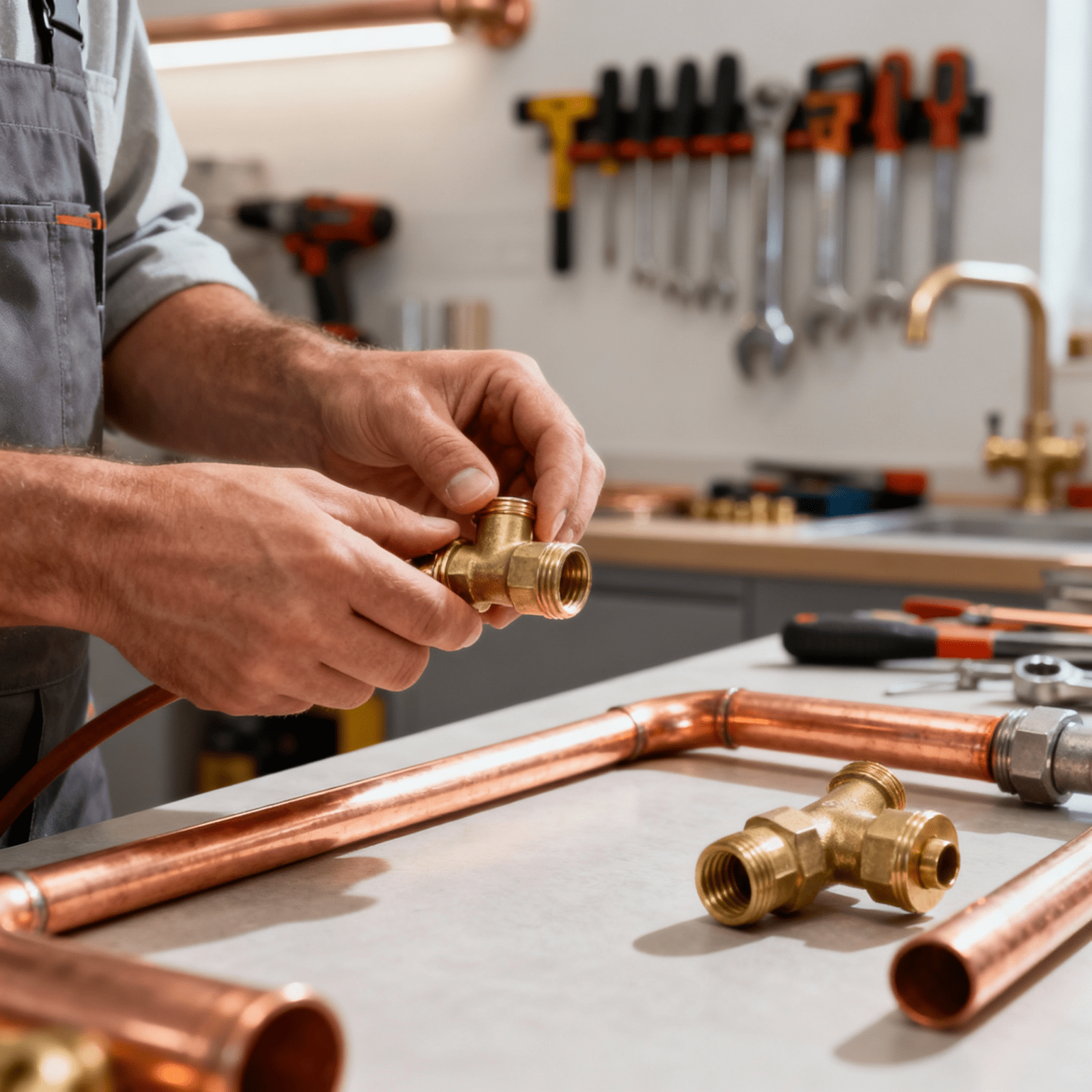
What really drives up the plumber’s rates? Emergency interventions outside office hours. A drain unclogging on Saturday night at midnight? That’s charged at a premium. An experienced craftsman combines several income sources: regular repairs, complete renovation projects, annual maintenance contracts with building managers, and sometimes even the sale of quality equipment. A beginner salaried plumber will earn around 1,800 to 2,000 € gross monthly, but by becoming independent and managing a small team, one quickly climbs beyond 5,000 € gross. Another major advantage: zero risk of structural unemployment. Pipes always leak.
Training and Opportunities
To enter this profession, a CAP (Certificate of Professional Aptitude) as a Sanitary Installations Assembler is more than enough. Many plumbers become heating technicians afterward, which opens the door to large thermal renovation budgets, especially with current government incentives (MaPrimeRénov’, eco-PTZ…).
2. High-End Jeweler 💎
The jeweler specializing in high-end pieces is a category apart. We are not talking about costume jewelry shops here, but artisans creating unique pieces in 18-carat gold, with natural diamonds or precious stones. A jeweler working for major luxury houses can earn up to 10,000 € per month, and much more for internationally recognized renowned creators.
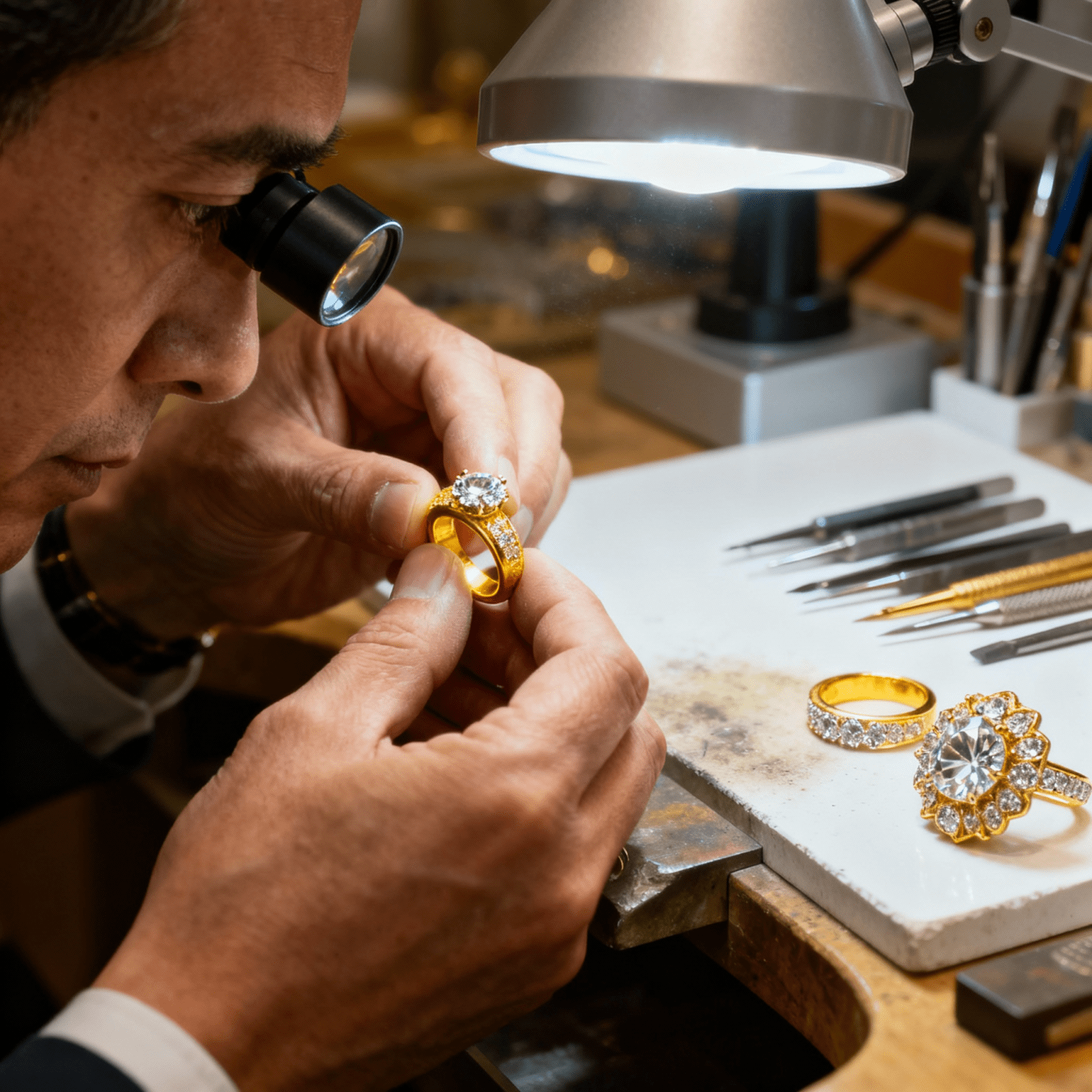
In reality, this profession requires a true mental shift: you have to accept that each piece is worth several thousand euros. An 18-carat white gold necklace with lab diamonds, custom-designed? Easily count on €3,000 to €8,000, or even much more. The net margin of a well-managed jewelry store ranges between 30 and 50% of turnover, which means that a monthly turnover of €30,000 generates €9,000 to €15,000 in net income. That’s considerable.
The secret? The clientele. A jeweler working with wealthy families, celebrities, or prestigious corporate clients easily accumulates a waiting list of several months for their creations. Another advantage: independent jewelers enjoy total creative freedom and can develop a personal signature that justifies high prices.
Training and Opportunities
A CAP in Art and Jewelry opens the way, but it is especially the apprenticeship with a master jeweler and the building of an impressive portfolio that make the difference. Job opportunities are found with major jewelers, luxury houses (Hermès, Cartier…), but also in independent creation, particularly in tourist cities or upscale neighborhoods.
3. Luthier (Musical Instrument Maker) 🎻
The luthier is one of the most fascinating and least valued artisan professions. This craftsman makes and restores stringed musical instruments (violins, violas, cellos, guitars…). Their average income starts around €1,500 to €2,000 net monthly as a young professional, but rises quickly. An experienced luthier with a good reputation earns between €2,500 and €4,000 net per month. But here’s the exciting twist: renowned luthiers, whose instruments are played by professional musicians in prestigious orchestras, can charge between €5,000 and over €10,000 for a single creation.
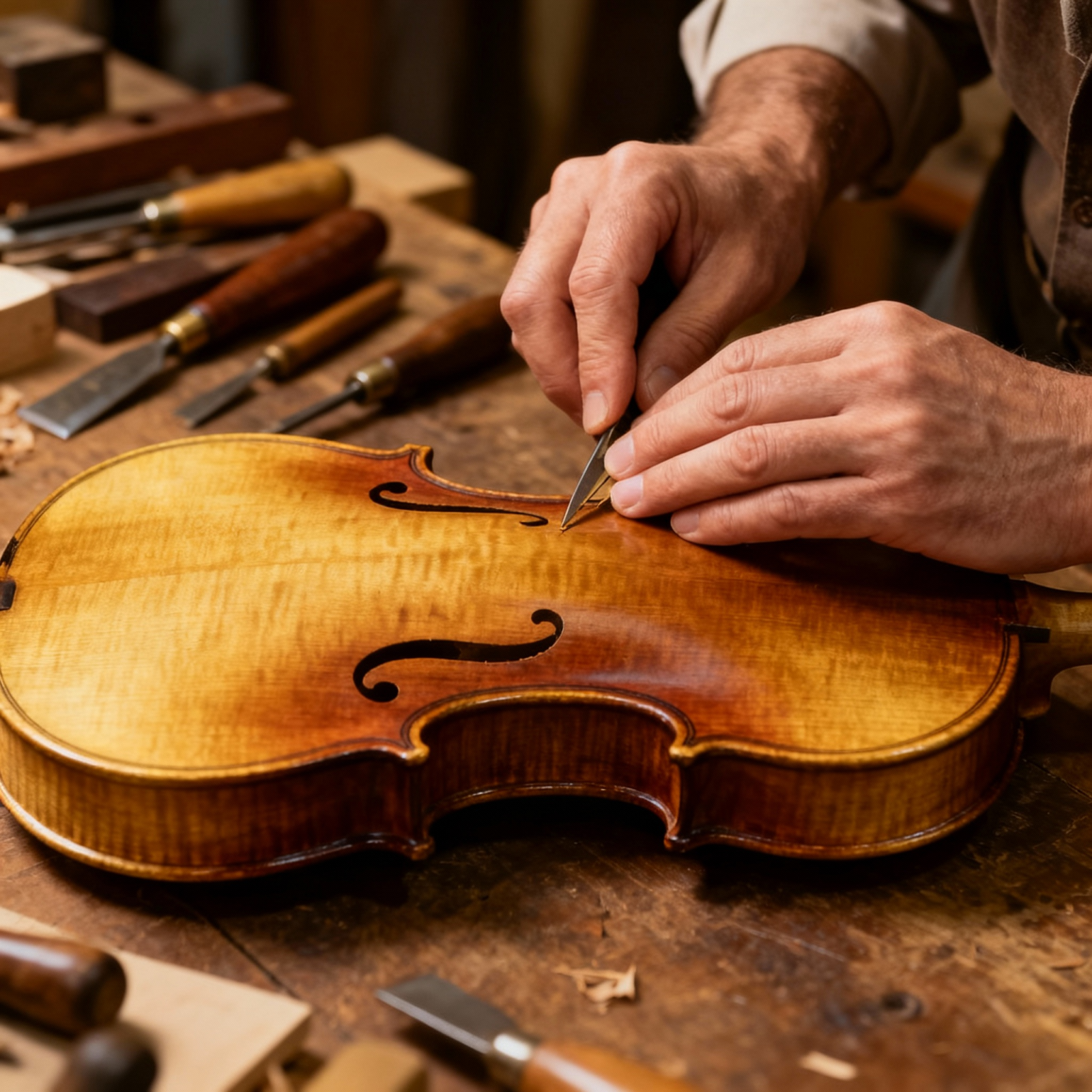
What’s amazing about this profession: you don’t get worse with age. On the contrary, the older and more experienced a luthier becomes, the more sought-after their instruments are. Professional musicians invest heavily in a violin or guitar: it’s their working tool, and quality is felt in the sound. Income sources for a luthier include making new instruments, repair and restoration (very lucrative), selling instruments by other makers, and even teaching.
How to Start and Become a Luthier
There is currently no CAP luthier qualification in France, but private training and apprenticeships with masters exist. Self-teaching combined with personal musical practice can suffice. The important thing: build a portfolio of excellent quality instruments and gradually refine your reputation among professional musicians.
4. Specialized Independent Electrician 💡
A salaried general electrician earns around €2,000 to €2,500 gross monthly. But a well-positioned independent electrician? Count on €2,500 to €3,800 net per month, or even much more. The key lies in specialization. A general electrician who diversifies their skills in home automation, industrial installations, solar panels, or charging stations for electric vehicles becomes a sought-after expert.
Why? Because a client who needs a sophisticated home automation installation or photovoltaic panels is willing to pay a premium for a true professional. The large budgets for energy renovation of old houses create an endless demand for skilled electricians. An independent electrician in an urban area can charge between €50 and €80 per hour (excluding tax), with some charging much more for complex projects.
5. Master Cabinetmaker and Restorer of Antique Furniture 🪑
The cabinetmaker specialized in the restoration or creation of high-end furniture earns between €5,000 and €8,000 gross monthly. It is a particularly lucrative profession in the Paris region and in large cities where there is a wealthy clientele ready to invest in prestigious furniture.
An artisan who restores a Louis XV piece of furniture adorned with rosewood, marquetry, and gold leaf easily charges several thousand euros for the work. The hourly rates of a renowned cabinetmaker range between €40 and €60 per hour, with some charging €100 or more for the most prestigious projects. The demand exists: antique dealers, collectors, museums, luxury hotels, and interior design agencies all seek talented cabinetmakers for delicate restorations.
6. Specialized Upholsterer 🛋️
The upholsterer combines artisanal expertise and aesthetic sensitivity. The average price for reupholstering a piece of furniture is €550, but with a wide range: €300 to €900 for armchairs and sofas. A large sofa can exceed €1,500 or even €3,000 if frame restoration work is added.
What increases an upholsterer’s income? The high-end clientele. An experienced upholsterer working for interior decorators, prestigious hotels, or wealthy clients earns income from significant projects. There is no longer a need to do 10 small reupholsterings per month when you can do 2 large sofas at €2,000 each. An hourly rate of €35 to €80 depending on expertise, multiplied by good productivity, creates a comfortable annual income.
7. Roofer and Sheet Metal Worker 🏗️
The roofer, especially the roofer-sheet metal worker (who works with zinc, copper, lead), can generate up to €6,000 monthly for complex projects. This construction trade is highly technical and requires true mastery: installing a slate, tile, zinc, or metal roof, then managing waterproofing and insulation issues is no small feat.
Large renovation or construction sites pay experienced roofers very well. Additionally, there is a chronic shortage of young roofers: construction trades suffer from a worn image among younger generations. Result: huge demand, little supply, and therefore rising rates. A starting salaried roofer earns around €1,900 to €2,200 gross, but a well-established independent roofer quickly approaches €4,500 to €6,000 gross monthly.
8. Ceramicist and Artist Potter 🏺
The potter and ceramicist create unique pieces from clay: bowls, vases, sculptures, decorative objects… Their average income ranges between €1,500 and €3,000 gross per month. But a recognized ceramicist, who exhibits in galleries, sells at art markets, or offers pieces to specialized shops, can significantly increase their income.
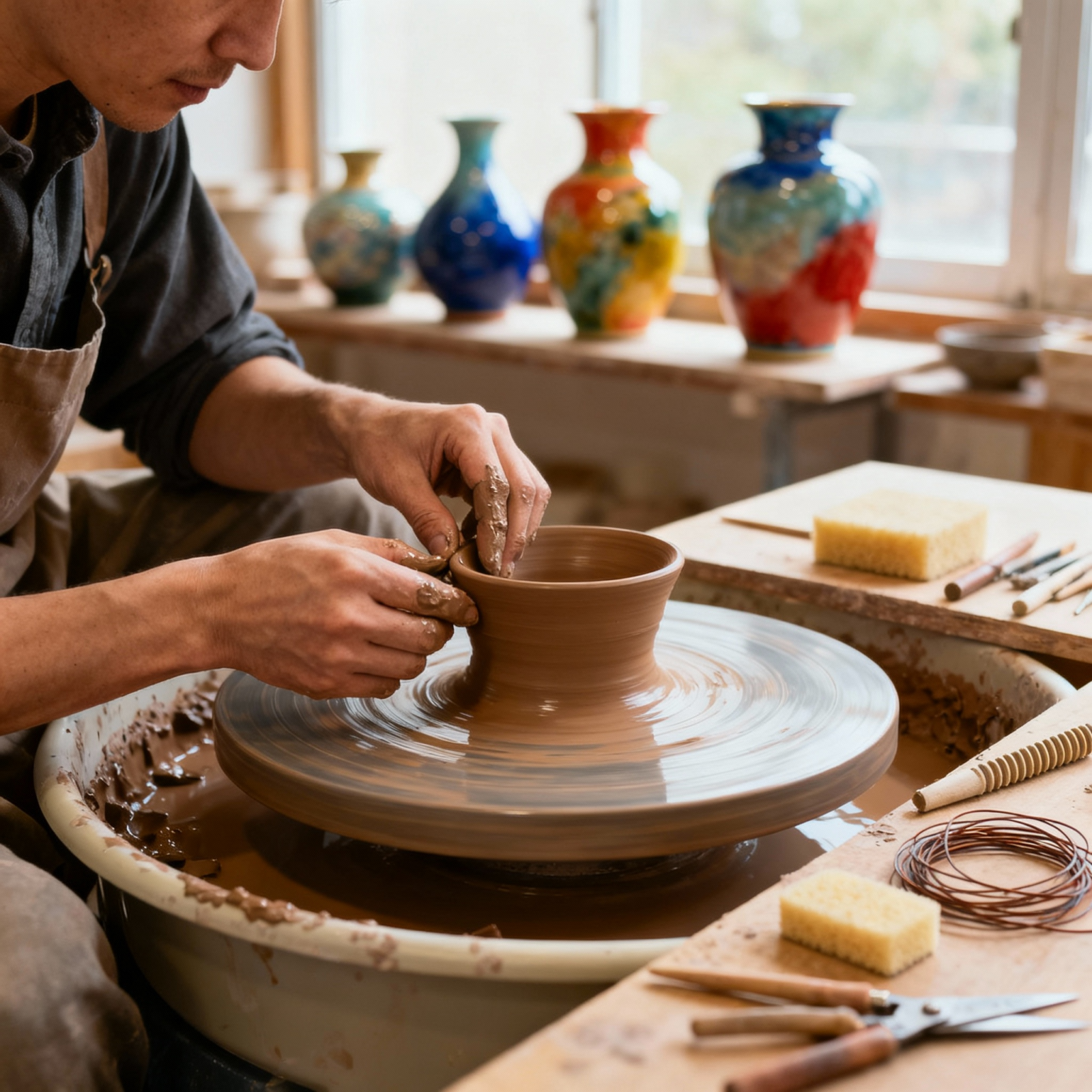
Here is the financial model of the ceramist: a simple piece (bowl, plate) can sell for 20 to 50 €. A more elaborate creation (artistic vase, sculpture)? 100 to 300 €. Multiplied by good monthly productivity, it generates revenue. A ceramist with a well-located physical shop in a tourist area can generate 30,000 to 80,000 € in annual turnover. With gross margins of 40 to 50%, it’s clear why this craft becomes financially interesting.
9. Locksmith-Metalworker and Artistic Blacksmith 🔐
The locksmith-metalworker, and particularly the artistic blacksmith creating gates, railings, grilles, and other decorative metal elements, earns on average 41,650 € gross annually, or about 3,500 € gross monthly. But these figures are averages: a craftsman specialized in artistic blacksmithing (creating unique custom pieces) can well exceed these amounts.
The demand for artistic blacksmithing truly exists: prestigious architecture, castle restorations, high-end interior decoration projects, commissions for public spaces (parks, castles). A blacksmith capable of creating customized gates, wrought iron staircases, or metal sculptures attracts clients willing to pay a high price for originality and quality. Hourly rates range around 40 to 80 €, often more for exceptional projects.
10. Specialized Event Florist 🌸
The general florist earns around 1,500 to 2,500 € gross monthly. But the event florist, the one who creates spectacular floral arrangements for weddings, corporate receptions, and high-end events? That’s another category. In events, the budget per arrangement is often 5 to 10 times higher than that of a retail florist.
A high-end wedding can generate 3,000 to 10,000 € in floral work (room decoration, entrance installations, bridal bouquets, boutonnieres…). A well-connected event florist who handles 3 to 4 major events per month can generate very comfortable monthly income. The advantage: the gross margin in events is generally higher than in retail. Event clients pay less per hour of work but are willing to spend a lot for the overall result.
Key Factors of Artisan Profitability 🎯
Why do some artisans earn well while others stagnate? Several determining factors come up.
Specialization
Being a generalist means being cheap. Being specialized means being expensive. An electrician who does everything earns less than a home automation electrician. A general plumber earns less than a plumber-heating expert in energy renovation. The more you develop a rare and sought-after expertise, the more you justify high rates.
Location
An artisan in a big city or tourist area can charge 30 to 50% more than in a rural area. Urban and tourist clients simply have bigger budgets. An antique furniture restorer in Paris earns much more than in the provinces.
Target Clientele
Working for modest private individuals vs. working for interior designers, high-end agencies, or collectors is not the same. Wealthy clients, companies, and professionals always pay more than average households.
Experience and Reputation
A young craftsman and a craftsman with 20 years of experience, even in the same trade, do not charge the same. Reputation creates a premium: clients come to you, accept your rate, and pay part of it for your name.
How to Start in Profitable Craftsmanship? 📚
Training
The majority of craft trades require a CAP (Certificate of Professional Competence): CAP Plumbing, CAP Jewelry, CAP Shoemaking, CAP Carpentry… Some rarer trades do not have a standardized CAP but offer private training or apprenticeships with master craftsmen. The BTS Furniture Trades or the BAC Pro Craftsmanship and Art Trades also provide solid pathways.
Apprenticeship
Contrary to popular belief, apprenticeship is not a second-choice path. It is often the best way to learn a craft trade: you work for real, you earn (even if little), and you develop practical skills immediately usable.
Starting as an Independent
Once competent, going independent is often the financial grail. You control your rates, your time, and your client. Income generally increases 2 to 3 times compared to salaried work, but you must manage accounting, taxes, VAT, and client prospecting yourself.
Conclusion: Craftsmanship, an Underexploited Wealth Reservoir 🏆
French and international craftsmanship includes extraordinarily lucrative trades, largely underestimated by those who do not know them. Plumber-heating engineer, jeweler, luthier, specialized electrician, cabinetmaker, upholsterer, roofer, ceramist, metalworker, and event florist are 10 concrete examples of professions where one really earns well, often more than many graduate executives.
The key to success? Combining solid technical skill, strategic specialization, excellence in execution, and building a quality clientele. These trades require work, passion, and seriousness, but they offer real financial independence, tangible professional satisfaction, and the possibility to build true wealth. 💪
Frequently Asked Questions ❓
Which craftsman earns the most?
In terms of potential ceiling, it is the high-end jeweler-goldsmith with possibilities exceeding €10,000 monthly. The independent plumber-heating engineer comes in second with regular earnings of €4,000 to €6,000.
Is a diploma required to become a craftsman?
For most trades, yes. A CAP is generally required to practice legally (plumbing, electricity, carpentry…). For others (certain art trades), one can start through apprenticeship or self-teaching with mention of qualification.
How long before becoming profitable as an independent craftsman?
Generally 2 to 3 years to establish a good clientele and generate interesting income. The first months are often difficult, but after that, it gradually increases.
What are the best opportunities in 2025?
Trades related to energy renovation (plumbing, electricity), luxury artisan crafts (jewelry, goldsmithing), and rare trades with little competition (luthier, artistic blacksmith) are particularly promising.
Does a craftsman earn more than a salaried executive?
Yes, with equal experience of course. An established craftsman can easily exceed €3,000 to €5,000 net per month, which rivals or surpasses many private sector executives. The advantage: freedom and control over their turnover.
Is it difficult to become a craftsman?
It is demanding but not insurmountable. It requires skill, perseverance, and a sense of customer service. The challenges are initial prospecting, administrative management, and income fluctuations at the start.