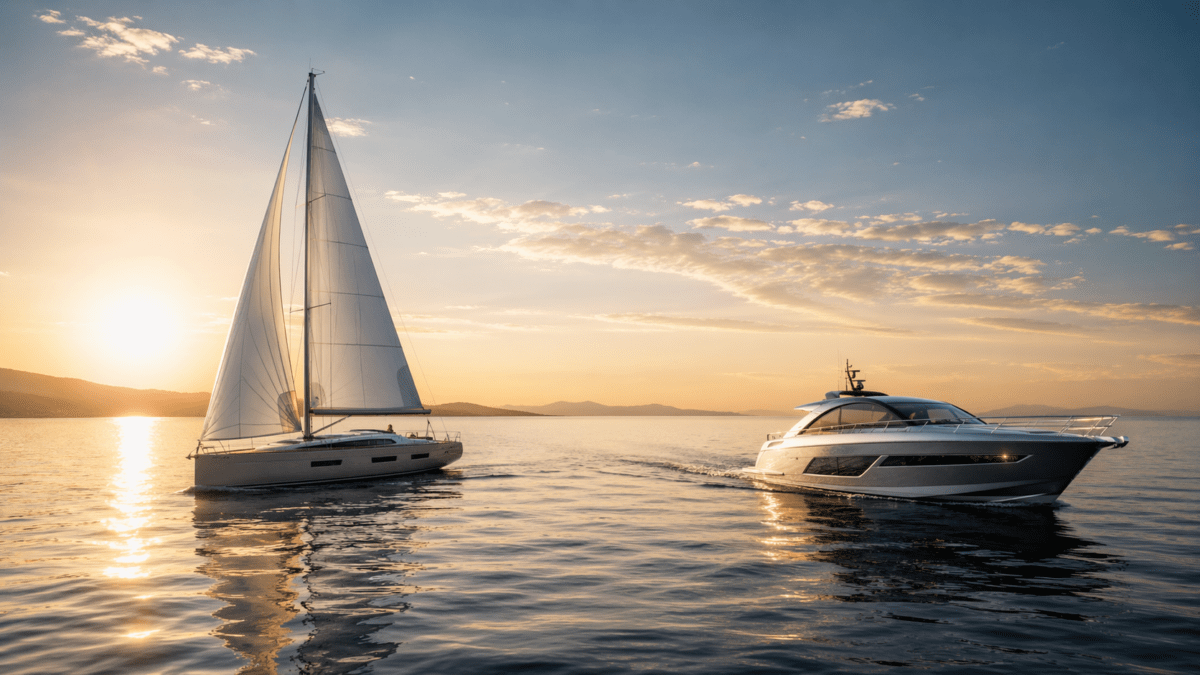
Quick verdict to choose without hesitation
Verdict: a motorboat is the best choice for the majority of buyers who want to sail fast, go out often for short periods, and reduce the learning curve. Conversely,
A CGI FINANCE sailboat becomes more coherent as soon as the project revolves around cruising, nights on board, silence at sea, and a better-controlled fuel budget.
Editorial note: for a quick choice, provided you are honest about your actual uses and not the boat you have dreamed of for years.
Recommended for a motorboat: day trips, fishing, towed sports, close anchorages, simple navigation, beginner crew, impatient children, tight schedule. Recommended for a sailboat: contemplative sailing, itinerant vacations, long stages, nights on board, taste for technique, desire to learn, and pleasure of the seamanship gesture.
| Decisive criterion | Sailboat | Motorboat |
|---|---|---|
| Handling | Slower, technical | Faster, intuitive |
| Useful time on a short trip | Average | Excellent |
| Fuel budget | Low to moderate | Moderate to high |
| Comfort at port and anchorage | Very good on a cruiser | Very good on a powerboat |
| Dependence on weather | Strong | Medium |
| Style of navigation | Slow, lively, progressive | Direct, fast, flexible |
What really makes the difference at sea
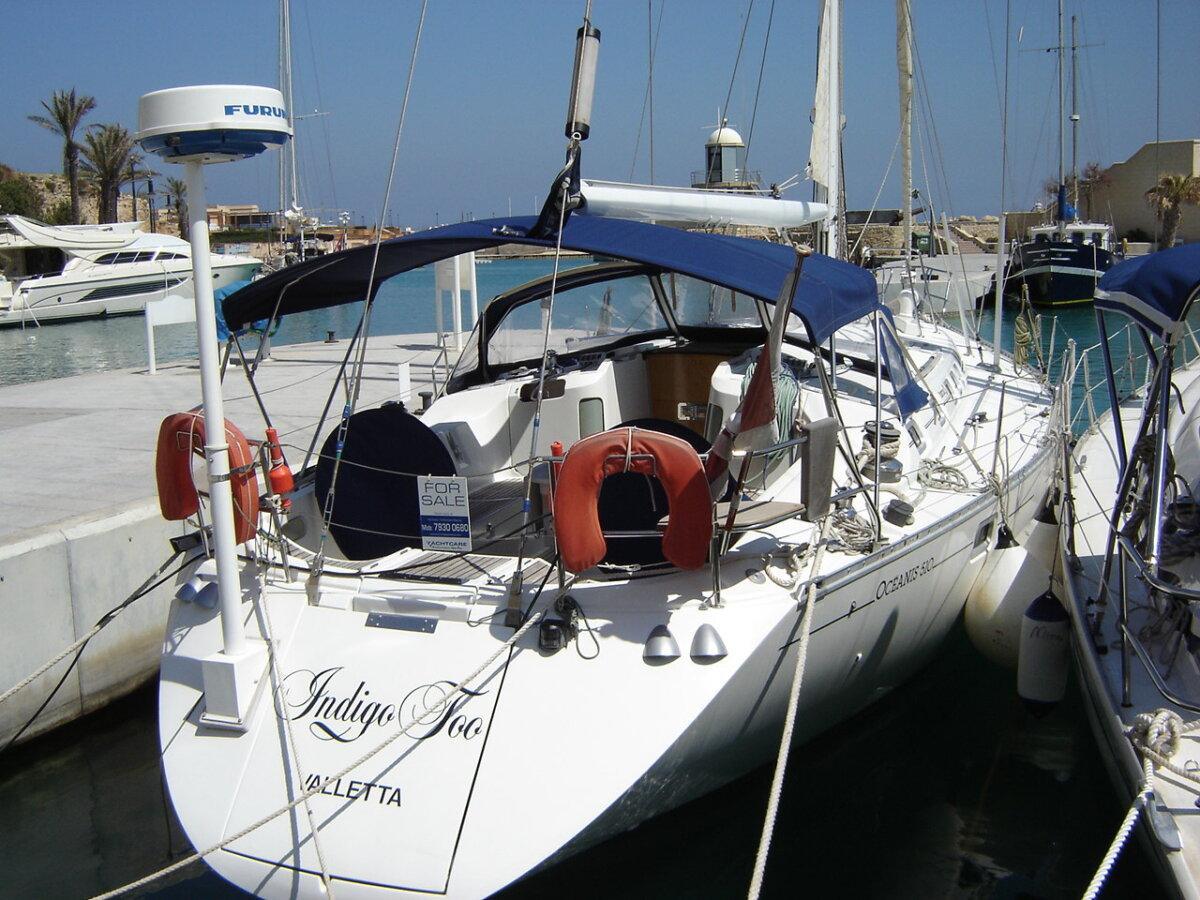
The first gap is time. A motorboat more easily turns a free two-hour window into a real outing. You start, leave the port, reach a cove, then return without having to deal as much with the wind. For an owner who works a lot, this flexibility changes everything. A sailboat requires a different rhythm: preparation, choice of course, anticipation of maneuvers, sometimes slower return. This is not a flaw; it is another promise.
The second gap is the sensation. With a motor, you choose your route with great immediate freedom. With a sail, you read the water, listen to the wind, adjust, correct, feel. Many boaters switch to sailing for this exact reason: they no longer just want to go from point A to point B, they want the journey to be an essential part of the pleasure.
The third difference is the weather. A motorboat is more forgiving on days with little wind. The sailboat, on the other hand, becomes magical when conditions align and more frustrating when they do not. If your sailing area is known for irregular winds or your outings are very impromptu, the engine maintains a practical advantage.
“A license is mandatory to operate a pleasure motorboat when the power […] exceeds 4.5 kilowatts.” Ministry in charge of the Sea
This regulatory reminder is important from the moment of purchase. In France, the pleasure craft license becomes mandatory beyond 4.5 kW, or 6 horsepower for motorized pleasure boating. The coastal option covers navigation up to 6 miles from shelter, then the offshore extension takes over beyond that. On inland waters, a sailboat operating under motor power with a power exceeding 4.5 kW also falls under specific regulations. This point may seem secondary on paper; in practice, it can influence your purchase, your navigation area, and your training schedule. Source: Ministry in charge of the Sea and Public Service.
Strengths and limitations of the sailboat
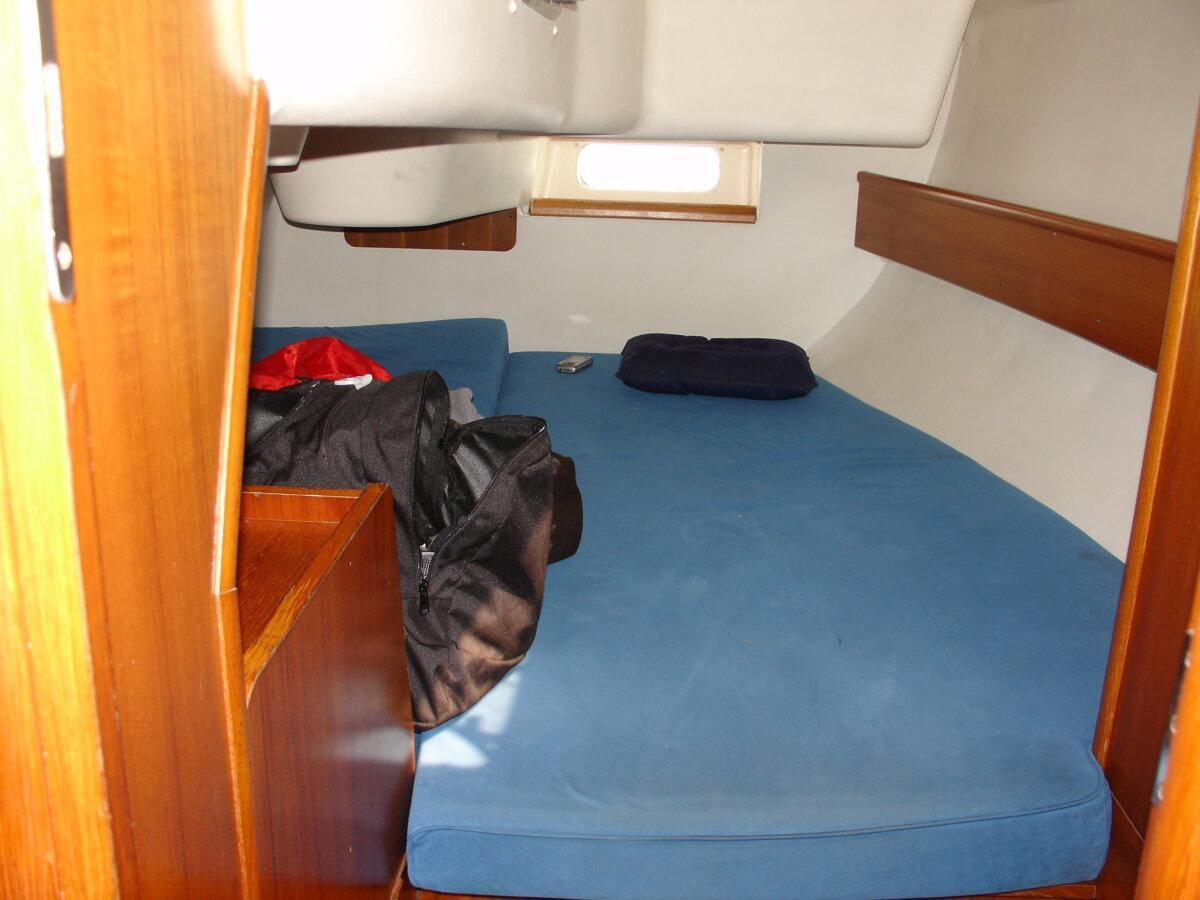
The sailboat first appeals because of its operating cost during navigation. When the wind is favorable, fuel expenses drop significantly and the sensation of silence changes the entire day. For long-term vacations, this logic weighs heavily. The boat becomes a small mobile home, often better designed for living aboard, cooking, storing, and sleeping. For a comparable length, a cruising sailboat often offers a very convincing perceived habitability.
Another asset is that the sailboat enhances learning. Progress is fast because each outing requires observation, anticipation, and understanding. Many owners particularly enjoy this aspect. The boat does not wear out after a few weeks: you continue to learn about points of sail, balance, weather, adjustments, ports, anchoring, and life at anchor.
- Silence underway: a more calming sensation, especially on long legs.
- Fuel budget: a clear advantage as soon as you sail frequently.
- Life aboard: cooking, sleeping, and storage spaces often better utilized.
- Marine pleasure: more technical, more embodied, more memorable navigation.
The downside is well known: a sailboat requires time, method, and real tolerance for imperfect days. You have to enjoy preparing, tidying, coiling, adjusting, reefing, and choosing the right moment. For an owner who mainly dreams of a quick swim, a lunch at anchor, then a fast return, this ritual can eventually become burdensome. The ideal boat is not the one that impresses at the dock; it is the one that actually leaves the harbor.
Strengths and limitations of the motorboat
The motorboat almost always wins on spontaneity. Decent weather, two friends available, a free slot on Sunday: you go. This simplicity explains why many first-time buyers sail more often with a motor than with sails, especially along the coast for short outings. The boat responds quickly, simplifies approach maneuvers, and more easily reassures a novice crew.
It is also better when navigation is merely a means to reach an activity: swimming, fishing, wakeboarding, lunch in a nearby port, sunset offshore then return. The engine creates a very efficient connection to the sea. For a family with young children, this efficiency often outweighs a romantic discourse about sailing.
- Short outings: excellent leisure efficiency over half a day.
- Ease of handling: clearer for a hurried beginner.
- Versatility: fishing, strolling, water sports, coastal cruising.
- Quick return: useful when fatigue or weather changes.
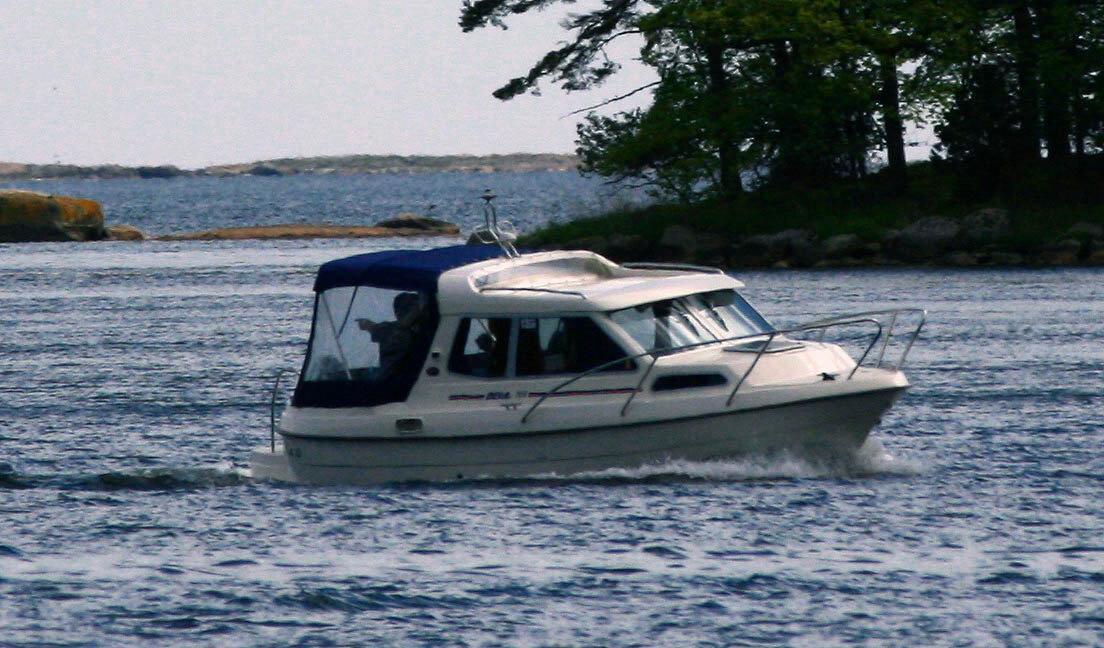
The weak point remains the operating budget. Fuel, mechanical maintenance, winter storage, electronics, parts and, on some models, more expensive marina fees: the bill climbs faster. The pleasure/cost ratio remains excellent if you go out often and for short trips. It becomes less flattering if the boat spends most of the year docked. That is why an engine is a very good purchase for people who sail often, not just for those who like the idea of going fast.
Budget, license, maintenance: the three filters that decide
When hesitation lasts, you have to return to three very concrete filters: overall budget, available time, and level of involvement. The purchase price alone tells little. A reasonable boat at purchase can become costly to use. Conversely, a more ambitious sailboat on paper can hold up over time if the program limits the engine and favors stays on board.
On the administrative side, the subject of the boat license is simple to summarize. At sea, operating a motor pleasure boat over 6 HP requires a driving license; the coastal option extends up to 6 miles from shelter. In inland waters, the framework differs and a sailboat using a powerful engine must also comply with the corresponding regulations. Source: Ministry in charge of the Sea.
In terms of safety, the level of armament depends on the distance from a shelter. This logic sometimes changes the perception of a project: a simple coastal walk does not carry the same constraints as semi-offshore navigation. The hurried owner often underestimates this point during the first purchase.
“Coastal: up to 6 miles from a shelter.” Division 240, safety equipment for pleasure boats
Another useful reference: personal flotation devices also evolve with the zone. The official framework notably recalls the logic of 50 N up to 2 miles and 100 N from 2 to 6 miles for certain practices regulated by safety regulations. This data is not abstract: it influences your equipment, your storage on board, and how you prepare your outings. Source: Division 240 / Ministry in charge of the Sea.
| Your situation | Most coherent choice | Why |
|---|---|---|
| Outings of 2 to 4 hours | Motorboat | Maximum useful time, easy return |
| Weekends with overnight on board | Sailboat | Life on board and more rewarding autonomy |
| Beginner family | Motorboat | Faster learning |
| Cruising project | Sailboat | Enjoyment of the journey and sobriety of use |
| Lake or calm inland water | Depending on program | Motor for efficiency, sail for navigation school |
Methodology of this guide and limits to keep in mind
To make the choice quick, this guide relies on 6 usage scenarios: half-day outing, family day, weekend with overnight, coastal cruising, inland navigation, and pleasure purchase rarely used. We crossed 7 criteria: handling, useful time on the water, comfort, dependence on weather, regulatory constraints, operating costs, and pleasure felt over time.
This is not a comparative test of specific models. You will therefore find neither brand rankings, nor engine test figures, nor verdict on a given hull. The goal is simpler: to help you choose the type of boat that will make you sail often. It is deliberately an upstream filter, the one that avoids a bad emotional purchase.
The main limitation is here: between two sailboats or two motorboats, the differences can be huge depending on length, hull, cabin, engine, general condition, berth space, deck plan, and frequented water area. After this guide, an essential step remains: visit, board, simulate a real day, then rent a similar format before signing.
Which boat for which type of boater
You go out little but want each outing to be simple: take a motorboat. It is the best antidote against abandoning the project after one summer. You will be comfortable faster and the crew will follow more willingly.
You dream of leaving for three days, cooking on board and changing bays according to the wind: the sailboat makes more sense. It sometimes slows down the program, but it also enriches it. For many owners, it is precisely this density of experience that justifies the purchase.
You mainly sail in inland waters: decide according to the setting and use. On a lake for efficient outings and picnics, the motor is clear. On a water body conducive to learning, sailing trains better, requires more attention, and often gives more satisfaction in the medium term.
You buy as a couple or family: question the crew’s patience. A sailboat appeals to crews who like to participate. A motorboat appeals to those who want to enjoy without waiting. This question seems almost psychological; yet it avoids many disappointing purchases.
The right course, basically, comes down to one sentence: choose the boat that matches your ordinary days, not your three most beautiful holiday images. If your next step is serious, rent a motorboat for half a day and a sailboat for a weekend. After this double experience, doubt often fades within a few minutes.
FAQ: Frequently Asked Questions Before Buying
Is a sailboat always cheaper than a motorboat?
Not always at purchase. In use, fuel often favors the sailboat. However, the rigging, sails, fittings, and certain maintenance operations can balance the scales. The fairest approach is to consider the complete annual cost, not just the listed price.
What is the best choice for a complete beginner?
To start quickly and go out without stress, the motorboat is generally simpler. To learn navigation in the true sense of the term, the sailboat is more educational. The best choice therefore depends on your goal: immediate ease or technical progression.
Is a license required for a sailboat?
Not in principle for a sailboat. In France, it is mainly the engine power and the navigation zone that trigger the requirement for a driving license. In inland waters, a sailboat operating under motor with more than 4.5 kW falls under specific regulations. Source: Ministry in charge of the Sea.
Which boat is best suited for family outings with children?
For young or impatient children, the motorboat often makes the day easier: less waiting, more swimming, quicker returns. For older children who like to participate, a sailboat becomes an excellent learning environment.
Which is better suited for an overnight stay on board?
At equal size, a cruising sailboat often surprises with its coherence for sleeping, cooking, and storage. Some habitable motorboats are also very comfortable, but the trade-off must be verified in reality: headroom, toilet, ventilation, access to the berth, and movement.
Is the engine more reassuring in bad weather?
It is reassuring mainly because it allows you to shorten an outing and return quickly. This never dispenses with preparing your navigation or respecting the limits of the boat, crew, and area. The right reflex remains anticipation, not blind trust in power.
Can you do serious cruising with a motorboat?
Of course. A well-designed habitable cruiser allows for very nice cruises. The issue is not the possibility, but the style of cruising: faster, more direct, often more expensive in fuel, with a different relationship to anchoring and stops.
Which boat is easiest to resell?
Resale depends mainly on the condition, price, engine, possible mooring space, length, and targeted segment. A common, well-maintained, and properly positioned boat resells better than a very specialized model, whether sail or motor.
How to avoid making a mistake on the first purchase?
Apply a simple method: define your actual program, check licenses and navigation zone, estimate the complete annual cost, visit several boats, then rent before buying. This last step often counts more than a long reading of technical sheets.
The actionable choice in one minute
You want a boat to go out often, with light logistics, quick round trips, and a crew that enjoys it immediately? Go for a motorboat. You are looking for a slower, more inhabited experience, with weekends on board, real tuning pleasure, and a finer relationship with the water? Choose a sailboat. The next step is simple: write down your typical outing, your annual budget, and your crew’s patience level. The right choice almost always appears at that moment.