/* Css In-Brief */
| Key Points | Details to Remember |
|---|---|
| 🔍 Definition | Understand what La Poste digital identity is |
| 🛠️ Creation | Follow the registration and verification steps |
| ✅ Validation | Submit your documents for secure authentication |
| 🔒 Security | Adopt best practices to protect your data |
| 🤝 Uses | Access public and private services with full confidence |
| ⚖️ Compliance | Respect eIDAS and GDPR standards |
| 🔄 Renewal | Regularly update your profile |
When discussing online administrative procedures, the crux of the matter remains the reliability of the digital identity. La Poste offers a solution accessible to all, with a clear process and security guarantees. This guide details how to obtain and use your La Poste digital identity, from the initial click to accessing your services—public or private—while protecting your personal data.
Sommaire
Why choose La Poste digital identity?
Since the rise of online services, having a validated digital identity has become more than just an asset: it is sometimes the key that unlocks access to a retirement file, downloading a diploma, or opening a bank account. With La Poste, you benefit from a platform that acts as a trusted intermediary between the user and institutions.
Beyond the brand’s prestige, La Poste’s offer stands out for two strengths: a user journey designed to minimize errors and adherence to European (eIDAS) and national (GDPR) legislations. This avoids the headache of lost supporting documents or cryptic error pages.
How to create and validate your digital identity?
Step 1: Online registration
To get started, go to the official La Poste website dedicated to digital identity. A form will ask you for basic information: last name, first name, date of birth, and email address. Nothing complicated, but be careful not to make a typo, as an incorrect email blocks the rest of the process.
- Double-check your entry before clicking “Send.”
- Choose a strong password, mixing letters, numbers, and special characters.
- Note it down in a password manager to avoid any loss.
Step 2: Identity verification
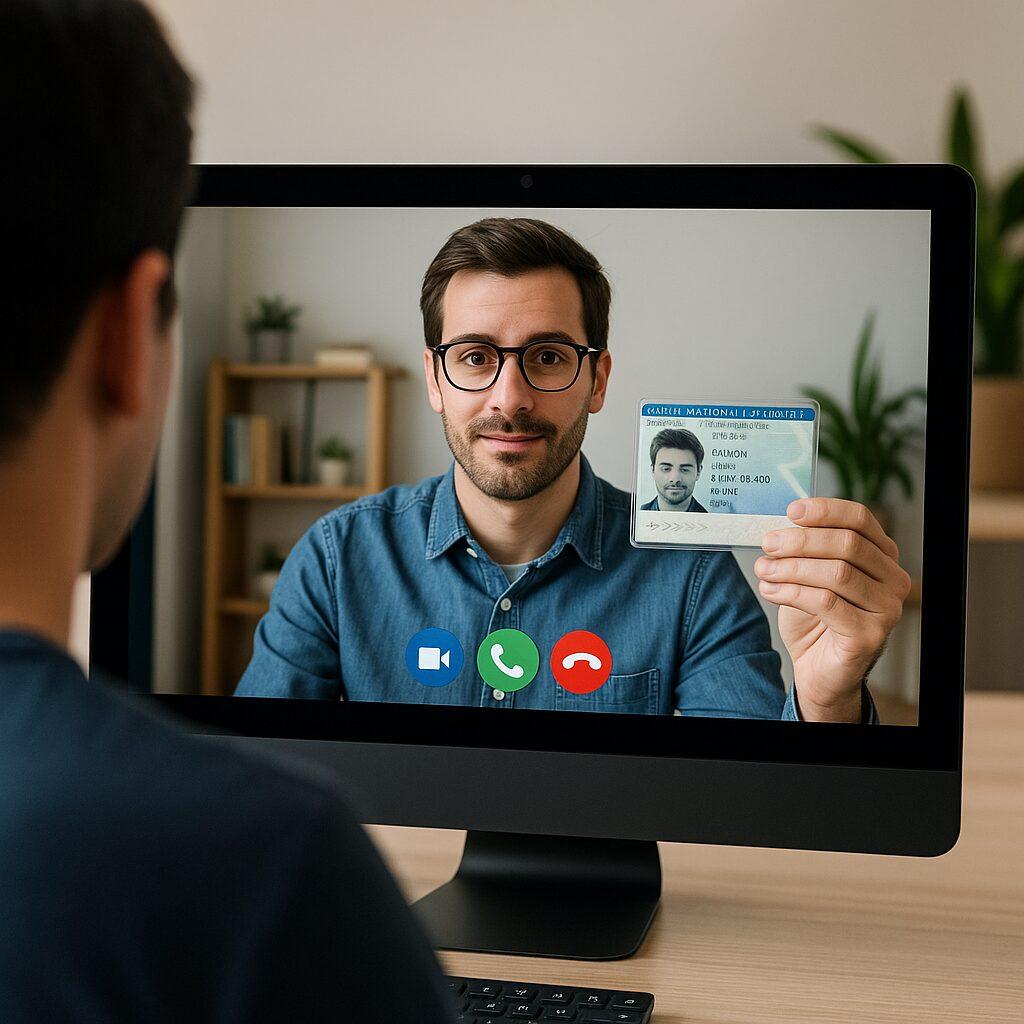
Next, you will be asked to prove your physical existence. Two options are available: a postal delivery of a code or recognition via video conference. The code method remains simple but expect a delay of a few days. If you are in a hurry, the video session, hosted by a human operator, takes less than ten minutes.
“The magic lies in this process combining speed and rigor: you share an official document and a photo, and the agent validates everything live.”
Step 3: Activation and first uses
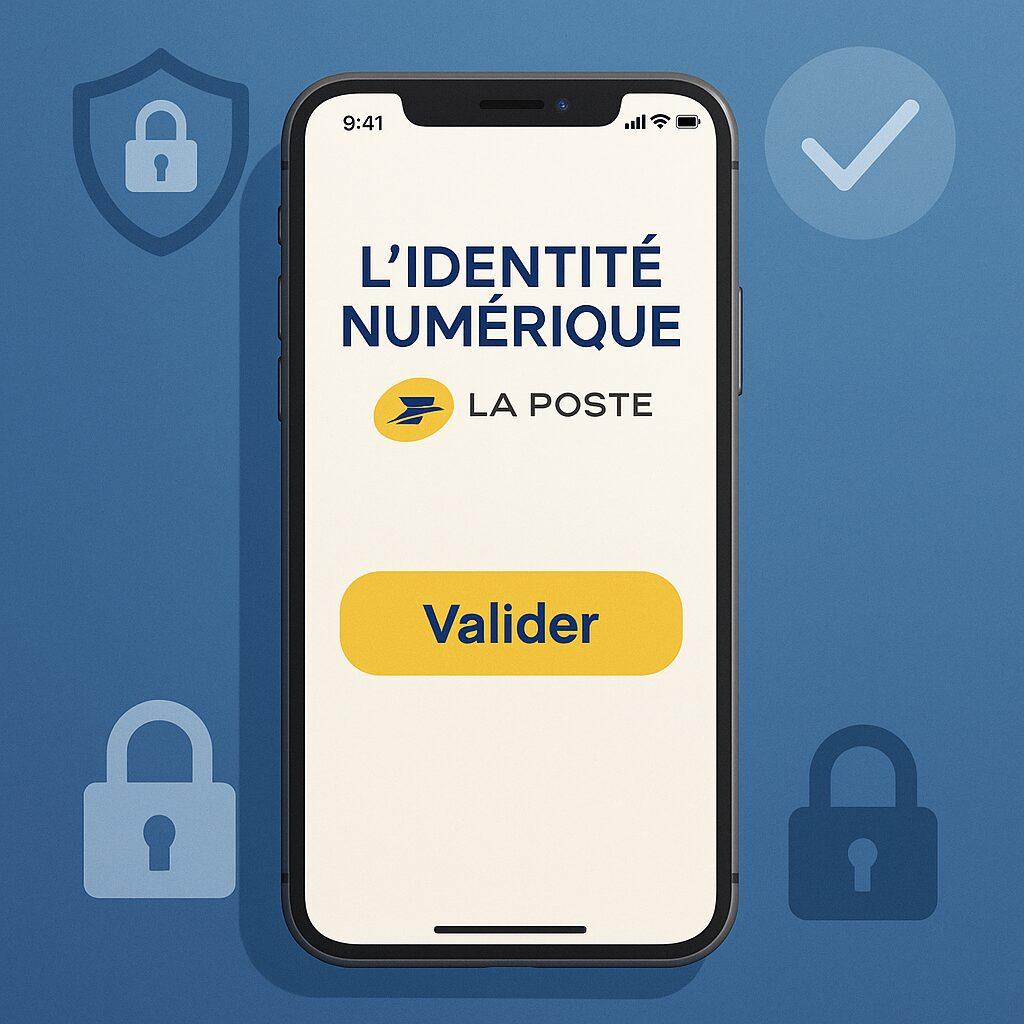
After verification, you receive a confirmation in your mailbox. Click on the link, create your security key (MFA), and you’re good to go: your profile comes to life. You can now sign electronically, access online services, and access the Toutatice platform if you are in the educational sector, without fearing any breach.
Securing your procedures: best practices
Having a digital identity is a bit like having keys to several doors: it’s up to you not to lose them. Here are some habits to adopt:
- Activate two-factor authentication: this drastically reduces the risk of intrusion.
- Do not reuse your main password on other sites.
- Beware of unsolicited emails and do not download suspicious attachments.
- Regularly monitor your activity console to detect any suspicious connection.
These simple actions strengthen trust but require some daily discipline. A forgotten password can be resolved in a few clicks, but a data breach often remains irreversible.
Use cases and integrations
The La Poste digital identity finds its place in many services:
- Online tax declaration
- Request for a Vitale card
- University registration
- Signing administrative or private contracts
Some public operators, as well as private actors, accept this form of authentication. For example, schools today use this standard to secure access to digital educational environments, thus strengthening the protection of everyone’s data.
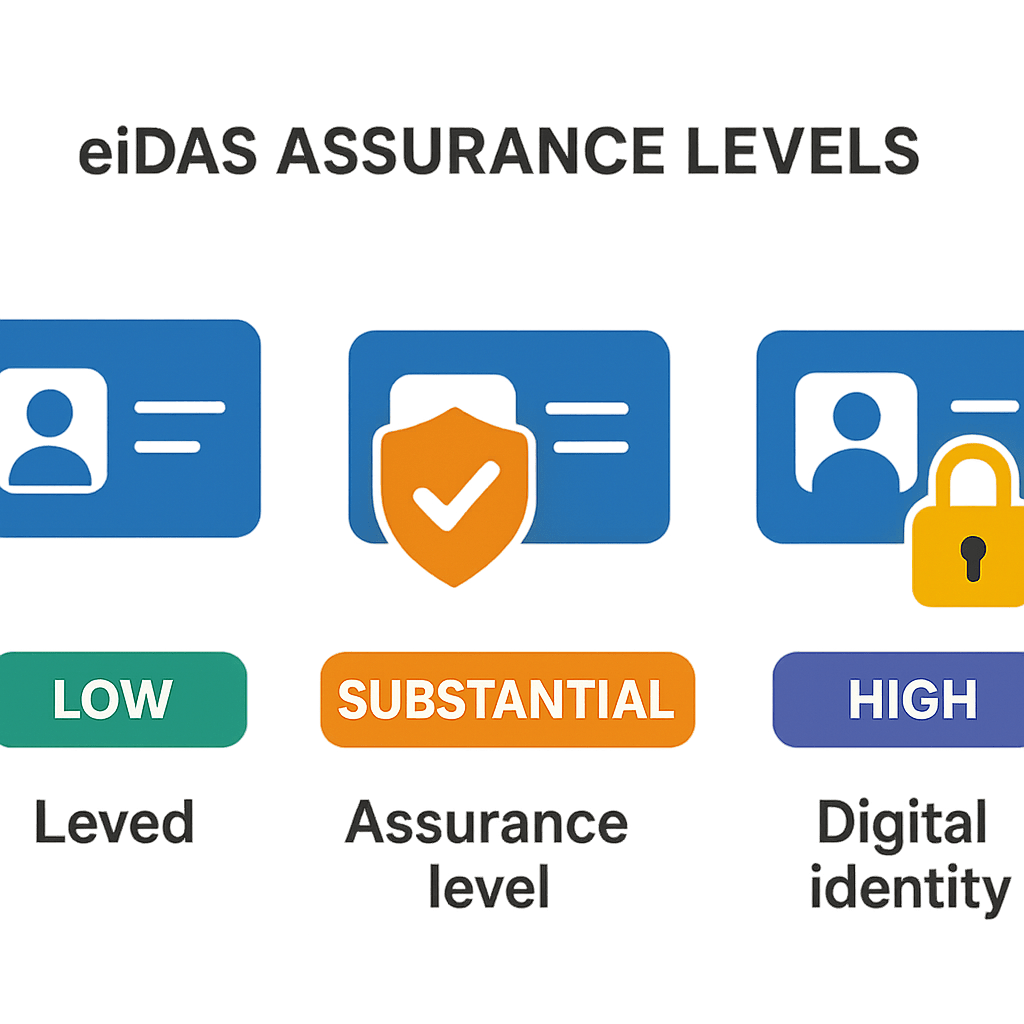
| Level | Description |
|---|---|
| LoA1 | Basic authentication, without verified identity |
| LoA2 | Photographic verification and proof of identity |
| LoA3 | Enhanced procedure with biometrics or video conference |
FAQ
- What is the La Poste digital identity?
- It is an online authentication service that certifies your identity according to eIDAS and GDPR standards.
- How long does the validation take?
- Depending on the chosen method, expect from a few minutes (videoconference) to 3–5 days (postal registration).
- Is it free?
- Basic registration is free. Some advanced services may be paid, depending on the service.
- What level of security is reached?
- You can reach up to level 3 (LoA3) by choosing the enhanced procedure.
- Can I renew my digital identity?
- Yes, you just need to regularly restart the verification procedure to maintain your certification.
{
“@context”: “https://schema.org”,
“@type”: “WebPage”,
“about”: {
“@type”: “Thing”,
“name”: “La Poste Digital Identity”
},
“keywords”: [“digital identity”, “La Poste”, “validation”, “security”, “online procedures”]
}
{
“@context”: “https://schema.org”,
“@type”: “Article”,
“headline”: “La Poste Digital Identity: the complete guide to validate and secure your online procedures”,
“description”: “Detailed guide to create, validate and protect your La Poste digital identity, with clear steps, best practices and usage examples.”,
“keywords”: [“digital identity”, “La Poste”, “validation”, “security”, “online procedures”],
“mainEntity”: {
“@type”: “FAQPage”,
“mainEntity”: [
{
“@type”: “Question”,
“name”: “What is the La Poste digital identity?”,
“acceptedAnswer”: {
“@type”: “Answer”,
“text”: “It is an online authentication service that certifies your identity according to eIDAS and GDPR standards.”
}
},
{
“@type”: “Question”,
“name”: “How long does the validation take?”,
“acceptedAnswer”: {
“@type”: “Answer”,
“text”: “Depending on the chosen method, expect from a few minutes (videoconference) to 3–5 days (postal registration).”
}
},
{
“@type”: “Question”,
“name”: “Is it free?”,
“acceptedAnswer”: {
“@type”: “Answer”,
“text”: “Basic registration is free. Some advanced services may be paid, depending on the service.”
}
},
{
“@type”: “Question”,
“name”: “What level of security is reached?”,
“acceptedAnswer”: {
“@type”: “Answer”,
“text”: “You can reach up to level 3 (LoA3) by choosing the enhanced procedure.”
}
},
{
“@type”: “Question”,
“name”: “Can I renew my digital identity?”,
“acceptedAnswer”: {
“@type”: “Answer”,
“text”: “Yes, you just need to regularly restart the verification procedure to maintain your certification.”
}
}
]
}
}