
Why does Asia appeal so much to families with children?
Asia appeals to families because it allows combining strong change of scenery, often adjustable costs, and very varied activities: wildlife, beaches, temples, trains, markets, urban parks. The most successful stays are those that limit hotel changes and favor a comfortable base with 2 or 3 major outings.
Contrary to popular belief, traveling in Asia with children does not necessarily imply an exhausting itinerary or endless journeys every two days. In practice, families who keep good memories of the trip often choose one or two bases maximum, with days alternating visits, quiet time, and playful activities. This is especially true in Singapore, where getting around is easy, or in the Kyoto region, where you can mix heritage, gardens, train rides, and very regular breaks.
Another advantage: the offer of family activities is often denser than one might imagine. The Singapore Zoo, the historic districts of Kyoto, the rice fields and beaches of Bali, boat trips around Phuket, or discovering the Angkor site in Cambodia allow engaging children of different ages, provided the visit duration is adapted. On the ground, it is observed that children engage better with a temple or museum when the experience is short, narrated, and followed by a freer moment.
Top 5 trips in Asia with children to prioritize
1. Singapore: the simplest choice for a first time
For parents who want a trip to Asia with children without excessive friction, Singapore remains a safe bet. The city-state is compact, very clear, clean, well served by the metro, and reassuring logistically. With one or two children, it is possible to organize a stay of 4 to 6 nights limiting travel times to 20 to 40 minutes between major points of interest. This is a decisive point when traveling with a stroller or quickly tired children.
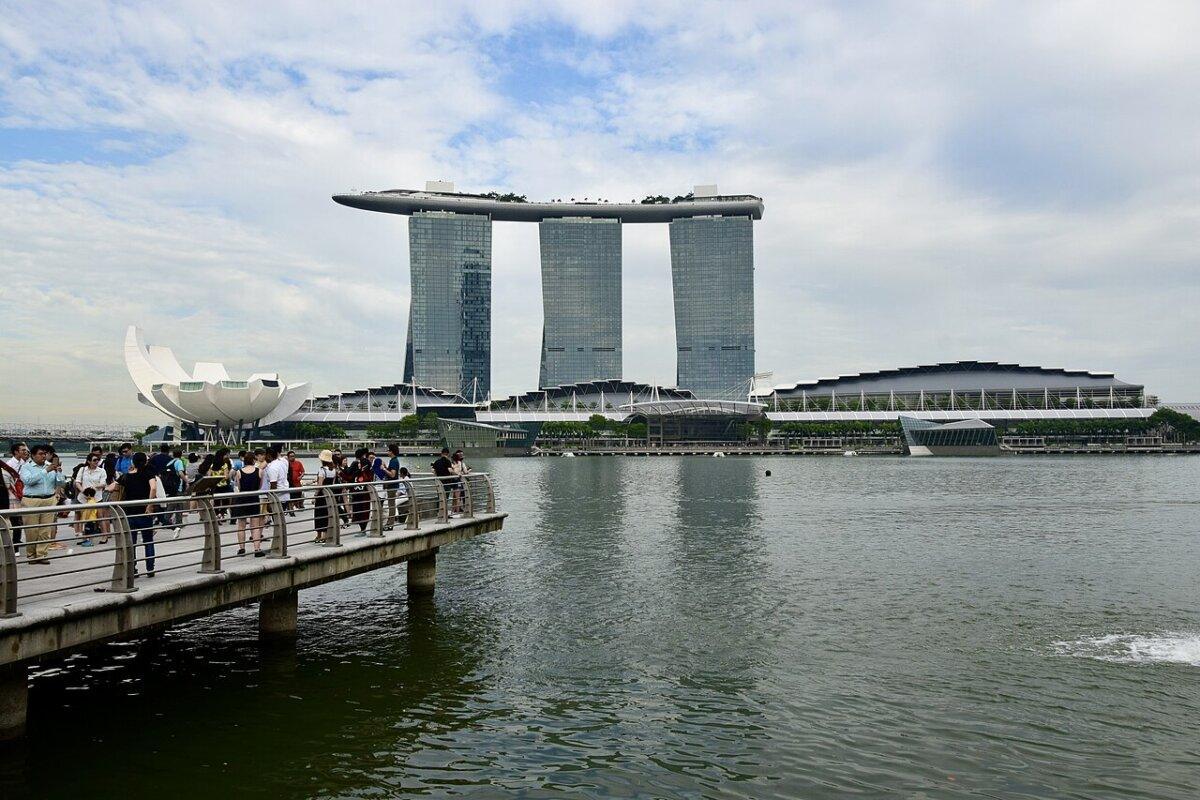
There are many activities that work well for families: Gardens by the Bay, the Singapore Zoo, the Sentosa aquarium, water playgrounds, and walks around Marina Bay. Regarding accommodation, families mainly try three effective formats: a centrally located hotel with a pool near an MRT station, an aparthotel with a kitchenette, or a resort in Sentosa for a stay more like “vacation” than a “city trip.” The point to watch out for, however, is the budget: a family room or two connecting rooms often cost between €180 and €350 per night depending on the season.
2. Kyoto and Osaka: culture, trains, and adjustable pace
The Kyoto–Osaka duo is often more family-friendly than a full Tokyo stay, especially for a first trip to Japan. Kyoto allows for short and memorable visits, with sites like Fushimi Inari, the Arashiyama district, or the Kinkaku-ji, while Osaka offers a more playful range with its aquarium, lively streets, and often somewhat more spacious accommodations. Train times between the two cities are short, around 15 to 30 minutes depending on the line and departure station.
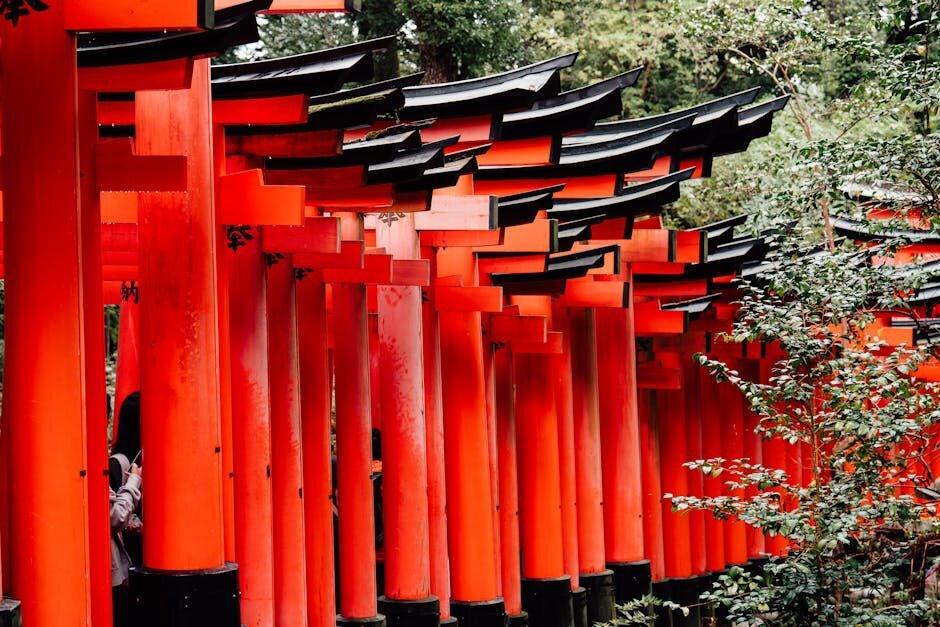
Japan requires a higher budget than Southeast Asia, but it compensates with its reliability. For a family of four, decent accommodation in a family room or small apartment often costs around €160 to €300 per night in well-located areas. According to recommendations from the Japan National Tourism Organization, it is useful to anticipate peak periods, especially in spring and during certain Japanese holidays. In practice, a light itinerary with 5 nights in Kyoto or Osaka and one or two short excursions works better than a large tour of the country.
3. Bali: nature, relaxed lifestyle, and family villas
Bali remains one of the most flexible destinations for families, provided you choose your area well. Sanur is often simpler with young children than Canggu or Uluwatu: generally calmer sea, easy walks, many hotel or villa options with pools, and a less hectic atmosphere. Ubud, on the other hand, suits families who want a greener immersion, with rice fields, workshops, educational farms, and short outings.
The real strength of Bali is its family accommodations. A simple villa with 2 bedrooms and a small private pool can sometimes cost between €90 and €180 per night depending on the season, which changes daily life when one child needs a nap and another needs space. However, caution is needed regarding travel times: 20 kilometers can take more than 1 hour depending on traffic. In practice, satisfied families avoid staying in too many different places and favor two bases, for example Sanur then Ubud.
A family traveling with two children aged 4 and 8 reports that the stay became much smoother in Bali once they gave up the idea of “seeing everything.” With a villa in Sanur, a driver booked only on certain days, and free mornings, tensions greatly decreased.
4. Bangkok and an easy Thai island: short city then beach
The Bangkok + family island formula remains very effective for combining discovery and relaxation. Bangkok can be visited over 2 to 3 nights with a very selective program: boat ride on the Chao Phraya, a major temple, a market, then a hotel with a pool. Then, an island or a more accessible seaside resort like Koh Samui or certain areas of Phuket allows you to slow down. This alternation is often more bearable for children than a touring circuit throughout the country.
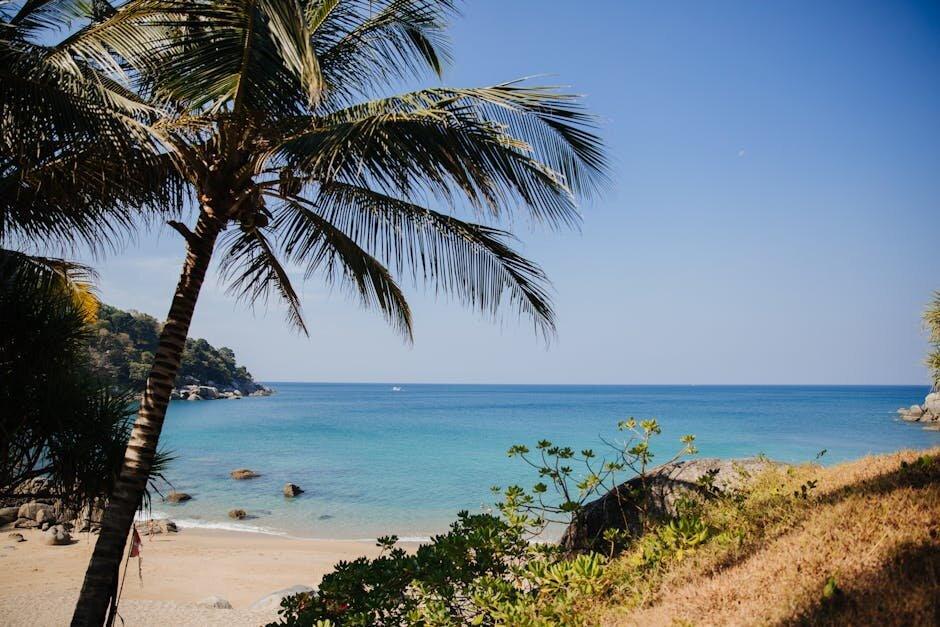
Family hotels are numerous there, from simple resorts to more complete clubs. The good criterion is not only the pool, but also proximity to the beach, shade, easy dining, and the availability of a real family room. Depending on the season, you can still find decent options between 70 and 160 € per night for a family in tourist Thailand. For the seasons, caution is advised: the weather varies depending on the coasts and months, so it is better to check the rain patterns before booking.
5. Siem Reap and Angkor: a great cultural trip, in small doses
For children already somewhat used to traveling, Siem Reap in Cambodia can offer a memorable stay. The Angkor complex, listed as a UNESCO World Heritage site, impresses immediately, but the site must be approached with moderation. A well-structured half-day, with private transport, breaks, and one or two major temples, often works better than an intensive program from dawn until late afternoon.
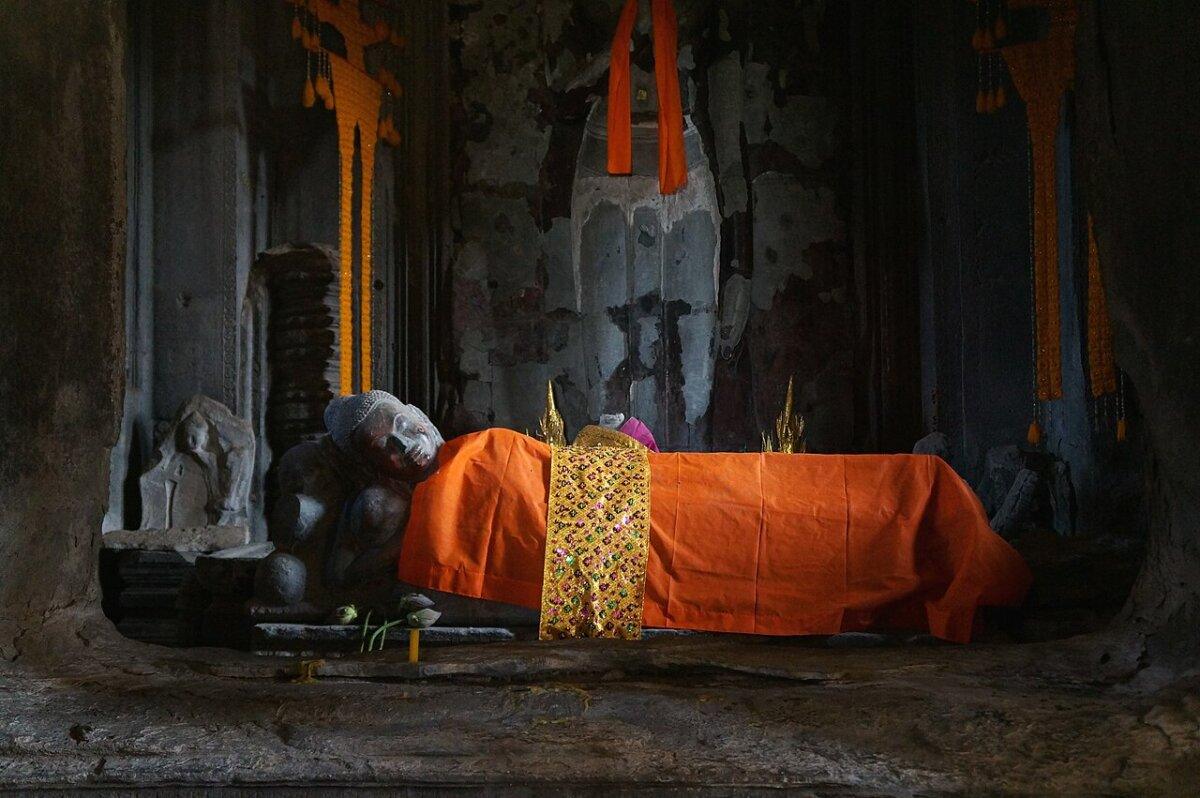
Siem Reap also has the advantage of offering many hotels with pools in a price range often softer than other Asian destinations, frequently between 60 and 140 € per night for a decent family room. According to information from the official Angkor Enterprise website, it is necessary to check access conditions and tickets before departure, as they may change. This type of trip is especially suitable for children who tolerate heat well and somewhat early mornings.
How to choose a trip to Asia with children according to age?
With children from 0 to 5 years old, favor Singapore, Bali-Sanur, or a very simplified Japan. Between 6 and 10 years old, Thailand, Kyoto-Osaka, or Siem Reap become easier. The right choice depends less on the prestige of the destination than on the daily travel time and the quality of accommodation.
With a baby or a toddler, the main criterion is not “what to see,” but how to live on site. Elevators, supermarkets, laundry, accessible pharmacy, simple meals, quiet room, and reliable air conditioning weigh more than the list of monuments. That is why Singapore often outperforms destinations that are otherwise less expensive. If you are traveling with a very young child, you can also complement the preparation with our guide traveling with young children: minimalist checklist.
Between 6 and 10 years old, the child can better tolerate varied days, but still needs concrete landmarks. Successful trips are those that give a “mission” to each day: take a boat in Bangkok, see monkeys in Bali, look for torii gates in Kyoto, observe fish in Singapore. In practice, families who plan a big visit in the morning followed by a free activity in the afternoon last longer than with a saturated program.
The best family trip is not the one that ticks off the most places, but the one where the child still has enough energy to be amazed on the third or fourth day.
Which tested accommodations really work for families?
The most effective accommodations for traveling in Asia with children are aparthotels, simple villas, and hotels with a real family room. Above all, check the bedding, actual space, pool, breakfast, laundry, and access time to activities, which are more decisive than attractive decoration.
The word “family room” does not always guarantee true family comfort. It can be a standard room with a sofa bed or a configuration too tight for several nights. In practice, the accommodations best “tested” by families are those that combine a few very simple points: at least 25 to 35 m² for four people, functional bathroom, blackout blinds, stable air conditioning, breakfast from early morning, and staff accustomed to requests for a baby bed or early departure.
In Bali, the 2-bedroom villa is often the most relaxing option; in Singapore, the aparthotel near an MRT avoids a lot of fatigue; in Japan, small apartments or family rooms near a secondary station are often more practical than a prestigious hotel in a poor location. A local accommodation manager often notes that families regret a modest but well-located hotel less than a beautiful but remote address. This is especially true when returns to the room multiply for a nap, a shower, or a break.
Practical advice: budget, health, pace, and mistakes to avoid
A good trip to Asia with children is prepared less by accumulating bookings than by simplifying. First, limit transfers: beyond 3 accommodation changes in 10 days, fatigue rises quickly. Next, check actual travel times, not just kilometers. Finally, always keep “flexible” days without heavy bookings. For health matters, consult before departure the official recommendations on the Travel Advice website of the Ministry for Europe and Foreign Affairs and vaccination or prevention information adapted to the destination.
On site, plan to manage emotional as well as logistical unforeseen events. Long flights, irregular meals, noise, and heat tire quickly. Many parents find it useful to bring some simple calming tools; if your children are sensitive to this, our article on the emotion box for 3–10 year olds can be helpful before departure or during the trip.
It is observed on the ground that the most frequent mistake is not choosing the wrong country, but having too dense a program. A family that cuts out only one activity out of two planned often finds, the very next day, children more available and parents less stressed.
Finally, keep in mind that a “family” budget is as much about transport as accommodation. A taxi or punctual driver can cost more than a bus, but sometimes avoids a lost day in connections. Conversely, in cities like Singapore or Kyoto, well-chosen public transport is more than sufficient. The right strategy is therefore not to spend less everywhere, but to pay where comfort truly changes the stay.
FAQ
Should Asia be avoided with children under 3 years old?
No, but you should aim for very easy-to-live destinations. Singapore or certain areas of Bali are often more suitable than a multi-country tour. The decisive point remains access to healthcare, rest, and easy food rather than the destination itself.
How many hours of flight are bearable for a first major family trip?
Many families manage well a long-haul flight of 11 to 13 hours if the stay lasts at least a week and the first days remain light. The most difficult part is often the jet lag of the first 48 hours, not the flight itself.
Which Asian destination to choose without renting a car?
Singapore, Kyoto-Osaka, and Bangkok + organized resort are very suitable for a trip without a car. In Bali, however, many families prefer to occasionally book a driver to reduce fatigue on journeys.
Is it a good idea to travel during the summer school holidays?
Yes, but not everywhere or just any way. Some areas of Asia then experience heavy heat, high humidity, or a more pronounced rainy season. It is necessary to compare regions precisely, as the weather in Kyoto, Phuket, or Bali does not follow the same seasonal patterns.
What is the ideal age to visit Angkor with children?
The site is often more enjoyable from 6 or 7 years old, when the child walks better, understands stories, and tolerates the heat. With younger children, the visit really needs to be limited to half a day and prioritize shade, breaks, and flexible transportation.