The giants of French football: capacities and particularities
Football, the king sport in France, has infrastructures worthy of its popularity. Among the most impressive stadiums, the Stade de France stands at the top of the list. Inaugurated in 1998 for the Football World Cup, this majestic building can accommodate up to 81,338 spectators. Its construction marked a turning point in the history of French sport, symbolizing the country’s entry into a new era of world-class sports facilities.
The Parc des Princes, historic home of Paris Saint-Germain, ranks second with a capacity of 48,712 seats. This stadium, renovated several times, combines tradition and modernity. It is the stage for exciting matches that have thrilled the capital for decades.
In the south of France, the Stade Vélodrome in Marseille impresses with its capacity of 67,394 spectators. Home to Olympique de Marseille, it is renowned for its electric atmosphere during matches. Its renovation in 2014 added a roof, greatly improving spectator comfort while preserving the unique atmosphere of the venue.
Here is a summary table of the largest football stadiums in France:
| Stadium Name | City | Capacity |
|---|---|---|
| Stade de France | Saint-Denis | 81,338 |
| Stade Vélodrome | Marseille | 67,394 |
| Groupama Stadium | Lyon | 59,186 |
| Stade Pierre-Mauroy | Lille | 50,186 |
| Parc des Princes | Paris | 48,712 |
Diversity and versatility of French sports venues
Beyond football, France has infrastructures adapted to various sports. The Jean-Bouin stadium in Paris, with its 20,000 seats, is mainly dedicated to rugby. Its modern design and location in the heart of the capital make it a privileged place for rugby enthusiasts.
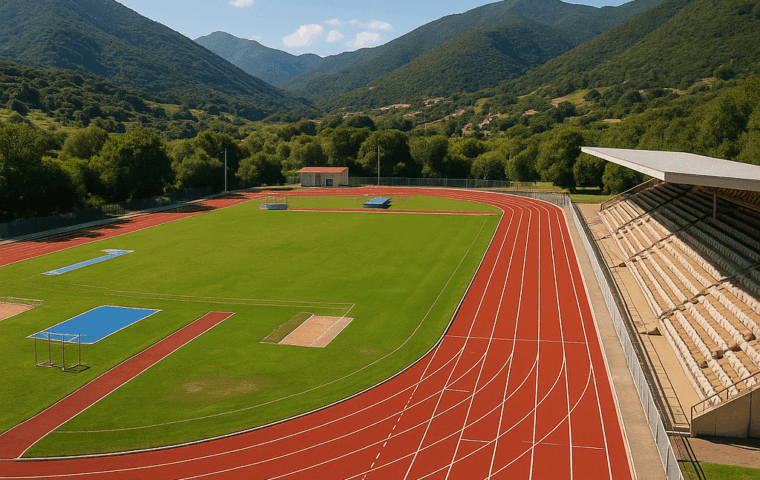
The Charléty stadium, also located in Paris, perfectly illustrates the versatility of French sports facilities. With a capacity of 20,000 spectators, it hosts both athletics competitions and football matches. This versatility reflects the desire to create spaces adaptable to different sports disciplines.
In another category, the Roland-Garros complex stands out for its specificity. Dedicated to tennis, it welcomes about 500 players and 400,000 spectators each year during the French Open. Although its capacity is smaller compared to the large football stadiums, its importance in the French sports landscape is undeniable.
The major French stadiums are characterized by their adaptability. They are designed to host various events:
- National and international sports competitions
- Large-scale concerts and shows
- Cultural and community gatherings
- Corporate events and conventions
The evolution of French stadiums: between history and modernity
The history of major French stadiums is closely linked to the evolution of sport in the country. The Stade Geoffroy-Guichard in Saint-Étienne, nicknamed the “Cauldron,” is a perfect example. With its 41,965 seats, it embodies the passion for football in a city deeply attached to its club. Inaugurated in 1931, it has undergone numerous renovations to adapt to modern requirements while preserving its legendary spirit.
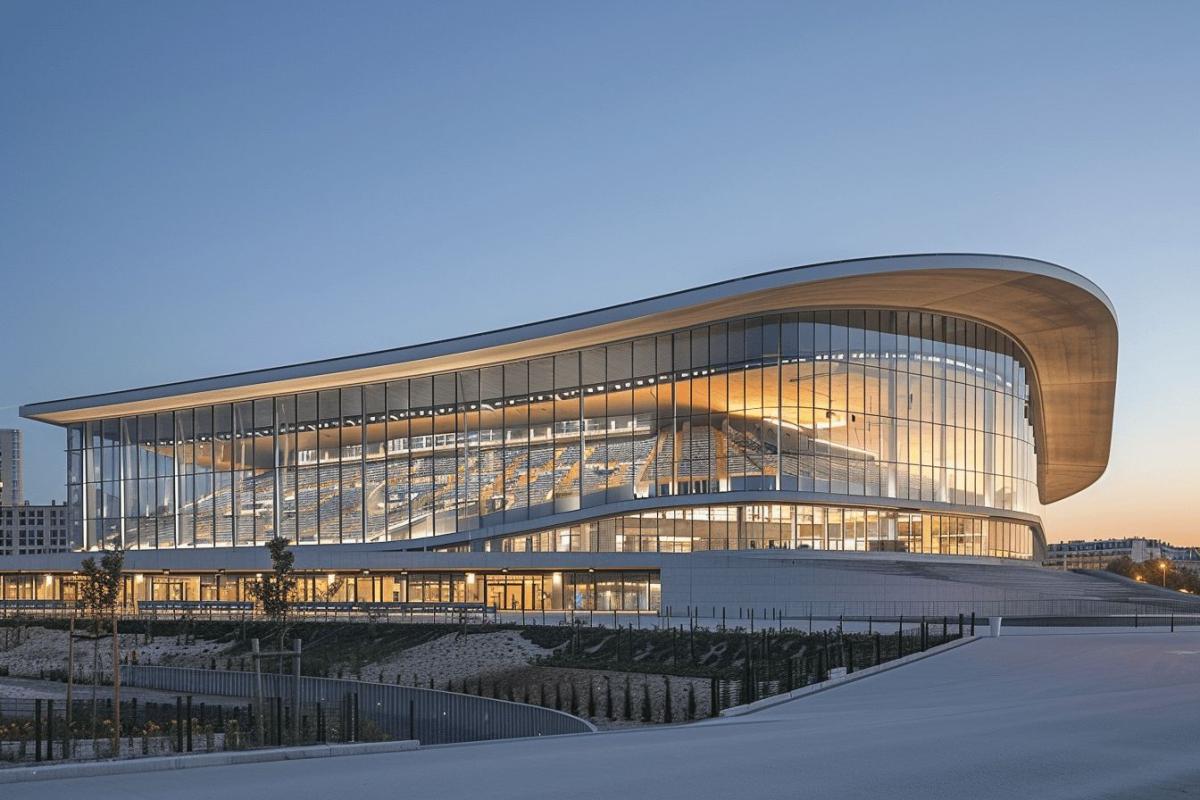
The Matmut Atlantique in Bordeaux represents the new generation of stadiums. Opened in 2015, it can accommodate 42,115 spectators in an environment combining comfort and technology. Its innovative design, environmentally friendly, reflects current concerns regarding sustainable development in sports infrastructure.
The Allianz Riviera in Nice, with its 35,624 seats, also fits into this modernization dynamic. Inaugurated in 2013, this multifunctional stadium stands out thanks to its photovoltaic roof and rainwater recovery system, making it a model of eco-construction.
The evolution of French stadiums is characterized by several aspects:
- Improvement of spectator comfort
- Integration of advanced technologies (giant screens, connectivity)
- Compliance with international safety standards
- Development of VIP areas and catering zones
- Consideration of environmental issues
These developments reflect the importance given to the spectator experience and the sustainability of infrastructures. Major French stadiums are no longer just sports venues but true multifunctional complexes capable of hosting a variety of events throughout the year.
Ultimately, the largest stadiums in France embody the country’s sporting and cultural ambition. From the imposing Stade de France to more intimate venues like Roland-Garros, these buildings tell the story of French sport and its passions. They represent considerable investments, justified by their central role in organizing major events and their economic impact on the regions. At a time when sport holds a prominent place in society, these modern cathedrals continue to evolve, promising many more years of unforgettable moments to the millions of spectators who attend them.