Why embark on a micro-adventure?
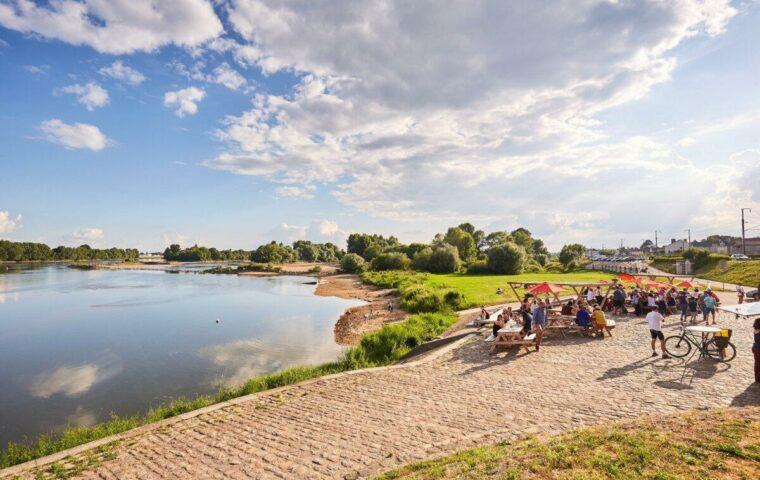
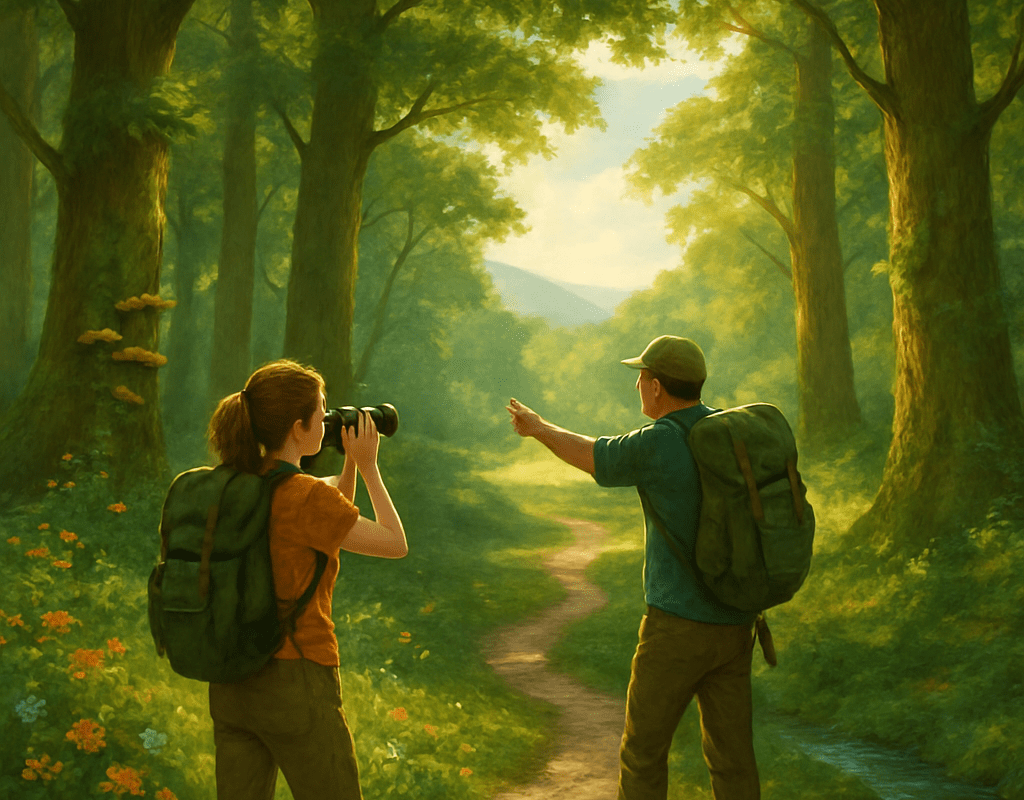
Micro-adventure shakes up the perception of travel. Instead of aiming for distant lands, you rediscover local beauty: a field of wildflowers at dawn, the silence of a preserved forest, or the urban rhythm from a different angle. This approach reduces the carbon footprint and fosters a sense of grounding, more accessible for those who lack time or budget. The benefits are both psychological and physical: a breath of fresh air, controlled disconnection, and the confidence that arises when pushing your limits. Often, upon return, you find yourself seeking new routes and reshaping your daily life with a curious and renewed eye.
How to organize your nearby getaway
1. Choose a suitable setting
Open a local map and identify less frequented areas: a hill overlooking the valley, a forgotten watercourse, a historic district that changes appearance at dawn. In each region, a balance is drawn between nature and urbanity; the important thing is to select a place whose elevation change, distance, and access match your physical condition and curiosity. Sometimes, a simple round trip on a wooded path is enough to provoke the desired change of scenery.
2. Establish a flexible itinerary
Unlike trips planned down to the minute, micro-adventures thrive on the unexpected. Outline the main points of your route and leave room to stop wherever you like: a viewpoint, an old fountain, a remarkable tree. Bring a paper map or an offline GPS app, but also plan to follow your instinct in case of a spontaneous detour. The more flexible the itinerary, the more authentic the experience becomes.
3. Select lightweight equipment
The challenge is to reduce your bag to the bare minimum: a water bottle, some energy snacks, a warm piece of clothing, a headlamp, and a first aid kit. If you plan to camp overnight, a compact makeshift shelter and a sleeping bag suitable for the season become essential. This weight saving frees the mind and encourages moving faster, without the fatigue of excessive load.
Micro-adventure ideas to try
- Twilight hike to observe the golden light on the treetops
- Bikepacking on small country roads, with stops at educational farms
- Urban bivouac on a rooftop terrace, with panoramic views of the horizon
- Morning swim in a forgotten body of water, far from crowded beaches
- Photographic exploration of hidden street art in alleyways
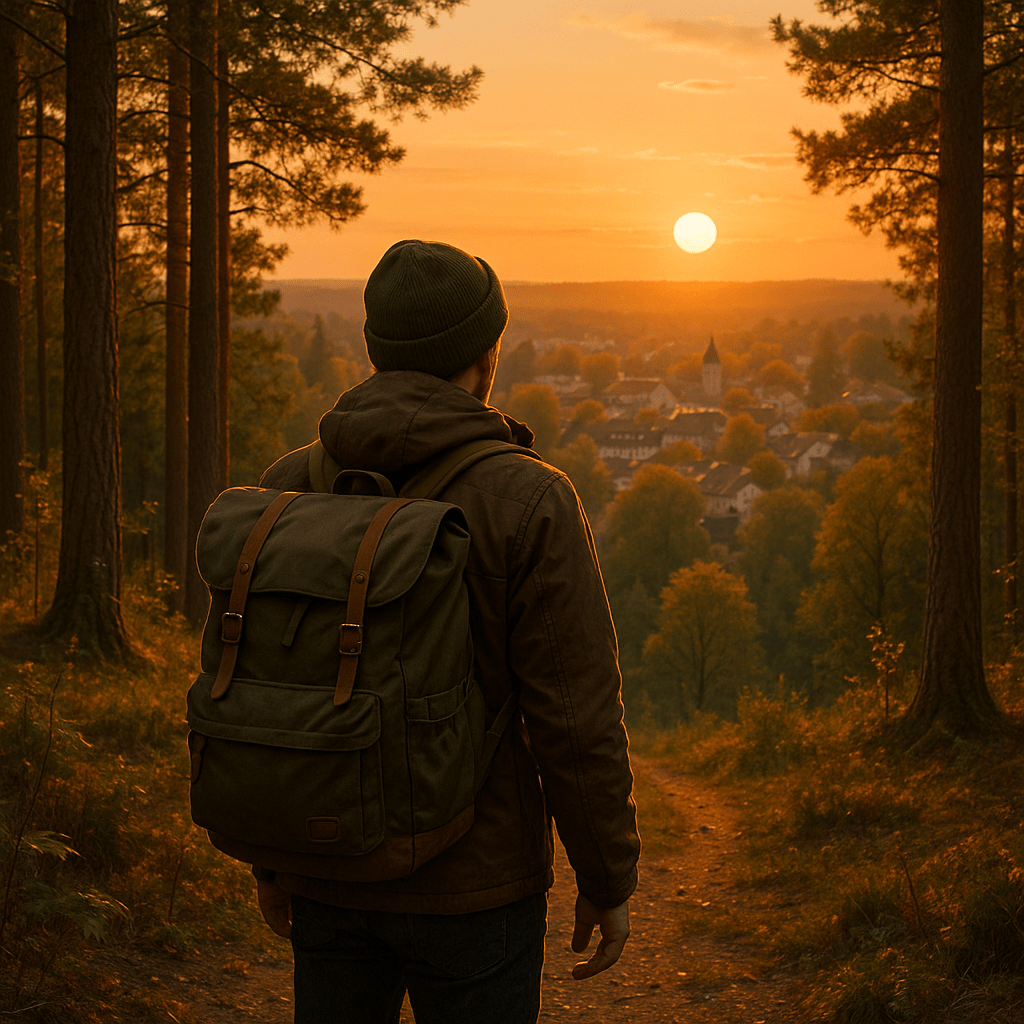
Each of these proposals immerses you in a different world, but all share this spirit of immediate discovery. Whether on two wheels or on foot, by the water or in an urban environment, the essential remains curiosity as much as light effort. You can also mix two activities to add complexity: a trail run followed by a wild picnic or a photo session and an introduction to manual cartography.
Preserving the environment during your micro-adventure
Local exploration does not mean ecological neglect. Take your trash back with you, respect wildlife from a distance, avoid fragile areas during nesting, and prefer marked trails. Also, think about wearing appropriate clothing so as not to disturb the flora (no heavy boots in peat bogs, for example). Your responsible attitude allows sites to keep their charm for yourself but also for those who will follow in your footsteps.
Tips to extend the experience
Upon return, a few simple gestures prolong the magic of the micro-adventure: keep a travel journal to note highlights, sensations, and ideas to try next time. Share your photos with friends or on a blog, and already prepare your next getaway inspired by your own discoveries. This dynamic turns every weekend or evening into an opportunity to surprise your habits and maintain a fresh perspective on daily life.
FAQ
- What is a micro-adventure?
- A micro-adventure is defined as a short outing, lasting a day or a weekend, carried out close to home with minimalist equipment. It aims to combine simplicity, ecology, and immersion, without the constraints of international travel.
- How to choose your micro-adventure location?
- First identify your desires: forest landscape, panoramic view, urban atmosphere. Then check access by public transport or bike, local regulations, and assess the crowd levels to avoid crowds if you prefer tranquility.
- What budget should be planned?
- Most micro-adventures only require moderate travel expenses (gas, train, bike) and an initial investment in basic equipment. Generally, expect to spend less than €50 for a weekend getaway.
- What equipment is really necessary?
- A lightweight backpack, a reusable water bottle, nutritious snacks, rainwear, a headlamp, and a first aid kit. For camping, add a compact shelter and a sleeping bag suitable for the season.
- How to limit your ecological impact?
- Practice the “Leave No Trace” principle: leave no trace of your passage, avoid disturbing wildlife, favor gentle transportation, and inform yourself about the fragility of sites before going there.