Quick verdict: why Canada is so appealing
For a first stay, Canada easily earns a 9/10 rating for travelers seeking wide open spaces, safety, and clean infrastructure. The country has regained or even surpassed its pre-pandemic visitor levels, driven by international visitors as well as very dynamic domestic tourism.
Recommended for: couples or friends who like to alternate hiking and urban life, families ready to rent a car, photographers and nature lovers. Less suitable if you’re looking for a very short city break or an ultra-budget destination: the vast distances and cost of living place Canada closer to countries like Australia or Scandinavia.
In one sentence: if you are willing to allocate a real budget and at least 10 to 15 days, a trip to Canada offers a variety of landscapes and atmospheres that are hard to match.
Strengths and limits of a trip to Canada
Before building your itinerary, here are the real strengths… and often underestimated constraints.
Strengths of tourism in Canada
- Spectacular landscapes: Rockies, St. Lawrence fjords, Pacific coasts, boreal forests, and Arctic tundra.
- Reliable infrastructure: well-maintained roads, clean accommodations, well-marked national park network.
- Dynamic cities: Montreal, Toronto, Vancouver, or Quebec offer gastronomy, museums, festivals, and neighborhoods with strong identity.
- Safety and hospitality: generally peaceful social climate, population accustomed to travelers, very good level of English and French in Quebec.
- Indigenous culture: strong presence of First Nations, Métis, and Inuit, with interpretation centers, museums, and guided experiences.
Some limits to anticipate
- High budget: even backpacker style, it’s difficult to sustainably go below 90–100 CAD per day all included.
- Huge distances: a Paris–Nice trip barely compares to Montreal–Gaspésie, not to mention trips to the West or North.
- Marked seasonality: some parks and roads close in winter, summer concentrates crowds, autumn is very short.
- Risk of wildfire smoke some years, especially in summer in the West and North, with possible impacts on visibility and air quality.
- Extreme climate in winter: -20 °C in Montreal or Quebec is not unusual, with snow and ice for several months.
“Canada is not a last-minute destination: between distances, seasonality, and cost, a successful stay must be planned several months in advance, especially if you aim for summer or a snowy Christmas.”
French-speaking guide in Canada since 2012
How we built this Canada guide
This guide synthesizes public data on tourist attendance, climates, and national parks, but also feedback from recent travelers and professionals based in Canada. The goal is not to dream at all costs, but to help build a realistic trip, where distances, weather, and budget are taken into account from the start.
Recommendations are based on at least five criteria: accessibility (flights, roads, transport), average weather, concentration of points of interest, accommodation offer, estimated overall budget. The daily budgets combine several estimates from travel guides, cost aggregators, and tour operator programs.
Assumed limits: the country is huge, weather conditions and prices change quickly, and local realities of Indigenous communities differ from one region to another. This guide aims to orient you, not to replace official information (Parks Canada, provinces, carriers) or exchanges with local guides.
When to go to Canada: seasons and regions
Canada is a country with four true seasons. In Montreal or Toronto, July averages are around 24–27 °C during the day and 16–19 °C at night, while Vancouver remains milder with about 21 °C during the day. In winter, temperatures drop well below zero in the East, while the Pacific coast remains wet but milder.
| Season | Key destinations | Typical temperatures | Best for |
|---|---|---|---|
| Summer (June–Sept.) | Rockies, Vancouver, Montreal, Toronto, Atlantic | Montreal / Toronto 21–27 °C, Vancouver 17–21 °C | Hiking, road trips, festivals, whale cruises |
| Autumn (Sept.–Oct.) | Quebec, rural Ontario, Nova Scotia | 10–18 °C during the day, cool nights | Red leaves, gastronomy, less crowded cities |
| Winter (Dec.–March) | Quebec, Saguenay, Laurentians, Yukon | -5 to -20 °C depending on region | Skiing, snowmobiling, northern lights, Quebec Carnival |
| Spring (April–May) | Vancouver, Victoria, eastern cities | 5–15 °C, changeable weather | More economical travel, blooming, museums |
Summer: the “classic” season
From June to September, mountain roads are open, campgrounds operate at full capacity, and festivals enliven Montreal, Quebec City, or Vancouver. Days are long and often sunny, with a climate comparable to southern France in the East, but cooler and drier in the West. Many travelers consider May to October the ideal window for a first trip to Canada, with a peak in July-August.
Autumn: the kingdom of colors
Between late September and mid-October, maples in Quebec, Ontario, or New Brunswick take on bright red and orange hues. It’s a short window (often 2–3 weeks) but splendid for a Quebec–Ontario road trip. Temperatures remain pleasant during the day but cool quickly at night; most accommodations are open but some campgrounds start to close.
Winter: snow, ice, and northern lights
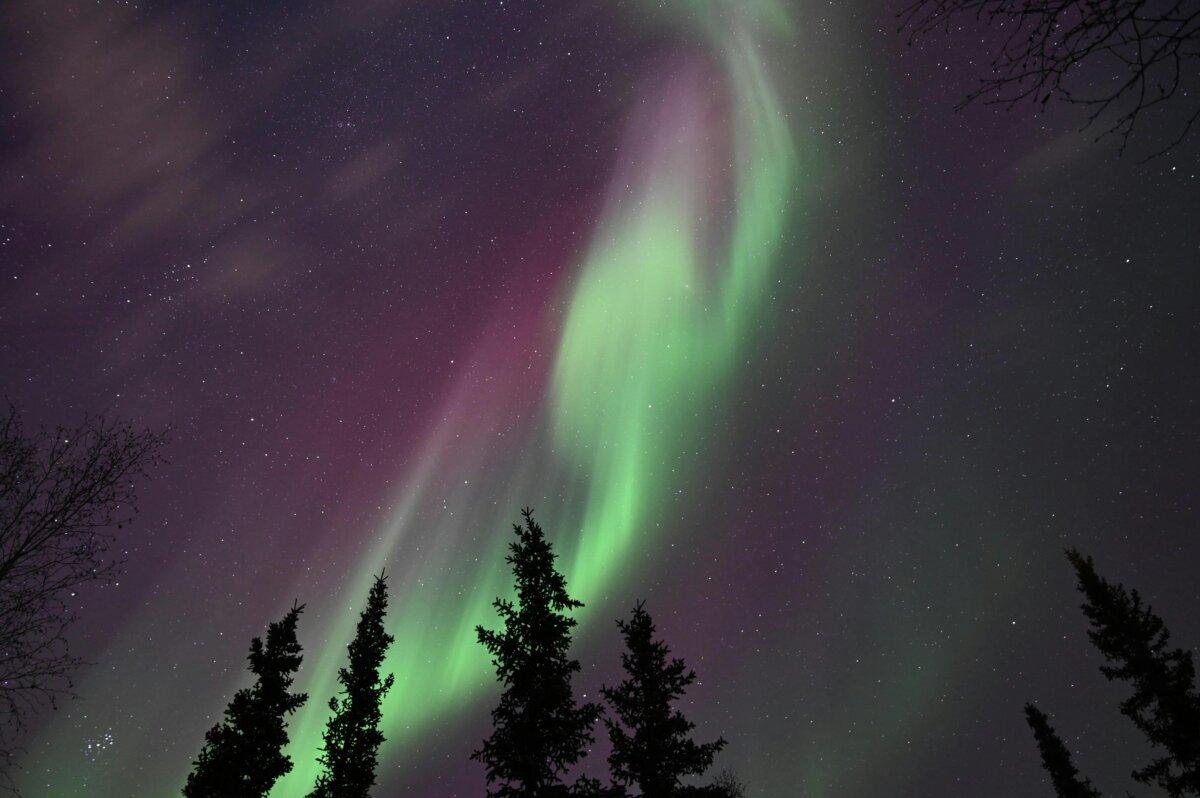
If you like Nordic atmospheres, Canadian winter is a unique playground: skating on the Rideau Canal, Old Quebec under snow, dog sledding, skiing in Whistler or Tremblant, chasing auroras in Yukon or Northwest Territories.
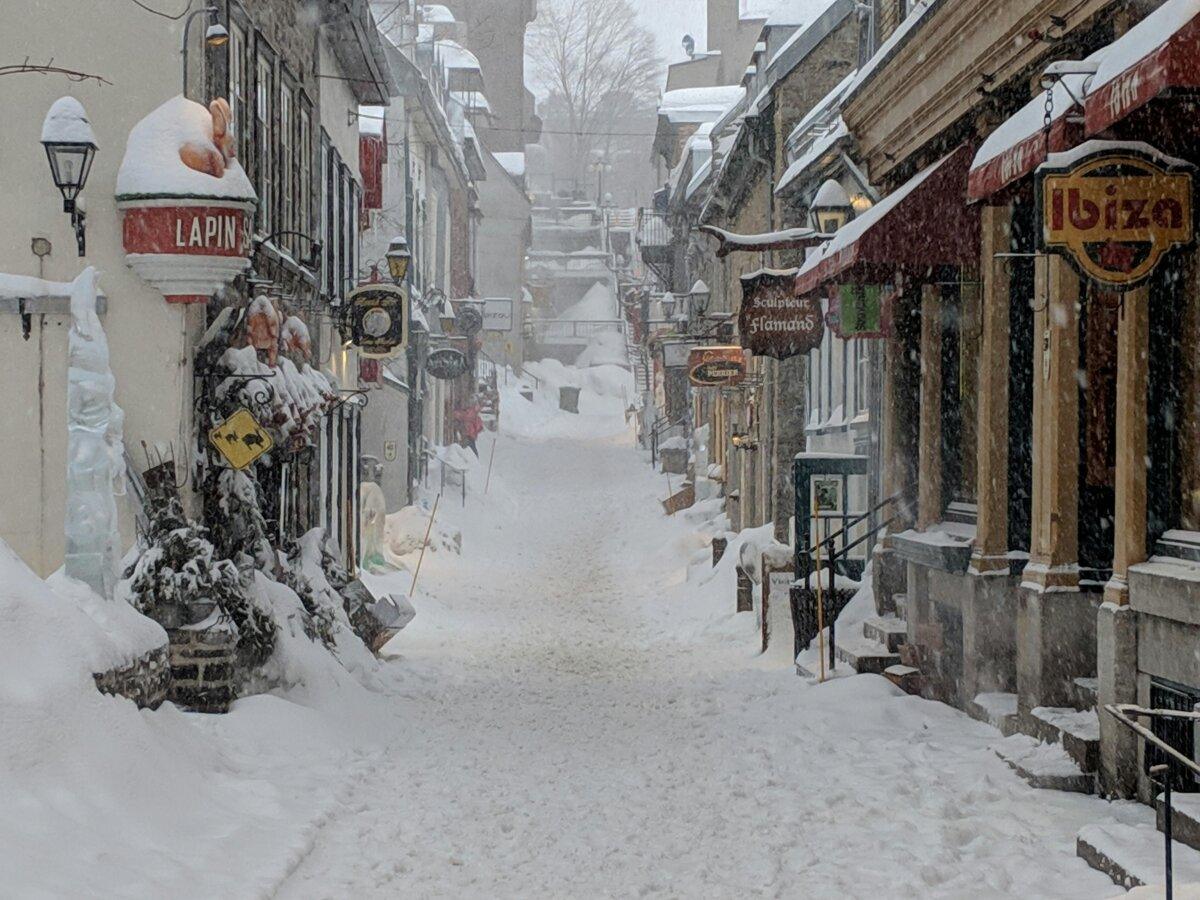
However, you must accept very low temperatures, short days, and heavier logistics (technical clothing, winter-equipped car, possible mountain road closures). Northern lights are visible for several months in the Far North but remain dependent on weather and solar activity.
Spring: the underestimated season
April and May can seem gray and wet, especially in Quebec and Ontario. Yet, it’s an interesting period for flexible travelers: fewer crowds, lower prices, cities bustling after winter, cherry blossoms in Vancouver, and urban parks in the East. Some parks remain partially snowy, but low-altitude hiking becomes possible again.
What to see in Canada: 7 must-do experiences
1. Rockies and turquoise lakes (Alberta & British Columbia)
National parks of Banff, Jasper, Yoho, or Kootenay hold much of Canada’s postcard imagery: emerald-colored lakes, glaciers, high mountain passes, iconic wildlife (elk, black bears, bighorn sheep). The national park network is dense, and those in the Rockies are among the most visited.
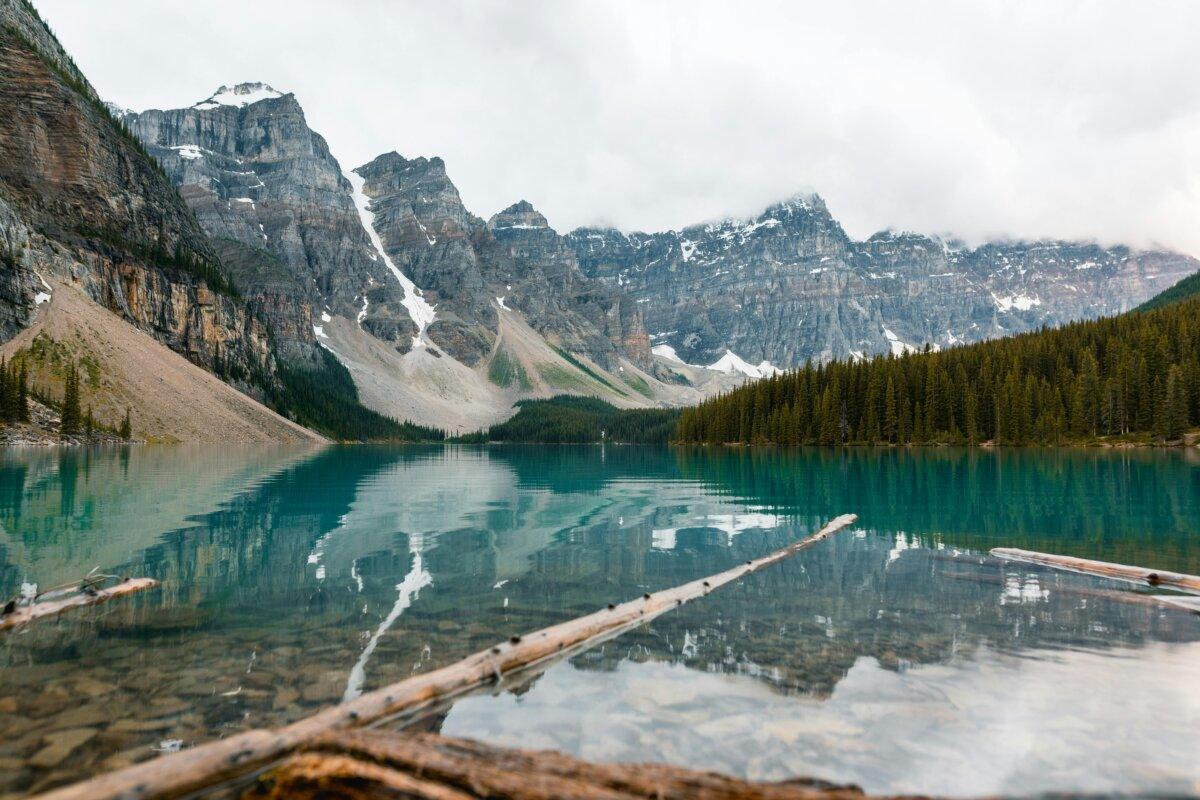
For a first trip, plan at least 5 to 7 days in the Banff–Lake Louise–Jasper area to enjoy scenic roads (Icefields Parkway), some accessible hikes, and natural hot springs.
2. Vancouver and the Pacific coast
Nestled between ocean and mountains, Vancouver offers a rare mix of skyscrapers, urban beaches, bike paths, and giant cedar forests. Milder winter temperatures make it a pleasant gateway year-round.

Extending to Vancouver Island or the Sunshine Coast, you access fishing villages, wild beaches, and opportunities to observe marine wildlife (whales, orcas, sea lions) with guided excursions.
3. Montreal: culture, neighborhoods, and gastronomy
With its distinct neighborhoods (Plateau, Mile-End, Old Port), music and comedy festivals, and very creative culinary scene, Montreal is a city where you quickly feel at home. In summer, terraces and parks fill up late into the evening; in winter, cafes, museums, and covered markets take over.
Allow 3 to 4 days to explore the main neighborhoods, taste poutine, bagels, and microbreweries, and possibly take a day trip outside (Estrie, Laurentians).
4. Quebec City: European charm on the St. Lawrence
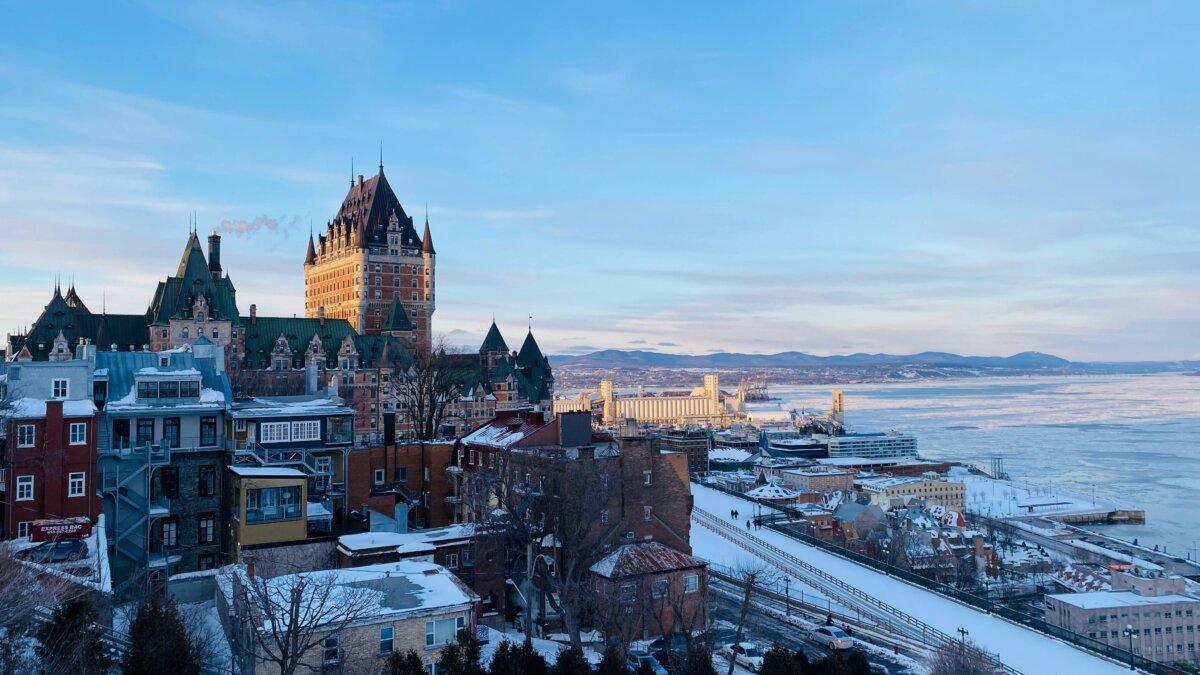
Capital of the Francophone province, Quebec City charms with its fortified historic center listed by UNESCO, its Frontenac castle, riverfront terraces, and cobblestone alleys. In winter, the city hosts one of the largest snow carnivals in the world; in summer, it becomes an excellent starting point to explore Charlevoix, Côte-Nord, or the Saguenay fjord.
5. Toronto, Niagara, and Lake Ontario
The country’s largest city, Toronto is a major air hub and a multicultural metropolis. Its skyline dominated by the CN Tower, cosmopolitan neighborhoods (Kensington Market, Distillery District, Little Italy…), and islands on Lake Ontario easily justify 2 to 3 days of visiting.

About 1.5 hours by car, the Niagara Falls remain a classic, preferably combined with vineyards on the Niagara Peninsula to balance the very touristy main site.
6. Far North, wildlife, and Indigenous cultures
Yukon, Northwest Territories, Nunavut, or northern Quebec and Labrador offer a radically different experience: isolated villages, Inuit culture, Arctic wildlife observation, long winter nights lit by northern lights. These trips require a larger budget and logistics (internal flights, guides, equipment), but leave a lasting impression.
7. Gaspésie, Maritimes, and Atlantic coast
In the East, the Gaspé Peninsula, New Brunswick, and Nova Scotia offer cliffs battered by the Atlantic, lighthouses, fishing villages, and superb coastal roads. It’s an excellent option for a cooler summer trip to Canada than the Mediterranean, often combined with Montreal and Quebec City.
Sample itineraries in Canada (7 to 21 days)
Here are three itinerary frameworks you can adjust according to your pace and budget.
| Duration & region | Main stops | Profile |
|---|---|---|
| 10 days – Classic East | Montreal – Quebec City – Charlevoix – Tadoussac whale excursion | First discovery, focus on culture & gentle nature, without too much driving. |
| 14 days – Rockies & Vancouver | Calgary – Banff – Lake Louise – Jasper – Vancouver | Mountain lovers, easy to moderate hikes, need a car. |
| 15–21 days – East & West mix | Montreal – Toronto & Niagara – domestic flight – Vancouver – Vancouver Island | “Once in a lifetime” trip with higher budget and sustained pace. |
“Over two to three weeks, it’s better to choose a large region (East, West, or North) rather than trying to do everything. Air and road distances are such that each internal flight or long trip must be accepted and integrated into the budget.”
Canada travel advisor specialist
Budget, transport, and practical advice
How much does a trip to Canada cost?
Hard to avoid: Canada is a rather expensive destination. Budget travelers often hover around 90–120 CAD per day combining hostels, camping, home cooking, and buses. “Comfort” stays quickly approach 180–250 CAD per day (hotels, car, simple restaurants, some guided activities) and some high-end trips easily exceed 300 CAD.
| Profile | Budget/day (excluding flight) | Typical accommodations | Examples of expenses |
|---|---|---|---|
| Backpacker | 90–120 CAD | Dorms, simple Airbnb, camping | Groceries + cooking, intercity buses, 1–2 paid activities/week. |
| Comfort | 180–250 CAD | 2–3★ hotels, motels, B&B | Simple restaurants, car rental, regular guided activities. |
| High-end | 300 CAD and up | 4–5★ hotels, lodges, charming cabins | Private excursions, fine dining, frequent domestic flights. |
“With some anticipation, aiming for a budget around 150–200 CAD per day allows you to properly enjoy Canada (decent accommodations, car, some activities) without giving up everything as soon as you want to do an excursion.”
Cross-analysis of several recent budget guides
Local transport
- Car rental: often the most flexible solution, especially in the West and parks. A compact starts around 55–80 CAD/day, an SUV around 90–150 CAD/day depending on the season.
- Buses & trains: decent network in the Quebec–Windsor corridor (Montreal–Ottawa–Toronto) and between major cities, more limited elsewhere. VIA Rail offers some legendary lines (The Canadian, L’Océan), but they are slow and rather expensive.
- Domestic flights: useful to connect East and West or access the North. Local low-cost airlines complement major national carriers.
- Motorhome & campervan: very popular for exploring the West or Quebec, with rental prices having increased a lot in recent years (often 180–300 CAD/day for a family vehicle).
Practical tips for a first stay
- Documents: for most European travelers, an electronic travel authorization (eTA) is required for flights to Canada. Always check the latest immigration and health rules.
- Insurance: medical care is expensive. Travel insurance including repatriation and high medical costs is not a luxury.
- Respect Indigenous territories: many parks, sites, and trails are on First Nations lands. Inform yourself about local protocols (closed zones, supervised activities) and favor experiences managed or co-managed by Indigenous communities.
- Changeable weather: even in summer, bring warm layers and windbreakers, especially in mountains or on the Pacific coast.
- Early bookings: in high season, campgrounds, lodges, and some activities (whale watching, glacier excursions) book several months in advance, especially in the Rockies and around Quebec City.
“What surprises European travelers most is not the bears or the cold, but the size of the country. Always count in hours not kilometers, keep safety margins, and avoid planning more than one long trip per day.”
Canada road trip guide, 2024 edition
Canada travel FAQ
What budget to plan for 2 weeks in Canada?
Excluding flights, count about 1,300–1,700 CAD per person in backpacker mode (camping, buses, some activities), 2,500–3,500 CAD in comfort mode with car rental, and more for a very high-end stay. Exchange rates and season (summer, winter, high or low season) strongly influence these amounts.
Do you need to speak English to travel in Canada?
In the province of Quebec, French is more than enough daily. Elsewhere (Ontario, West, North), English dominates, but tourism staff are used to international travelers. Having some basic English simplifies bookings and practical questions, especially outside major cities.
How long to stay for a first trip to Canada?
Under 10 days, stay in one region (e.g., Montreal–Quebec or Vancouver–Vancouver Island). Between 14 and 21 days, you can consider a big road trip in the West or combine East & West with a domestic flight. Beyond that, the country lends itself well to a long-term stay.
Is it a good idea to travel in winter?
Yes, if you like snow, winter sports, and cozy atmospheres. Winter brings unique experiences (carnivals, northern lights, dog sledding) but requires appropriate gear and good cold tolerance. For a first time, aim for February–March, when days lengthen a bit and activities are fully operational.
Is Canada suitable for families with children?
Overall yes: safety, many nature activities, interactive museums, urban parks, beaches, and lakes. Children adapt well to time differences over two to three weeks. The main caution is the budget (family accommodations, larger car) and travel times adapted to their pace.
Can you travel without a car?
Yes, but with compromises. The Montreal–Quebec duo is very doable by train or bus, and a city trip combining Montreal, Toronto, and Niagara is also feasible by public transport. However, to explore national parks in the West or regions like Gaspésie, car or organized tours remain the most realistic options.
How to handle tipping?
Tips are an important part of remuneration in restaurants and some services. In bars and restaurants with table service, generally aim for 15 to 20% before taxes if service is good. For taxis, rounding up to the next dollar or adding 10% is common.
Are there mosquitoes?
Yes, especially near lakes and wetlands from late May to early September, peaking in June-July. An effective repellent, long clothes in the evening, and if camping, a good mosquito net suffice to limit discomfort. In big cities, the problem is generally limited.
Can you drink tap water?
In the vast majority of cases, tap water is drinkable and controlled, especially in cities. In more remote areas or during hikes, check locally: a filtered bottle or tablets can be useful if you draw directly from lakes or rivers.
How far in advance should you book?
For a trip in July–August in highly demanded regions (Rockies, tourist Quebec), start looking at accommodations and cars 6 to 9 months ahead, especially for national park campgrounds that open reservations early. In low season, 1 to 3 months is often enough, except for special events.