Top destination 2025: Peru – why (and how) to go there this year
TL;DR — Peru ticks all the boxes for 2025: legendary Inca sites, culinary scenes in Lima and Cusco, colorful Andes, Nazca desert, and accessible Amazon. New access rules to Machu Picchu, a brand-new international terminal in Lima, and more immersive experiences make the country a safe and exciting choice. Follow this practical and cultural guide to build a realistic, smart, and sustainable itinerary.
Sommaire
Geography and Location
As large as twice France, Peru unfolds a rare diversity along a single itinerary: the Costa (Pacific coast), the Sierra (the Andes), and the Selva (Amazon). This distribution shapes travel: surfing and ceviche in Lima, high-altitude treks around Cusco, and canoeing in Iquitos in the heart of the Amazon. The climate varies greatly: arid and mild on the coast, mountainous with marked seasons at altitude, humid equatorial in the forest. Key info — Capital: Lima (Callao for the port and airport). Currency: Sol (PEN). Languages: Spanish, Quechua, Aymara (and Amazonian languages). Dialing code: +51. Time zone: PET (UTC−5).
AndesPacificAmazon

History and Heritage
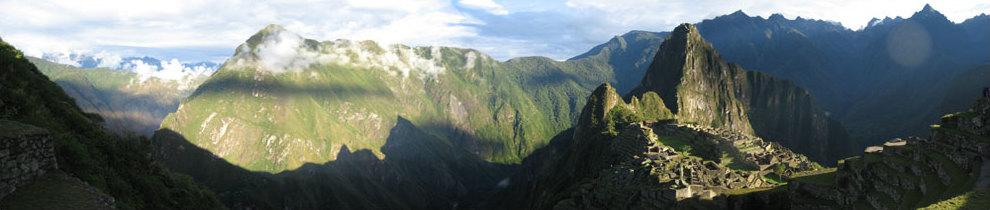
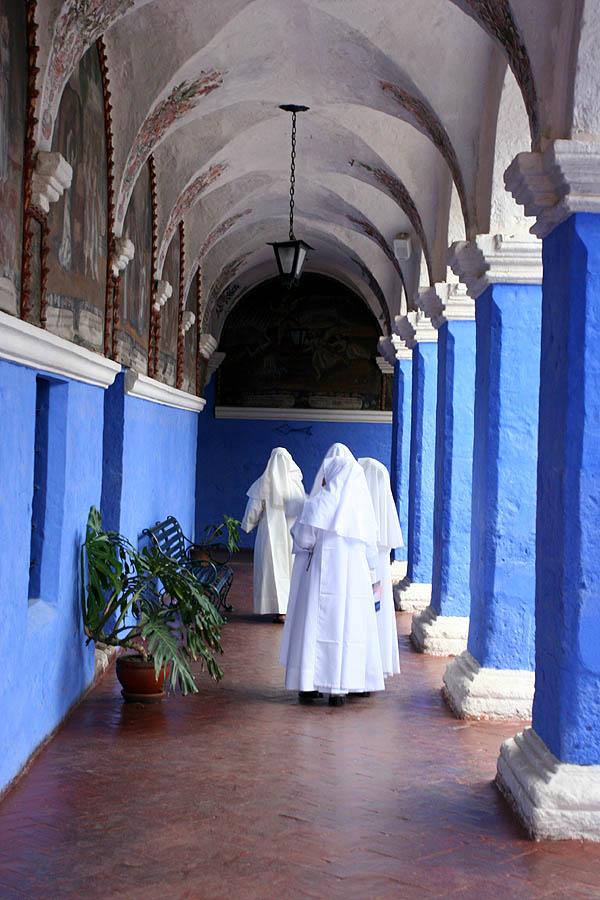
From the Caral kingdom (3000 BC) to the Inca Empire peaking in Cusco, up to the Spanish colonial era (16th–19th centuries), Peruvian history has left a mosaic of sites: Qhapaq Ñan (Andean road network), Chan Chan (Chimú civilization), Chavín, Caral, the Nazca lines, and of course, Machu Picchu, a sacred city reclaimed by the forest until its rediscovery at the beginning of the 20th century. The historic centers of Lima and Arequipa feature balconies, cloisters, and volcanic stones (sillar) in a unique Andean baroque aesthetic.
Anecdote — The Santa Catalina convent in Arequipa is a “city within a city”: 20,000 m² of colorful alleys, workshops, and monastic cells, open to the public only since 1970.
Population and Demographics (INEI 2024)
The Instituto Nacional de Estadística e Informática (INEI) projects the population of Peru to be just over 34.0 million inhabitants in 2024. Urban dynamics focus on the metropolitan area Lima–Callao (≈ 10 million), while the Andean highlands and the Amazon show lower densities.
| Indicator | Value (2024) | Source |
|---|---|---|
| Total population | ≈ 34.0 million | INEI (2024 projection) |
| Capital | Lima (Callao for port/airport) | — |
| Official languages | Spanish, Quechua, Aymara | — |
| Demonym | Peruvian | — |
| Civil status (urban) | Population predominantly urban | INEI |
Note — After the 2023 recession, poverty increased (≈ 29%), with marked contrasts between coastal metropolises and rural Andes. Responsible tourism and local spending can make a difference in Andean and Amazonian communities.
Economy and Employment
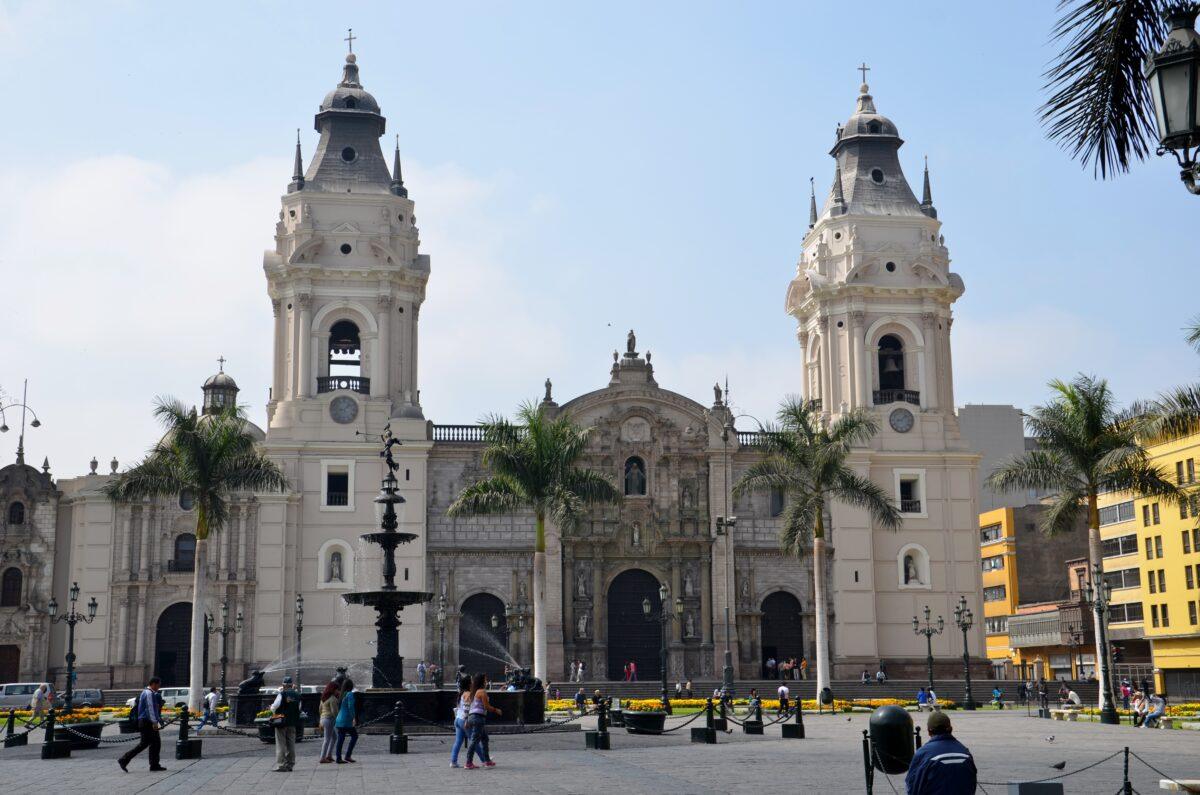
The Peruvian economy is based on a mining foundation (copper, gold), agro-export (avocados, blueberries, coffee, cocoa), fishing (fishmeal), services, and a tourism sector strongly recovering since 2024–2025. Lima concentrates company headquarters, start-ups, and high-level gastronomy (Central, Maido, Kjolle). Supply chains are improving with the port expansion of Callao and the new terminal at Jorge Chávez airport (see “Transport” section).
Tourism and Culture: Top 5 Places to Visit in 2025
1) Machu Picchu and Sacred Valley
Since June 2024, visits are organized by circuits and time slots, with a daily cap adjusted according to the season (high: 5,600 / low: 4,500). Anticipate your ticket on the official platform and choose the circuit aligned with your priorities (panoramas, classic, “realeza”). Combine with Pisac, Ollantaytambo, Maras–Moray and, for hikers, the Inca Trail or Salkantay.
2) The Nazca Lines
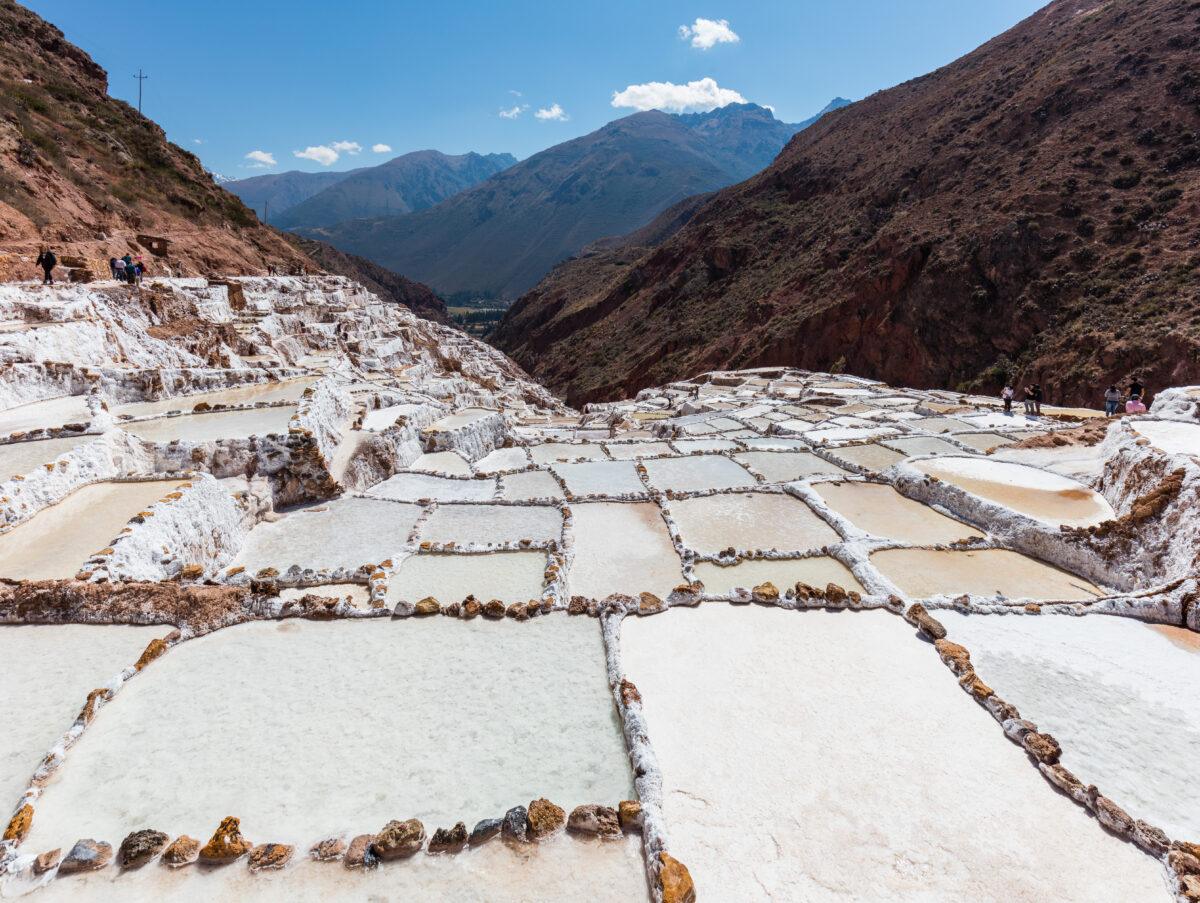
South of Lima, the desert draws giant geoglyphs 2,000 years old — hummingbird, monkey, spider… Flying over in a small plane (departing from Nazca or Pisco) remains the best option. Prefer clear weather, and avoid meals just before the flight.
3) Arequipa and the Colca Canyon
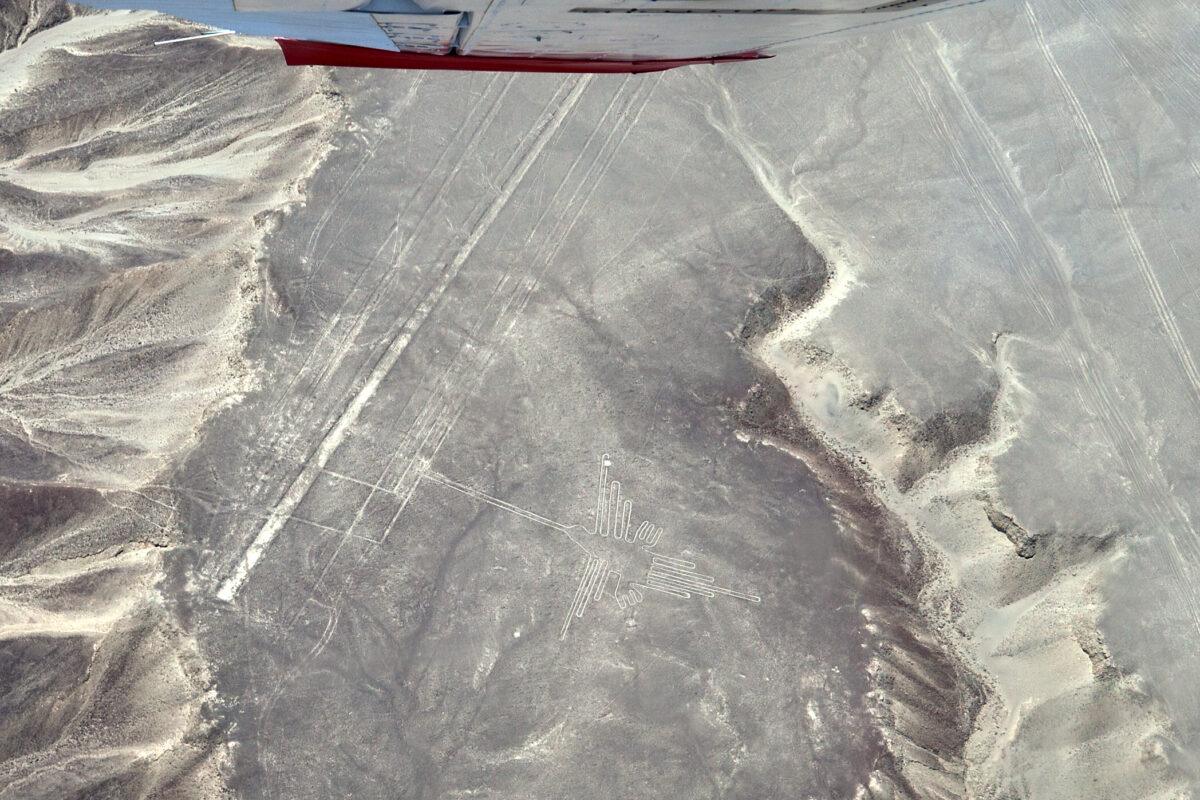
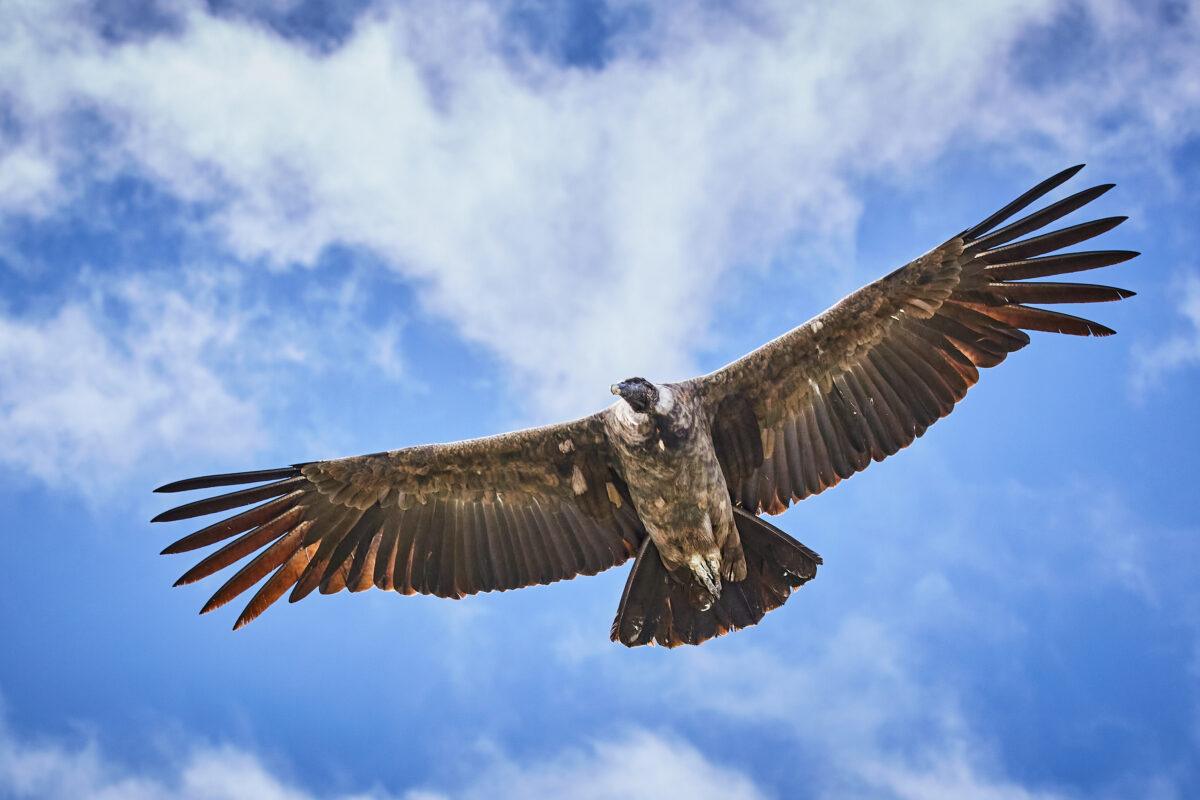
The “White City” charms with its sillar stone facades and colorful convents. Four hours by road, the Colca offers terraced villages and the condor dance. Plan an overnight stay to enjoy the hot springs and the morning light at the Cruz del Cóndor viewpoint.
4) Titicaca and the Uros Islands
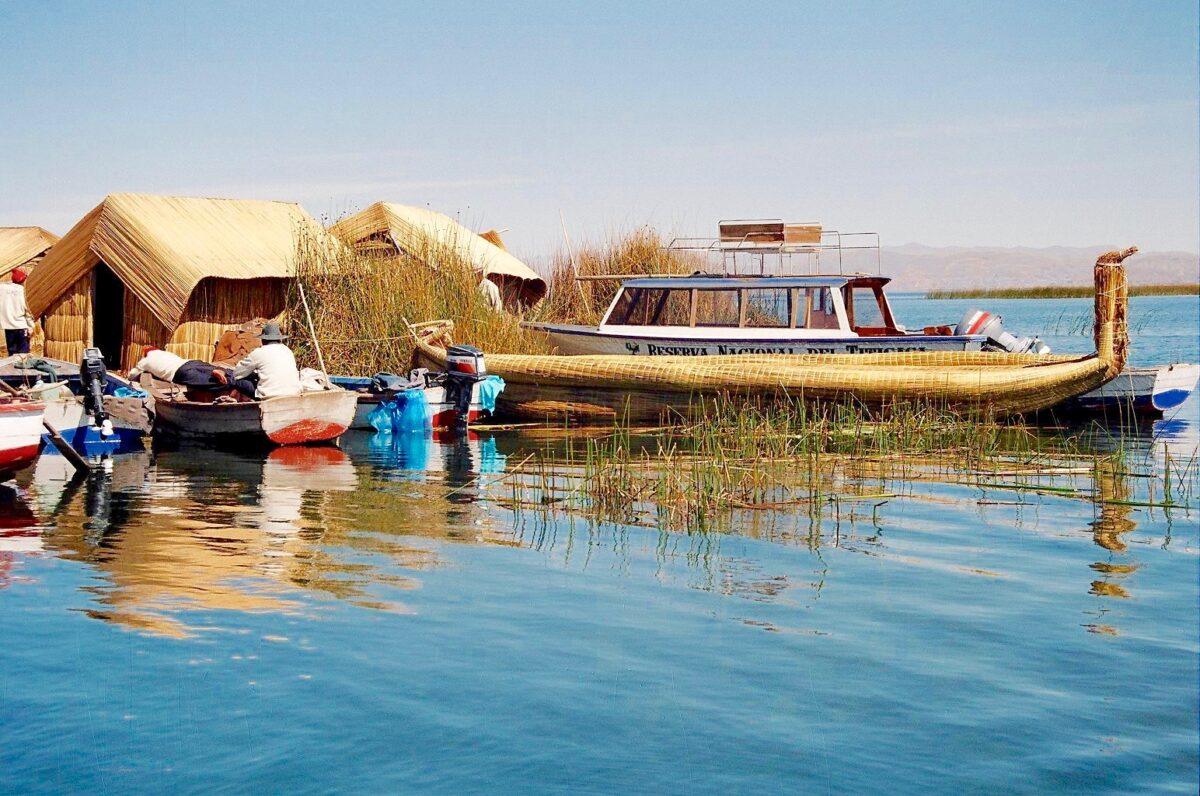
At 3,800 m, the highest navigable lake in the world. The floating islands of the Uros, made of totora reeds, can be visited from Puno; complement with Taquile/Amantaní for more authentic encounters. Remain respectful: purchase local crafts, take photos with consent, limit the duration of your visit.
5) Rainbow Mountain (Vinicunca)
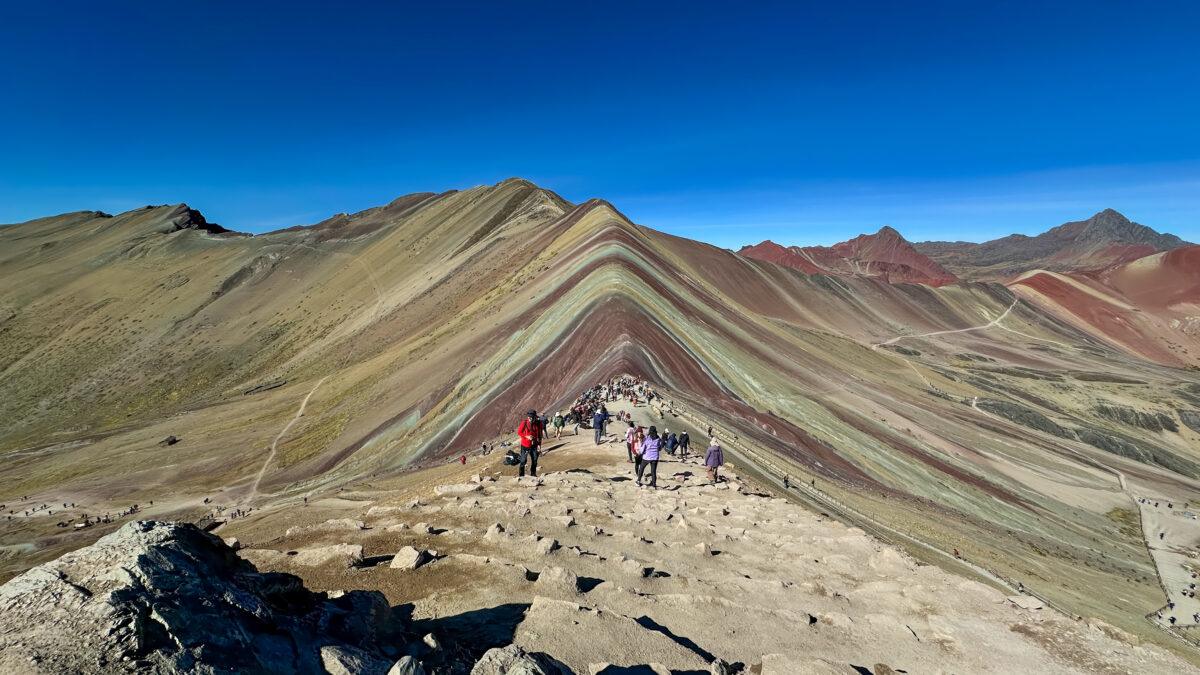
At 5,000 m altitude, Vinicunca reveals its multicolored mineral layers. Departure from Cusco at dawn, mandatory acclimatization (48–72 h in Cusco), and option for “Palcoyo” (less crowded, gentler).
Transport and access (air, rail, road)
Arriving in Peru
Since June 2025, Lima operates in a new international terminal (Jorge Chávez, code LIM), larger and modernized, with a complete switch of airlines. Main road access via Morales Duárez avenue (enhanced signage). Always check your terminal and allow generous approach time, as access is still being optimized.
Getting around
- Train: tourist connections to Machu Picchu (PeruRail, IncaRail) from Cusco/Poroy/Ollantaytambo.
- Long-distance bus: dense and economical network (Costa/Andes), “cama” services recommended for overnight travel.
- Domestic flights: useful for the Amazon (Iquitos/Puerto Maldonado), north (Trujillo/Chiclayo), and south (Arequipa/Julica).
- Urban: Lima combines bus lanes (Metropolitano) and an existing metro line (line 1); sections of line 2 (east–west) are progressively opening.
Safety & formalities advice — Valid passport for 6 months, tourist entry generally visa-free for many countries (check with embassy/foreign ministry). On site, be cautious in large cities: favor reputable taxis/apps, avoid displaying valuables.
Local life: education, sports, festivals
The Peruvian calendar blends Andean heritage and Catholicism: Inti Raymi (Sun Festival) in Cusco in June, Virgen de la Candelaria in Puno in February, processions of the Señor de los Milagros in Lima in October. On the sports side, football and volleyball dominate, but hiking and mountain biking are booming in the Andean valleys. On the plate, 2025 confirms the global aura of Peruvian cuisine: ceviche, lomo saltado, ají de gallina, anticuchos, creative Amazonia — from popular markets to “World’s 50 Best” tables.
Real Estate and Urban Planning (price per m², trends)
The residential market is mixed: stability in Lima’s premium neighborhoods (San Isidro, Miraflores, Barranco), opportunities in emerging districts and some regional capitals (Arequipa, Trujillo, Piura). In 2024, San Isidro was priced around ~2,250–2,300 USD/m² on average, Miraflores in comparable ranges depending on the segment. Overall, the intra-muros Lima range extends roughly from 800 to 3,500 USD/m² depending on location, building age, and amenities (sea view, security, parking).
2025 Trend — Transit-oriented projects (around bus corridors and future stations of metro line 2) will gain value in the medium term. The new international terminal should also boost the attractiveness of the metropolitan west (Callao, access routes).
FAQ – Peru in 10 Answers
What to visit in Peru in 10 days?
Lima (1–2 days), Cusco & Sacred Valley (3–4 days), Machu Picchu (1 day), Arequipa + Colca (2–3 days) or Nazca (1 day). If Amazonia: replace Nazca with Puerto Maldonado (2–3 days).
What is the best season to travel?
Overall, the Andean dry season (May to September) for treks & Machu Picchu. On the coast, mild climate year-round; Amazonia: hot/humid, best visibility from July to September.
How to buy tickets for Machu Picchu?
Exclusively via the official Ministry of Culture platform (Tu Boleto) or on site (Cusco/Aguas Calientes). Choose your circuit/time, as the daily quota is limited (high season 5,600, low 4,500).
Are there altitude precautions?
Yes: acclimatization 48–72 h in Cusco/Arequipa, hydration, gradual efforts. Avoid alcohol the first 24 h; coca tea and medical consultation if symptoms persist.
Average daily budget?
Backpacker: 40–60 €; comfort: 80–120 €; charm: 150–250 €+ (excluding international flights). Trains to Machu Picchu and some activities (Nazca overflight, Amazonia) quickly raise the bill.
Is Peruvian cuisine suitable for vegetarians?
Increasingly yes, especially in Lima and Cusco: mushroom ceviche, quinoa, Amazonian vegetable dishes, nikkei and chifa restaurants with plant-based options.
What is the price of real estate in Lima?
Very variable: ≈ 800 to 3,500 USD/m² depending on the district; San Isidro/Miraflores above 2,000 USD/m² on average (indicative 2024–2025).
How to get from Lima to Cusco?
Flight (1 h 20) — the easiest. By road, count 20–22 h via the Pan-American + Andes (scenic but long).
Which pleasant neighborhoods in Lima to stay in?
Miraflores (ocean walk), Barranco (bohemian/galleries), San Isidro (quiet/upscale). In Cusco: San Blas for charm.
Alternatives to Machu Picchu if tickets are sold out?
Inca sites of Choquequirao (trek), Ollantaytambo, Moray and the Maras salt mines; to the north, Kuélap and the Moche route (Chan Chan, Huacas del Sol y de la Luna).
Sources & useful links
- INEI – Projected population 2024 (~34.0 M)
- Ministry of Culture – TuBoleto (official Machu Picchu tickets)
- Official Machu Picchu site – tours & schedules
- Condé Nast Traveler – Machu Picchu tour guide
- PROMPERÚ – Peru Tourism Office
- Delta – switch to new LIM terminal (June 2025)
- Reuters – Socio-economic context (poverty 2023)
- Mansion Global – San Isidro real estate prices 2024
- Global Property Guide – Peru residential market 2025
- PeruRail – Tickets and new routes (reminder)