
Grenoble, heart of the French Alps, is a city at the crossroads of mountains and research. This concise and sourced text presents the history, geography, recent data, heritage (Bastille, museums, historic districts), practical tourism, economy, and contemporary challenges.
Sommaire
Introduction
Prefecture of the Isère department, Grenoble holds a special place in France: a historic city, a university and scientific hub (laboratories, campuses), and a gateway to the Alpine massifs. Its geographical location in a basin surrounded by mountains offers a spectacular landscape and poses environmental challenges (air quality, water management). The city welcomes students, researchers, families, and tourists, combining heritage and innovation.
Geography and climate
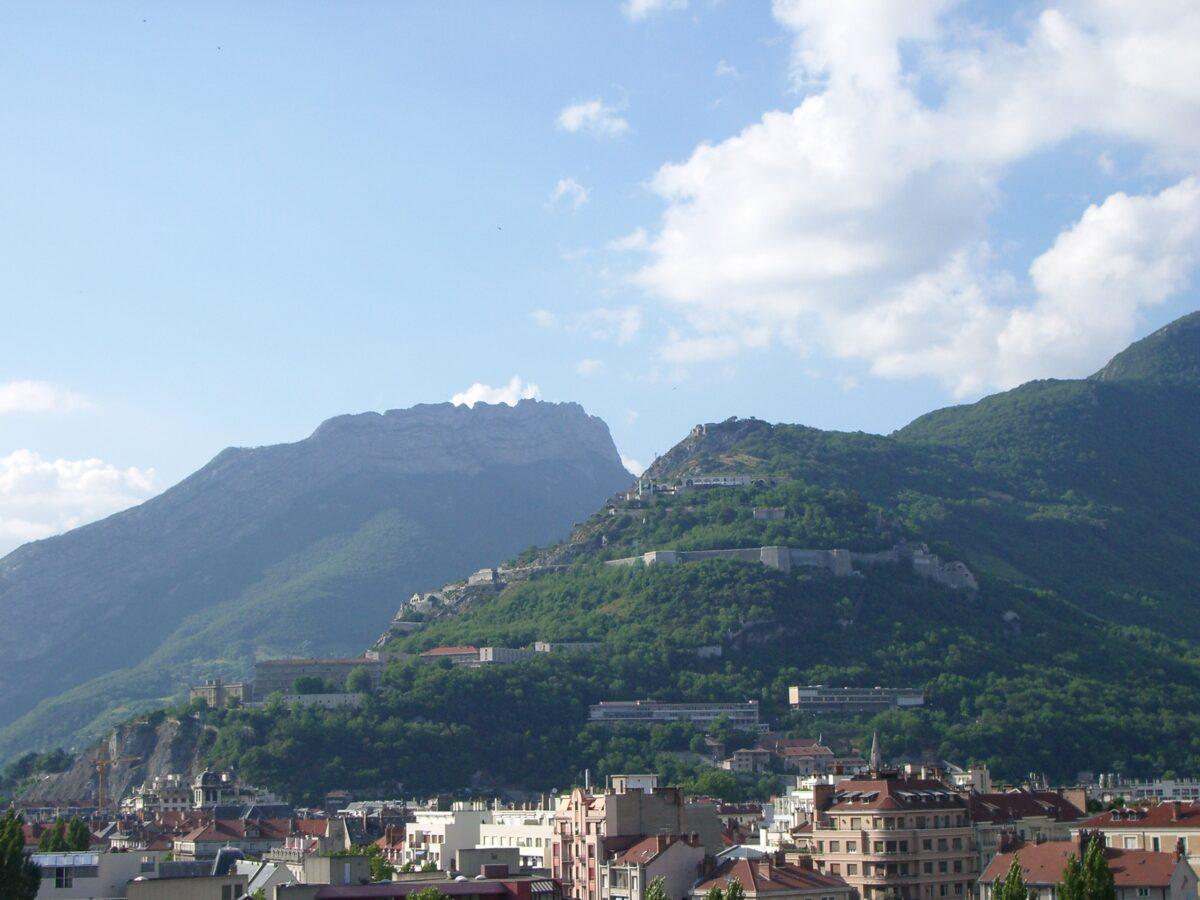
Grenoble is located at the foot of the Vercors and the Chartreuse, approximately at 45.1885° N, 5.7245° E. The city extends over the alluvial plain of the Isère and is characterized by a basin topography that moderates air flows and creates local microclimates.
The climate is transitional between oceanic and continental/mountain influence: cool to cold winters, hot and sometimes stormy summers. These conditions favor mountain activities (skiing, hiking) and influence local policies on air quality and urban planning.

History — milestones and developments
Ancient origins: Grenoble was a Roman vicus (Cularo) then Gratianopolis. In the Middle Ages, the city developed around its bishopric and commerce. Its position on Alpine routes made it a strategic crossroads between Italy, the Dauphiné, and the Rhône valley.
19th and 20th centuries: industrialization (textile, mechanics) and infrastructure growth transformed the city. The development of universities and research centers during the 20th century made Grenoble a national scientific hub.
Demographics — recent figures
The municipal population of Grenoble is about 158,000 inhabitants (INSEE estimate 2021/2022). The metropolitan area gathers several hundred thousand inhabitants, illustrating Grenoble’s regional role as a university, economic, and administrative center.
The city hosts a significant proportion of students, a workforce linked to research and service jobs, and secondary residences or commuter mobility from the Alpine area.
Urban planning and heritage
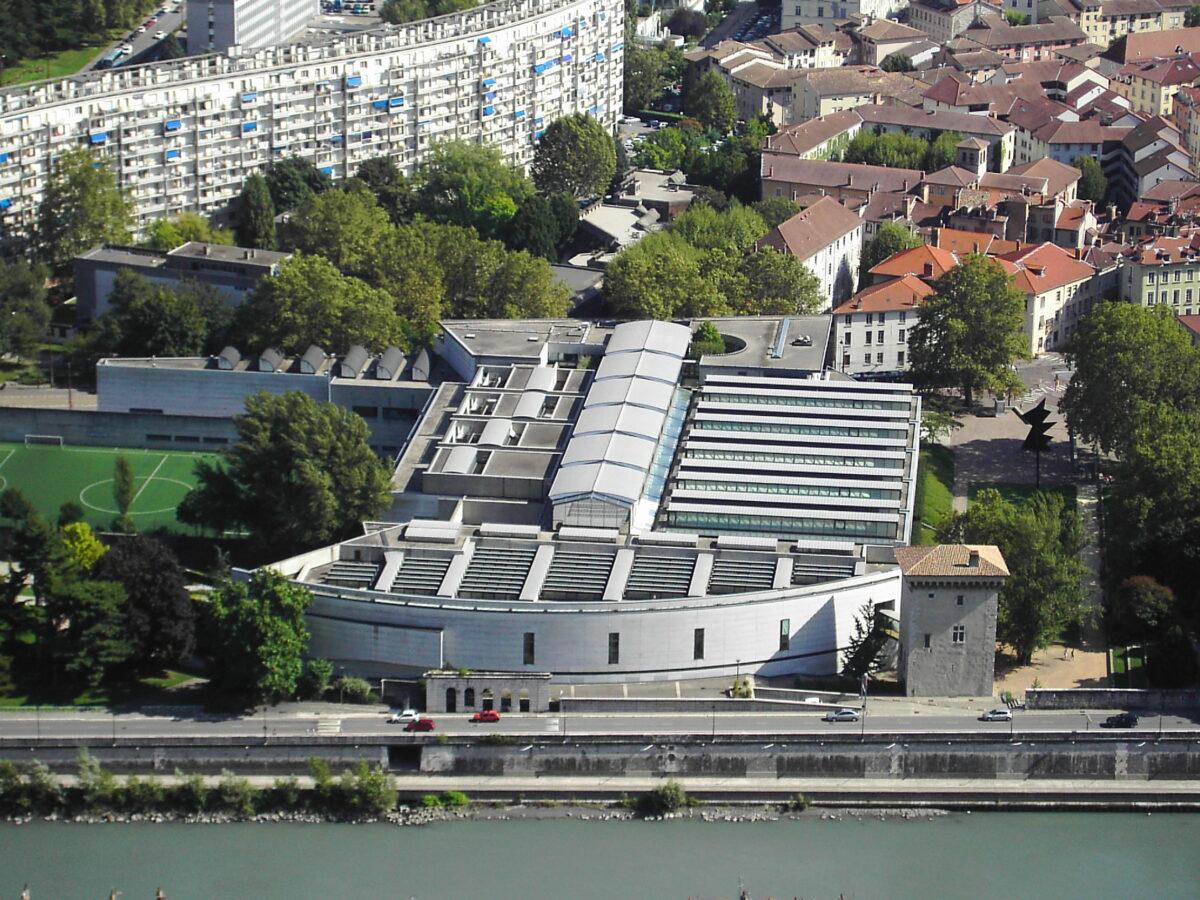
Grenoble offers a rich urban heritage: the Bastille accessible by cable car, the historic center, Place Grenette, Rue de la République, and the Grenoble Museum, renowned for its collections of ancient and modern art. The views of the surrounding massifs are a strong element of the urban landscape.
Economy, research and employment
Grenoble is an important hub for research and innovation (CEA, CNRS, engineering schools, technology clusters). The local ecosystem attracts start-ups and R&D centers, particularly in microelectronics, energy, and computing. The labor market combines public jobs, skilled industry, and services.
Economic challenges include attracting young graduates, rising real estate prices, and balancing economic development with quality of life.
Tourism and recommended itinerary (2–3 days)
Grenoble is easy to visit: cable car to the Bastille, museums, historic center, and excursions to the Vercors or Chartreuse. Recommended itinerary:
- Day 1: Historic center, Place Grenette, Grenoble Museum.
- Day 2: Cable car and Bastille, viewpoints, short hikes.
- Day 3: Excursion to the Vercors/Chartreuse or mountain activities.
Practical advice: favor trams and bicycles in the city; book museum visits in high season; check weather conditions for mountain excursions.
Culture, festivals, and gastronomy
The Grenoble cultural scene is dynamic (festivals, exhibitions, music). The local gastronomy combines Alpine specialties and regional products (cheeses, cured meats, local wines), served in establishments ranging from traditional winstubs to contemporary restaurants.
Mobility, safety, and services
Grenoble has a structured transport network (trams, buses) and offers soft mobility options. Grenoble-Isère airport and the TGV train station connect the city to major French and European cities. Local policies focus on reducing pollution and improving public spaces.
Contemporary issues
The main issues are air quality (basin effect), energy transition, thermal renovation of buildings, and managing land pressure. Grenoble has launched ambitious policies in soft mobility and sustainable urban planning, aiming to reconcile economic development and environmental resilience.
FAQ
What is the best time to visit Grenoble?
Spring and early autumn for a good climate/crowd balance; winter for snow sports.
How to get to Grenoble from Paris?
Direct TGV and TER connections exist; duration varies depending on the train.
Is the Bastille easily accessible?
Yes: cable car, hiking trails, and some vehicle access roads.
Sources and references
- INSEE — territorial data and files on Grenoble (consulted for 2021/2022 figures)
- Wikipedia — entry “Grenoble” (historical summary)
- Wikimedia Commons — image pages (Bastille, Place Grenette, Grenoble Museum)
- Official sites: City of Grenoble, Grenoble Alpes Métropole
- Articles and publications on urban transition and local ecological initiatives
- Local tourist guides and tourist offices