1. Paris: the indispensable capital
At the top of our ranking stands Paris, the City of Light. With its 2,187,526 inhabitants in 2017, it stands out as the most populous commune in France. Its status as the capital gives it a unique place in the country’s territorial organization. Paris attracts millions of visitors from around the world every year, captivated by its historical heritage, vibrant cultural life, and international influence. The city is home to iconic monuments such as the Eiffel Tower, the Louvre, and Notre-Dame, which contribute to its incomparable charm. As the nerve center of France, Paris plays a vital role in the country’s economy, politics, and culture.
2. Marseille: the Mediterranean Phocaean city
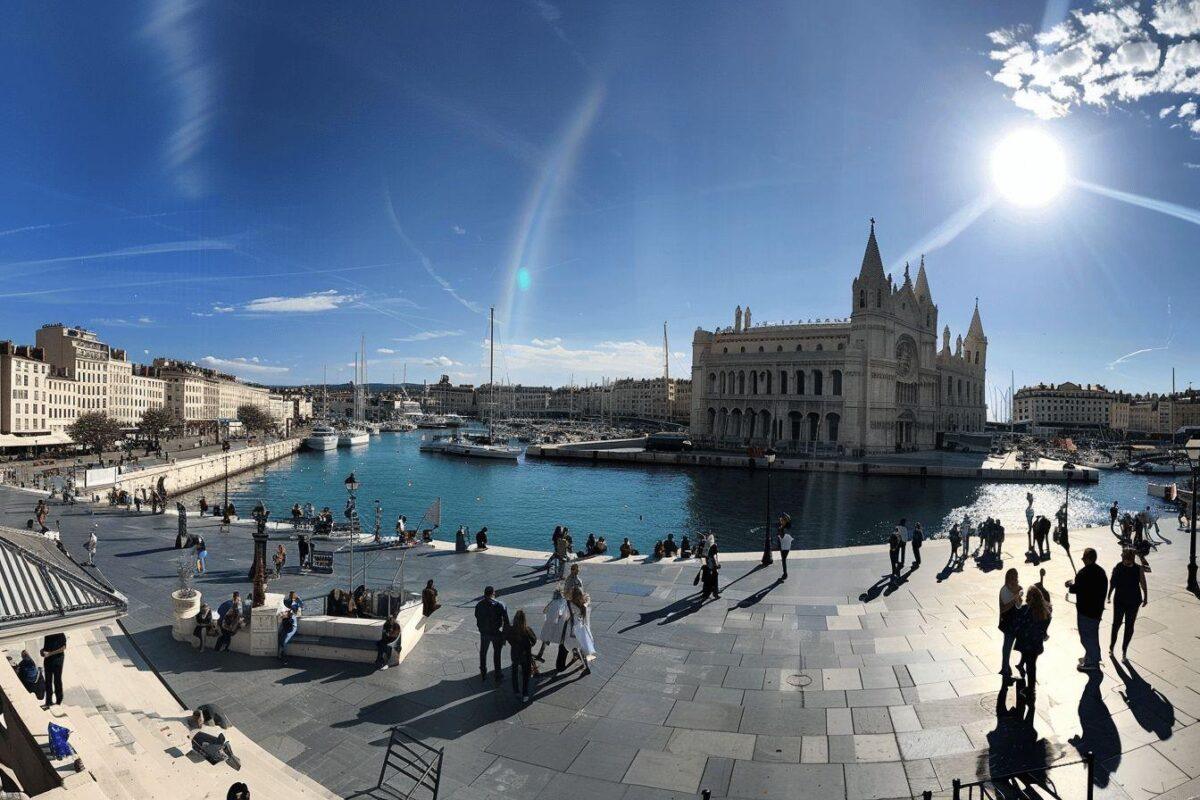
Second city of France, Marseille holds a prominent place in our guide to communes. This Mediterranean city, founded over 2,600 years ago, is renowned for its port, its melodious accent, and its unique culture. Marseille stands out for its cultural diversity, rich historical heritage, and economic dynamism. The Old Port, the Panier district, and the Basilica of Notre-Dame de la Garde are jewels that attract visitors. The city has undergone a major transformation in recent years, notably with the Euroméditerranée project, which revitalized its city center and waterfront. Marseille perfectly embodies the blend of tradition and modernity, offering an attractive living environment between sea and hills.
3. Lyon: the capital of the Gauls
Third on the podium, Lyon asserts itself as a major economic and cultural hub. Nicknamed the “capital of the Gauls,” this city with a rich historical past captivates with its extraordinary architectural heritage, listed as a UNESCO World Heritage site. Lyon is renowned for its gastronomy, its mysterious traboules, and its Festival of Lights which attracts millions of visitors every year. The city also stands out for its economic dynamism, with cutting-edge sectors such as biotechnology and digital technology. Lyon offers a perfect balance between tradition and innovation, making it an attractive commune both for businesses and for residents seeking a high quality of life.
4. Rural communes: the renewal of sparsely populated territories
Surprising but true, sparsely populated communes are experiencing a resurgence in attractiveness. Between 2007 and 2017, these territories recorded an average annual demographic growth of 0.6%, surpassing that of urban areas. This phenomenon reflects a return to green for many French people, seeking a more peaceful living environment and a privileged contact with nature. Rural communes, which represented 29% of the population over 59% of the territory in 2017, benefit from this renewed interest. This trend is reinforced by the development of teleworking and the improvement of digital infrastructures, allowing workers to settle far from large urban centers while keeping their jobs.
| Type of commune | Share of the population | Share of the territory |
|---|---|---|
| Sparsely populated communes | 29% | 59% |
| Densely populated communes | 71% | 41% |
5. Intercommunalities: the strength of grouping
Intermunicipalities play an increasing role in the French territorial landscape. These structures, such as communities of communes and agglomeration communities, allow municipalities to pool their resources and skills. This cooperation promotes the implementation of ambitious projects and the optimization of public services. Intermunicipalities have become essential players in local development, intervening in areas as varied as land use planning, economic development, and waste management. This governance model allows small municipalities to benefit from expertise and resources they could not have alone, while preserving their identity and autonomy.
6. Mayors: the pillars of local democracy
At the heart of communal life, mayors embody proximity and citizen engagement. Elected for a 6-year term, they are the true conductors of local life. Their responsibilities are multiple:
- Management of the municipal budget
- Employer of municipal staff
- Proximity competencies (schools, urban planning, social action, roads)
- Representation of the State in the municipality
The role of the mayor is essential to maintain social ties and ensure the proper functioning of local public services. These local elected officials are often seen as the privileged interlocutors of citizens, attentive to their daily concerns. Their commitment and deep knowledge of the field make them key actors in participatory democracy.
7. France Ruralities Revitalization: a new breath for the countryside
Starting from July 2024, the “France Ruralities Revitalization” scheme will concern 17,700 French municipalities. This government initiative aims to revitalize rural territories by replacing the former rural revitalization zones. The objective is to strengthen the attractiveness of these areas by offering tax and social advantages to companies that settle there. This ambitious program reflects the desire to rebalance territorial development and combat rural depopulation. It is part of a broader approach to revitalizing small towns and villages, encouraging the settlement of new inhabitants and the maintenance of essential services. This policy could well redraw the demographic map of France in the coming years.
Future prospects for French municipalities
The future of French municipalities promises to be rich in challenges and opportunities. Faced with the issues of ecological transition, digital revolution, and societal changes, the cities and villages of the Hexagon will have to show adaptability and innovation. The trend towards returning to less dense areas could be confirmed, effectively revitalizing many rural territories. At the same time, large metropolises will have to rethink their development model to remain attractive while meeting sustainability requirements. French municipalities, in their diversity, will continue to play a central role in the daily lives of citizens, embodying proximity and social ties so dear to our culture. As a journalist passionate about societal evolutions, I cannot help but be fascinated by these transformations that shape the face of tomorrow’s France.