Troubling testimonies: what the soldiers of Verdun really said
Dive into the intense accounts of the fighters of Verdun in 1916: raw words, raw emotion, analysis of confidences to understand the hell of the trenches.
💥 Battle of attrition: Verdun lasted 303 days, an alternation of intense bombardments and stifling silence, where the rotation of men was no longer enough to stem exhaustion.
🕰️ Trench accounts: clandestine notes and personal notebooks reveal constant fear, disillusionment with orders, and the quest for an escape in improvised songs.
🎖️ Unexpected solidarity: despite the violence, passages describe sharing a pipe, giving a pack of cigarettes, or helping to dig a shelter, signs of humanity in the abyss.
📜 Fragmented memory: these testimonies, often published after the war, suffer from shadows (military censorship, self-censorship of the fighter) but testify to an enlightening individual experience.
The context of the battle
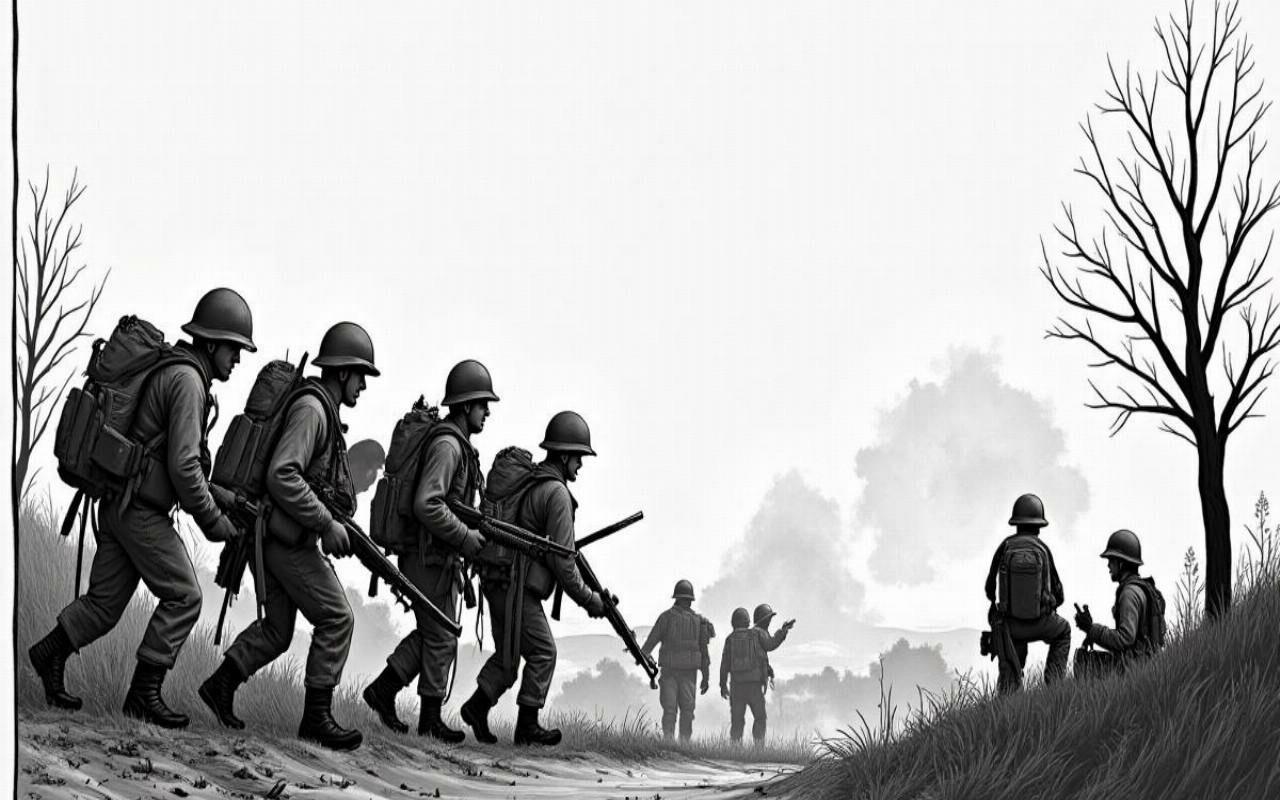
At the heart of the Western Front, Verdun took the form of a strategic quagmire. The German high command chose to “bleed white” the French army by targeting this city full of symbols. The forts, although of an older generation, were relentlessly shelled, forcing the artillerymen to desert their positions. Little by little, the artillery dominated the landscape, transforming plains and valleys into a network of muddy craters where exploded cables and debris from casemates mingled.
The climate also played a role. Harsh winters alternated with waterlogged springs. The angels of rain infiltrated every gallery, making humidity omnipresent. The mud, sometimes several tens of centimeters thick, trapped uniforms and equipment, making even the smallest gesture an additional struggle. It was in this hostile setting that a war of positions unfolded, a carnage against attrition rather than a decisive maneuver.
Living conditions in the trenches
When you read a testimony, you are struck by the precision of the sensations: the incessant snapping of shrapnel, the acidic taste of fear burning the throat, and the oppressive presence of rats, larger than a man’s hand. The improvised shelters, dug out with pickaxes, sometimes resembled real coffins made of earth. The rations, reduced to a quarter of the normal ration, often plunged many into a state of exhaustion, not to mention dysentery or frostbite. These raw words, transcribed in notebooks, leave no room for compromise with reality.
Yet, some recount more trivial anecdotes: a comrade’s victory in the duty lottery, the sound of rain on tents repaired due to a shortage of boards, or the heady smell of onion soup served in dented mess tins. Every detail, however trivial, becomes a symbol of life in the face of the overwhelming presence of death.
Authentic voices: soldiers’ accounts
Fear and disillusionment
« I was convinced I would leave tomorrow for a quieter trench, after a few days… But the shells followed us like a swarm of bees. I never thought one could die of fear so many times in the same day. »
The repetition of the word « fear » clings to every line. The men testify to a constant feeling of déjà-vu, where moving from one shell-pocked line to another brought only new explosions. This disillusionment, almost ritualistic, seeps into their writing: they confide how the bravery of the higher command eventually rings hollow when terror grips your guts.
Moments of humanity
Amid the hell, a few lines recount an improvised meal offered to a wounded man, the sharing of a rare piece of chocolate, or the creation of a letter-reading duty. One writes: « We get out of bed in groups of four to improvise a theater in the mud; we perform scenes from Les Misérables on two worm-eaten boards. » These parentheses of brotherhood reveal an inner resistance: a fleeting but essential refusal to let adversity crush every spark of life.
Clandestine distribution of postcards
Improvised singing during vigils
Exchange of cigarettes and rations
Analysis of the testimonies
Historical value
Historians consider these sources invaluable, but they come with filters. Military censorship limited passages likely to undermine the morale of the rear. Some accounts were edited or compiled by post-war publishers seeking to build a national myth. Yet, the spontaneous expression of a soldier, even stripped of tactical details, remains a direct testimony of sensory and emotional experience.
Psychological weight
Several testimonies describe symptoms that would today be called post-traumatic stress: repeated nightmares, withdrawal, panic attacks at the mere sound of a gunshot. A corporal notes in his notebook: « I lift my head, I still fear seeing a flash in the sky, even here, at the rear. » This lingering horror proves that the war has not stopped screaming when the front moves away.
Table of Remarkable Accounts
Name (Rank)
Main Theme
Significant Excerpt
Dupont (Private Second Class)
Surprise Effects
« A sudden flash, then the hole… I no longer felt my legs. »
Leclerc (Non-Commissioned Officer)
Mutual Aid
« We carried Debray on our shoulders to the aid station. »
Martin (Corporal)
Song and Morale
« We started humming ‘La Marseillaise’ to ward off fear. »
Contemporary Resonances
When reading these accounts a century later, one realizes how the combatant’s experience transcends time. The concepts of mental health, camaraderie in the face of adversity, and psychological resilience still serve military crews and even rescuers today, who rely on these accounts to prepare men to face violence.
The icing on the historical cake, oral and written transmission has helped supply museums and memorials. War schools now incorporate these raw writings to build modules on troop morale, highlighting the strength of testimony when it comes from the front line.
FAQ
Why does Verdun inspire so many testimonies?
The uninterrupted duration of the fighting and the intensity of the bombardments pushed soldiers to record their impressions to maintain a connection with the rear and to exorcise their terror.
Are the accounts reliable?
Each text bears the mark of an individual perspective, subject to censorship or troubled memory. However, cross-referenced with each other and with official reports, they offer a nuanced and valuable vision.
How were these testimonies preserved?
Many trench diaries were recovered after the war, deposited in military archives or passed down within families. Others were published in soldiers’ magazines as early as 1917.
{ “@context”: “https://schema.org”, “@type”: “Article”, “headline”: “Disturbing Testimonies: What Verdun Soldiers Really Said”, “description”: “Exploration of the intense accounts of Verdun combatants in 1916, with quotes, psychological analyses, and impacts on contemporary memory.”, “keywords”: [“Verdun”, “soldiers”, “testimonies”, “trenches”, “history”], “mainEntity”: { “@type”: “FAQPage”, “mainEntity”: [ { “@type”: “Question”, “name”: “Why does Verdun inspire so many testimonies?”, “acceptedAnswer”: { “@type”: “Answer”, “text”: “The uninterrupted duration of the fighting and the intensity of the bombardments pushed soldiers to record their impressions to maintain a connection with the rear and to exorcise their terror.” } }, { “@type”: “Question”, “name”: “Are the accounts reliable?”, “acceptedAnswer”: { “@type”: “Answer”, “text”: “Each text bears the mark of an individual perspective, subject to censorship or troubled memory. However, cross-referenced with each other and with official reports, they offer a nuanced and valuable vision.” } }, { “@type”: “Question”, “name”: “How were these testimonies preserved?”, “acceptedAnswer”: { “@type”: “Answer”, “text”: “Many trench diaries were recovered after the war, deposited in military archives or passed down within families. Others were published in soldiers’ magazines as early as 1917.” } } ] } }