In brief
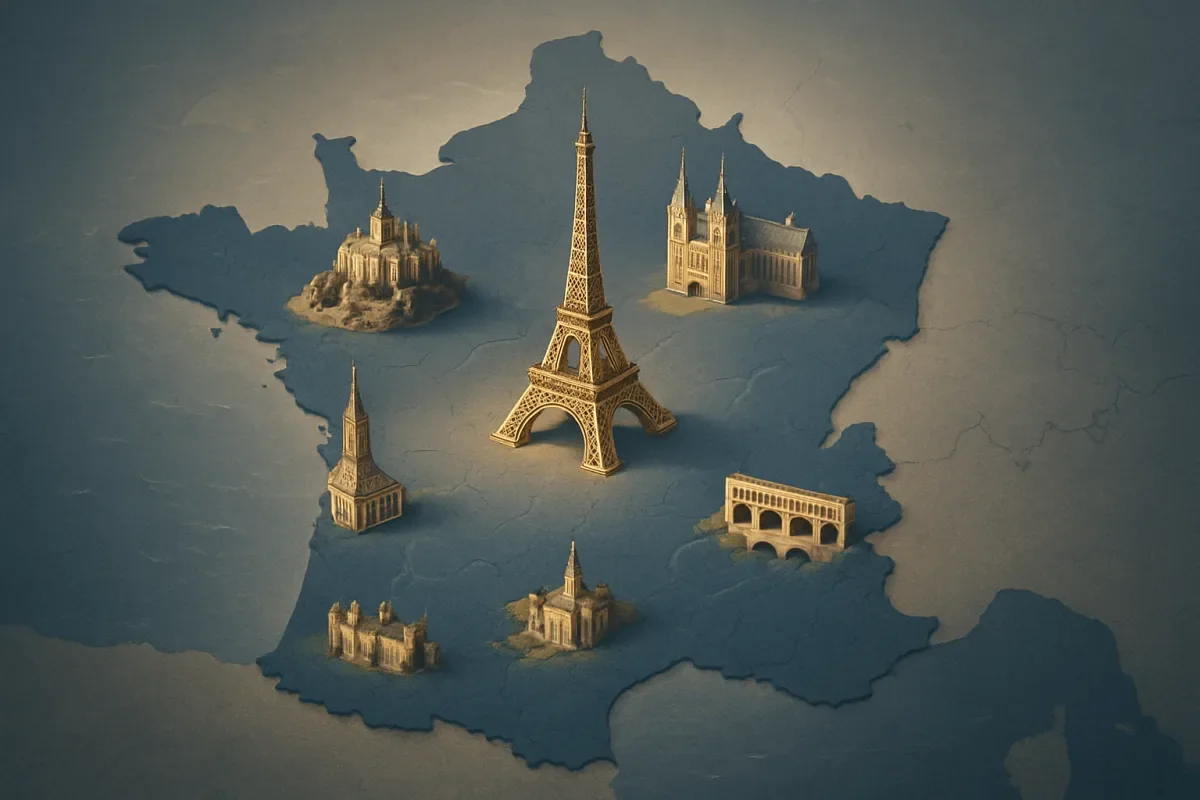
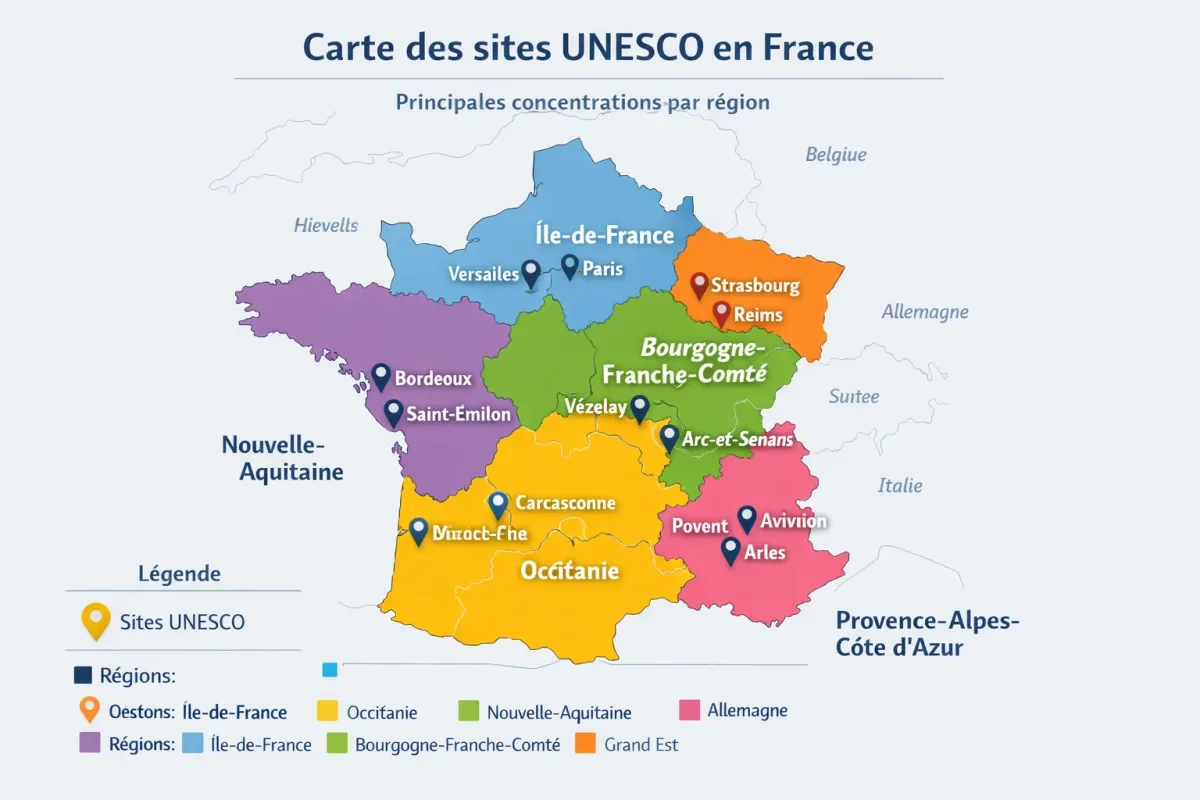
📍 An interactive UNESCO France map is especially useful to spot at a glance the major concentrations: Île-de-France, Occitanie, Nouvelle-Aquitaine, Bourgogne-Franche-Comté, and Provence-Alpes-Côte d’Azur.
🧭 UNESCO properties are not all monuments: there are cultural properties, natural properties, and mixed properties, sometimes involving multiple regions or countries.
🎯 To visit smartly, it is better to cross-reference region, year of inscription, site type, and visit duration rather than follow alphabetical order.
How to read the interactive UNESCO France map?
Proper reading of a UNESCO map relies on four markers: the type of property, the region, the geographical scope, and the protection status. A World Heritage site can be an isolated monument, a historic center, a cultural landscape, or a natural site; the map becomes useful when it allows filtering these categories without mixing tourism, national listing, and UNESCO inscription.
- Start with the region: it is the most useful filter if you are planning a weekend, a train trip, or a road trip.
- Check the type of property: cultural for cathedrals, cities, and built landscapes; natural for large ecological or geological ensembles; mixed when both dimensions are recognized.
- Open the site sheet: it should indicate the access city, the UNESCO perimeter, the elements to see, and, if possible, a buffer zone.
- Build an itinerary: it is more efficient to assemble several nearby sites than a route too spread out on the map.
| Filter | What it helps to understand | Practical use |
|---|---|---|
| Region | The geographic concentration of the sites | Prepare a short trip or a multi-day itinerary |
| Type of site | Cultural, natural, or mixed | Adapt the visit to your desires: city, landscape, hiking, built heritage |
| Date of inscription | The age of the UNESCO recognition | Identify the major classics and recent inscriptions |
| Scope | Local, multi-regional, or transnational | Understand why some sites are spread across several territories |
What are the types of UNESCO sites in France?
In France, UNESCO recognizes three main categories of sites: cultural sites, natural sites, and mixed sites. The distinction is important for reading the map: a historic center, a cathedral, or a system of fortifications are not visited like a volcanic massif or a lagoon. The concept of a buffer zone finally adds a protection perimeter around the main site.
| Type of site | Simple definition | Example in France |
|---|---|---|
| Cultural site | Monument, city, architectural ensemble, landscape shaped by humans | Versailles, Chartres, Bordeaux, Albi |
| Natural site | Site recognized for its geological, ecological, or scenic value | La Réunion, the Chaîne des Puys, Mont Pelée |
| Mixed site | Combination of cultural and natural value | Pyrénées – Mont Perdu |
Not to be confused: UNESCO is not just a simple tourist label. World Heritage inscription follows an international expertise and highlights an exceptional universal value. Conversely, a historic monument is under French protection, while an attractiveness label mainly serves to promote a territory.
Interactive UNESCO France map: where are the sites concentrated?
The map shows a high density in a few very clear areas: Île-de-France, Occitanie, Nouvelle-Aquitaine, Bourgogne-Franche-Comté, Provence-Alpes-Côte d’Azur, and Grand Est. This concentration is explained by the urban, religious, and royal history of the country, but also by the presence of cultural landscapes and large natural ensembles in the overseas territories.
| Region or territory | Landmark sites on the map | Useful geographical reading |
|---|---|---|
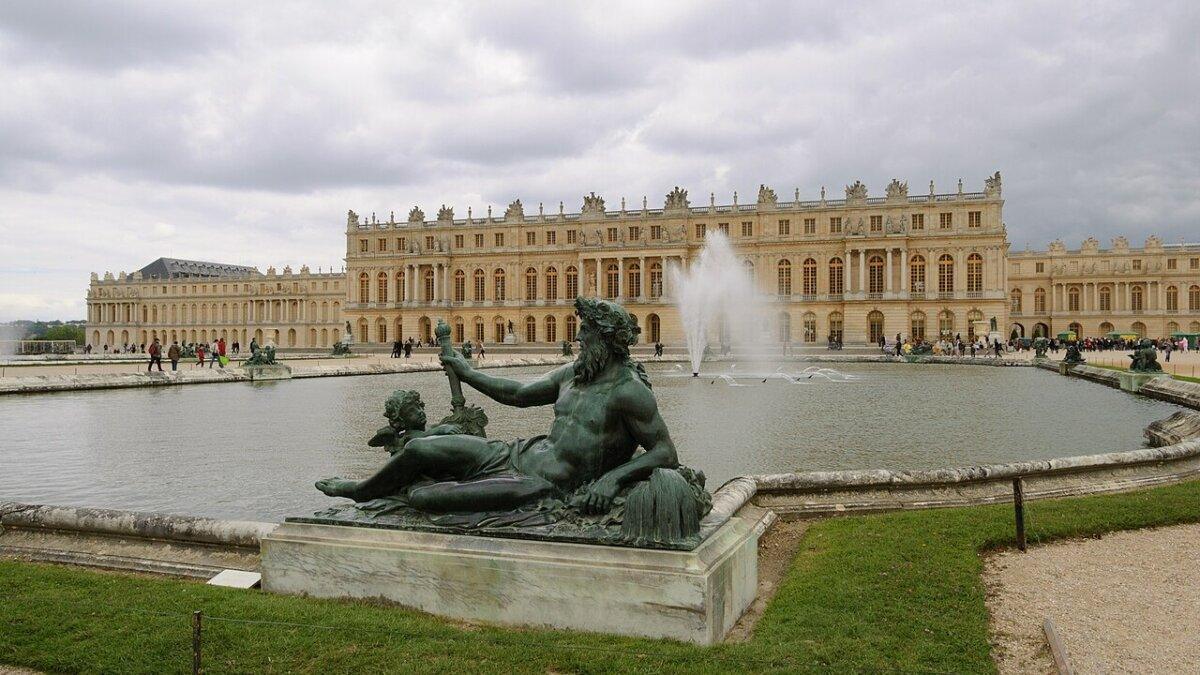
| Île-de-France | Versailles, Fontainebleau, Paris, Provins | A very dense heritage core, ideal for train visits |
| Centre-Val de Loire | Chartres, Bourges, Loire Valley | Monumental and scenic corridor easy to combine over 2 to 3 days |
| Bourgogne-Franche-Comté | Vézelay, Fontenay, Arc-et-Senans, Burgundy climates | Very clear region for a heritage + vineyard itinerary |
| Occitanie | Pont du Gard, Avignon, Carcassonne, Albi, Canal du Midi | The highest density of sites between Roman city, landscape, and fortifications |
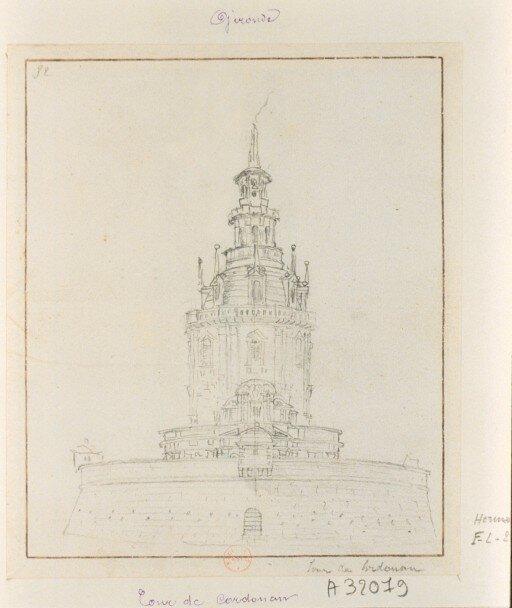
| Nouvelle-Aquitaine | Vézère, Saint-Émilion, Bordeaux, Saint-Savin, Cordouan | Very good ground to mix prehistory, wine, Atlantic coast, and lighthouse |
| Provence-Alpes-Côte d’Azur | Arles, Orange, Avignon, Nice | Exceptional concentration of ancient, medieval, and seaside heritage |
| Grand Est | Strasbourg, Reims, Nancy, belfries | Ideal reading for an urban circuit focused on major historic cities |
| Normandy | Mont-Saint-Michel, Le Havre | Two very different logics: pilgrimage and modern reconstruction |
| Auvergne-Rhône-Alpes | Lyon, Chaîne des Puys, Vichy, Chauvet, Le Corbusier | A key region for urban, thermal, modern, and volcanic heritage |
| Overseas | Réunion, Martinique, New Caledonia, French Polynesia | Natural landscapes largely dominate, with a strong ecological value |
Complete list of UNESCO sites in France
The list below includes properties located in metropolitan France and overseas, as well as transnational properties with a French component. To read the map correctly, keep in mind that the same site may cover several municipalities, several regions, or even several countries.
Cultural Properties
| UNESCO Site | Region / Territory | Year | Useful Landmark |
|---|---|---|---|
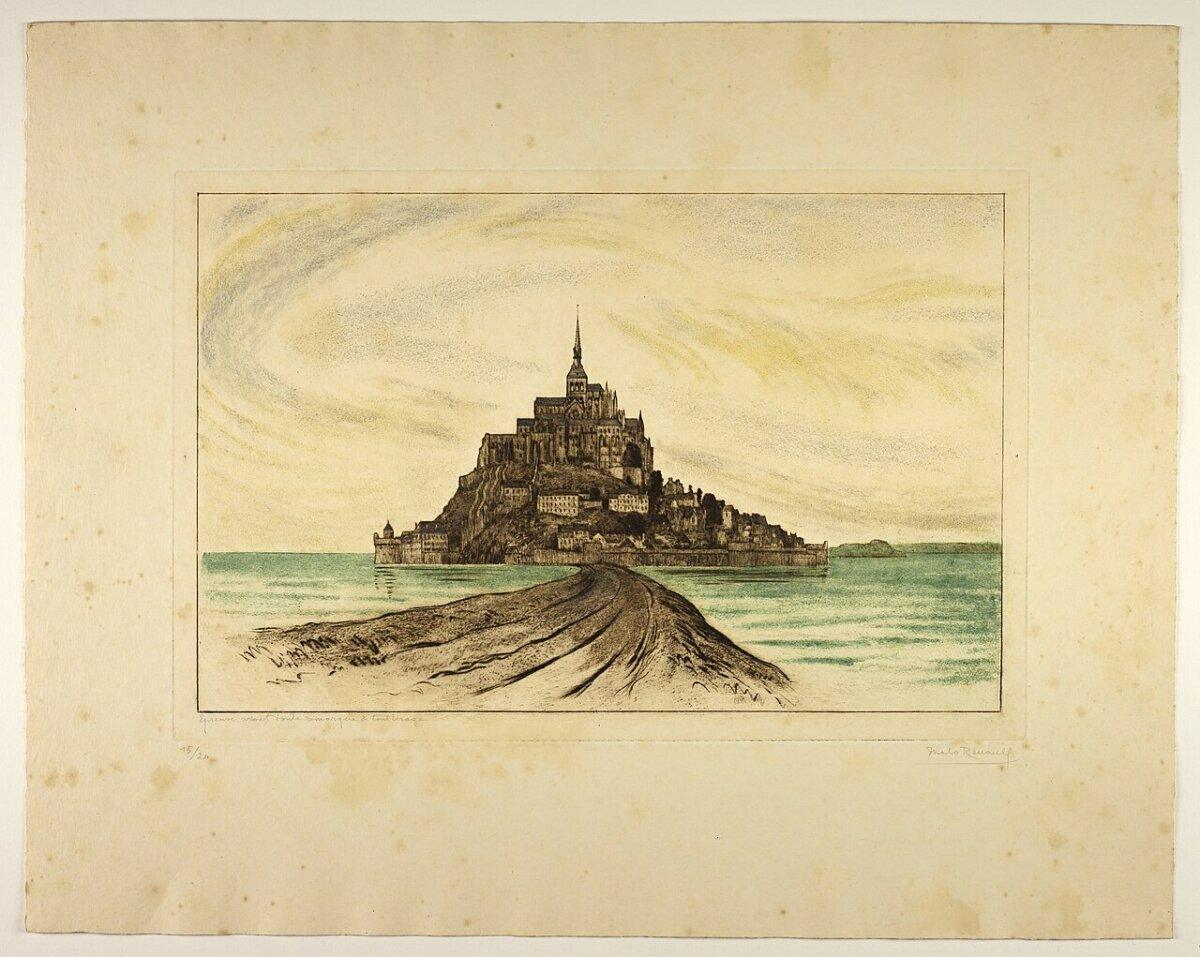
| Mont-Saint-Michel and its Bay | Normandy | 1979 | Abbey, bay and tides among the most spectacular in Europe |
| Chartres Cathedral | Centre-Val de Loire | 1979 | Major reference of French Gothic |
| Palace and Park of Versailles | Île-de-France | 1979 | Royal palace and gardens of world reference |
| Basilica and Hill of Vézelay | Bourgogne-Franche-Comté | 1979 | Major pilgrimage site |
| Prehistoric Sites and Decorated Caves of the Vézère Valley | Nouvelle-Aquitaine | 1979 | One of the largest prehistoric ensembles in Europe |
| Amiens Cathedral | Hauts-de-France | 1981 | The largest French Gothic cathedral |
| Roman and Romanesque Monuments of Arles | Provence-Alpes-Côte d’Azur | 1981 | Amphitheater, theater and Romanesque churches |
| Cistercian Abbey of Fontenay | Bourgogne-Franche-Comté | 1981 | One of the best-preserved monastic ensembles |
| Palace and Park of Fontainebleau | Île-de-France | 1981 | Royal and imperial residence |
| Ancient Theater and Surroundings and Triumphal Arch of Orange | Provence-Alpes-Côte d’Azur | 1981 | Reference of Roman architecture in France |
| Royal Saltworks of Arc-et-Senans and Great Saltworks of Salins-les-Bains | Bourgogne-Franche-Comté | 1982 | Industrial and salt heritage |
| Abbey of Saint-Savin sur Gartempe | Nouvelle-Aquitaine | 1983 | Exceptional Romanesque frescoes |
| Pont du Gard | Occitanie | 1985 | Emblematic Roman aqueduct |
| Grande Île of Strasbourg | Grand Est | 1988 | Historic center with strong urban coherence |
| Paris, Banks of the Seine | Île-de-France | 1991 | Heritage promenade in the heart of the capital |
| Notre-Dame Cathedral, former Saint-Rémi Abbey and Tau Palace, Reims | Grand Est | 1991 | Ensemble linked to royal coronations |
| Bourges Cathedral | Centre-Val de Loire | 1992 | Rayonnant Gothic and remarkable stained glass |
| Historic Center of Avignon: Papal Palace, Episcopal Ensemble and Avignon Bridge | Provence-Alpes-Côte d’Azur | 1995 | Major pontifical ensemble |
| Canal du Midi | Occitanie | 1996 | Masterpiece of river engineering |
| Fortified City of Carcassonne | Occitanie | 1997 | Double medieval enclosure, highly visited |
| Historic Center of Lyon | Auvergne-Rhône-Alpes | 1998 | Old Lyon, Presqu’île and Fourvière Hill |
| Ways of Saint James of Compostela in France | France multi-regions | 1998 | Properties spread over several pilgrimage routes |
| Belfries of Belgium and France | Hauts-de-France, Grand Est and other regions | 1999 | Serial property including several French belfries |
| Jurisdiction of Saint-Émilion | Nouvelle-Aquitaine | 1999 | Historic wine-growing landscape |
| Loire Valley between Sully-sur-Loire and Chalonnes | Centre-Val de Loire / Pays de la Loire | 2000 | Major cultural landscape |
| Provins, Medieval Fair Town | Île-de-France | 2001 | Preserved medieval merchant town |
| Le Havre, the City Rebuilt by Auguste Perret | Normandy | 2005 | Reference for post-war urban planning |
| Bordeaux, Port of the Moon | Nouvelle-Aquitaine | 2007 | Coherent urban and port ensemble |
| Vauban Fortifications | France multi-regions | 2008 | Serial property grouping several strongholds |
| Episcopal City of Albi | Occitanie | 2010 | Monumental ensemble in red brick |
| Causses and Cévennes, Mediterranean Agro-Pastoral Cultural Landscape | Occitanie / Auvergne-Rhône-Alpes | 2011 | Large landscape of extensive livestock farming |
| Climats of the Burgundy Vineyard | Bourgogne-Franche-Comté | 2015 | Viticultural parceling inscribed on the World Heritage List |
| Architectural Work of Le Corbusier, an Outstanding Contribution to the Modern Movement | France multi-regions | 2016 | Transnational property with several French works |
| Great Spa Towns of Europe | Auvergne-Rhône-Alpes (Vichy) | 2021 | Transnational property with a French component |
| Nice, Winter Resort Town of the Riviera | Provence-Alpes-Côte d’Azur | 2021 | Seaside and urban heritage |
| Cordouan Lighthouse | Nouvelle-Aquitaine | 2021 | The first French lighthouse classified by UNESCO |
| Sites and Monuments of Memory Related to the Personality of Le Corbusier in France | France multi-regions | 2016 | Network of places to be read as a whole |
| Decorated Cave of Pont-d’Arc, called Chauvet-Pont d’Arc Cave, Ardèche | Auvergne-Rhône-Alpes | 2014 | Masterpiece of parietal art |
Natural Sites
| UNESCO Site | Region / Territory | Year | Useful Landmark |
|---|---|---|---|
| Islands, Lagoons and Reefs of New Caledonia | New Caledonia | 2008 | One of the largest reef-lagoon complexes in the world |
| Pitons, Cirques and Remparts of Réunion Island | Réunion | 2010 | Spectacular volcanic reliefs |
| Chaîne des Puys – Limagne Fault | Auvergne-Rhône-Alpes | 2018 | Tectonic and volcanic site |
| Volcanoes and Forests of Mount Pelée and the Northern Pitons of Martinique | Martinique | 2023 | Tropical volcanoes and humid forests |
Mixed Sites
| UNESCO Site | Region / Territory | Year | Useful Landmark |
|---|---|---|---|
| Pyrénées – Mont Perdu | Occitanie / Spain | 1997 | Mountain landscape with high natural and cultural value |
| Prehistoric Pile Dwellings around the Alps | Auvergne-Rhône-Alpes and transnational sites | 2011 | Remains of stilt house settlements |
| Taputapuātea | French Polynesia | 2017 | Major cultural site of the Pacific |
If you use this list to prepare a visit, keep a simple rule: serial or transnational sites often require choosing a specific entry point. A well-designed map should therefore display not only the name of the site, but also its municipalities, major hubs, and, when applicable, its French components.
Which UNESCO sites to prioritize visiting according to your region?
The best itinerary is not to “tick off” sites one after another, but to build a logical route around an area. For a short getaway, aim for nearby groups; for a longer stay, combine a monument, a historic center, and a classified landscape to vary experiences without adding unnecessary kilometers.
- Île-de-France: Paris, Versailles, Fontainebleau, and Provins form a very efficient axis by train. Versailles deserves half a day, Fontainebleau another, and Provins is a good complement if you leave early.
- Centre-Val de Loire: Chartres, Bourges, and the Loire Valley lend themselves to a classic heritage circuit. Visits are smoother outside weekends, especially if you add stops in Loire towns.
- Occitanie: Carcassonne, the Canal du Midi, the Pont du Gard, and Albi offer a very good sequence between medieval city, hydraulic engineering, and religious heritage. In summer, start early: crowds rise quickly by midday.
- Nouvelle-Aquitaine: Bordeaux, Saint-Émilion, Cordouan, and the Vézère Valley can make a very complete trip, from urban center to coast, with a real diversity of visit rhythms.
- Provence-Alpes-Côte d’Azur: Arles, Orange, Avignon, and Nice allow you to explore four different moments of French heritage: Roman, pontifical, classical, and seaside.
- Grand Est: Strasbourg, Reims, Nancy, and the belfries outline a clear urban itinerary. It is a useful region when looking for sites accessible without a car.
- Overseas: Réunion, Martinique, New Caledonia, and French Polynesia require more time but offer the most exotic natural or cultural sites on the map.
| Itinerary Idea | Sites to link | Realistic Duration |
|---|---|---|
| Royal Heritage Weekend | Paris, Versailles, Fontainebleau | 2 days |
| Monumental Valley | Chartres, Bourges, Loire Valley | 2 to 3 days |
| Roman and Medieval South | Arles, Orange, Pont du Gard, Avignon, Carcassonne | 3 to 5 days |
| Stone and Vine Route | Vézelay, Fontenay, Arc-et-Senans, Burgundy Climates | 2 to 3 days |
| Atlantic Route | Bordeaux, Saint-Émilion, Cordouan, Le Havre, Mont-Saint-Michel | 4 to 6 days |
How to prepare a visit without wasting time?
To turn a map into a real visit program, you need to think in terms of travel time, duration on site, and season. Urban monuments are often best visited in the morning, well-known major sites benefit from advance booking, and classified landscapes make the most sense when you plan viewpoints, not just a photo stop.
- Favor the train for urban complexes: Paris, Reims, Strasbourg, Lyon, Bordeaux, Avignon, and Nancy are easier to visit without a car.
- Book early for Versailles, Mont-Saint-Michel, certain guided cathedral tours, and sites subject to capacity limits or time slots.
- Choose the right season: spring and early autumn often offer the best light and more manageable crowds.
- Plan parking: in classified centers, parking is often peripheral, even discouraging in high season. It’s better to arrive before 10 a.m.
- Prepare a realistic duration: a cathedral can be visited in 1 to 2 hours, a historic center in half a day, a large landscape or a dispersed property in a full day.
| Type of visit | Recommended duration | Field advice |
|---|---|---|
| Cathedral or isolated monument | 1 to 3 hours | Aim for the morning to avoid groups |
| Historic center | 3 to 5 hours | Walk in loops rather than multiplying detours |
| Large landscape site | 1 day | Plan several viewpoints |
| Series or transnational property | Several stages | Choose the most accessible components |
FAQ about the UNESCO sites map in France
How many UNESCO sites are there in France?
France has more than 50 listed properties on the World Heritage list if overseas territories and transnational properties with a French component are included. The total may change with new listings, hence the usefulness of a regularly updated map.
Which UNESCO site is easiest to visit by train?
The easiest to access are generally urban sites: Paris, Versailles, Reims, Strasbourg, Bordeaux, Lyon, or Avignon. For a short visit, these are often the best choices because they limit car use and transfer times.
What is the difference between a UNESCO site and a historic monument?
A UNESCO site is recognized for its outstanding universal value at the international level. A historic monument is protected under French law. The two statuses can overlap, but they do not follow the same logic or the same level of decision-making.
Can you prepare an itinerary using only the UNESCO sites map?
Yes, provided you filter by region, type of property, and distance between sites. A well-designed map allows you to build a very efficient itinerary, especially for heritage weekends, Roman circuits, vineyard routes, or overseas stays.