/* Css En-Bref */
| Key Points | Details to Remember |
|---|---|
| 📖 Definition | Redistribute the budget into virtual categories |
| 🎯 Objectives | Limit impulse spending and anticipate needs |
| 🛠️ Tools | Select an application suited to your pace |
| 💡 Advantages | Automate allocation and visualize real-time progress |
| 🔄 Process | Set up envelopes and adjust daily |
| 📊 Tracking | Analyze each expense and optimize categories |
The envelope method, long reserved for paper wallets, is experiencing a revival thanks to mobile apps and web platforms. When every euro disappears too quickly, the idea of compartmentalizing your budget into virtual “pockets” appeals to both beginners and experienced families. Switching to the digital version is not just about trading tickets and a pen for a smartphone: it means establishing smooth tracking, gaining transparency, and adapting daily without sacrificing discipline.
Sommaire
Why choose the envelope method for the household?
At first glance, the paper envelope seems simple: you divide the cash at the start, pay within the assigned limit, and stop buying once the envelope is empty. However, this organization has limits: speed in recording each transaction, loss of receipts, difficulty reacting to unforeseen events. Migrating the logic to a digital platform means benefiting from instant alerts, detailed histories, and clear visuals. The key is to keep the original philosophy while avoiding unnecessary complexity.
Fundamental Principles
The core of the method consists of three steps: open categories (groceries, transport, leisure…), allocate a monthly amount to each, and track expenses as they occur. If these three pillars are maintained, a framework is established: every euro becomes “functional,” and temptation is lost. The system forces anticipation, reducing impulsive buying reflexes. With digitalization, you can even define automatic rules: for example, unlocking a board game only when the “leisure” balance exceeds a certain threshold.
Digitalization: Choosing and Configuring an Application
When it comes to tools, the market is teeming: mobile applications, browser extensions, desktop software. This diversity requires a pinch of critical judgment. A solution that is too basic risks lacking features; one that is too sophisticated will divert attention to configuration rather than use. For a family budget, the ideal combines an intuitive interface, multi-device synchronization, and the ability to set virtual envelopes.
Selection Criteria
- Clear interface: view the status of each envelope at a glance.
- Customized alerts: receive a notification as soon as a critical threshold is reached.
- Automatic backup: avoid data loss and tedious re-entry.
- Family sharing: if multiple people manage the account, ensure collaborative access.
Examples of Popular Applications
Several services stand out. Some integrate with bank accounts to import transactions, others rely on a manual approach to encourage vigilance. Depending on the frequency of expenses and the desired level of automation, one or the other will be chosen. Comparing free and paid plans helps to precisely assess one’s needs.
Managing and Adjusting the Budget Daily
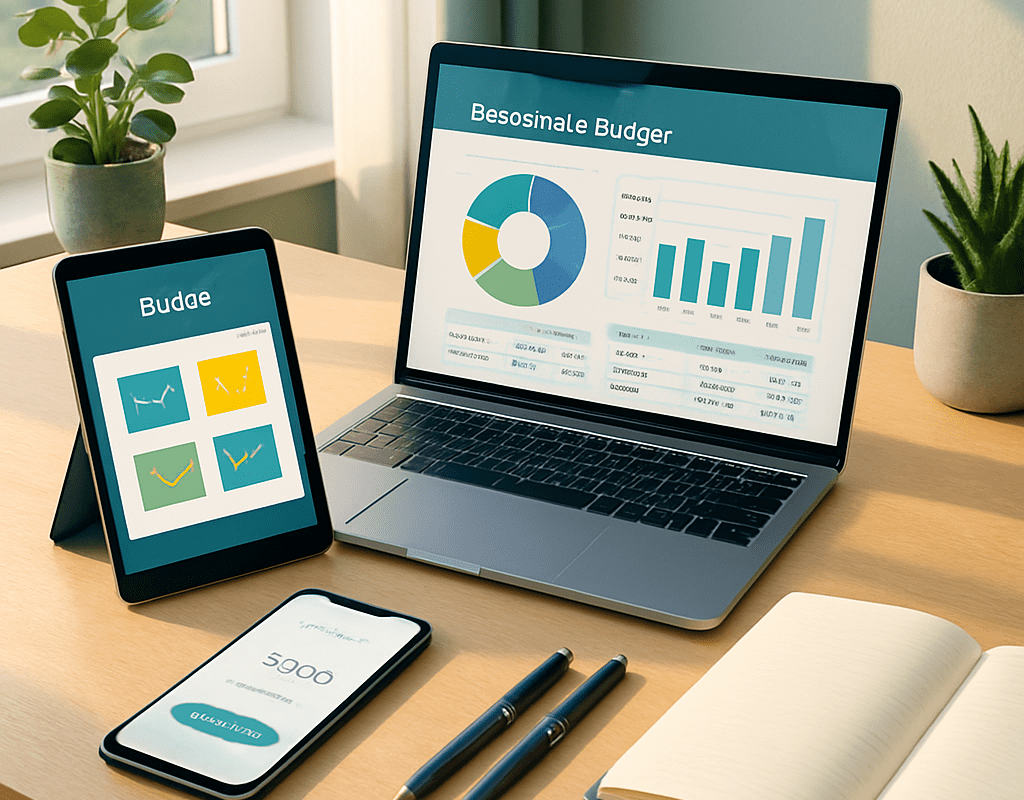
The major innovation of the digital version lies in reactivity. Each expense appears almost immediately in its corresponding envelope. The balance arrow turns red, and awareness happens even before receiving the bank alert. Better yet: graphical reports highlight overspent categories. This is a powerful lever to adjust the following month.
Data Analysis
| Analyzed Element | Benefit for the Family |
|---|---|
| Expenses by category | Identify areas of unnecessary spending |
| Monthly evolution | Observe trends and anticipate peaks |
| Overrun alerts | React quickly and limit additional fees |
Tips to Stay on Track
Implementing small rituals helps to anchor the method. For example, blocking five minutes each evening to check transactions, or scheduling a weekly family review. Set up a fun challenge: if the “outings” envelope remains positive, a voucher for a bonus activity appears! Little by little, discipline settles in without ever feeling burdensome.

Paper vs Digital Comparison
Paper requires the concrete action of taking out money and placing it in each envelope. It appeals to the physical sensation and reinforces psychological impact. Conversely, digital relies on speed and accessibility: you adjust a category with a few taps. While the traditional version remains appealing to analog enthusiasts, the digital version seduces with its flexibility, history, and ease of sharing.
FAQ
- What is the minimum budget required to test the method?
- There is no minimum amount. The idea is to distribute your available budget, whether modest or comfortable, into envelopes, even starting from just a few dozen euros.
- Is it compatible with multiple bank accounts?
- Yes, most tools allow the addition of multiple accounts. You can even create an envelope dedicated to interbank transfers or savings.
- How to react to an unexpected purchase?
- Two solutions: draw from the general reserve (if you have planned an “unexpected” envelope) or rebalance the following month by slightly reducing certain envelopes.