Asia in 2025 is no longer the same as the previous decade. It is a continent undergoing profound change, where managing human flows and preserving cultural identity have become absolute urgencies. For the urban planner as well as the enlightened traveler, these metropolises offer a fascinating spectacle: cities reinventing themselves in the face of climatic and demographic challenges. From the fight against overtourism in Kyoto to the transport revolution in Bangkok, each destination offers a unique response to the question of modernity.
In brief: Kyoto (Japan) imposes a sustainable tourism model in response to saturation, while Bangkok (Thailand) expands its metro network to breathe. Hanoi (Vietnam) combines colonial heritage and rapid modernization, Bali (Indonesia) now taxes entry to save its culture, and Seoul (South Korea) bets on urban ecology and soft power.
Sommaire
Geography and Climate: From the Tropics to Temperate Latitudes
Our selection crosses climates that have dictated vernacular architecture for centuries. To the south, Bali and Bangkok, subject to monsoons, have developed an omnipresent water culture. The steep roofs of Thai temples and the Balinese irrigation systems (subak) are not just aesthetic; they are vital for channeling torrential rains. In 2025, however, these cities face episodes of extreme heat that push urban planners to rethink urban cool islands.
Further north, Hanoi, with its four distinct seasons, offers a changing atmosphere, misty in winter and stifling in summer, influencing street life that adapts to the time of day. Kyoto and Seoul, with continental climates, celebrate seasonality as an art of living. Urban planning integrates nature: rows of ginkgos in Seoul or cherry trees in Kyoto are managed as full-fledged public infrastructure, markers of time and beauty.
History & Heritage: The Soul of Asian Cities
History is inscribed in stone and concrete. Kyoto, spared by the bombs of 1945, remains the conservatory of the Japanese soul. Its 1,600 Buddhist temples and 400 Shinto shrines fit into a grid layout inherited from Tang China. But it is a living heritage: the Gion district fights to preserve its machiya (traditional wooden houses) against the pressure of luxury hotels, an intense legislative and cultural battle.
In Hanoi, the millennium of the imperial city of Thang Long overlaps with French colonial urbanism. The wide tree-lined boulevards and ochre villas of the Ba Dinh district tell a complex story of occupation and appropriation. In 2025, the city attempts to classify and restore these often degraded villas to turn them into tourist assets rather than targets for real estate developers. Seoul, razed by the Korean War, has rebuilt its history: the Gyeongbokgung Palace has regained its splendor, standing amidst a forest of glass and steel, symbolizing a nation that forgets nothing while looking to the future.
Demography and Urban Dynamics 2025
The 2025 figures reveal contrasting trajectories. While Hanoi and Bangkok continue to grow, absorbing rural populations, Seoul and Kyoto face accelerated aging of their populations, a major challenge for territorial planning (accessibility, services).
| City | Population (Est. 2025) | Urbanism Trend | Major Challenge |
|---|---|---|---|
| Kyoto (Japan) | ~1.45 Million | Strict regulation of heights and uses. | Managing overtourism and local depopulation. |
| Bangkok (Thailand) | ~11 Million (Metro Area) | Massive vertical and rail expansion. | Congestion and soil subsidence. |
| Hanoi (Vietnam) | ~8.8 Million | Densification and creation of satellite cities. | Air pollution and motorcycle traffic. |
| Bali (Indonesia) | ~4.5 Million | Linear urbanization along southern coasts. | Preservation of farmland and waste management. |
| Seoul (South Korea) | ~9.3 Million | “Smart City” and ecological regeneration. | Demographic crisis and unaffordable housing. |
Economy: The Asian Engine
These cities are the economic lungs of their regions. Bangkok establishes itself in 2025 as the essential hub of Southeast Asia for startups and medical tourism. The opening of new metro lines (Pink Line extension) boosts real estate on the outskirts, creating new economic centers like Muang Thong Thani. Hanoi benefits from the “China Plus One” effect, attracting tech factories and expatriate executives, radically transforming the city’s commercial landscape with the appearance of gigantic malls.
In Seoul, the creative economy (K-Content) has become a state strategy. Districts like Seongsu-dong, nicknamed the “Brooklyn of Seoul,” transform into open-air galleries, attracting a global youth for events like Frieze Seoul, whose 2025 edition confirms the city’s status as the new art capital in Asia.
Tourism & Culture: Detailed Analysis of the Top 5
1. Kyoto: The Aesthetics of Resilience
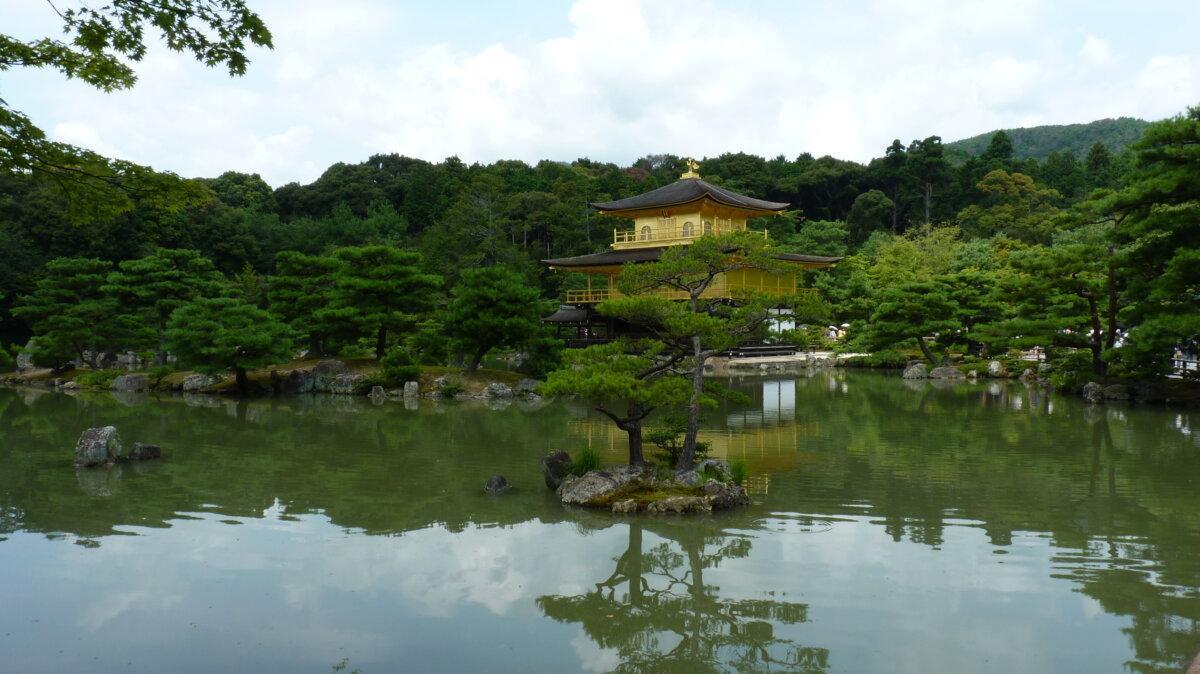
Kyoto is at a turning point. Faced with the massive influx of visitors (post-pandemic “revenge tourism” shows no sign of slowing), the municipality is preparing for 2026 a drastic increase in the tourist tax, which could reach 10,000 yen for luxury hotels. The goal? To finance infrastructure and discourage mass tourism. The 2025 visitor must learn to stray off the beaten path: avoid Kinkaku-ji during peak hours to explore lesser-known zen temples in the north of the city, such as Daitoku-ji. The city remains sublime, but now demands respect and planning.
2. Bangkok: The Vertical and the River
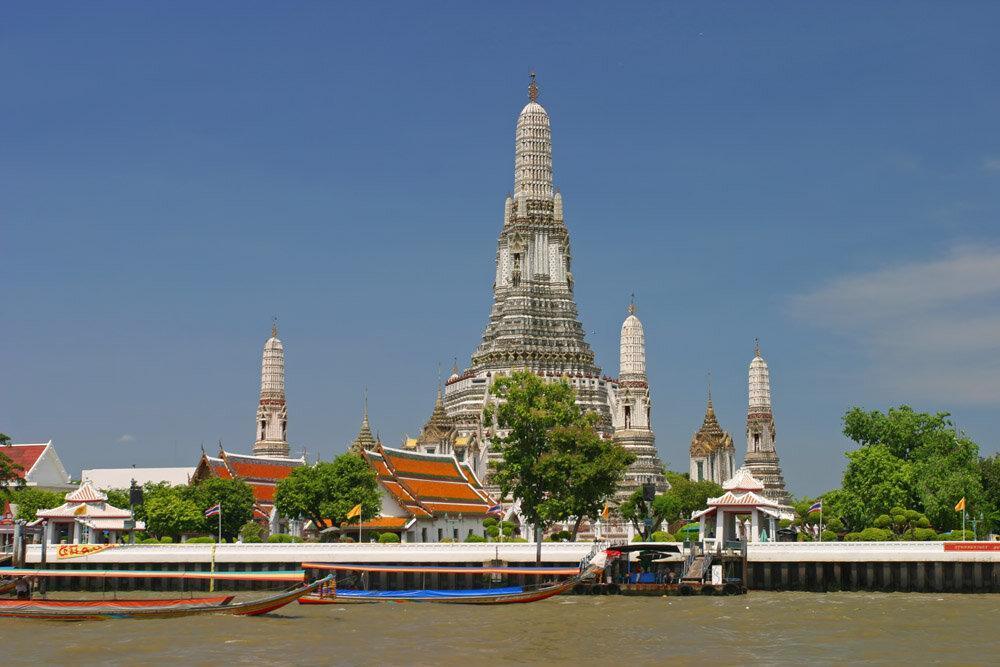
Bangkok is a city of violent and magnificent contrasts. In 2025, infrastructure redraws the map: the Bang Sue Central Station (Krung Thep Aphiwat) is fully operational, connecting the city to the rest of the country by rail. But Bangkok’s soul remains in its street food. The 2025 Michelin Guide continues to celebrate local heroes like Jay Fai, whose crab omelette remains legendary, or the nighttime Pad Thai stalls resisting gentrification. On the urbanism side, the “Chao Phraya Promenade” project continues to spark debate, attempting to return the river to pedestrians while displacing historic communities.
3. Hanoi: Between Mist and Concrete

Hanoi is undergoing its transport revolution. Metro Line 3 (Nhon – Hanoi Station), whose elevated section opened at the end of 2024, changes the game for suburban commuters, although the underground section is still under construction for a full opening at the end of 2025. This modernization does not erase the charm of the Old Quarter, where drinking an “egg coffee” on a plastic stool remains a national sport. Urbanism there is organized chaos: sidewalks are living spaces, commerce, and dining areas, defying any attempt at strict regulation.
4. Bali: The Challenge of Sustainability
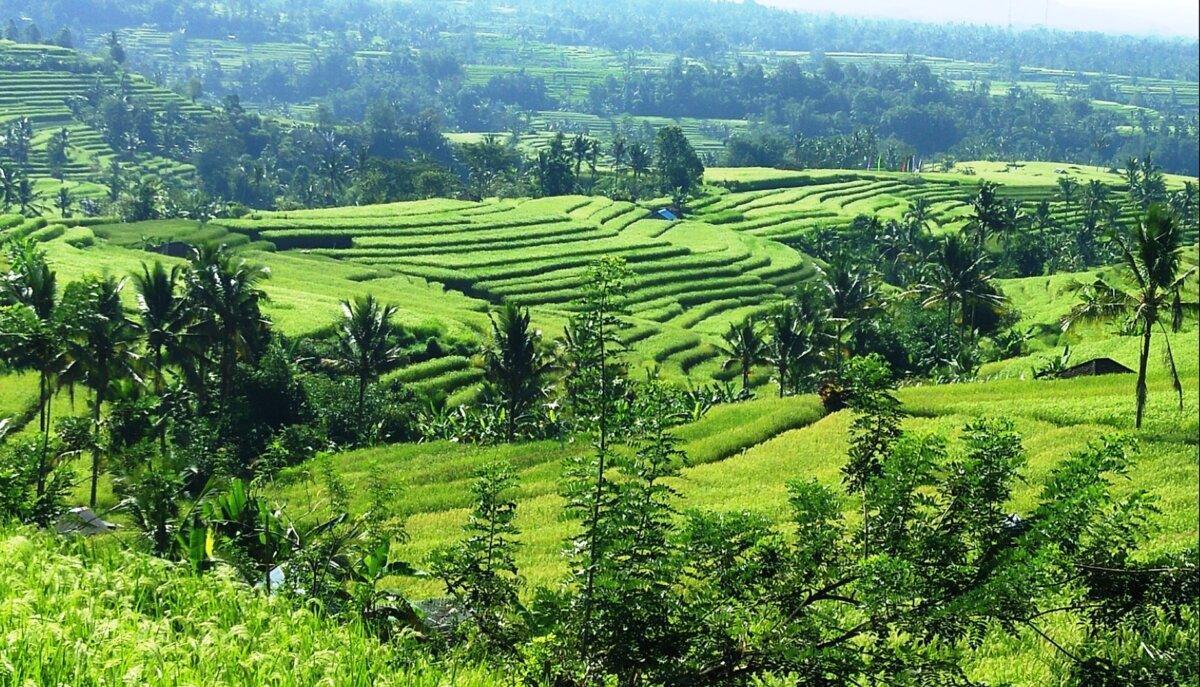
The year 2025 is one of awareness for Bali. The new tourist tax of 150,000 Indonesian rupiah (about €9), implemented in 2024, is now strictly controlled at airports and by hotels to finance waste management and culture. Authorities encourage travelers to head north and west (Menjangan, Pemuteran) to relieve congestion in the south. The architecture of new resorts aims to be greener, integrating bamboo and natural ventilation, far from the concrete sprawl of Kuta. It is a destination seeking to regain its spiritual and ecological balance.
5. Seoul: The Future in the Present
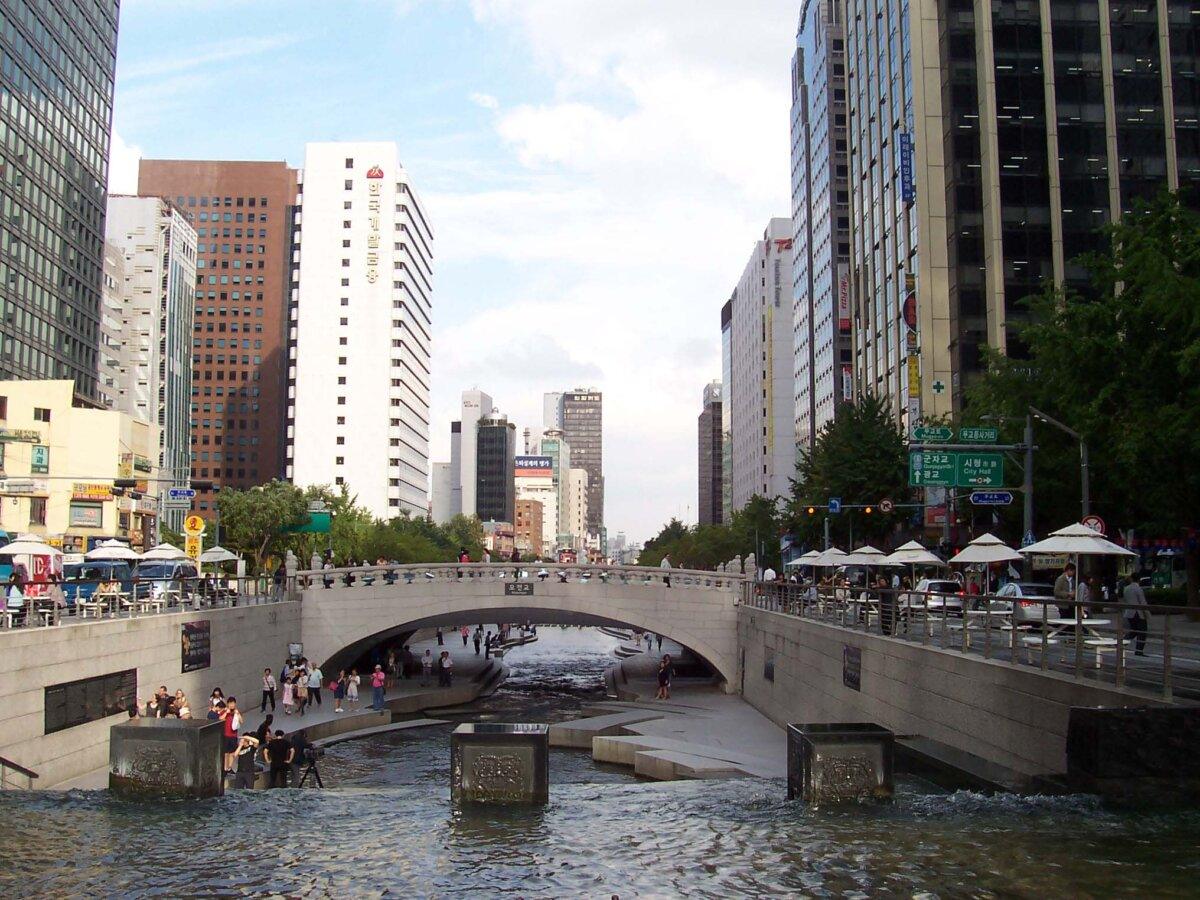
Seoul is arguably the most efficient city in the world in 2025. The launch of the “Climate Card” offering unlimited transport to encourage leaving cars behind, extension of bike lanes along the Han River, everything is designed for fluidity. Design is everywhere, from Dongdaemun Design Plaza to the new conceptual cafes of Seongsu. It is a city that never sleeps, where technology simplifies every interaction (contactless payment, screen ordering), offering tourists an absolutely seamless travel experience, provided they accept being constantly connected.
Transport: The Era of Rail and Electric
The major 2025 trend in Asia is electrification. In Bangkok, electric water buses on the canals reduce noise and pollution. In Bali, electric scooter rentals are encouraged to reduce tourists’ carbon footprint. The high-speed rail network continues to expand: the Thai TGV project is progressing, promising eventually to connect China to Singapore via Bangkok, reshaping regional geopolitics by rail.
Key figure: 10,000 Yen (about €60). This is the maximum amount of the future tourist tax Kyoto plans for its most luxurious hotels starting in 2026, a world record marking the end of free or nearly free tourism.
Real Estate & Urbanism: Where to Invest and Live?
The Asian real estate market remains dynamic but complex. In Bali, the emphyteutic lease (leasehold) remains the norm for foreigners, with growing demand for “eco-responsible” villas inland. In Bangkok, condominiums near new metro stations (Pink and Yellow lines) offer the best rental yields. For Hanoi, investment shifts toward new urban zones west and east of the Red River, where “mini-cities” rise to house the emerging middle class.
Conclusion: What Asia for 2025?
Traveling in Asia in 2025 means accepting to witness rapid changes. It means choosing between the structured contemplation of Kyoto and the chaotic energy of Bangkok, between the rural spirituality of Bali and the pragmatic futurism of Seoul. Each of these destinations offers a lesson in adaptation. For the visitor, the key will be soft mobility, respect for new local norms (taxes, reservations), and an insatiable curiosity for these cultures that, despite globalization, fiercely cultivate their uniqueness.
{ “@context”: “https://schema.org”, “@type”: “FAQPage”, “mainEntity”: [ { “@type”: “Question”, “name”: “What are the new tourist taxes in 2025?”, “acceptedAnswer”: { “@type”: “Answer”, “text”: “In 2025, Bali applies a tax of 150,000 IDR per visitor to fund cultural preservation. Kyoto is preparing a massive increase in its tourist tax for 2026 to combat overtourism.” } }, { “@type”: “Question”, “name”: “What are the major changes in transportation in Bangkok in 2025?”, “acceptedAnswer”: { “@type”: “Answer”, “text”: “The year 2025 marks the extension of the Pink Line towards Muang Thong Thani and the advancement of the Purple Line works, densifying the metro network to relieve congestion in the center.” } }, { “@type”: “Question”, “name”: “Is it easy to get around Seoul without speaking Korean?”, “acceptedAnswer”: { “@type”: “Answer”, “text”: “Yes, with the new ‘Climate Card’ launched in 2024-2025, tourists benefit from unlimited transport (metro, bus) for an advantageous monthly package (~62,000 KRW).” } }, { “@type”: “Question”, “name”: “When to visit Hanoi to avoid pollution?”, “acceptedAnswer”: { “@type”: “Answer”, “text”: “Autumn (October-November) offers the best compromise with clearer skies and mild temperatures, avoiding the winter pollution peaks.” } }, { “@type”: “Question”, “name”: “What budget to plan for a cultural trip to Japan in 2025?”, “acceptedAnswer”: { “@type”: “Answer”, “text”: “Despite a weak yen, the budget remains substantial. Count about €200/day/person for standard comfort including accommodation, transport (Shinkansen), and visits.” } } ] }