Terres d’Aventure Review: Is the agency really suited for active travel?
Terres d’Aventure active travel review: specialization in trekking, cycling, small groups, strengths, limitations, and ideal profile for booking without mistakes.
💡 Terres d’Aventure mainly targets travelers who want a supervised active trip, not a standardized stay.
The core offer is based on a supervised active trip, with a guide, managed logistics, and controlled pace.
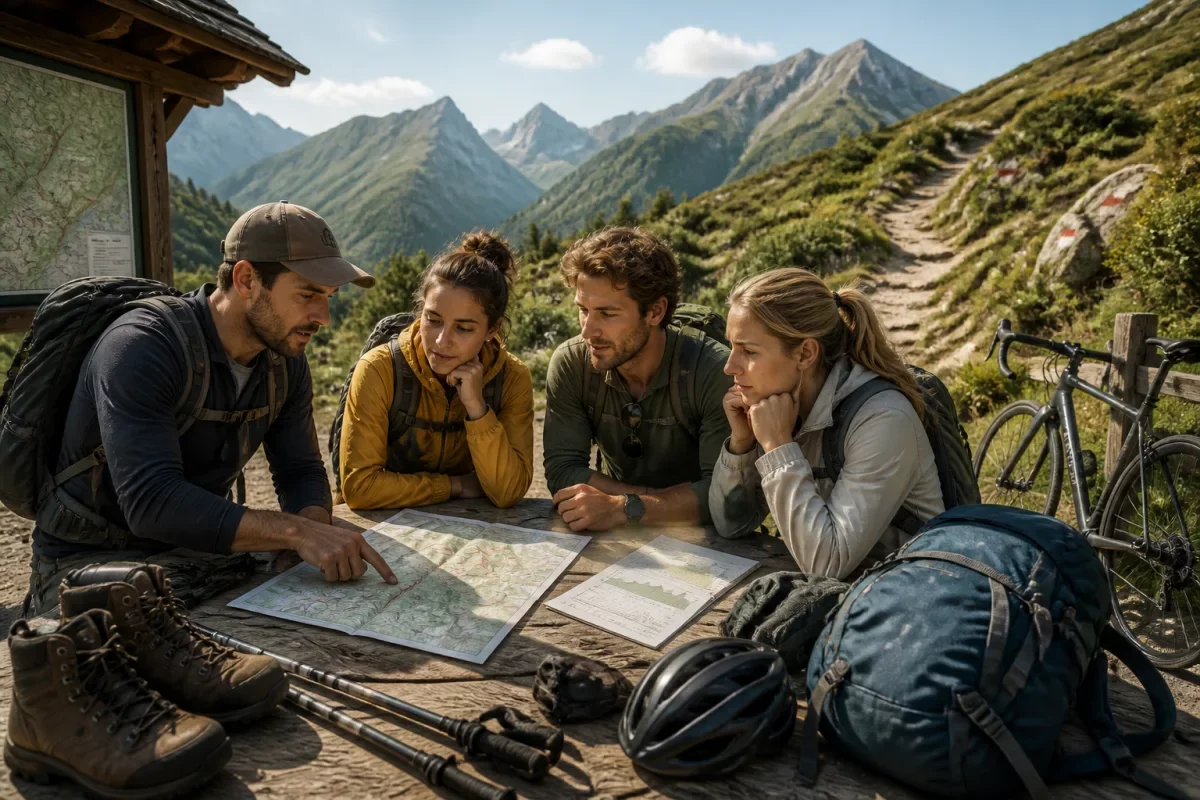
🥾 The agency shines when the organized trek, logistics, and pace are well calibrated for the group’s level.
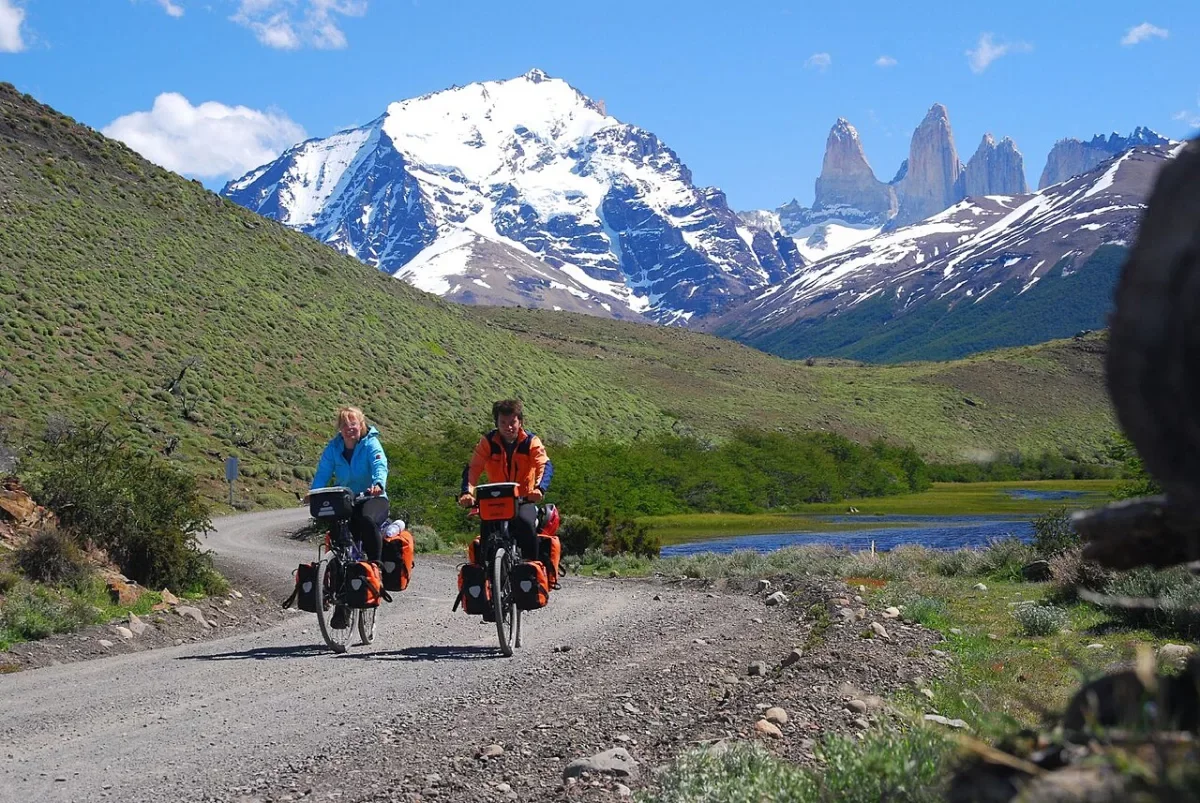
🚲 The cycling formats, family trips, or tailor-made options add flexibility, but the framework remains structured.
⚖️ The number one point of caution is the balance between actual difficulty, expected comfort, and price paid.
Is Terres d’Aventure really suitable for an active traveler?
Terres d’Aventure is primarily aimed at travelers who want a structured active trip, with a guide, logistics, and a controlled pace. The agency is relevant if you are looking for immersion and less mental load, less so if you want to improvise or travel in an ultra-independent mode.
The short answer is rather yes, provided you fit into its DNA. Since 1976, the agency has positioned itself in active trips in the great outdoors, with a program that exceeds 1,600 trips and an annual volume of around 1,500 departures. This is not a detail: it shows a real specialization, not an opportunistic trend.
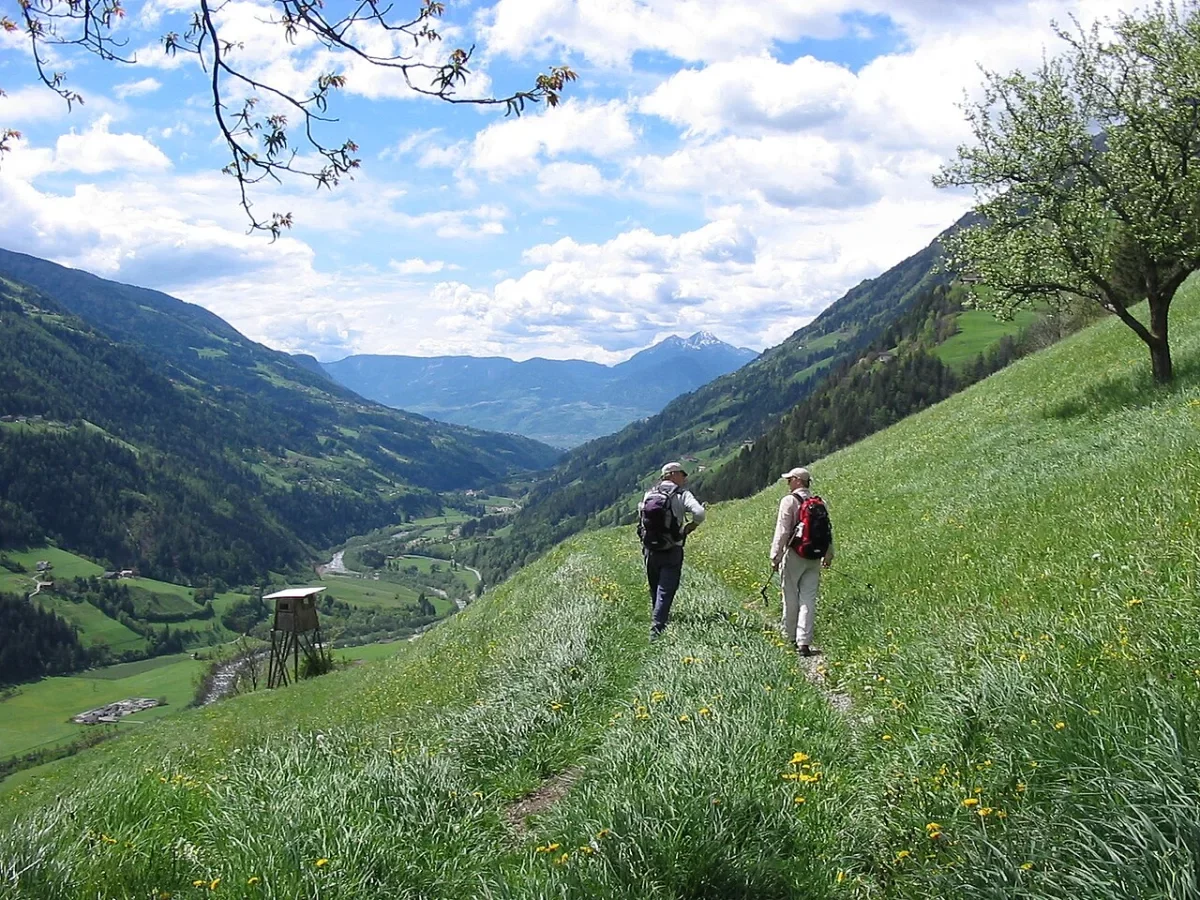
Hiking remains the heart of the active trip: on this type of circuit, pace and elevation gain matter as much as the destination.
Overall, Terres d’Aventure offers four main categories of trips: group, tailor-made, family, and cycling. It is precisely this point that makes it interesting for varied profiles. Group travel provides supervision, tailor-made offers more freedom, the family formula reassures, and cycling attracts those who want to move at their own pace without organizing everything themselves.
The trap, however, would be to imagine that “active travel” means “full-on sporty.” This is not always the case. Terres d’Aventure also knows how to offer accessible nature travel, with gentler itineraries, but you have to read the descriptions carefully. The word “active” actually covers several intensities, from simple contemplative itinerant to more challenging trekking.
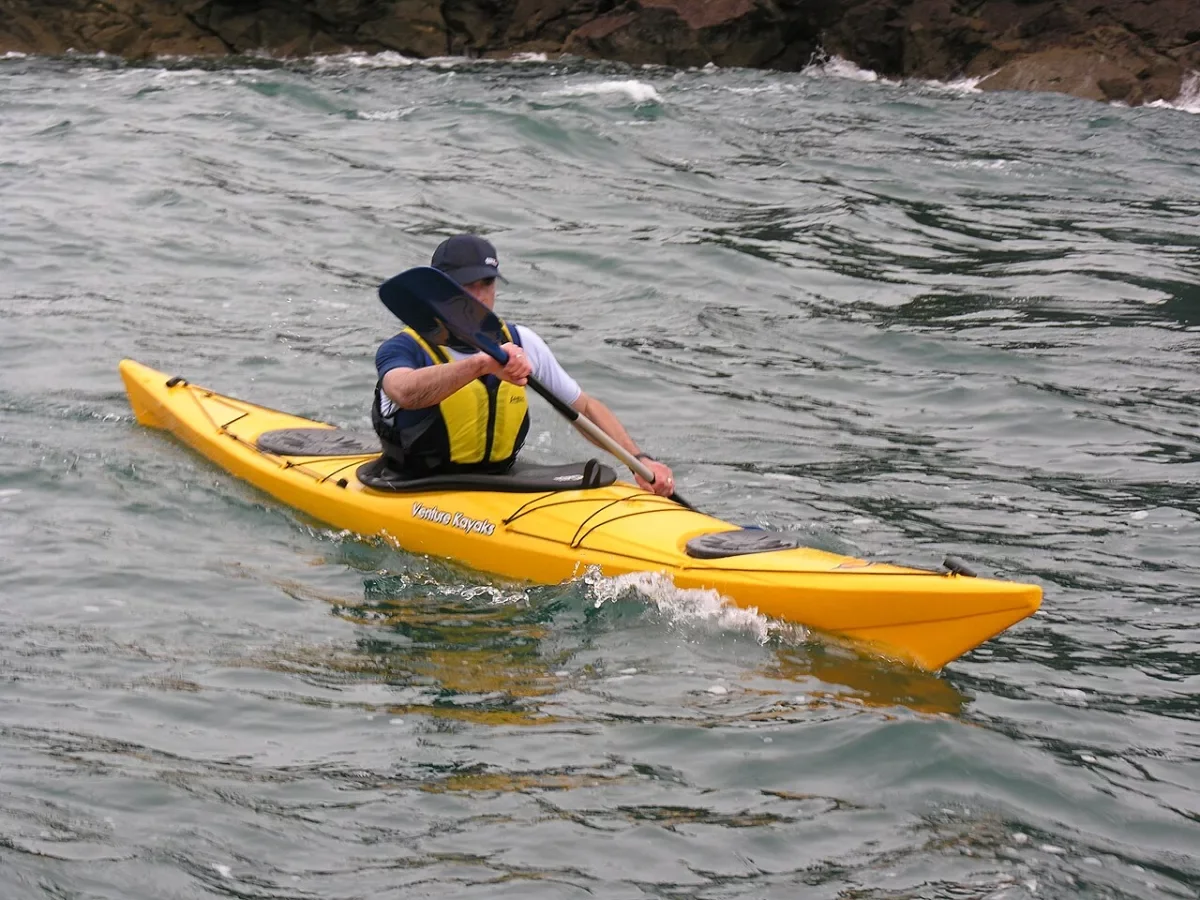
Kayaking well illustrates the logic of gentle itinerancy promoted by the agency: moving differently, with some effort and lots of terrain.
How to read the difficulty level of a Terres d’Aventure circuit?
The right reflex is to forget the marketing label and look at the concrete data: walking time, elevation gain, carrying load, transfers, and altitude. A “moderate” circuit can still be challenging if the stages are long, recovery limited, or comfort basic.
Here is the most important point, and probably the least glamorous: a difficulty level is not read by intuition. You have to analyze the cumulative constraints. A day of 5 hours of walking with little elevation gain is nothing like a shorter but technical stage, or a trek where you carry your backpack for several days in a row.
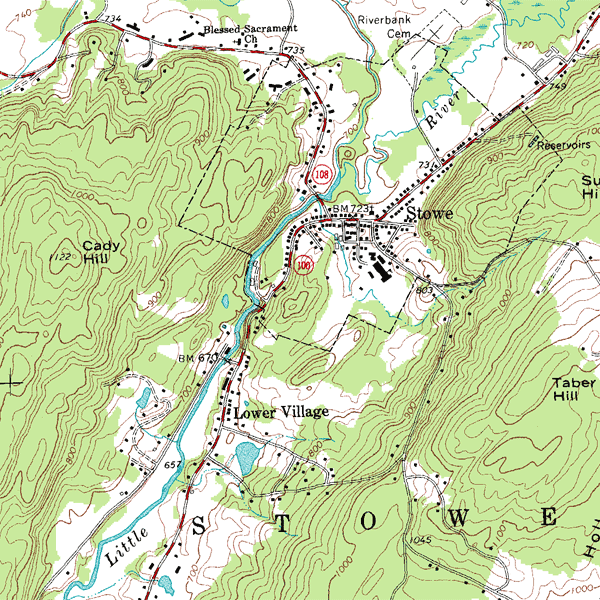
A topographic map helps to understand what a trek sheet hides: the real effort is read in the contours, not just in the name of the circuit.
To properly judge a trip, you need to cross-check at least five criteria:
the actual walking or cycling time per day;
the positive elevation gain, often more telling than the raw distance;
the type of carrying: light backpack, transferred luggage, or full autonomy;
altitude and its impact on breathlessness;
the possible recovery between two stages.
This reading is essential, especially if you hesitate between several types of circuits. A bike trip does not require the same endurance as a mountain trek, and an itinerant hike does not have the same comfort as a more settled stay. If you travel in a group, the logic is also different: a family road trip in France often allows more flexibility than a small group departure with fixed stages.
It should be noted that some itineraries may seem “accessible” on paper, then become more demanding due to weather, terrain, carrying load, or the sequence of days. On the ground, it is observed that the most satisfied travelers are often those who have read the sheet as a contract of effort, not as a dream brochure.
Traveler profile
What they should check
Likely verdict
Active beginner
Duration of stages, carrying load, accommodation comfort
Yes, if the circuit is clearly easy or moderate
Regular trekker
Elevation gain, altitude, daily pace
Very relevant on more demanding itineraries
Cycle tourist
Daily distance, relief, transfers
Good choice if you want an organized setting
Very autonomous traveler
Program flexibility, freedom on site
Less suitable if freedom is a priority
Always look at the actual walking time, not just the mileage.
Check if the luggage follows or if you carry the essentials.
Compare the announced level with your true current fitness.
Do not underestimate the effects of altitude and weather.
Is the price consistent with the service provided?
The price of Terres d’Aventure may seem high if you only look at the final amount. But it becomes clearer once you factor in the guide, logistics, transfers, the planned itinerary, and the comfort of an organized trip. The real issue is perceived value, not the raw price.
Customer reviews support this: the average rating observed on Trustpilot reaches 4.7/5 from more than 1,174 reviews. This is a strong signal, especially for a specialized agency. Travelers often praise the quality of customer service, availability before and during departure, and the consistency of the itineraries. In short, it’s reassuring.
On the other hand, some feedback points to uneven accommodations or sometimes imperfect communication. This is not necessarily contradictory to the overall experience, but it reminds us of an obvious fact: an active trip is not a premium stay in the hotel sense. If you are only looking for comfort, comparison with a standard offer can quickly turn to your disadvantage.
It is not the price alone that says whether an agency is expensive; it is the gap between the promise, the level of support, and the actual quality of the experience.
The B Corp certification adds an interesting signal: it does not guarantee a perfect trip, but it reinforces the idea of a company attentive to its social and environmental impacts. For travelers sensitive to soft mobility, this is a real plus. In the same spirit, the benchmarks of ADEME remind us that a more sober trip is not judged solely by the displayed price, but also by the quality of the organization and the footprint of the journey.
If you compare with a generalist agency, the difference is quickly seen: Terres d’Aventure sells less “visual comfort” and more operational structure. If you compare with a very high-end player, it often remains more reasonable in spirit, but not necessarily on the bill. This is the downside of a specialized and well-structured product.
The good active trip is not the one that promises the most effort, it is the one that balances it just right.
Which profiles really benefit from it?
The answer is quite clear: Terres d’Aventure is especially suitable for travelers who like the idea of a solid framework, with a guide supervision present when needed, logistics managed from start to finish, and a true nature experience. This is particularly relevant for enthusiasts of guided hikes, adventure circuit fans, and those who want to travel without handling all the organization themselves.
Cycle touring attracts profiles who want itinerancy without losing the logistical thread: we move forward, but stay within an organized framework.
On the ground, it is observed that the most satisfied travelers are not necessarily the most athletic, but those who accept the group setting. A family on a bike circuit often says they especially appreciated not having to manage transfers, meals, and accommodations. Conversely, very independent profiles sometimes regret the lack of schedule flexibility.
On the other hand, more cautious profiles should check three things before booking:
your actual physical level, not the one you imagine in peak summer form;
your tolerance for group settings, as the group sets part of the pace;
your comfort expectations, especially regarding accommodations and meals.
If you are looking for a trip that feels like a very free road trip, or an ultra-spontaneous nature break, the Terres d’Aventure framework may seem a bit tight. In that case, it’s better to look at more open formats, like a circuit around iconic lakes of Europe or a more flexible exploration, according to your timing and comfort desires.
Good to know: the agency also offers family trips accessible from age 2, which shows that it knows how to adapt its model to very different rhythms. This is not an anecdotal detail. Above all, it proves that it is not limited to high mountain trekking and that it works with several intensity levels, from the gentlest to the most demanding.
Terres d’Aventure compared to other adventure agencies: what real difference?
Compared to a classic travel agency, Terres d’Aventure goes further in specialization. Compared to a very sporty agency, it often remains more accessible and clearer. It is precisely this intermediate position that is its strength: it speaks to active travelers without demanding from them mountaineering or seasoned cyclist expertise.
Its competitive advantage is therefore less about the spectacular than the product coherence. The catalog is broad, the formats are segmented, and the supervision is designed to limit friction. What many competitors sell as a promise, Terdav often turns into a travel mechanism. For a client, this changes everything: you can focus on the experience, not on logistical plumbing.
The downside is that a structured agency sometimes leaves less room for pure improvisation. If your definition of active travel is deciding day by day, changing stages without warning, or preferring maximum comfort, you might find the framework too directive. On the other hand, if your priority is safety, clarity, and nature, the equation becomes much more favorable.
Yes if you want a well-framed active trip without mental overload.
Yes if the presence of a guide and a group reassures you.
Yes if you are looking for a trek, a bike trip, or structured itinerancy.
No if you want a very free, ultra-flexible, and minimalist trip.
In short, the agency is in the right lane for travelers who want organized adventure, not adventure by guesswork. And that’s rather good news, because in this market, clarity often outweighs over-the-top offerings.
Key Takeaways
🧭 Terres d’Aventure is a specialized agency, not a general travel operator.
🥾 Its core business remains organized trekking, hiking, and nature travel.
🚴 The group setting is reassuring, but it can frustrate very independent travelers.
💶 The price is judged on logistics, supervision, and overall coherence, not just the amount.
🔍 Reading the difficulty level requires checking walking time, elevation gain, and carrying load.
FAQ
Is Terres d’Aventure suitable for a beginner?
Yes, provided you choose a truly accessible itinerary and do not overestimate your fitness. The agency offers gentler formats, but the word “active” still implies a minimum ease in walking, cycling, or traveling.
Before booking, compare the 5 key criteria and check which profile truly matches your level and expectations.
Are group trips mandatory?
No. The agency also offers tailor-made trips, family travel, and cycling tours. The group remains interesting for those who want a reassuring framework, but it is not the only available format.
Is the tailor-made trip really personalized?
According to the information provided by the agency, yes: it can be built 100%, with a roadbook, mobile app, and 24/7 assistance. This is particularly useful if you want to keep an active trip while adapting the pace to your constraints.
Is Terres d’Aventure expensive?
It may seem expensive if you only compare the listed price to a classic stay. But the package often includes denser logistics, supervision, and organization that partly justify the difference. The right criterion remains the overall value, not the raw figure.
How do I know if an itinerary is too difficult for me?
Look at the daily walking time, elevation gain, carrying load, altitude, and ability to recover between stages. If several of these parameters exceed your usual level, it is better to choose an easier version or opt for a more flexible format.