TL;DR: Indonesia is not limited to Bali: temples of Java, active volcanoes, Komodo dragons, underwater worlds of Raja Ampat. In this guide: when to go, 7/14/21-day itineraries, budget, culture, and practical tips. Verified and section-by-section detailed images illustrate each mentioned place.
Sommaire
Geography, Climate & When to Go
An archipelago-continent of more than 17,000 islands straddling the equator, Indonesia stretches 5,000 km from west to east, from the volcanic peaks of Sumatra to the Papuan lagoons of New Guinea. The country lies on the “Ring of Fire,” which explains the spectacular relief (Bromo, Merapi, Rinjani) and exceptionally fertile soils. The climate is tropical, alternating between dry and rainy seasons, slightly shifted depending on the regions: Bali and Java often experience an approximate dry season from May to September, while the Moluccas and Papua may reverse this calendar.
When to go (simple guidelines): for Bali/Java/Lombok, favor May-October (calm seas, lush rice fields at the start of the dry season). For diving at Komodo and Nusa Tenggara, April-November is ideal. Raja Ampat can be visited almost year-round, with visibility peaks between October and April.

History, Cultures & Heritage
The archipelago has long been a crossroads of exchanges between India, China, and the Malay world. Buddhist and Hindu temples (Borobudur, Prambanan) were followed by powerful sultanates and maritime kingdoms (Srivijaya, Majapahit), before the Dutch colonial period. Today, Indonesia is a multi-faith democracy with over 700 languages and a mosaic of local identities, from predominantly Hindu Bali to the Muslim archipelagos of Java and Sumatra, including Christian communities in Flores and Papuan ones in New Guinea.

Key Data & Demographics
To understand the destination, some useful reference points for travelers:
| Indicator | Value (order of magnitude) | Remarks |
|---|---|---|
| Indonesia Population | ~ 275 million inhabitants | Fourth most populous country in the world (source: BPS/World Bank). |
| Bali Population (province) | ~ 4.3 million | Concentrated around Denpasar, Badung, Gianyar. |
| Area | ~ 1.9 million km² (land area) | About 5,000 km from west to east. |
| Languages | Indonesian (bahasa Indonesia) + hundreds of local languages | Tourist English is common in Bali, less so elsewhere. |
| Currency | Indonesian Rupiah (IDR) | Withdrawals possible in cities; cards accepted mainly in tourist areas. |
| Reliefs & risks | Volcanoes, earthquakes, heavy rains | Check locally before ascents and sea crossings. |
Must-sees: Bali and beyond (top 5)
1) Bali, the garden island (temples, rice terraces, surfing, wellness)
Bali alone condenses Indonesian diversity: terraced rice fields of Tegallalang, Uluwatu cliffs, surfing in Canggu, artisan villages in Ubud, almost daily Hindu ceremonies. Two contrasting but complementary postcards: Ulun Danu Bratan (mountain freshness) and Tanah Lot (golden sunset).

Photogenic tip: arrive 60–90 min before sunset at Tanah Lot; mid tide = best reflections on the rocky basins.
2) Yogyakarta & Central Java: capitals of arts and temples
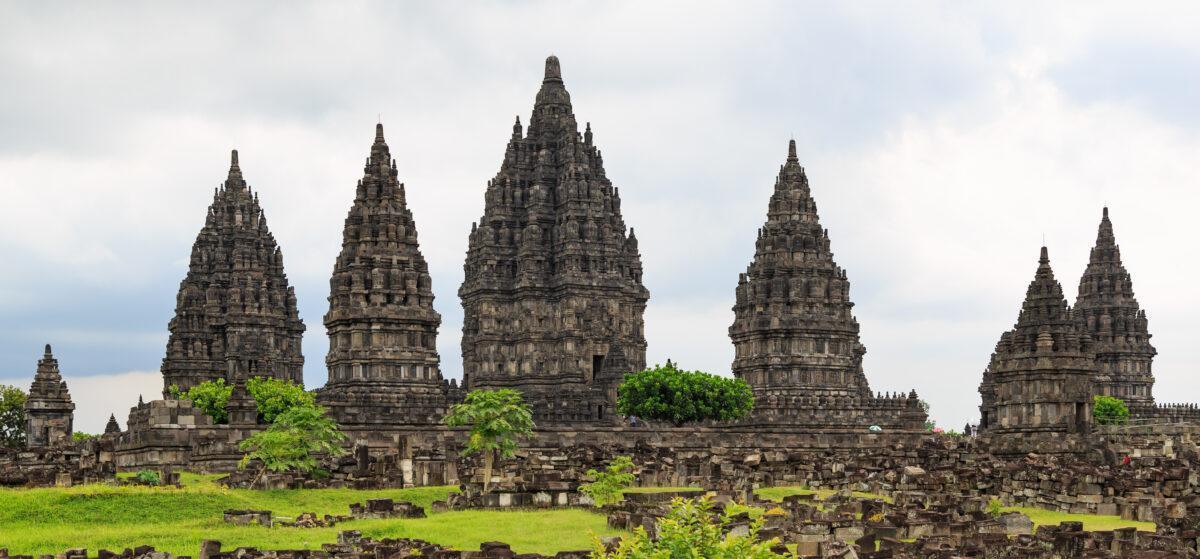
Ideal base for excursions to Borobudur (Buddhist) and Prambanan (Hindu), Yogyakarta enchants with its artist alleys, batiks, and culinary scene. Sunrise at Borobudur, echoes of the Ramayana at Prambanan: two signature moments.

3) Volcanoes & sea of sand: Bromo, Batok & Semeru
At dawn, the Tengger caldera awakens in a muffled silence. From the Penanjakan viewpoint, one contemplates the striated cone of Batok, the smoke of Bromo, and the silhouette of Semeru in the background. Prepare a hat, windbreaker, and headlamp: it can be 5–10 °C in the morning.

4) Komodo & Flores: wild Indonesia
Between iodine-filled walks and snorkeling, Komodo National Park juxtaposes coral reefs, pink beaches, and savannas. On land, the famous Komodo dragon (Varanus komodoensis) reigns; encounters happen with a ranger, on marked trails. The “liveaboard” cruises combine diving and postcard-perfect anchorages around Padar, Rinca, and Komodo.

5) Lombok & Nusa: beaches, marine life & the sweet life
One hour by boat from Bali, the Gili islands unfold sandbanks and turtle corals. Lombok, wilder, alternates nearly untouched beaches (Selong Belanak), weaving villages, and hikes (Rinjani for experienced hikers). The small Nusa islands (Lembongan, Penida, Ceningan) offer spectacular cliffs, manta rays, and lagoons.
Suggested Itineraries
7 days: concentrated Bali
- Day 1–2: Ubud (rice fields, temples, artisan workshops).
- Day 3: Ulun Danu Bratan & Munduk waterfalls.
- Day 4: North Bali (Lovina/Amed – snorkeling, wrecks).
- Day 5: Nusa Penida (manta rays) or Sidemen (rice fields).
- Day 6: Uluwatu & Bukit beaches.
- Day 7: Tanah Lot at sunset.
14 days: Bali + Java
- Day 1–6: Bali as above.
- Day 7–9: Yogyakarta (city, Borobudur, Prambanan).
- Day 10–11: Tengger – Bromo/Semeru.
- Day 12–14: Return to Bali or train to Surabaya/Jakarta.
21 days: Bali, Java & Komodo
- Day 1–6: Bali.
- Day 7–11: Yogyakarta, Borobudur, Prambanan.
- Day 12–14: Bromo & Ijen plateau (sulfur, turquoise acid lake).
- Day 15–18: Flores – Komodo Park (cruise, snorkeling, Padar).
- Day 19–21: Rest in Bali/Lombok.
Transport & Access
International flights: from France, main access via Jakarta (CGK) or Denpasar (DPS), usually with a stopover (Doha, Singapore, Dubai, Istanbul, KUL/AMS/CDG depending on airlines). Expect ~16–20 hours total travel time excluding stopovers.
Domestic flights: dense network, useful for long connections (Jakarta–Labuan Bajo, Bali–Flores, Bali–Lombok, Sorong for Raja Ampat).
Sea: public ferries (Pelni, ASDP) and private fast boats to Gili/Nusa. Beware of sea conditions during windy seasons.
Land: in Bali, scooter or car with driver; in Java, comfortable trains (Yogyakarta–Jakarta in 5-8 hours depending on service).

Local life, cuisine & events
Cuisine: nasi goreng (fried rice), satay (skewers), gado-gado (vegetables and peanut sauce), rendang (braised beef), grilled fish by the beaches. In Bali, Hindu flavors and Ubud markets; in Java, street food and literary cafés of Jogja.
Calendar: Nyepi (Balinese New Year, silence across the island), Galungan/Kuningan (flowered temples), dance and gamelan festivals in Yogyakarta, wayang outings (shadow theater).
Budget & accommodations
The range is wide: comfortable guesthouses starting from a small budget, charming hotels in Ubud, Balinese villas for families, beachfront resorts in Nusa Dua, ecolodges in Flores. Local dining remains affordable; activities (diving, cruises) and private transfers weigh more.
Travel responsibly
- Respect temple codes (sarong, covered shoulders, donations).
- Do not feed the wildlife (monkeys, rays, Komodo dragons).
- Choose certified diving operators attentive to coral.
- Favor reusable water bottles and committed accommodations (sorting, filtered water).
FAQ
What to visit first in Indonesia?
Bali (Ubud, Uluwatu, Tanah Lot), Yogyakarta + Borobudur & Prambanan, Bromo caldera, Komodo National Park, and depending on time: Lombok, Nusa Penida, Raja Ampat.
What is the best time to go?
Generally May-October for Bali/Java/Lombok; April-November for Komodo; October-April for very good conditions in Raja Ampat.
How long is needed for a first trip?
10–14 days for Bali + a glimpse of Java, 21 days if you add Bromo/Ijen and Komodo.
How to get to Komodo?
Flight to Labuan Bajo (LBJ) from Bali/Jakarta, then guided excursion (speedboat or cruise) to Rinca/Komodo with an official ranger.
What budget to plan for?
Excluding flights, an indicative range per day/person: low budget ~30–60 €, comfort ~70–140 €, high-end 150 € and up (diving/cruise extra).