Why France attracts MTB enthusiasts
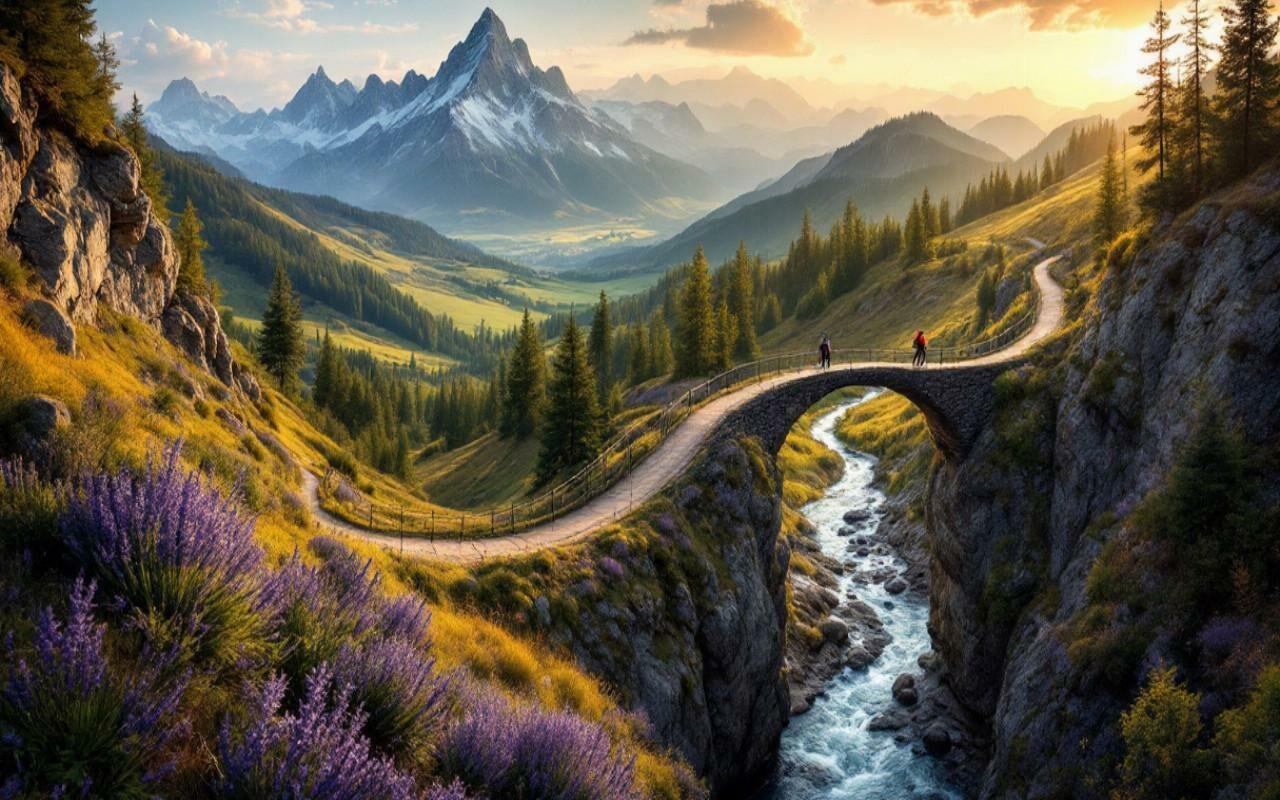
France’s geographical richness lends itself wonderfully to MTB: imposing mountains, wild plateaus, narrow valleys, then gentle plains. Each region offers a different universe, each time filled with history and technical challenges. It is this variety that makes MTB strong in the territory, allowing you to go from a wild forest to an alpine pasture caressed by the wind within a few kilometers.
Local clubs, departmental federations, and tourist offices have invested for years in creating and maintaining marked trails, meeting strict safety standards. The result: routes faithful to their announced level and infrastructures (picnic areas, parking lots, water points) that contribute to the pleasure and tranquility of riders.
Finally, these spots are often integrated into sporting events or MTB festivals, encouraging exchanges between amateurs and professionals. In practice, riding around a local race or participating in a themed gathering enriches the experience, pushes progress, and creates memorable memories.
Must-see spots by region
The Alps: playground for experts
In the Alps, elevation changes reach literal heights. The trails of the Sybelles Domain or the Espace Diamant offer spectacular descents where technicality blends with grandiose landscapes. The most seasoned favor the Alpe d’Huez resort for its black runs, carved into the rock, where every turn demands attention and precision.
For freeride enthusiasts, the south side of Mont Blanc offers off-piste lines accessible via lifts dedicated to MTB. There you find wooden modules, gap jumps, and wall rides, all while enjoying plunging views of the glaciers. The only rule here: prepare your equipment well before setting off.
The Pyrenees: the gentleness of the valleys and the harshness of the ridges
In the Pyrenees, you alternate between lush valleys and windy ridges. The Tourmalet, an iconic pass in cycling legend, is available in a mountain biking version via forest trails dotted with more challenging sections. In the Oueil valley, you first climb on peaceful roads before tackling a demanding single track, then return via a playful path, enhanced with roots and natural steps.
The Pyrenean resorts of Saint-Lary or Cauterets have invested in complete Bike Parks: pumptracks, slopestyle zones, wooden boardwalks. Even for beginners, these secure areas are an ideal first step before venturing onto wilder routes.
Corsica: the island of wild beauty
Corsica remains a hidden treasure for mountain bikers. Its trails drawn from the mountain maquis offer a unique experience: scree slopes, balcony passages above the sea, steep descents in the Bavella forest. The GR20 MTB, a variant of the famous GR20 hiking trail, offers a complete crossing of the island, long and demanding, reserved for the most enduring.
More accessible, some coastal routes, such as those around Porto-Ota, open onto striking maritime panoramas. The winding trails, carved into granite rock, often end on a turquoise cove, a welcome reward after several hours of maximum concentration.
The Massif Central: simplicity and lunar landscapes
Less famous but equally charming, the Massif Central is distinguished by volcanic plateaus and rounded valleys. The trails around the Puy de Dôme are rideable, perfect for families or novices. Further south, the Chaîne des Puys links ash, lakes, and forests, offering a striking contrast between black lava flows and green meadows.
The climate, less extreme than in high mountain areas, guarantees almost year-round practice. You frequently encounter herds of Salers cows grazing peacefully, which adds to the bucolic dimension of some loops. Here, discovering local traditions blends with the pleasure of riding.
Brittany: wild coasts and legendary forests
On the Breton coast, the cliffs offer rugged terrain where roots and rocks make for an original playground. The Monts d’Arrée, in the Armorique Regional Natural Park, offer trails that dodge the moorlands, jumping from one granite chaos to another. The proximity of the ocean adds an iodized touch to every outing.
Further inland, the Brocéliande forests thrill fans of technical singles, with roots sculpted by decades of wear. Between mythical sites and mysterious atmosphere, Brittany invites you to a mountain biking experience as much contemplative as sporty.
Practical tips to get the most out of your mountain biking excursion
Whatever the chosen spot, preparation is key. Check the mechanical condition of your bike, anticipate suspension adjustments according to the terrain, bring repair gear for punctures or broken cables: every detail counts. The weather, variable in the mountains as by the sea, can turn a route into a real challenge.
The question of hydration and nutrition also deserves special attention. On a long or demanding route, plan at least 1.5 L of water and energy snacks (bars, dried fruits). Distribute them wisely: with a hydration pack for drinks and side pockets on the bag for bars.
| Region | Recommended Level | Average Duration |
|---|---|---|
| Alps | Expert | 3 h |
| Pyrénées | Intermediate | 2 h 30 |
| Corsica | Advanced | 4 h |
| Massif Central | Beginner | 2 h |
| Brittany | Beginner/Intermediate | 1 h 30 |
Finally, do not forget to inform a close person of your itinerary or to share your GPS track on a dedicated platform. In case of trouble, this precaution can prove valuable. Yellow, red, or black markings indicate the difficulty of the route; do not underestimate them.
FAQ
- What equipment is essential to start mountain biking?
- A full-face or half-face helmet, gloves, protective glasses, a repair kit, and a water supply.
- What is the best season to ride in the mountains?
- From June to September, when the snow has gone and the trails are passable without the risk of excessive mud.
- How to choose your difficulty level?
- FCV (French Cycling Federation) markings classify the trails: green for beginner, blue for intermediate, red for advanced, and black for expert.
- Can you rent a mountain bike on site?
- Most resorts and tourist offices offer rentals of electric-assisted or classic mountain bikes.
- What are the common risks during a mountain bike outing?
- Flat tires, sprains, muscle fatigue: good physical preparation and appropriate equipment limit these hazards.
{
“@context”: “https://schema.org”,
“@type”: “WebPage”,
“about”: {
“@type”: “Thing”,
“name”: “Mountain Biking Spots France sensations”
},
“keywords”: [“MTB”, “mountain biking spots”, “France”, “mountain biking”, “technical trails”]
}