Lyon is the third largest urban area in France by population and one of the most dynamic European metropolises: exceptional heritage, renowned gastronomy, centers of education and innovation, and a strategic position between the Rhône and Saône rivers.
Sommaire
Introduction
Located at the confluence of the Saône and Rhône, Lyon has established itself over the centuries as a major commercial, industrial, and cultural center. Its geography — a peninsula between two rivers, hills (Fourvière, Croix‑Rousse), and dense urbanism — shapes a city with many faces. This article provides a comprehensive and sourced overview for readers and editors seeking a publishable and SEO-optimized resource.
Demographics and territory
According to INSEE, the municipal population of Lyon was 520,774 inhabitants in 2022. The Metropolis of Lyon, created in 2015, includes 58 communes and reaches a population of about 1.4 million inhabitants in 2022, making it a major urban area in France.
Structure and dynamics: the city has a high proportion of students, a network of skilled workers in services, health, and research, as well as marked socio-economic diversity depending on the neighborhoods (Croix‑Rousse, Vieux‑Lyon, Part‑Dieu, Gerland).
History — key dates and periods
The history of Lyon begins in Antiquity with Lugdunum, founded around 43 BC, capital of Roman Gaul. In the Middle Ages and Renaissance, the city developed as a center of fairs and printing. The canuts (silk weaver workers) and the revolts accompanying them in the 19th century mark Lyon’s social history. Lyon also played an important role during World War II, with an active resistance.
Classified as a UNESCO World Heritage site for its urban ensemble (Vieux‑Lyon, Presqu’île, Croix‑Rousse), the city preserves many remains and monuments bearing witness to these different periods.
Heritage and architecture
Among the must-see sites:
- Fourvière: basilica and viewpoints, panoramic view over the entire city.
- Vieux‑Lyon: Renaissance neighborhoods and traboules, UNESCO-listed heritage.
- Place Bellecour: large central square and historic meeting point.
- La Presqu’île: shopping streets, townhouses, and museums (Museum of Fine Arts).

Geography and climate
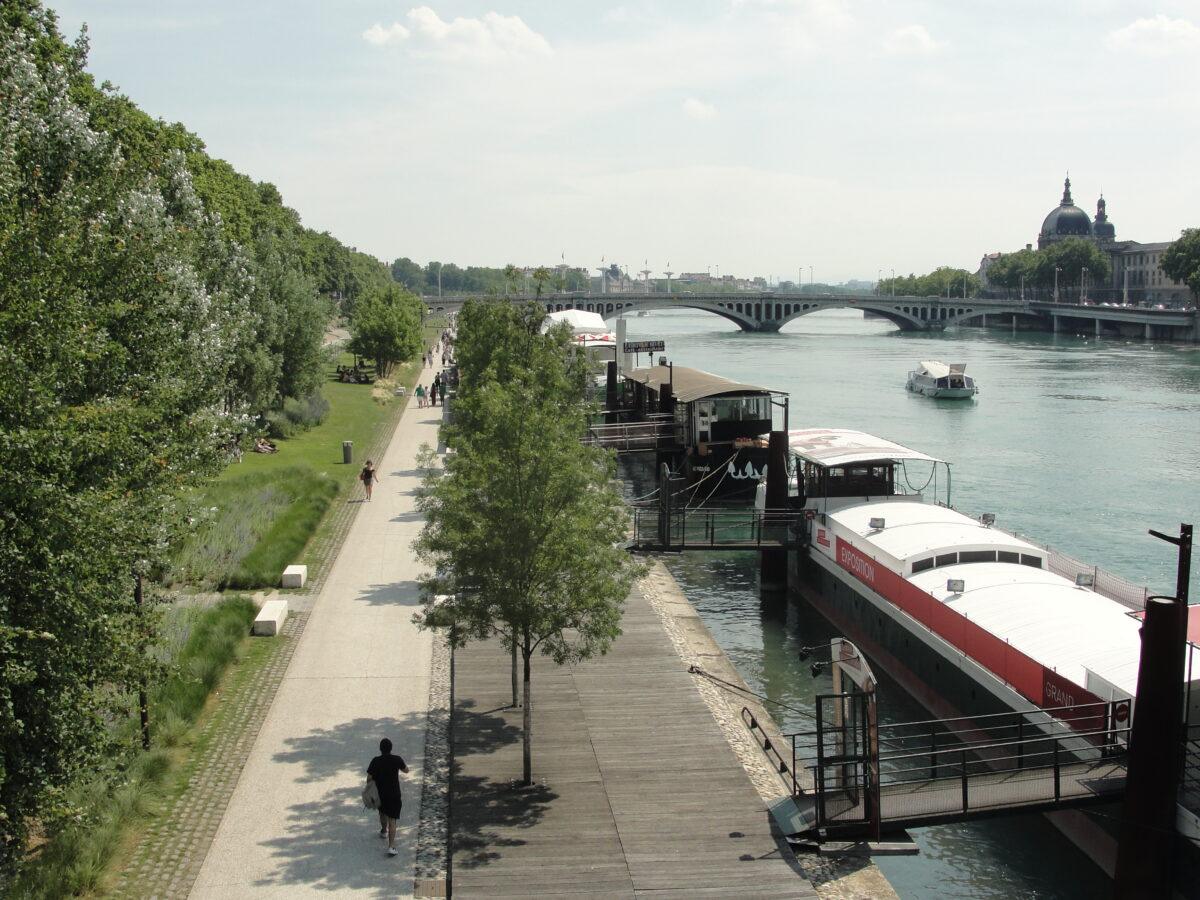
Lyon is situated between plains and hills, with a temperate climate influenced by continental factors: cool winters, hot summers, and occasional thunderstorms. The rivers have shaped both historical and contemporary urbanism, and flood management remains a planning challenge for the metropolis.
Economy, Research and Education
Lyon is a diversified economic hub: pharmaceutical industries, biotech, banks, digital, logistics, and creative industries. The presence of universities and research centers (university, engineering schools, research centers) fuels an innovation ecosystem. The metropolis attracts investments and international conferences, strengthening its European influence.
Transport and Accessibility
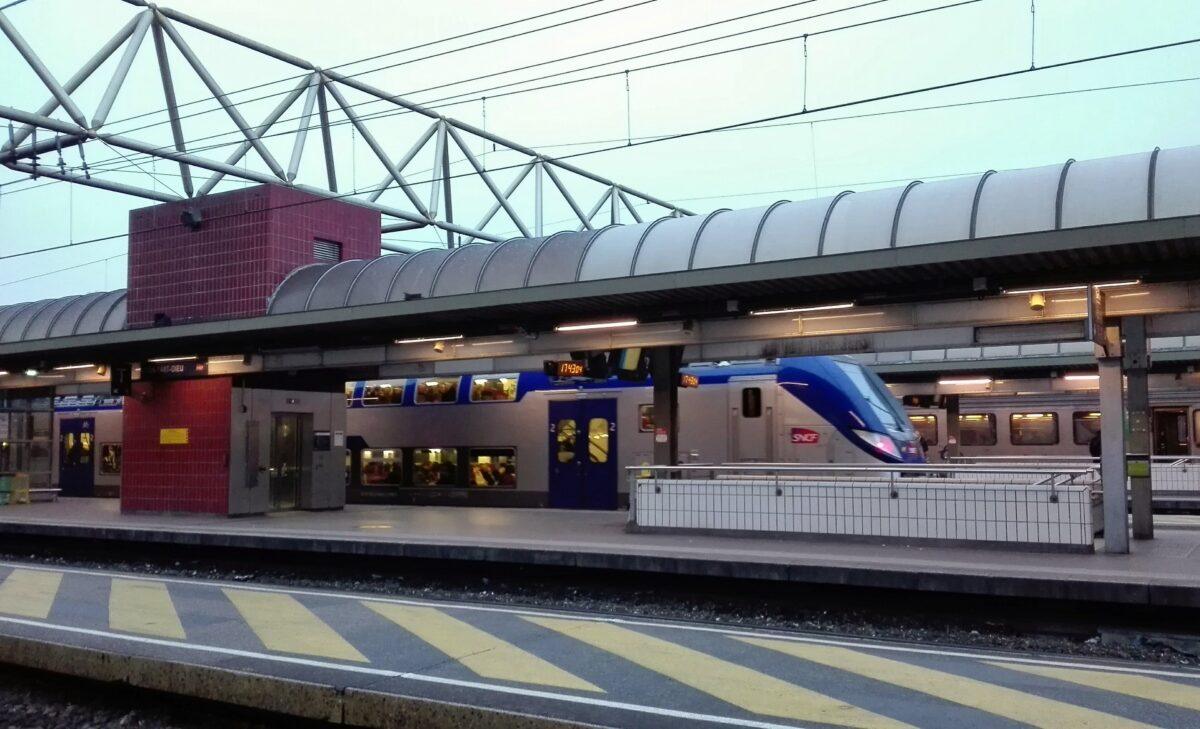
Lyon is served by Lyon-Saint-Exupéry airport, by an extensive rail network (Part-Dieu station, Perrache station), and by a dense public transport network (metro, tram, bus). Lyon-Part-Dieu station is a major TGV hub towards Paris, Marseille, Geneva, and international destinations.
Tourism — Recommended itinerary (3 days)
Optimized itinerary for a weekend or three days:
- Day 1: Old Lyon (Saint-Jean Cathedral), climb to Fourvière, panorama, dinner in a traditional bouchon.
- Day 2: Presqu’île (Place Bellecour, rue de la République), Museum of Fine Arts, walk along the Rhône and Saône quays.
- Day 3: Confluence (Confluences Museum), shopping at Part-Dieu or visit parks and markets (Halles de Lyon Paul Bocuse).
Practical advice: buy the Lyon City Card for museums and transport if you plan several visits; favor spring and autumn to avoid the high summer crowds.
Culture, Events and Gastronomy
Lyon is often considered the gastronomic capital of France: renowned markets (Halles Paul Bocuse), starred restaurants, and the tradition of bouchons. Cultural events (Festival of Lights, Dance Biennale, Nuits de Fourvière) mark the year and attract an international audience.
Contemporary Issues
Among the challenges: ecological transition (air, energy, soft mobility), urban renewal and social inclusion. The metropolis has launched plans (e.g., Lyon 2030) to guide urban transformation towards more resilience and quality of life.
FAQ
1) When to visit Lyon to avoid crowds?
April-June and September-October offer pleasant weather conditions and less crowding than July-August.
2) What is the ideal duration to discover Lyon?
3 days allow you to cover the must-sees: Old Lyon, Fourvière, Presqu’île and Confluence.
3) Is Lyon expensive for accommodation?
Prices vary depending on neighborhoods; Presqu’île and Croix-Rousse are often more expensive than the outskirts; book early for the Festival of Lights.
4) Which dishes should you absolutely try?
Lyon specialties: quenelle, andouillette, tablier de sapeur, grattons, and local cheeses; try the Halles Paul Bocuse.
5) How to get around between the main sites?
The metro and tram are fast; Vieux-Lyon is easily explored on foot; plan comfortable shoes for the climbs up to Fourvière.
6) Is Lyon family-friendly?
Yes: museums for children, parks and outdoor activities nearby, and specific events for families.
Sources and references (selection)
- INSEE — Local file Commune of Lyon (population 2022).
- Grand Lyon — Metropolis of Lyon (data and policies).
- Visiterlyon — Tourist office (practical information).
- Wikipedia — Lyon (history and heritage).
- Wikimedia Commons — images used (Fourvière, Place Bellecour, Quais du Rhône, Gare Part-Dieu).
- Official website of the City of Lyon — local policies and projects (Lyon 2030).