Between colorful houses lined along the canals, wild beaches of the North Sea, and Viking villages, a trip to Denmark offers a very gentle blend of creative city and soothing nature. Based on the latest attendance data published by Visit Denmark (official tourist office), Denmark welcomes about 65 million overnight stays per year, making it a major destination in Northern Europe. According to the Global Peace Index and European safety rankings, the country scores a 9/10 rating for tourism thanks to its stability and ease of travel. Recommended for curious urban travelers, families, couples seeking hygge, and anyone wanting a first stress-free gateway to Scandinavia.
Sommaire
Verdict: Why travel to Denmark in 2025?
A human-sized country for curious travelers
Denmark is a small country, but it concentrates an astonishing density of world-class museums, castles, beaches, and historic villages less than two hours apart. Copenhagen, Aarhus, Odense, or Roskilde are easily connected by train, allowing you to build a very smooth Denmark itinerary without a car. The cycling culture, cozy cafés, and omnipresence of design create a relaxed atmosphere that contrasts with the overcrowded major capitals of the continent.
Rating, travel style, and ideal duration
For a first trip to Denmark, plan 5 to 7 days around Copenhagen and Zealand, or 10 days if you add Jutland and the North Sea dunes. The overall rating is 9/10 for the combination of safety / ease of travel / cultural richness, deducting one point for the high cost of living. This stay is particularly suited to travelers who like to alternate city trips, coastal walks, and fine dining, rather than fans of long wild treks.
Who to recommend Denmark to?
- Couples: romantic weekend in Copenhagen, Christmas markets, design hotels.
- Families: parks like Tivoli Gardens, Legoland Billund, interactive Viking museums.
- Solo travelers: very safe country, simple transport, English-speaking population.
- Culture lovers: numerous UNESCO sites, contemporary architecture, art museums.
- Sea lovers: long beaches of Jutland, dunes of Skagen, cliffs of Møns Klint.
Strengths and limits of a trip to Denmark
The major assets for travelers
- Exemplary safety: Denmark regularly ranks among the safest in Europe according to the Global Peace Index, with very low violent crime and high public trust.
- Short distances: in two hours by train, you can travel from Copenhagen to Aarhus, or from the capital to the Baltic cliffs.
- Efficient public transport: automatic metro in Copenhagen, dense railway network, convenient coastal buses.
- Diverse heritage: Renaissance castles, Gothic cathedrals, Viking sites, design museums.
- Very accessible nature: dunes, forests, national parks, and bird reserves just a few kilometers from the cities.
What may surprise or disappoint
- High prices: according to Numbeo (international cost of living database), accommodation, restaurants, and alcohol are noticeably more expensive than in most Western European countries.
- Changeable weather: even in summer, wind and rain can appear, especially on the Jutland coasts.
- Short nights in summer, long in winter: ideal or disorienting depending on your sensitivity to light.
- “Gentle” landscape: no high mountains or spectacular fjords like in Norway, but a more subtle nature.
A traveler choosing Denmark in 2025 is looking less for a “shock” of landscape than for an easy-going country where everything works: trains, bikes, wifi, children’s museums, cozy cafés in winter, and terraces in summer. It is a destination of comfort and gentleness rather than adrenaline.
When to go to Denmark? Seasons, weather, and atmosphere
Bright summer: ideal for a first visit
Between June and August, the days are long (up to 17 hours of light) and temperatures hover around 15–22 °C. It is the best time to enjoy the terraces of Nyhavn, the beaches of Jutland, and outdoor festivals. According to travel guides specialized in Scandinavia, summer is generally the most pleasant season for a first trip to Denmark in summer, although it also corresponds to the peak of visitors and the highest prices.
Spring and autumn: hygge, colors, and good deals
From April to June, the atmosphere is calmer and prices are gentler. Copenhagen’s parks turn green, Aarhus is covered with tulips, and the beaches empty of their rare crowds. Autumn, especially in September-October, brings beautiful colors in the forests and a climate still suitable for walks, while inviting candlelit hygge evenings. Many guides recommend these “in-between” seasons for quieter tourism, with still enough light to enjoy the days.
Nordic winter and Christmas markets
From November to February, Denmark dresses up in lights. Copenhagen multiplies its Christmas markets in Denmark, notably at Tivoli Gardens, with ice skating rinks, illuminated rides, and stalls selling steaming gløgg. The days are short and the weather sometimes harsh, but prices drop, and the winter atmosphere is very exotic for a short city-centered stay.
| Season | Atmosphere | Average Temperatures | Hours of Light | Ideal for |
|---|---|---|---|---|
| Spring (Apr-May) | Beginning of light, flowers, fewer crowds. | 8–15 °C | 14–16h | City trips, cycling, moderate budget. |
| Summer (Jun-Aug) | Very long days, festive atmosphere. | 15–22 °C | 16–17h | First trips, beaches, festivals. |
| Autumn (Sep-Oct) | Warm colors, hygge, fewer tourists. | 8–18 °C | 10–12h | Gastronomy, culture, road trips. |
| Winter (Nov-Feb) | Cold, early nightfall, Christmas markets. | 0–5 °C | 7–9h | Short getaways, cozy atmosphere. |
What to See in Denmark: Cities, Castles, and Nature
Copenhagen, Capital of Design and Canals
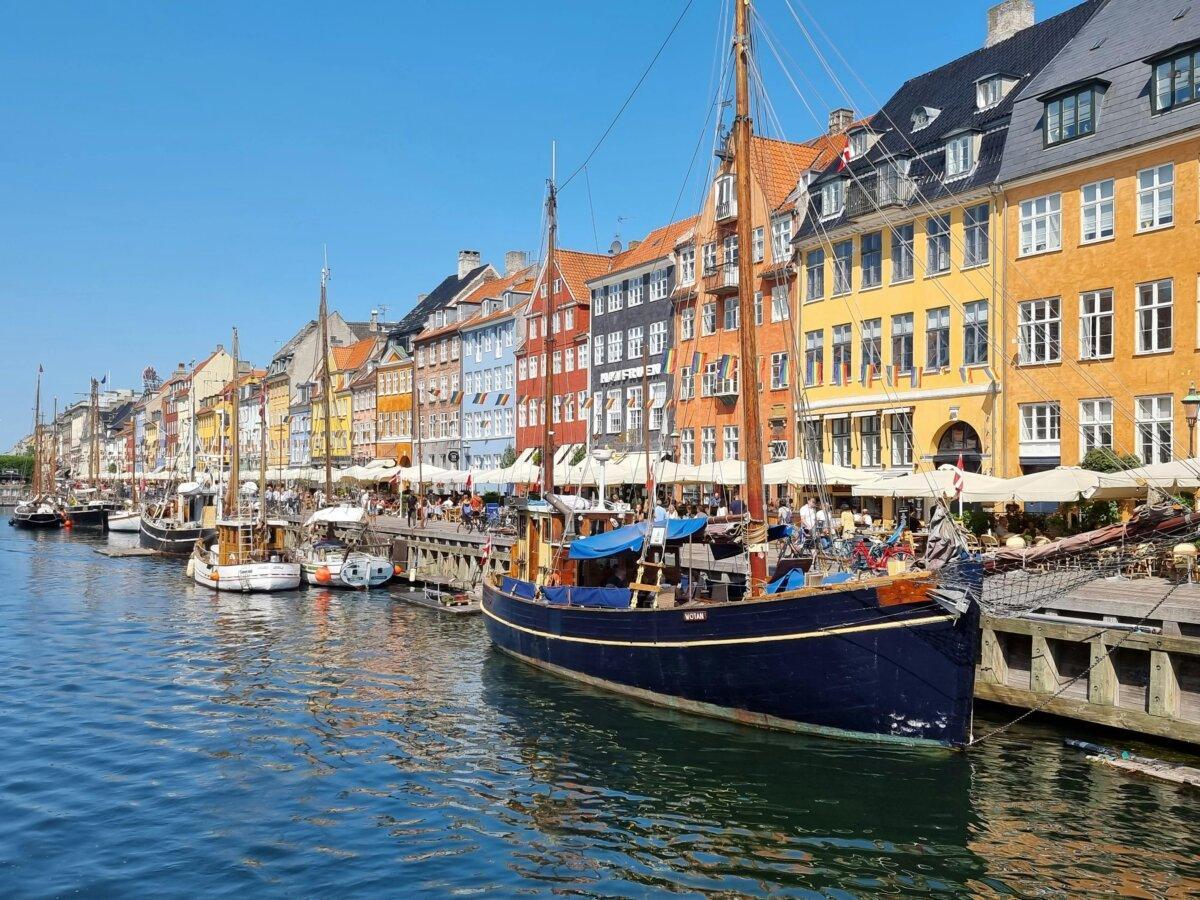
A trip to Denmark almost inevitably includes Copenhagen. The city center can be explored on foot or by bike, between the Nyhavn canal, the statue of the Little Mermaid, the alternative district of Christiania, and the Frederiksberg greenhouses. In the evening, the historic rides of Tivoli Gardens light up, one of the oldest amusement parks in the world and a benchmark in all tourist rankings.
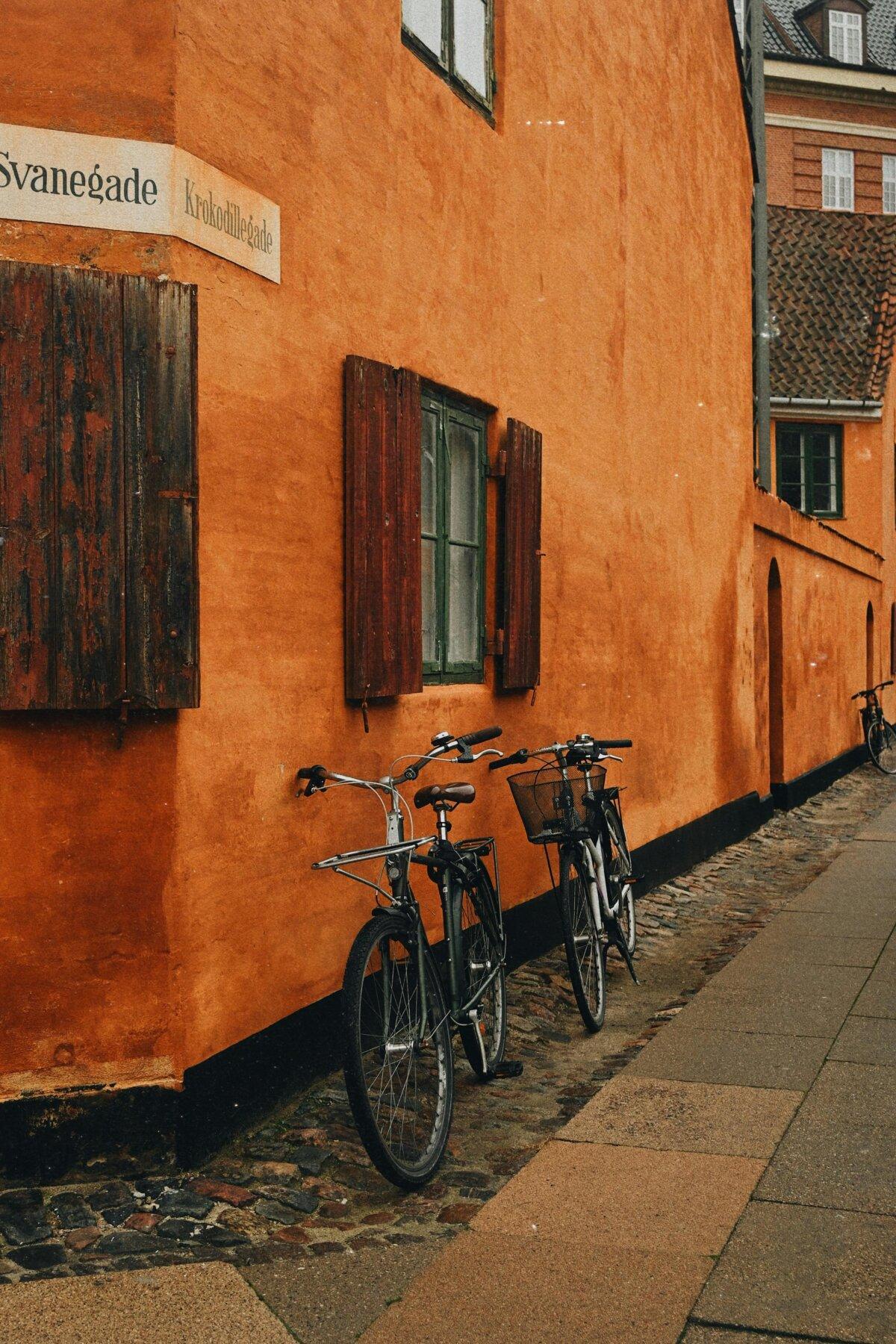
The city will delight fans of Scandinavian design: furniture showrooms, minimalist concept stores, and cafes with a “slow” spirit. On the gastronomy side, offerings range from street hot dogs to starred restaurants, with a strong emphasis on seafood and contemporary Nordic cuisine.
Aarhus, Cultural Capital by the Sea
The country’s second city, Aarhus combines a half-timbered historic center with contemporary architecture. Visitors can explore the ARoS art museum, famous for its circular rainbow walkway on the roof, as well as Den Gamle By, an open-air museum showcasing several centuries of Danish urban life.
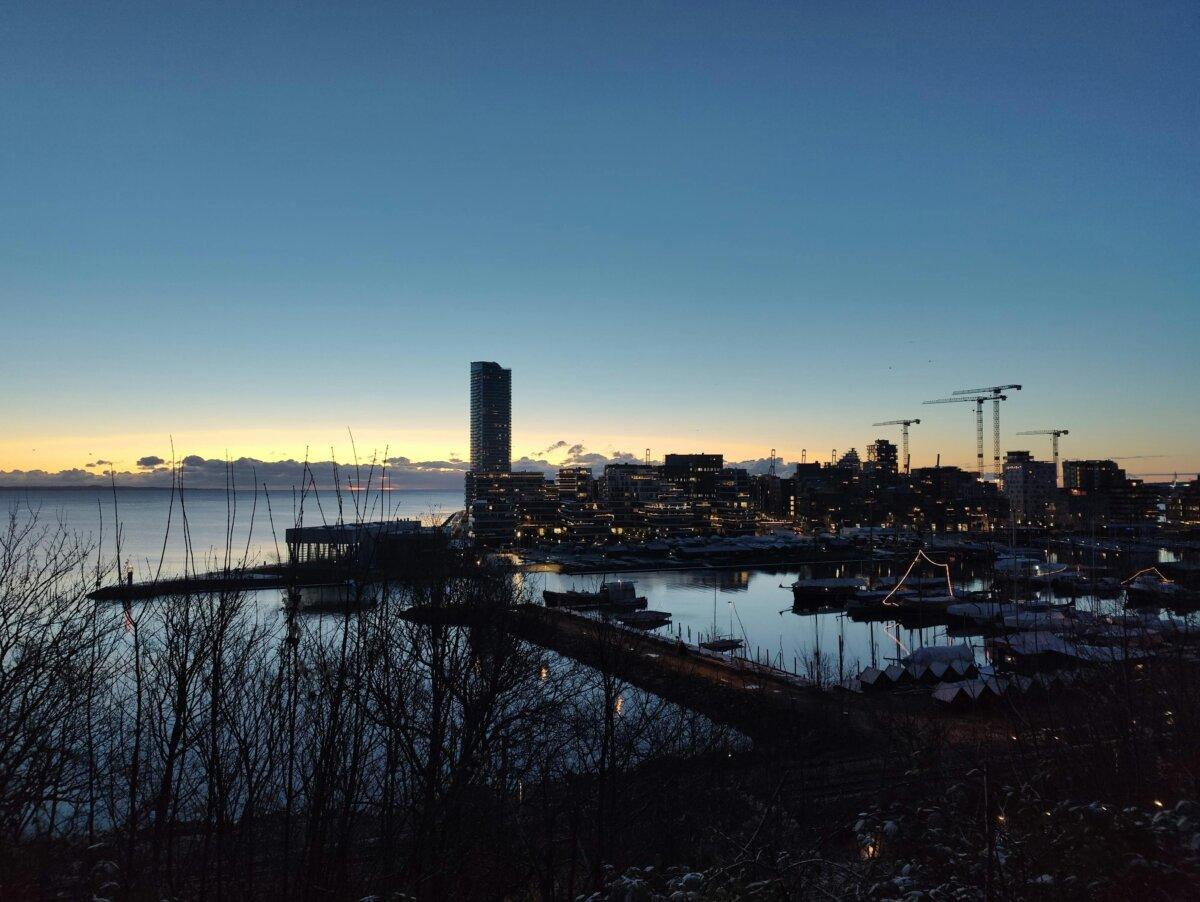
Surrounding the city, the Marselisborg forests and the coast offer many walks. Aarhus is well suited for a Scandinavian trip combining several cities: ferries and trains connect it to the rest of the country and to Sweden.
Castles, Vikings, and UNESCO Heritage
Denmark officially has several UNESCO World Heritage sites: the Roskilde Cathedral, the burial mounds and runestones of Jelling, the hunting landscape of North Zealand, and of course Kronborg Castle, made famous by Hamlet. An excellent day trip idea is to take the train to Helsingør from Copenhagen to visit Kronborg and its impressive fortification system.
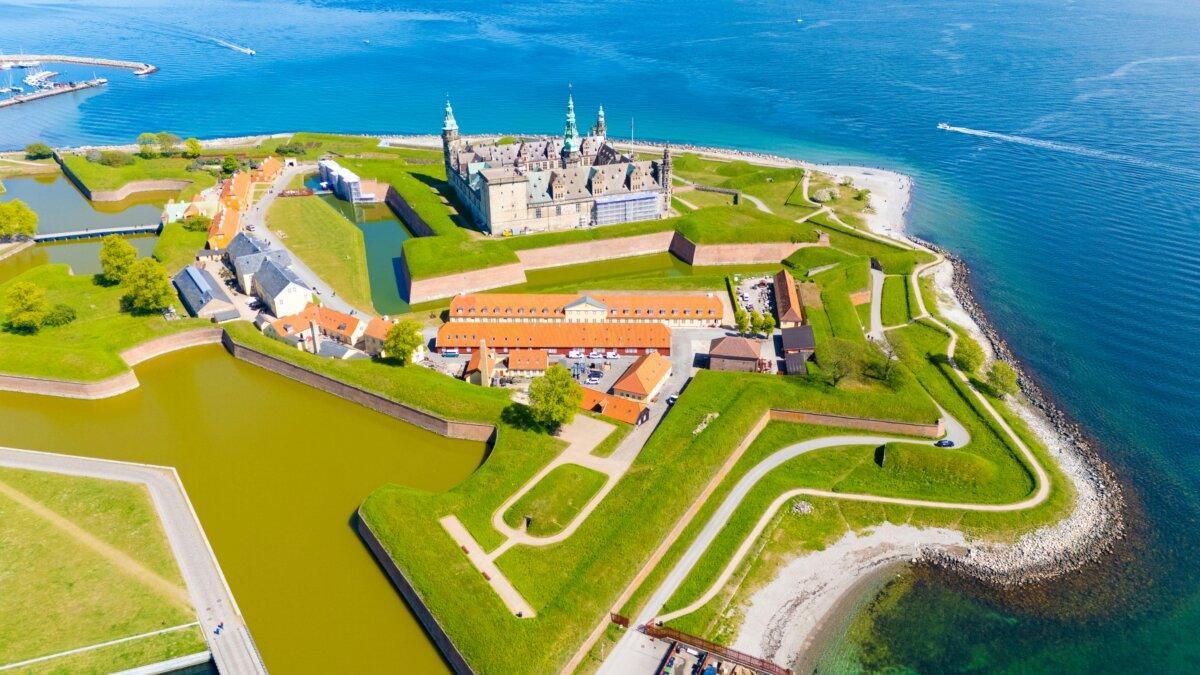
To dive into Viking culture, head to Roskilde and its Viking Ship Museum, or the historic sites of Jelling in Jutland. These places give a strong historical depth to a trip to Denmark, far from the sole image of a “design” country.
Danish nature: white cliffs, dunes, and the North Sea
The country has no high peaks, but it offers 7,000 km of coastline and an impressive variety of maritime landscapes. To the east, the cliffs of Møns Klint plunge into turquoise waters. The site is one of the most spectacular in the country, with marked trails, a geological center, and a Dark Sky Park label for star observation.
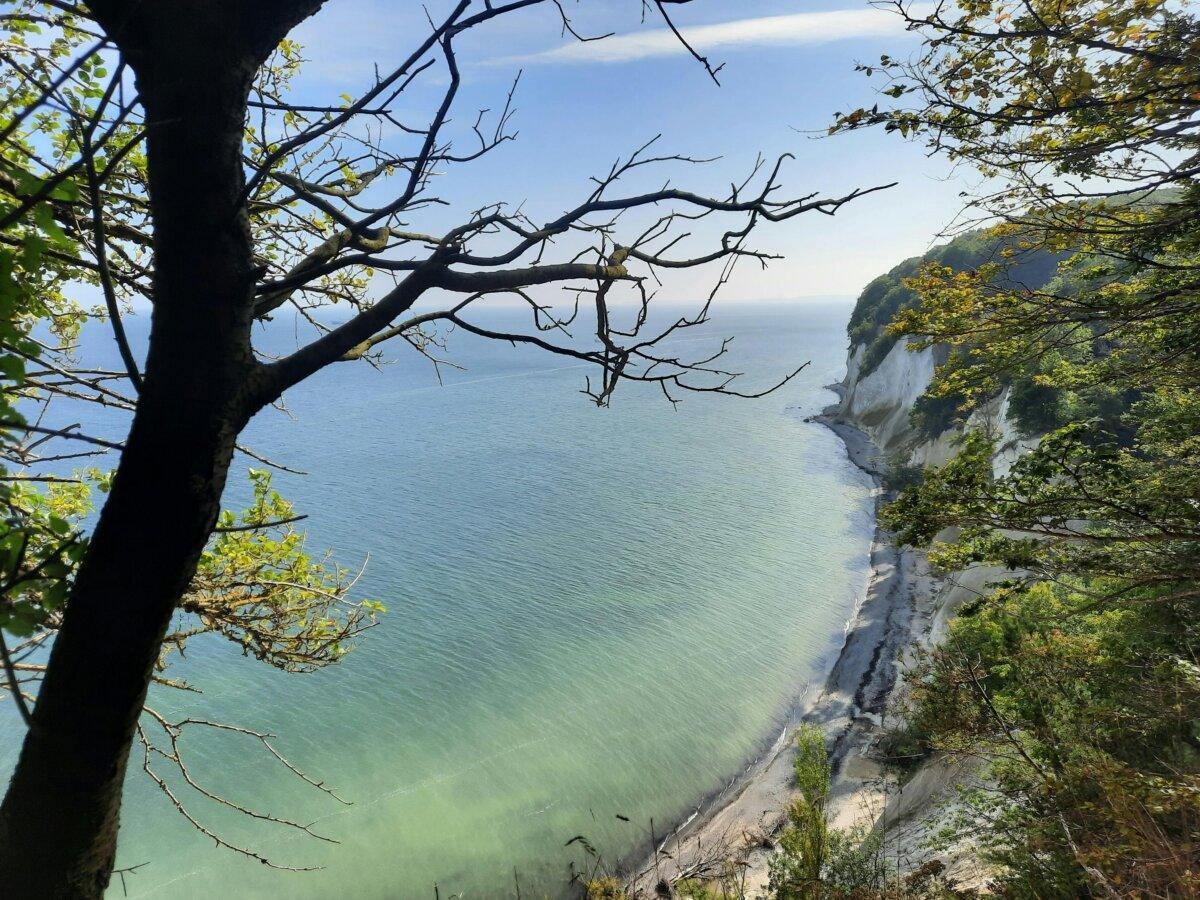
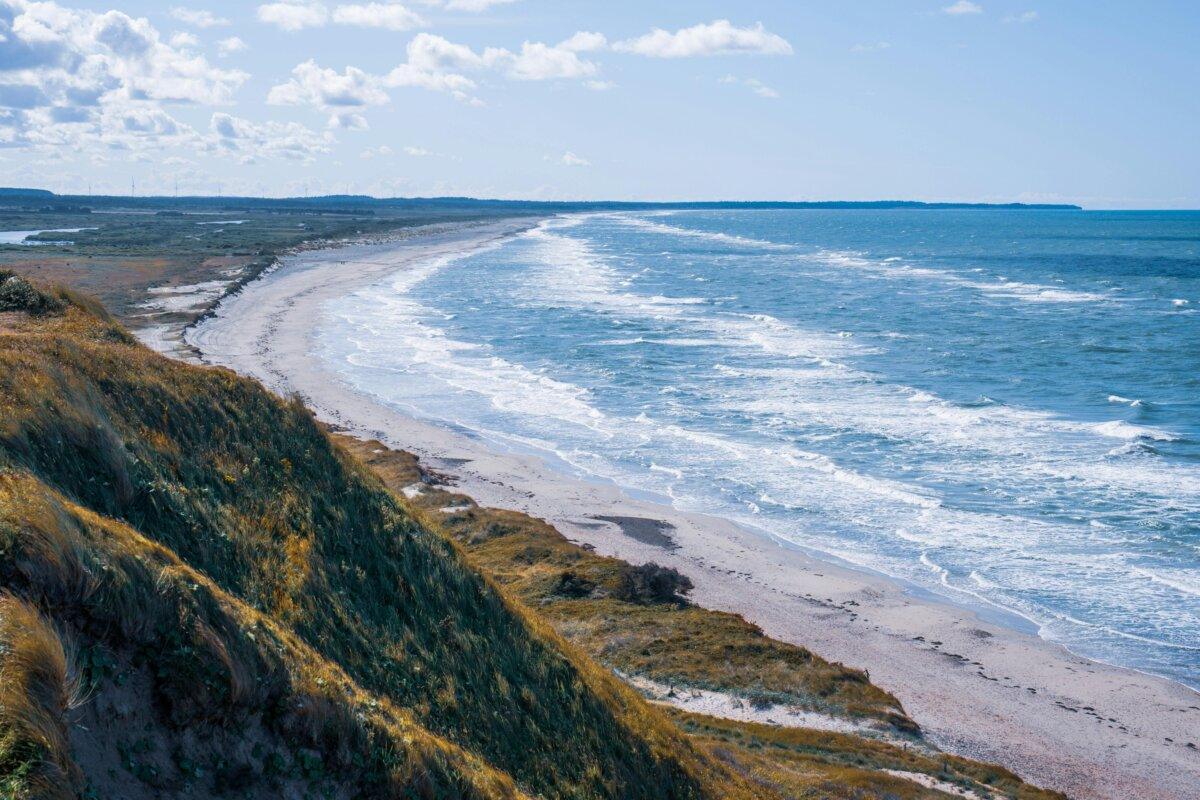
To the north, the Skagen region sees the meeting of the North Sea and the Baltic, with large blonde dunes, sanded-in churches, and artist villages. Further south, the western Jutland coast and the Wadden Sea (UNESCO-listed) attract bird lovers and fans of vast windy beaches.
Itinerary ideas for 5 to 10 days in Denmark
Denmark trip 5 days: Copenhagen, castles, and cliffs
- Day 1: arrival in Copenhagen, stroll in the city center, Nyhavn canal, canal cruise.
- Day 2: visit Tivoli Gardens, the Vesterbro district, and the waterfront (Opera, CopenHill).
- Day 3: train excursion to Roskilde (cathedral and Viking ships).
- Day 4: Helsingør and Kronborg, return via the Swedish shore (Helsingborg) if you like country combinations.
- Day 5: excursion to Møns Klint (by car or bus + shuttle), late return to Copenhagen.
Itinerary 8–10 days: cities, islands, and the North Sea
- Days 1–3: Copenhagen program as above.
- Day 4: train to Aarhus, visit ARoS and the city center.
- Day 5: Den Gamle By and a walk in Marselisborg forest.
- Day 6: bus or car to the west coast (Hvide Sande, Thyborøn) to feel the North Sea wind.
- Day 7: head north to Skagen, Råbjerg Mile dune, Grenen.
- Day 8: return to Copenhagen via Aalborg or Odense (hometown of Hans Christian Andersen).
- Days 9–10: if you have more time, extension to the island of Bornholm or a seaside stay in southern Zealand.
| Duration | Regions covered | Total train/car distance | Type of trip |
|---|---|---|---|
| 5 days | Copenhagen, Zealand, Møns Klint. | ~300 km | City trip + light nature, without car. |
| 8 days | Copenhagen, Aarhus, west coast. | ~800 km | Mix of cities and beaches, train + bus. |
| 10 days | Add Skagen, possibly Bornholm. | ~1200 km | Complete road trip, more freedom. |
Budget, transport and logistics for a trip to Denmark
What budget to plan?
Denmark is among the European countries with the highest daily cost for travelers, with an average budget estimated around €100 per day per person for a “comfort” level stay (decent accommodation, simple restaurants, and some visits). According to Numbeo and confirmed by statistics from the Danish Ministry of Labor, expenses in Copenhagen range between 650 to 1,400 DKK (about €85–190) per day depending on travel style, and about 500 DKK per day for an average 5-night stay in the provinces.
| Profile | Estimated daily budget | Accommodation (night) | Food (day) | Visits/activities | Travel style |
|---|---|---|---|---|---|
| Economical | €70–90 | €40–50 | €20–25 | €10–15 | Hostel, cooking, few paid outings. |
| Comfort | €100–140 | €70–90 | €25–35 | €15–25 | Mid-range hotel, simple restaurants, museums. |
| Comfort + | €150–200 | €100–150 | €40–60 | €20–30 | Good hotels, gourmet restaurants, and excursions. |
Getting around: trains, buses, metro, and bike
The main routes are served by fast and punctual trains; local connections are supplemented by buses and ferries. In Copenhagen, the City Pass and single tickets allow combining metro, bus, and suburban trains from the airport. For intensive sightseeing stays, the Copenhagen Card provides access to over 80 attractions and the transport network, often with a good saving if you visit several museums and castles.
The rechargeable Rejsekort ticket is becoming a single mobile app for the entire country via the Danish Ministry of Transport, which further simplifies travel between regions. In cities, renting a bike is almost mandatory to feel the local rhythm: dedicated infrastructure, respect for cyclists, and reasonable distances make cycling very comfortable.
Safety, language, payment: practical information
Denmark is widely regarded as one of the safest countries in Europe according to the Global Peace Index, with low violent crime. However, reports from the U.S. Department of State and European security alerts remind that pickpockets remain present in highly touristy areas of Copenhagen, such as Nyhavn or crowded public transport. A minimum of vigilance is usually enough: keep your bag closed, don’t keep your wallet in your back pocket, etc.
Most Danes speak excellent English, which removes language stress. The currency is the Danish krone (DKK), very stable and closely linked to the euro at around 1 DKK ≈ €0.13 according to current exchange rates. Card payments are accepted almost everywhere, including for small amounts, which helps limit cash exchanges.
For a peaceful stay, consider Denmark as a “cashless” country where the bank card reigns, where English opens all doors, and where the only unpleasant surprises mostly come from restaurant bills if you don’t check the prices. ite>Security & budget advisor, Northern Europe zone
Culture, Gastronomy and the Hygge Way of Life
Hygge, Design and Daily Life
The famous Danish hygge (concept of well-being and conviviality) is concretely expressed through cafés with soft lighting, candles in winter, warm colors in apartments, and a taste for simple moments with friends. Copenhagen has even been ranked among the world’s most “happy” cities, which is felt in how public spaces are designed: benches facing the water, well-maintained parks, safe bike lanes. A trip to Denmark is as much an immersion in this culture of well-being as it is a series of visits.
What You Absolutely Must Taste
It is impossible to visit Denmark without trying smørrebrød (open-faced sandwiches), cinnamon rolls, pickled herrings, and hot dogs topped with remoulade and fried onions. In winter, the Christmas markets abound with gløgg (spiced mulled wine), spiced cookies, and roasted meat sandwiches. The big cities also offer a very creative modern Nordic cuisine scene, with many local products, fermentation, and carefully prepared vegetarian menus.
Traveling Responsibly in Denmark
The country strongly focuses on low-carbon transport (biking, train, metro) and rigorous waste management, as highlighted by initiatives from the Danish Ministry of the Environment. As a traveler, it is easy to adopt the same habits: prioritize walking and biking, choose committed accommodations, respect the fragility of dunes and cliffs by staying on marked paths. Sites like Møns Klint or the Wadden Sea also promote wildlife and night sky protection programs, which visitors help fund through entrance or parking fees.
Denmark exemplifies a new way of traveling in Europe: destinations accessible by train, a focus on local experiences rather than consumption, and genuine attention to the quality of life for both residents and visitors.
FAQ: Preparing Your Trip to Denmark
What Budget Should You Plan for a Week in Denmark?
For a week of travel in Denmark in “comfort” mode, plan between 700 and 1,000 € per person (excluding international transport). This budget covers a decent hotel, meals at restaurants once or twice a day, public transportation, and several paid visits. A very economical stay in a hostel and cooking for yourself can go down to around 500 €, while a gourmet city trip to the best tables in Copenhagen will easily exceed 1,500 €.
Is Denmark suitable for children?
Yes, it is one of the easiest destinations for a family trip in Europe. Strollers are welcome on public transport, many museums offer interactive spaces, and amusement parks like Tivoli Gardens or Legoland Billund are designed for children of various ages. Danes have a very family-oriented culture, which makes the welcome simple in restaurants and cafes.
Is it necessary to rent a car to visit Denmark?
It is not essential for a first trip focused on Copenhagen, Roskilde, Helsingør, and Aarhus: the train covers these routes very well. A car becomes interesting if you want to explore more deeply the west coast of Jutland, more isolated beaches, or combine several islands in a short time. Then consider bridge tolls and fuel costs in your Denmark budget.
Where to see traces of the Vikings in Denmark?
The main sites are the Roskilde Viking Ship Museum, the Jelling complex (mottes, church, and UNESCO-listed runestones), and some regional museums in Jutland. Several Viking village reconstructions organize craft demonstrations, simulated fights, or traditional boat outings, ideal for understanding the country’s history without overly theoretical discourse.
Can you see the Northern Lights from Denmark?
Denmark is located too far south to guarantee frequent Northern Lights. Light phenomena can sometimes be observed in northern Jutland during strong solar storms, but it is not a realistic goal for a short trip. If the Northern Lights are a priority, it is better to plan an extension to Norway, northern Sweden, or Iceland, and consider Denmark as an urban and cultural stop in your Scandinavian trip.
What documents are required to enter Denmark?
For citizens of the European Union and the Schengen area, a valid identity card or passport is sufficient. Denmark is part of the Schengen area, which means there is generally no systematic control at internal borders, although occasional controls may be reinstated. Travelers outside the EU should refer to the visa conditions in force for the Schengen zone.
Can you pay in euros in Denmark?
The official currency is the Danish krone (DKK). Some very touristy areas in Copenhagen accept euros, but the exchange rate applied is rarely favorable. The easiest is to use a bank card with low exchange fees or withdraw some cash in DKK for small expenses. Card usage is extremely widespread, including for a takeaway coffee.
How much time is needed for a first trip to Denmark?
For a balanced overview between city and nature, 5 to 7 days is enough: three days in Copenhagen, one day of castles (Roskilde or Helsingør), an excursion to Møns Klint or the coast, and possibly one night in Aarhus. With 10 days, you can add northern Jutland or the island of Bornholm and turn this trip into a true Danish road trip.
Can you combine Denmark and Sweden in the same trip?
Yes, it is even one of the great advantages of a trip to Denmark. The Øresund Bridge connects Copenhagen to Malmö in about thirty minutes by train. Many travelers take advantage of this proximity to spend a day in Sweden, or even to build an itinerary Copenhagen–Malmö–Gothenburg. Train tickets are frequent and the organization remains very simple as long as you limit the number of transfers.
{ “@context”: “https://schema.org”, “@type”: “FAQPage”, “mainEntity”: [ { “@type”: “Question”, “name”: “What budget should be planned for a week in Denmark?”, “acceptedAnswer”: { “@type”: “Answer”, “text”: “For a week-long trip to Denmark in “comfort” mode, plan between €700 and €1,000 per person (excluding international transport). This budget covers a decent hotel, meals at restaurants once or twice a day, public transport, and several paid visits. A very economical stay in a hostel can go down to around €500, while a gourmet city trip can exceed €1,500.” } }, { “@type”: “Question”, “name”: “Is Denmark suitable for children?”, “acceptedAnswer”: { “@type”: “Answer”, “text”: “Yes, it is one of the easiest destinations for a family trip in Europe. Strollers are welcome on public transport, many museums offer interactive spaces, and amusement parks like Tivoli Gardens or Legoland Billund are designed for children of various ages. Danes have a very family-oriented culture, which makes the welcome simple in restaurants and cafes.” } }, { “@type”: “Question”, “name”: “Is it necessary to rent a car to visit Denmark?”, “acceptedAnswer”: { “@type”: “Answer”, “text”: “It is not essential for a first stay focused on Copenhagen, Roskilde, Helsingør, and Aarhus: the train covers these routes very well. A car becomes interesting if you want to explore more deeply the west coast of Jutland, more isolated beaches, or combine several islands in a short time. Then consider bridge tolls and fuel costs in your Denmark budget.” } }, { “@type”: “Question”, “name”: “Where to see traces of Vikings in Denmark?”, “acceptedAnswer”: { “@type”: “Answer”, “text”: “The main sites are the Viking Ship Museum in Roskilde, the Jelling complex (mounds, church, and runic stones listed as UNESCO), and some regional museums in Jutland. Several reconstructions of Viking villages organize craft demonstrations, simulated battles, or traditional boat trips, ideal for understanding the country’s history without too theoretical a discourse.” } }, { “@type”: “Question”, “name”: “Can you see the northern lights from Denmark?”, “acceptedAnswer”: { “@type”: “Answer”, “text”: “Denmark is located too far south to guarantee frequent northern lights. Light phenomena can sometimes be observed in northern Jutland during strong solar storms, but it is not a realistic goal for a short trip. If the northern lights are a priority, it is better to plan an extension to Norway, northern Sweden, or Iceland.” } }, { “@type”: “Question”, “name”: “What documents are required to enter Denmark?”, “acceptedAnswer”: { “@type”: “Answer”, “text”: “For citizens of the European Union and the Schengen area, a valid identity card or passport is sufficient. Denmark is part of the Schengen area, which means there are generally no systematic controls at internal borders. Travelers outside the EU must refer to the visa conditions in force for the Schengen zone.” } }, { “@type”: “Question”, “name”: “Can you pay in euros in Denmark?”, “acceptedAnswer”: { “@type”: “Answer”, “text”: “The official currency is the Danish krone (DKK). Some very touristy areas of Copenhagen accept euros, but the exchange rate applied is rarely favorable. The simplest is to use a bank card with low exchange fees, or to withdraw some cash in DKK for small expenses. Card usage is extremely widespread, including for a takeaway coffee.” } }, { “@type”: “Question”, “name”: “How long is needed for a first trip to Denmark?”, “acceptedAnswer”: { “@type”: “Answer”, “text”: “For a balanced overview between city and nature, 5 to 7 days are enough: three days in Copenhagen, one day of castles (Roskilde or Helsingør), an excursion to Møns Klint or the coast, and possibly one night in Aarhus. With 10 days, you can add northern Jutland or the island of Bornholm and turn this stay into a real Danish road trip.” } }, { “@type”: “Question”, “name”: “Can Denmark and Sweden be combined in the same trip?”, “acceptedAnswer”: { “@type”: “Answer”, “text”: “Yes, it is even one of the great advantages of a trip to Denmark. The Øresund Bridge connects Copenhagen to Malmö in about thirty minutes by train. Many travelers take advantage of this proximity to spend a day in Sweden, or even to build a Copenhagen–Malmö–Gothenburg itinerary. Train tickets are frequent and the organization remains very simple as long as you limit the number of changes.” } } ] }