Quick verdict: Singapore at a glance
For a first immersion in Asia, Singapore scores 8.7/10. The city combines exceptional safety, ultra-efficient public transport, a fascinating cultural mix (Chinese, Malay, Indian, Peranakan), and a rather unique sense of urban design. The downside: a high cost of living and constant heat, with temperatures around 26–32 °C year-round and significant humidity.
Recommended for: curious travelers who love contemporary architecture, foodies, families looking for an easy-to-organize trip, couples on a city break combined with Malaysia, Thailand, or Bali.
Highlights and limitations of a trip to Singapore
- Safety and cleanliness: very safe city, clean streets, well-monitored transport, ideal for a first trip to Asia or solo travel.
- Public transport: dense MRT network, frequent buses, affordable taxis/ride-hailing for short distances.
- Concentration of experiences: in a few days, you can visit tropical gardens, rooftop bars, museums, temples, street food, and beaches.
- Cuisine: hawker centres like Maxwell Food Centre or Lau Pa Sat, Chinese, Indian, Malay, Peranakan cuisine, easy vegetarian options.
- Connectivity: widely available Wi-Fi, easy eSIMs, contactless payments widely accepted according to the Singapore Tourism Board.
- High overall cost: central accommodations and alcohol are expensive; street food partly compensates.
- Fatiguing climate: constant humid heat, frequent showers, more than 170 rainy days per year.
- Very urban aspects: those dreaming of wild nature or charming small towns may sometimes be frustrated.
- Strict rules: high fines for certain behaviors (littering, jaywalking, vaping…), important to know before departure.
“Singapore is less a simple stopover than a laboratory of the city of tomorrow: hyper-dense, tall, green, air-conditioned, but where you can still hear the percussion of an Indian temple or the call to prayer between two skyscrapers.”
Field scouting notebook, La Plume Cartographe, 2024.
Methodology of this travel guide
This guide is based on several sources: official statistics from SingStat, releases from the Singapore Tourism Board, the UN Tourism dashboard for post-pandemic recovery, as well as attendance analyses compiled by specialized sites like RoadGenius. Added to this are recent field reports (2023–2025) and exchanges with French-speaking guides based locally.
We evaluated Singapore according to 7 criteria: air accessibility, climate and seasonality, cultural interest, quality of gastronomy, family offerings, value for money, and possibilities to combine with other Southeast Asian destinations. Budgets remain estimates and vary depending on the period, flight bookings, and the level of comfort sought.
When to go to Singapore: climate, seasons, and crowd levels
Located a few degrees from the equator, Singapore experiences a humid equatorial climate: no true cool season, but two monsoons (December–March and June–September) separated by inter-monsoon periods. Local meteorological services describe stable temperatures, strong daily variations, and a high number of rainy days.
Travel agencies and tourism data aggregators agree in recommending February–April (slightly drier weather, major events like Chinese New Year) and July–August for festivals and sales, while reminding that the destination remains visitable all year round.
| Period | Typical Weather | Atmosphere & Crowds |
|---|---|---|
| December – February | More showers, northeast monsoon, temperatures around 31 °C. | Year-end festivities, Chinese New Year; higher prices, crowds at Marina Bay. |
| February – April | Relatively drier period, heavy but bearable heat with breaks. | Good weather/crowd balance, ideal for walking tours and rooftops. |
| June – September | Southwest monsoon, short thunderstorms late in the day, generous sunshine. | Summer holidays, F1 Grand Prix, concerts, heavy crowds but electric atmosphere. |
| October – November | More humid inter-monsoon, frequent afternoon storms. | Fewer tourists; good opportunity to enjoy softer hotel deals. |
Recent attendance statistics show that the busiest months for international arrivals are generally July, August, March, January, and February, with a peak in summer, confirming the strong summer appeal and during major holidays.
What to see in Singapore: neighborhoods and must-see places
Marina Bay and the futuristic waterfront
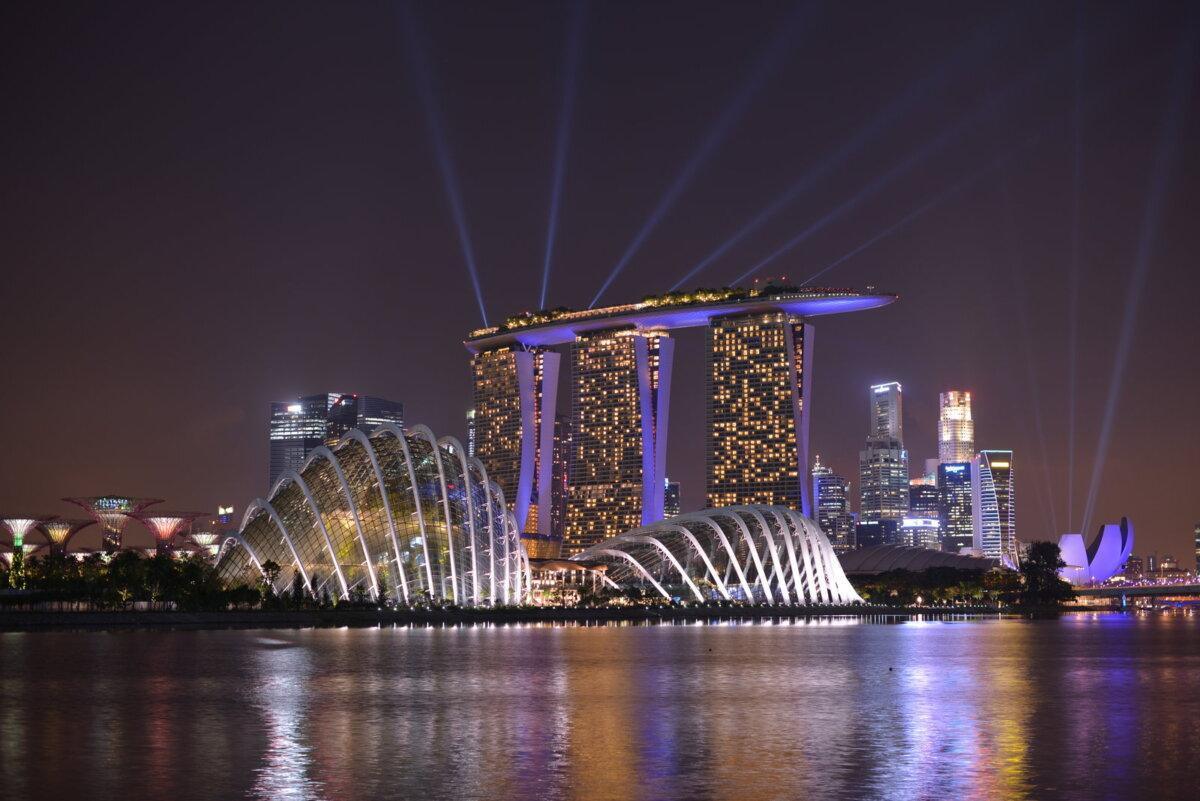
For many, Marina Bay is the postcard image of Singapore: the triptych of the Marina Bay Sands hotel, the domes of Gardens by the Bay, the Merlion spouting its water jet towards the skyline. By day, you stroll on the walkways (Helix Bridge, Jubilee Bridge); at night, the bay turns into a show stage with light shows, lasers, and reflections of the towers in the water.
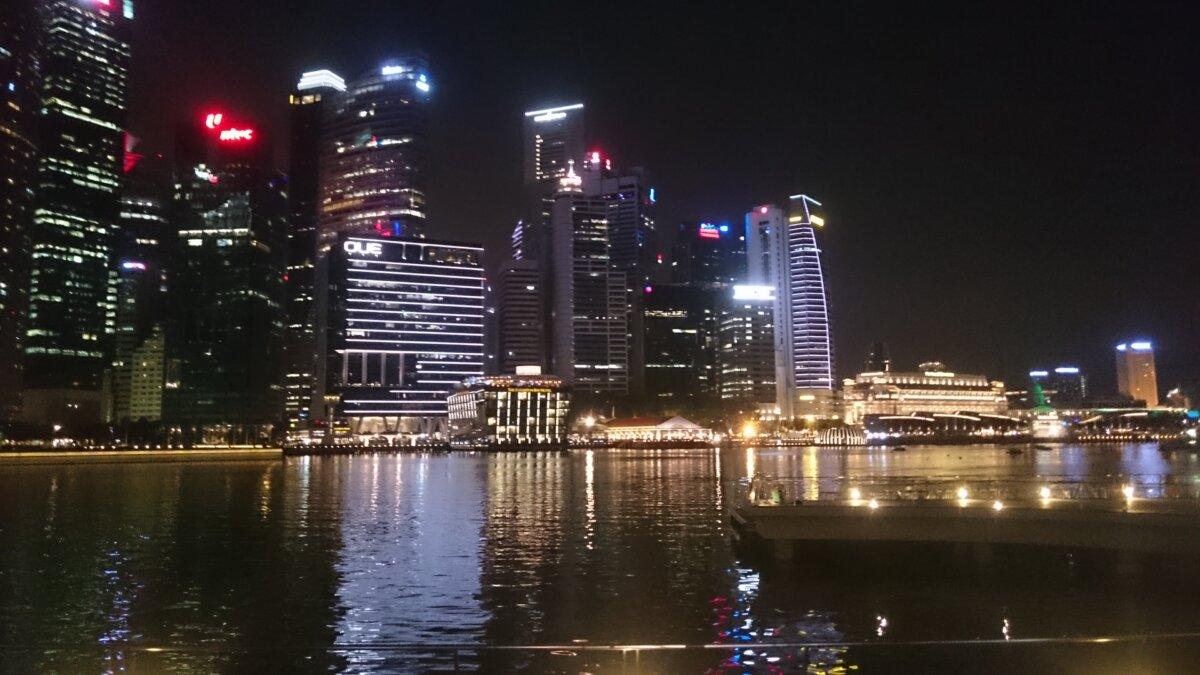
Plan at least one full evening on site: circular walk around the bay, sound and light show, cocktail on a rooftop or simply watching the ballet of boats in the port in the background.
Gardens by the Bay and Supertree Grove
On the south shore of Marina Bay, Gardens by the Bay embodies the ambition of a “city in a garden” promoted by Singapore: huge air-conditioned greenhouses, a Cloud Forest with an indoor waterfall, the Flower Dome, and especially the Supertree Grove, these vegetated structures 25 to 50 m high that light up every evening.

Access to the outdoor gardens is free, but entry to the greenhouses and the suspended walkway is paid and it is better to book an evening slot when the heat drops a bit. The site is among the top attractions for travelers.
Chinatown, Little India and Kampong Glam: three worlds within a few stations
Chinatown concentrates Chinese temples and souvenir shops, but also more authentic alleys around Club Street and Ann Siang Hill. You will find the elegant Buddha Tooth Relic temple, restored merchant houses, and very busy hawker centres.

A few MRT stations away, Little India offers a completely different setting: Hindu temples, colorful Art Deco facades, the smell of spices, sari shops, and vegetarian restaurants. Further east, the Malay-Muslim district of Kampong Glam revolves around the Sultan Mosque and the streets of Arab Street and Haji Lane, vibrant with street art, stylish cafes, and small shops.
Hawker centres and culinary culture
Impossible to talk about Singapore without mentioning its hawker centres, large popular halls where each stall specializes: noodles, satay, dim sum, laksa… The city-state even boasts Michelin-starred stalls. The cost remains reasonable (5 to 8 S$ for a common dish), which somewhat balances the overall budget.

Among the emblematic addresses: Maxwell Food Centre, Lau Pa Sat, Newton Food Centre, Old Airport Road Food Centre… Culinary culture is clearly one of the primary reasons for traveling to Singapore.
Sentosa and urban beaches
The island of Sentosa is Singapore’s playground: artificial but pleasant beaches, amusement parks, S.E.A. Aquarium, treetop adventure courses, golf courses, and seaside hotels. It is accessible by cable car, monorail, or even on foot from the VivoCity shopping mall.
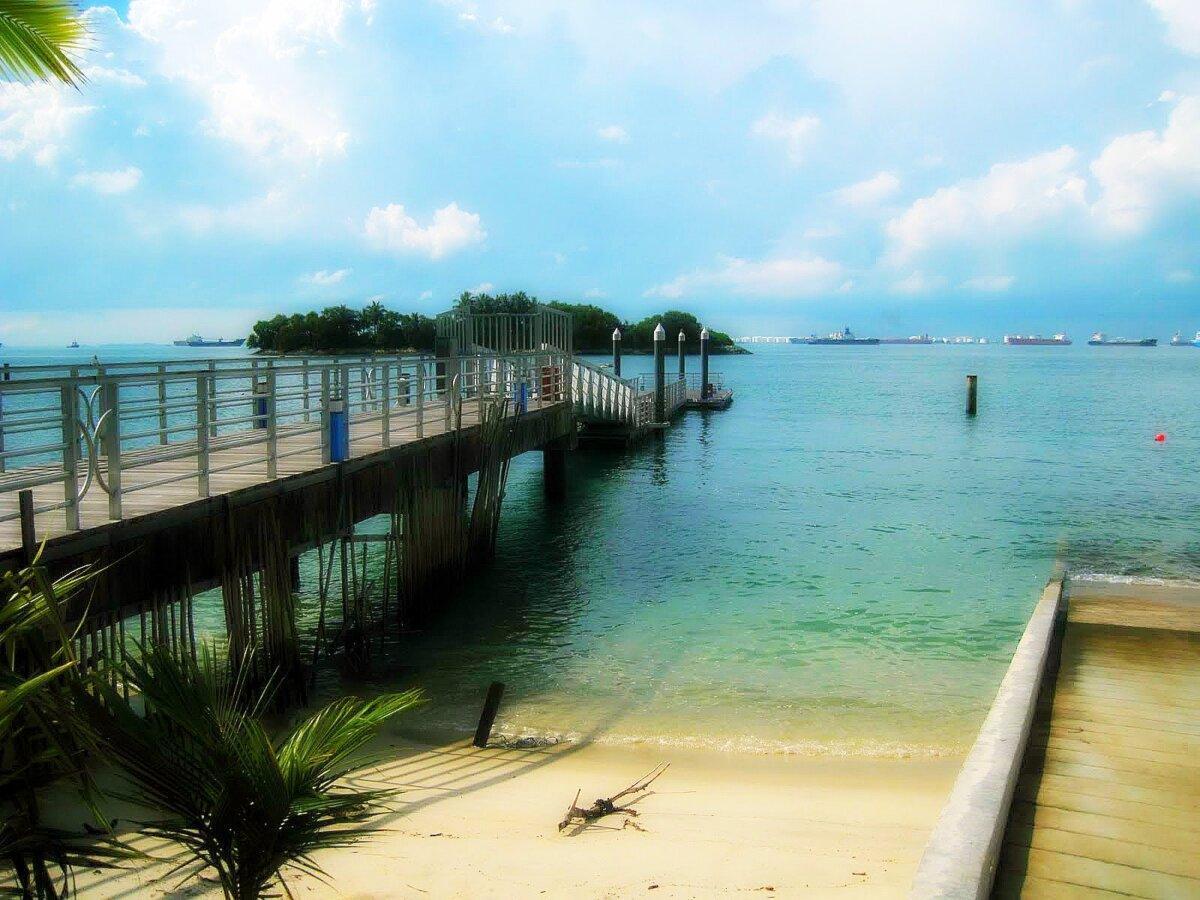
Families find plenty to occupy a full day there, while transit travelers often go for a simple swim or a sunset over the strait.
Nature in the city: Botanic Gardens, Southern Ridges & co.
To counterbalance urban density, several green spaces deserve half a day: the Singapore Botanic Gardens, a UNESCO World Heritage site, with its national orchid garden, or the Southern Ridges, a network of elevated walkways connecting several parks with views over the ports and residential towers.
“In a few hours, you can go from a suspended trail above the canopy to a covered market saturated with the smells of spices, then end the day with your feet in the sand at Sentosa. Few cities offer this level of contrast within a radius of a few kilometers.”
Analysis inspired by resources from the Singapore Tourism Board and VisitSingapore neighborhood guides, 2024–2025.
Itinerary ideas for 2 to 5 days in Singapore
Singapore in 2 days: express stopover
For a short stopover, the goal is to focus on the essentials:
- Day 1: Marina Bay (Merlion, promenade, Gardens by the Bay), night show and rooftop.
- Day 2: Chinatown in the morning, Little India and Kampong Glam in the afternoon, hawker centre in the evening.
Singapore in 3 days: full city trip
In three days, add a touch of nature and beach:
- Day 1: Marina Bay & Gardens by the Bay.
- Day 2: Chinatown, Kampong Glam, walk towards Bugis and Arab Street.
- Day 3: Morning at the Botanic Gardens or Southern Ridges, afternoon and evening at Sentosa.
Singapore in 5 days: urban immersion
A five-day stay allows you to slow down the pace, explore lesser-known neighborhoods (Tiong Bahru, Katong/Joo Chiat), and schedule specific experiences (Night Safari, cruise on the Singapore River, themed guided tours).
| Duration | Recommended pace | Focus |
|---|---|---|
| 2 days | Very dense, little free time. | Marina Bay, Gardens by the Bay, Chinatown. |
| 3 days | Balanced, possible breaks in the middle of the day. | + Little India, Kampong Glam, Botanic Gardens or Sentosa. |
| 5 days | Comfortable, ideal with children. | + residential neighborhoods, museums, Night Safari, shopping on Orchard Road. |
Attendance data indicates an average length of stay around 3.6 days for international visitors, confirming that most travelers opt for a city trip of a few days or a combined stopover.
Budget, transport and daily life in Singapore
What budget to plan for?
Singapore has a reputation for being expensive, but the budget can vary from one to three times depending on accommodation and the number of “Western-style” restaurants. Here is a rough idea for a European traveler:
| Traveler profile | Budget / day (excluding flights) | Typical accommodation | Examples of expenses |
|---|---|---|---|
| Economical | €70–100 | Double room in a guesthouse or simple small hotel on the outskirts, clean dormitory. | MRT rides, meals at hawker centres, few paid outings. |
| Comfort | €120–180 | 3–4★ hotel well located (Chinatown, Bugis, Clarke Quay). | 1–2 sit-down restaurants per day, key activities (greenhouses, Sentosa, museum). |
| Premium | €250 and up | Design or 5★ hotels, rooftop bar, room with Marina Bay view. | Gourmet dinners, spa, private tours, some luxury shopping. |
On-site expenses mainly go towards accommodation and certain activities (theme parks, paid attractions). Street food and transport balance this with much gentler prices than in other major world metropolises.
Getting around: MRT, bus, taxis and walking
The MRT (metro) network covers most of the city and connects the airport directly to the center. The tourism office highlights tourist passes allowing unlimited rides over a given period, convenient for a busy stay.
- MRT: fast, air-conditioned, punctual; maps are clear, announcements in English.
- Bus: useful complement to reach certain residential neighborhoods or Sentosa from VivoCity.
- Taxis / ride-hailing: Grab and official taxis remain affordable over short distances, especially in the evening.
- Walking: pleasant in the evening around Marina Bay and in historic neighborhoods, but daytime heat invites splitting walks.
Customs, rules and daily comfort
Singapore is known for its strict rules: smoking ban in many public spaces, heavy fines for littering, regulation of vaping and import of certain products. Far from being deterrent for most travelers, these rules contribute to a very orderly atmosphere; the best practice is to check the updated guidelines on official sites before departure.
On the practical comfort side, most shops and accommodations accept international cards and contactless payments, and 4G/5G coverage is excellent. A tourist eSIM or a local card at the airport makes the connection immediate.
FAQ: organizing a trip to Singapore
How many days are needed to visit Singapore?
To get a good overview of the city, 3 to 4 full days offer an excellent balance: one day for Marina Bay and Gardens by the Bay, one for the historic districts (Chinatown, Little India, Kampong Glam), and one for nature or Sentosa. Beyond 5 days, Singapore pairs well with nearby Malaysia or Indonesia.
Is Singapore a safe destination?
International statistics regularly rank Singapore among the safest cities in the world, with a low street crime rate and a highly developed surveillance system. Basic precautions remain necessary (watching personal belongings, being careful of pickpockets in crowded places), but the feeling of security is one of the aspects highly appreciated by visitors.
When should tickets be booked to get good prices?
For a Europe–Singapore flight, aiming to book 2 to 4 months before departure often yields good results outside holiday periods (end of year, Chinese New Year, major summer vacations). Prices vary greatly depending on the airlines and departure airport; using Singapore as an entry point to Southeast Asia sometimes allows benefiting from targeted promotions.
Is a visa required to travel to Singapore?
Many countries benefit from a visa exemption or a simplified visa for short tourist stays. However, the authorized duration and conditions (return ticket, sufficient resources, etc.) vary by nationality. The most reliable approach is to consult directly the website of the Immigration & Checkpoints Authority or the Singapore embassy before booking.
Is Singapore suitable for families with children?
Yes, very much so: modern infrastructure, easy strollers, large air-conditioned shopping centers, attractions such as Sentosa, the Singapore Zoo, or the Night Safari, numerous parks and playgrounds. The climate can tire the youngest, hence the interest in scheduling frequent breaks and indoor activities during the hottest hours.
Can one eat vegetarian or halal in Singapore?
Singapore’s cultural diversity is strongly reflected on the plate. There are many vegetarian and vegan restaurants, especially in Little India and downtown, as well as a wide choice of halal stalls clearly marked in hawker centers or certified by the MUIS (Islamic Religious Council). Local delivery apps further facilitate finding suitable places.
Which neighborhood to choose for accommodation?
For a first stay, Chinatown and Bugis offer a good compromise between price, atmosphere, and MRT access. Marina Bay attracts with its spectacular views but is significantly more expensive, while Little India and Geylang offer more economical options, sometimes at the cost of a livelier and less “postcard” environment in the evening.
How to manage heat and humidity?
Plan for light breathable clothing, a reusable water bottle to refill in hotels or shopping centers, and alternate outdoor visits in the morning with museums or air-conditioned shopping centers during the hottest hours. The important thing is not to overload the schedule and to keep regular breaks.
Is Singapore a good destination for a stopover?
Yes, the city is very suitable for a 24 to 72-hour stopover thanks to its ultra-connected Changi airport and smooth entry formalities for many travelers. Many airlines offer multi-destination tickets allowing a few days’ stopover before continuing to Bali, Australia, Japan, or Thailand.
Can one travel on a budget in Singapore?
A motivated backpacker can manage around €70–80 per day by sleeping in dormitories, favoring hawker centers, and using only public transport. Visits to parks, historic districts, and waterfront are free, allowing expenses to focus on a few priority experiences (Gardens by the Bay greenhouses, museum, Sentosa entry).
Summary: who is Singapore a good idea for?
Singapore will particularly suit travelers looking for an easy-to-live-in city, very safe, where one can taste several Asian cultures in a short time. Those dreaming of vast wild spaces or backpackers on a very tight budget might prefer to spend more days in neighboring countries, keeping the city-state as an entry or exit point of the trip.
Next concrete step: choose a period of 3 to 5 days compatible with your itinerary in Asia, book accommodation well located near an MRT station (Chinatown, Bugis, Clarke Quay), and list 2–3 “signature” experiences that attract you the most (Supertree Grove, Night Safari, rooftops, hawker centres). From there, Singapore can be discovered smoothly, almost like a large European city… under 30 °C and among the palm trees.