Sub-prefecture and economic capital of the archipelago, Pointe-à-Pitre holds a turbulent history, a unique heritage in iron and wood, and an urban energy that extends far beyond its 2.7 km². From Place de la Victoire to the Mémorial ACTe, from colorful markets to the harbor of the Petit Cul-de-sac marin, the city tells the story of Guadeloupe in a condensed version.
Sommaire
Geography and Location
At the junction of Grande-Terre and Basse-Terre, right on the edge of the Petit Cul-de-sac marin, Pointe-à-Pitre occupies a strategic position at the geographical center of Guadeloupe. The site developed on former marshlands reclaimed from the mangrove, with very low altitude and a direct connection to the harbor. This configuration explains the city’s historic port vocation and commercial openness, but also certain vulnerabilities (trade winds laden with sea spray, intense tropical rains, and seasonal cyclone exposure). The climate is tropical humid, with a wetter season from June to November, and a more “trade wind” and breezy weather the rest of the year — making mornings ideal for heritage walks or the market.
History and Heritage
The history of Pointe-à-Pitre is first and foremost a history of geography: in the 18th century, after the English occupation (1759-1763) and the Treaty of Paris, the French monarchy chose to establish here a better-centered port town than Basse-Terre for the archipelago’s trade. Governor François-Charles de Bourlamaque officially ratified the creation of the town in 1764. The city quickly grew around the docks, warehouses, and squares, but suffered major shocks: hurricanes and especially the earthquake of February 8, 1843, which devastated the center and triggered fires. This memory of disasters shaped a particular constructive culture (metal frameworks, iron arcades, redesigned roofs), visible on emblematic buildings.
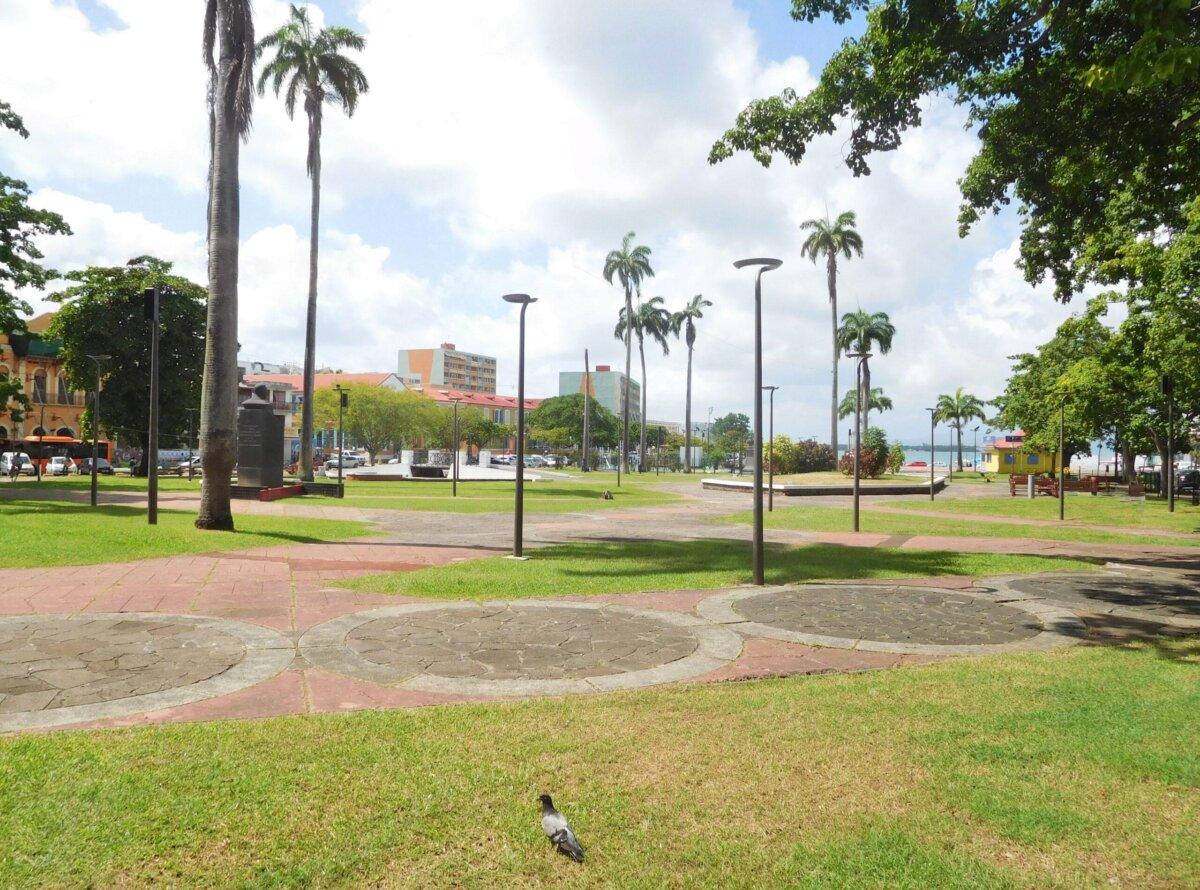
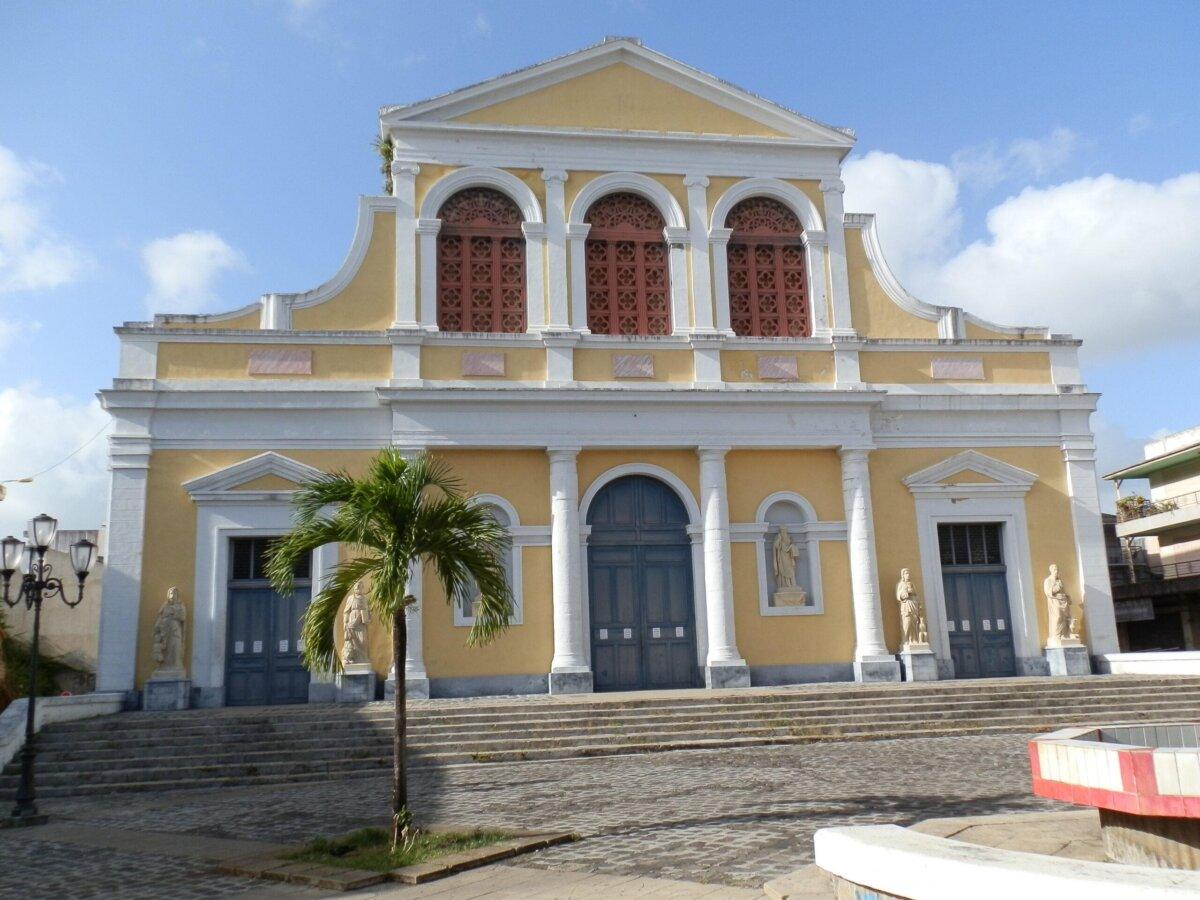
Among them, the Saint-Pierre-et-Saint-Paul church (often called “cathedral” by locals) illustrates this transformation: built at the beginning of the 19th century, it was heavily damaged in 1843 then restructured from 1867 with a remarkable metal framework, a Creole nod to industrial revolution architectures. Open to the sky, Place de la Victoire also tells the political chronology: Grand-Place, Sartine, then “Victoire” in 1794… Today it is a vast shaded landscaped space, backed by commercial facades, connecting the historic heart to the waterfront. Further southwest, the Darboussier district saw the opening in 2015 of the Mémorial ACTe, a Caribbean center of memory for the slave trade and slavery: a landmark architecture positioned as a bridge between painful history and contemporary creation.
Population and Demographics
On a small territory (≈ 2.7 km²), Pointe-à-Pitre is home to a population of about 14,855 inhabitants (2022 Insee data), with one of the highest densities in France. The municipality forms a system with its neighbor Les Abymes and the entire “Cap Excellence” urban area (Les Abymes, Baie-Mahault, Pointe-à-Pitre): many residents live in the outskirts while working, studying, or shopping in the Pointe-à-Pitre center. This center-periphery balance explains both the daytime vitality (commerce, services, administration) and the challenges of vacancy or renovation of old buildings in the historic core.
Economy and Employment
Pointe-à-Pitre is the economic engine of the archipelago, supported by two major infrastructures: Guadeloupe Pôle Caraïbes Airport (PTP) and Guadeloupe Port Caraïbes. While the container terminal and the large business zone of Jarry extend into the neighboring municipality of Baie-Mahault, the logistics and commercial ecosystem directly nourishes the city: cruise, inter-island transport, services, nautical events, but also a dense network of shops and markets. The port handles millions of tons of freight and over one million passengers annually (combined inter-island and cruise), while office and public service activities structure employment in the center (police prefecture, finance, culture, university nearby).
The economic profile has diversified: cultural tourism (Mémorial ACTe, museums), conferences and trade shows, health (university hospital), higher education (University of the Antilles – Fouillole campus), restaurants and arts and crafts. The downtown redevelopment programs (local commerce, building renovations, heritage trails) aim to consolidate the fine urban fabric and strengthen residential presence.
Tourism and Culture: the 5 Must-Sees
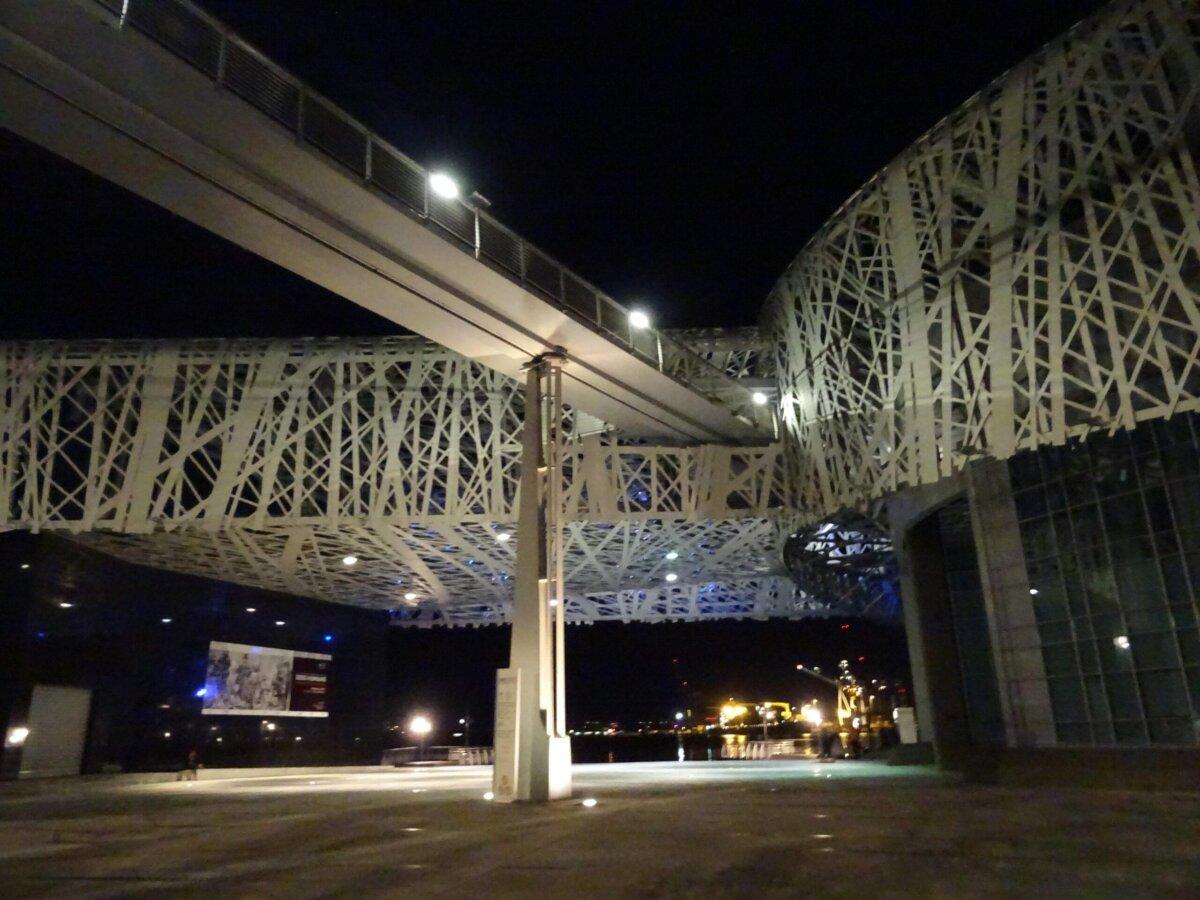
- The Mémorial ACTe (Darboussier) — Caribbean center dedicated to the memories of slavery and the slave trade. Immersive scenography, terrace overlooking the harbor, cultural programming. Check opening hours and prices directly on the museum’s website.
- Place de la Victoire — A green oasis in the heart of the urban fabric, lined with arcaded facades, close to the tourist office and the quays. It is the urban “spot” to feel the city at different times of the day.
- Saint-Pierre-et-Saint-Paul Church — A masterpiece of Creole engineering (exposed metal framework), to photograph from the facade to the bell tower. Recent restoration work has consolidated the building.
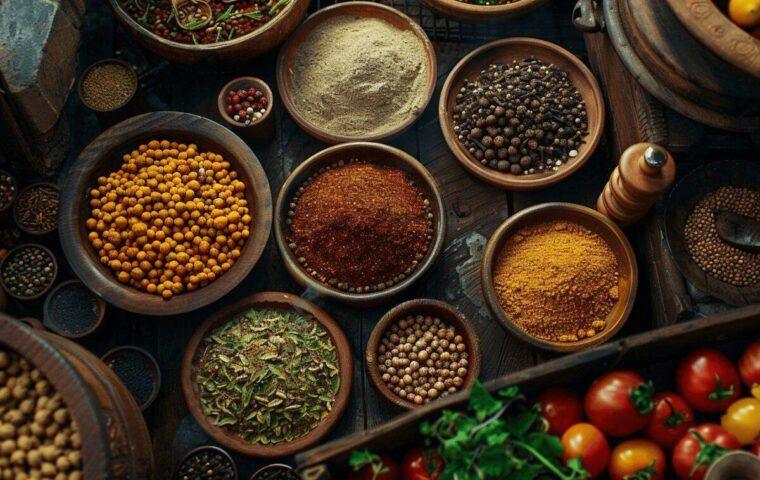
- The markets (Saint-Antoine, flowers, Darse) — Spices, punches, vanilla, local fruits: a palette of colors and scents. The atmosphere is livelier on weekend mornings; for fish, head to the Darse early.
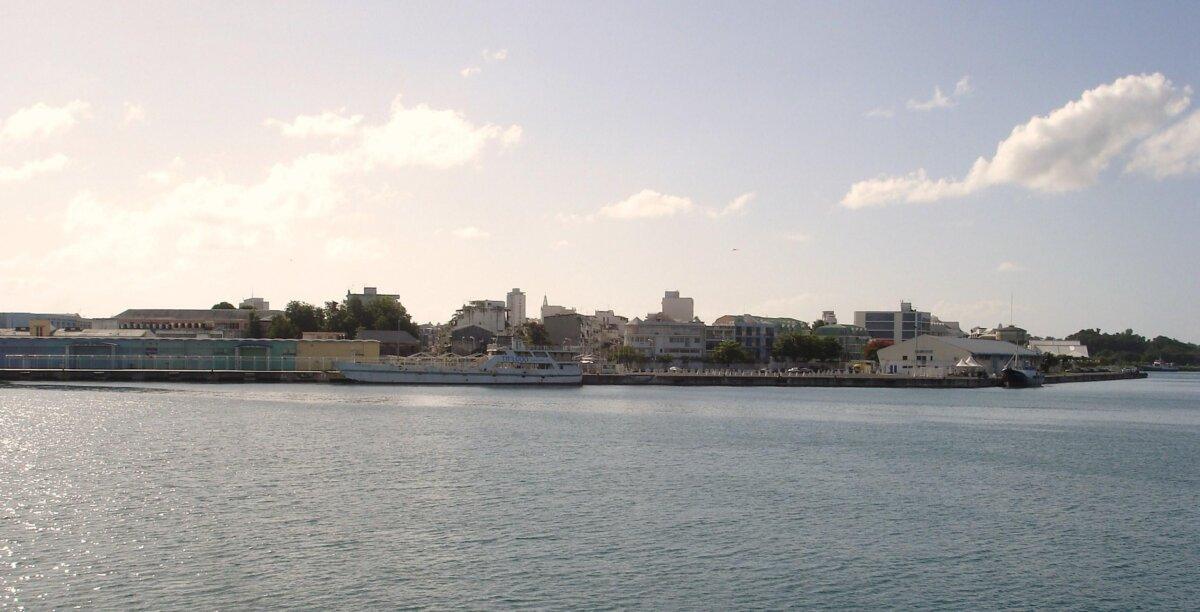
- The harbor & the quays — The walk along the Petit Cul-de-sac Marin offers views of the city, the inter-island shuttles, and, in “Route du Rhum” years, the ballet of sailboats at the finish line.
Local Flavors and Specificities
On the plate, Pointe-à-Pitre is a sample of Guadeloupean cuisine: crispy accras, colombo, fish court-bouillon, dombrés (including the famous crayfish version), Creole boudin, poulet boucané. On the street-food side, the bokit — fried bread filled — stands out as a gourmet icon. In the spirits section, the ti’ punch sums up the local art of simplicity (agricultural rum, lime, cane sugar); the major distilleries of the archipelago are easily visited from the city. For a “market” experience, bring some small change and chat: the vendors’ advice is worth all the recipes.
Transport and access
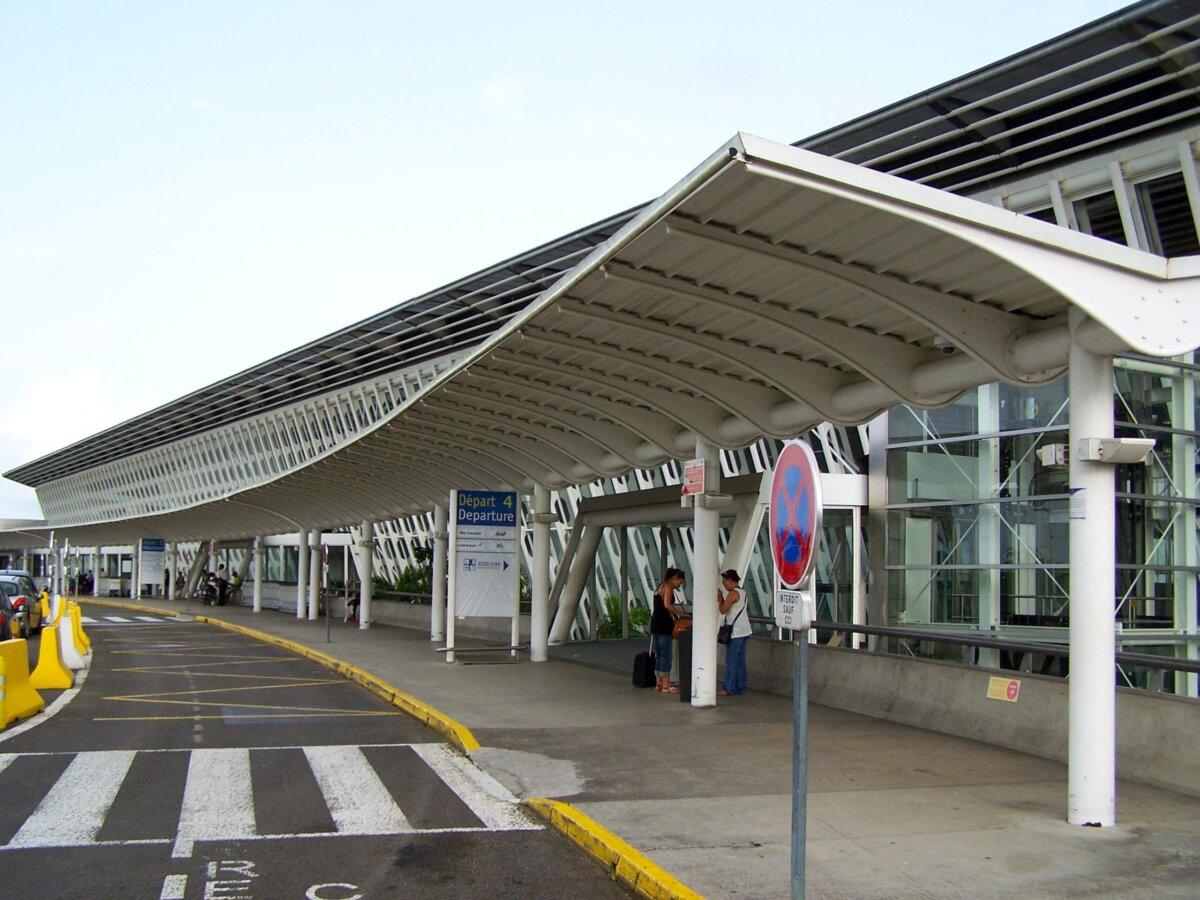
By plane. Guadeloupe Pôle Caraïbes Airport (PTP) — in Les Abymes, 10–15 min from the center depending on traffic — connects Pointe-à-Pitre to mainland France (Paris, provinces depending on seasons) and the region (Martinique, Saint-Martin, Saint Lucia, Dominican Republic…). Taxis, ride-hailing services, and shuttle buses serve the city.
By sea. The Bergevin ferry terminal concentrates inter-island connections: Marie-Galante (Grand-Bourg), Les Saintes, Dominica, depending on companies and season. Count about 1 hour to Marie-Galante. Prefer arriving 30 minutes early for boarding and check sea conditions the day before.
Urban and interurban buses. The Karu’lis network structures daily connections between Pointe-à-Pitre, Les Abymes, Baie-Mahault, and Le Gosier (lines A/B + shuttles). For island-wide services, the Region coordinates interurban lines (e.g., L101-L112 on Grande-Terre) converging towards the Pointe-à-Pitre area. Tip: frequencies are higher during peak hours and weekdays; check network info before departure.
Local life: education, sports, associations
Two kilometers from the center, the Fouillole campus of the University of the Antilles hosts many programs (law, economics-management, sciences, STAPS…), and energizes the northwest shore of the Petit Cul-de-sac marin. On the health side, the Guadeloupe University Hospital Center (Pointe-à-Pitre/Les Abymes site) structures the island’s hospital offer. In the city, clubs and associations animate stadiums and gyms (football, athletics, basketball, martial arts), while the media library, art schools, and cultural collectives fill the agenda. On Friday and Saturday mornings, social life also passes through the market and the terraces of Place de la Victoire.

Highlights and events
The Route du Rhum – Destination Guadeloupe (every 4 years) finishes its crossing at Pointe-à-Pitre. The bay becomes a stage: first light of day on the Ultims, nights of waiting for the Class40… The arrival village stretches along the docks, the crowd converges, and the city buzzed long after the finish line was crossed. Outside Route du Rhum years, the cultural program is based on the Pointe-à-Pitre stages and the ACTe Memorial (exhibitions, evenings, conferences), while traditional festivals, carnivals, and sporting events punctuate the year.
Real estate, urban planning and projects
The historic center of Pointe-à-Pitre features a unique wooden and metal heritage in the French Antilles: houses with galleries, shutters, frameworks, and arcaded facades. Land pressure remains uneven: abandoned buildings alternate with exemplary rehabilitations, boosted by heritage schemes and urban renewal operations. The challenge is to bring residents and local services closer to Place de la Victoire and the quays, through upgrading old buildings to standards (fire safety, earthquake resistance, climate comfort) and creating housing adapted to tropical climates (shade, cross ventilation). At the metropolitan scale, the connection with Jarry, the airport, and the ferry terminal fuels the tertiary and logistics dynamics.
FAQ – Practical Pointe-à-Pitre
When to visit Pointe-à-Pitre?
The city can be visited year-round. To limit heat and showers, favor mornings, especially from June to November (more humid period). The high tourist season runs from December to April. Which markets to favor?
For spices, flavored rums, and souvenirs, head to the Saint-Antoine market and the adjacent streets (Frébault, Peynier). For fish, go early to the Darse on weekdays. Friday and Saturday mornings are the liveliest. How to get to Marie-Galante from Pointe-à-Pitre?
From the Bergevin ferry terminal, several daily crossings (≈ 1 hour) to Grand-Bourg depending on companies and season. Arrive early and monitor marine weather. Is the Mémorial ACTe family-friendly?
Yes, the visit is accessible from adolescence for the content, with mediation tools. Check opening hours and prices on the museum’s website before your visit. Are there beaches accessible quickly?
The center is urban and port-based, but the beaches of Gosier (Datcha, îlet du Gosier) are a few kilometers away by bus or car. Ideal for combining city sightseeing in the morning and swimming in the afternoon. Is it possible to get around without a car?
For the urban core, yes: on foot between Place de la Victoire, markets, quays, and Mémorial ACTe. To travel further (airport, Gosier, Baie-Mahault), use Karu’lis and regional interurban lines. Is the city exposed to natural hazards?
Like the archipelago, the municipality is subject to cyclone risks (summer-autumn) and seismic risks. Follow the instructions of authorities and Météo-France in case of alert. Which specialties should you absolutely try?
Accras, bokit, dombrés with freshwater prawns, colombo, Creole blood sausage, coconut sorbet. And, in moderation, a ti’ punch made with agricultural rum.
Friendly advice: start your morning at the market (try a sugarcane juice), continue to Place de la Victoire and the church, extend to the Mémorial ACTe, then head to the beach at Gosier. Pointe-à-Pitre breathes better at a slow pace.