Japan establishes itself in 2025 as the number 1 destination: Expo Osaka-Kansai, new attractions, and faster trains boost the desire to go there. Between futuristic megacities and millennial traditions, the archipelago offers a unique diversity. Here is a clear, up-to-date, and practical guide to prepare an unforgettable stay.
Sommaire
Geography & location
Japan (日本, Nihon/Nippon) is an archipelago in East Asia bordered by the Pacific Ocean. It stretches from north to south over more than 3,000 km and is organized around five main islands — Hokkaidō, Honshū, Shikoku, Kyūshū, and Okinawa — and thousands of islets. Its total area is 377,975 km², according to official data from the Geospatial Information Authority of Japan (GSI).
| Indicator | Value |
|---|---|
| Capital | Tokyo |
| Area | 377,975 km² |
| Highest point | Mount Fuji (3,776 m) |
| Official language | Japanese |
| Currency | Yen (JPY, symbol ¥) |
| Time zone | JST (UTC+9) |
| Demonym | Japanese |
| Telephone code | +81 |
To know in 2025. The World Expo Expo 2025 is held in Osaka (Yumeshima) from April 13 to October 13, 2025: a major event that brings new experiences, shuttles, and cultural programs throughout the western part of the country.
History & heritage
From the Jōmon era to the Meiji modernization, Japanese history is a succession of periods of openness and withdrawal that have shaped a heritage of exceptional richness: white castles (Himeji), Shintō shrines (Ise, Fushimi Inari), Buddhist temples (Kiyomizu-dera, Tōdai-ji), historic villages (Shirakawa-gō), and memorial sites (Hiroshima, Nagasaki). Tokyo and Osaka embody modernity, while Kyoto, Nara, and Kanazawa celebrate the art of gardens, kimono, and the tea ceremony.
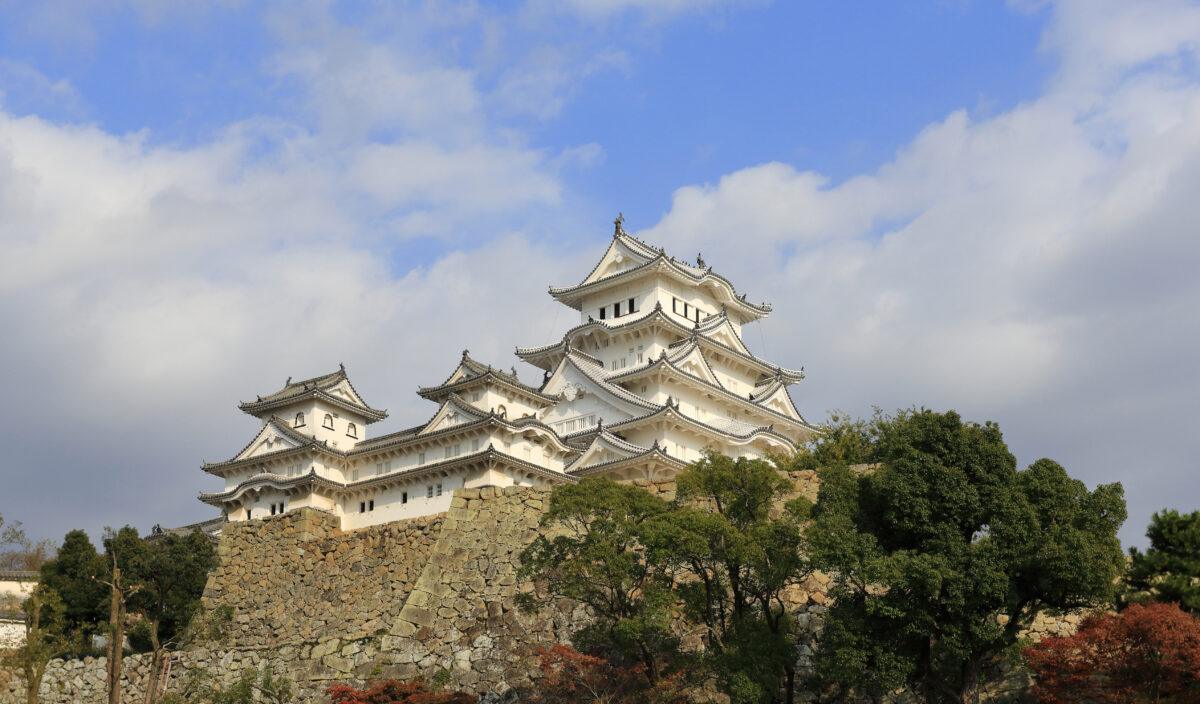
“In Japan, tradition is not a museum: it is lived daily, from neighborhood shrines to summer festivals, from sentō baths to matsuri that make the streets come alive.”
Population & demographics
According to the Current Population Estimates (as of October 1, 2024), Japan has 123.8 million inhabitants. The trend is aging (nearly 30% over 65 years old) and a slow demographic decline. These dynamics influence urban planning (compact city, universal accessibility) and services (health, mobility).
| Indicator (2024) | Value |
|---|---|
| Total population | ~123.8 M |
| Average density | ≈ 330 inhabitants/km² |
| Life expectancy | very high (top global rank) |
| Main urban areas | Greater Tokyo, Kansai (Osaka–Kyoto–Kobe), Nagoya, Fukuoka, Sapporo, Hiroshima |
For the traveler, this demographic structure translates into punctual transport, very safe cities, careful signage, and a remarkable level of hospitality.
Economy & Employment
Third largest economy in the world by nominal GDP, Japan relies on cutting-edge sectors: automotive, electronics, robotics, chemistry, health, construction, video games, and culture. Tourism has reached record levels: 36.9 million international visitors in 2024, surpassing 2019. The relative weakness of the yen has made the archipelago more affordable, encouraging longer stays and multi-region tours.
Key industries
Automotive, electronics, robotics, health, construction, agri-food, video games, tourism.
Economic hubs
Tokyo–Yokohama, Nagoya, Kansai (Osaka–Kobe), Fukuoka–Kitakyūshū.
Tourism 2024
36.9 M international arrivals (record).
Tourism & Culture: the 5 must-sees in 2025
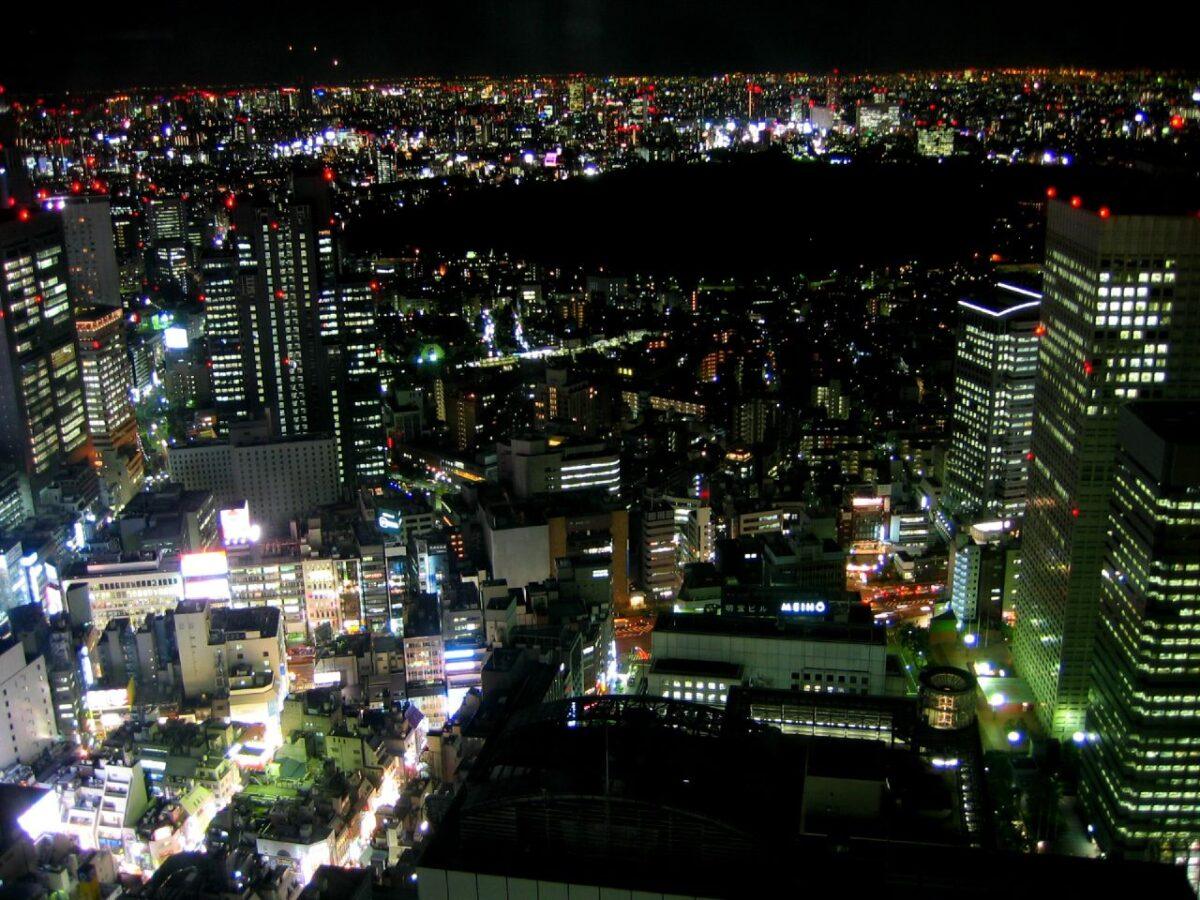
1) Tokyo, the megacity reinventing the future
Visionary capital, Tokyo blends historic neighborhoods (Asakusa) and architectural boldness (Shibuya, Roppongi). Bonus 2025: immersive museums (teamLab Borderless at Azabudai Hills), new rooftops, and the Fantasy Springs extension at Tokyo DisneySea (in operation since 2024, optimized flow and access in 2025). Tokyo is also the ideal gateway to explore Nikko, Hakone, or Kawaguchiko.
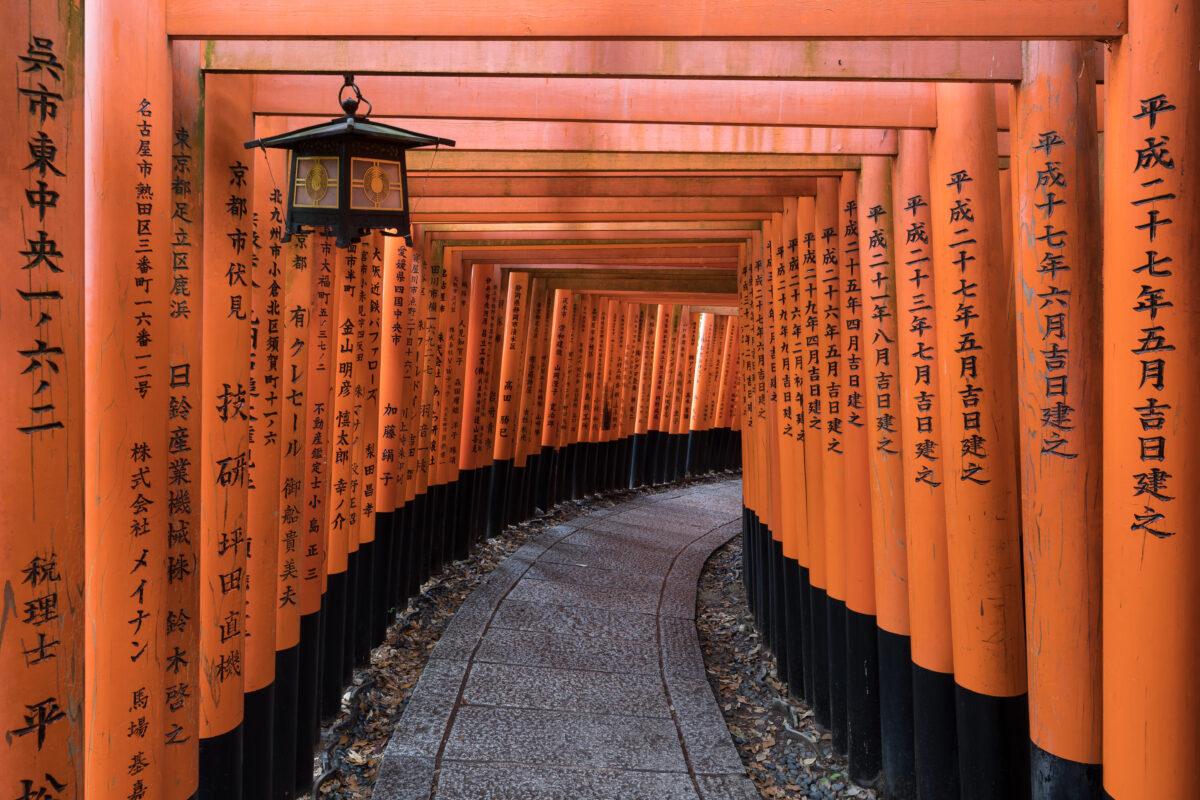
2) Kyoto, cultural capital and torii shrines
Former imperial capital, Kyoto offers 17 UNESCO sites, preserved alleys (Gion), and zen gardens. At dawn or dusk, walk through the vermilion tunnels of Fushimi Inari for an unforgettable stroll.
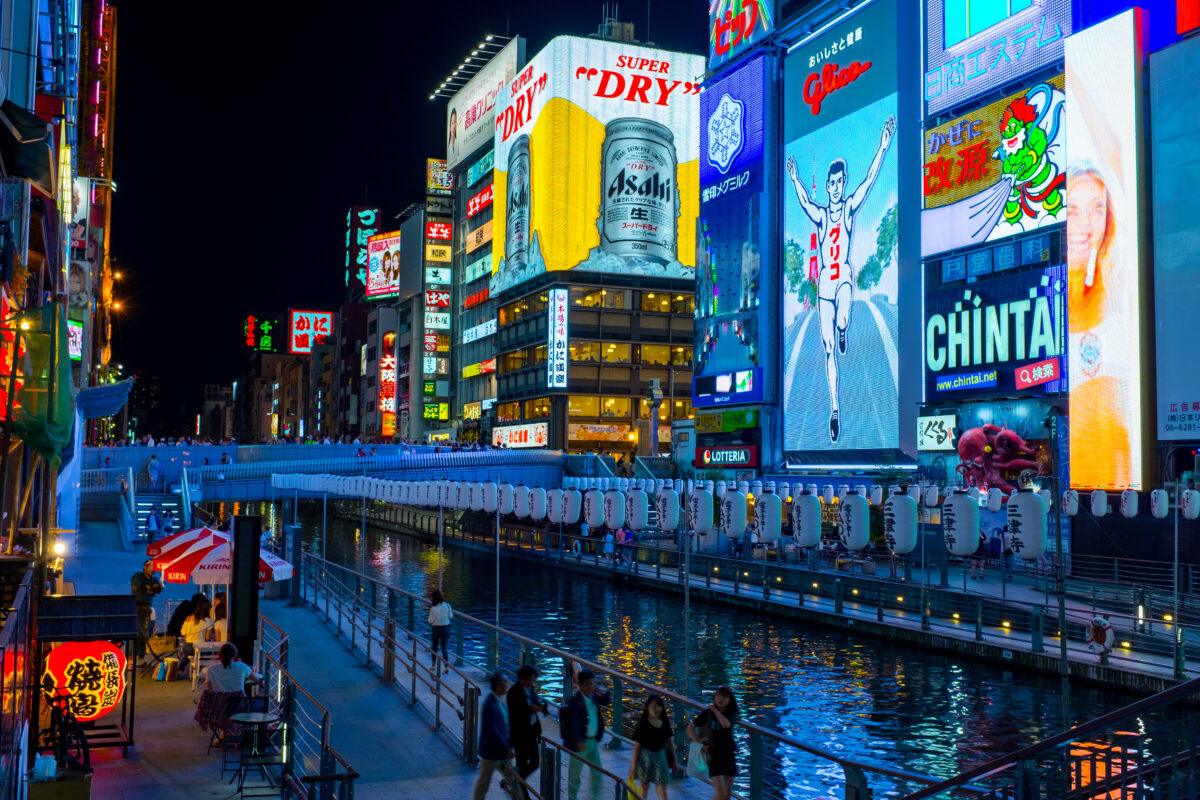
3) Osaka, the epicurean… and host city of Expo 2025
Osaka is the city of good food (okonomiyaki, takoyaki) and neon lights. In 2025, the entire Kansai region pulses to the rhythm of the World Expo on the artificial island of Yumeshima. A chance to combine futuristic pavilions, street food at Dōtonbori, and getaways to Nara, Himeji, or Kōya-san.
4) Hiroshima & Miyajima, memory and spirituality
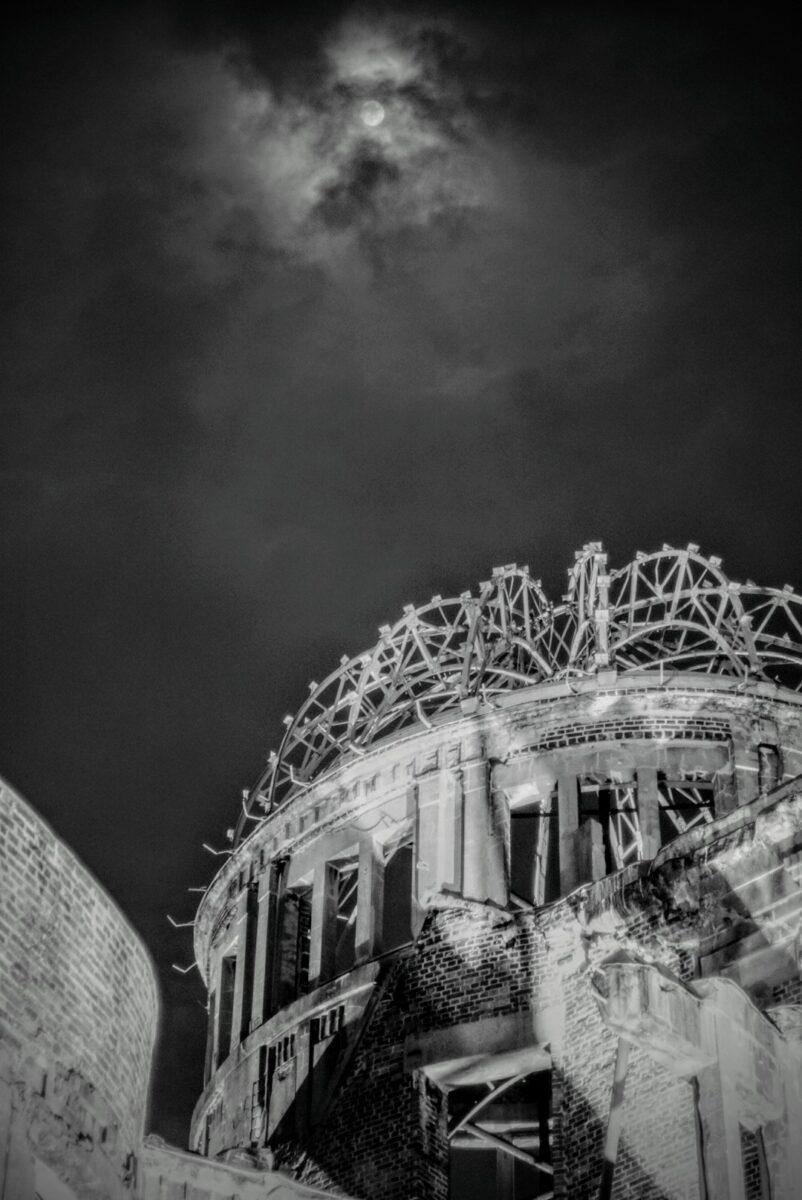
Hiroshima combines memory and resilience around the Atomic Bomb Dome and the Peace Memorial Park. A 30-minute ferry ride away, Miyajima Island enchants with its large floating torii of Itsukushima.
5) Mount Fuji & Japanese Alps
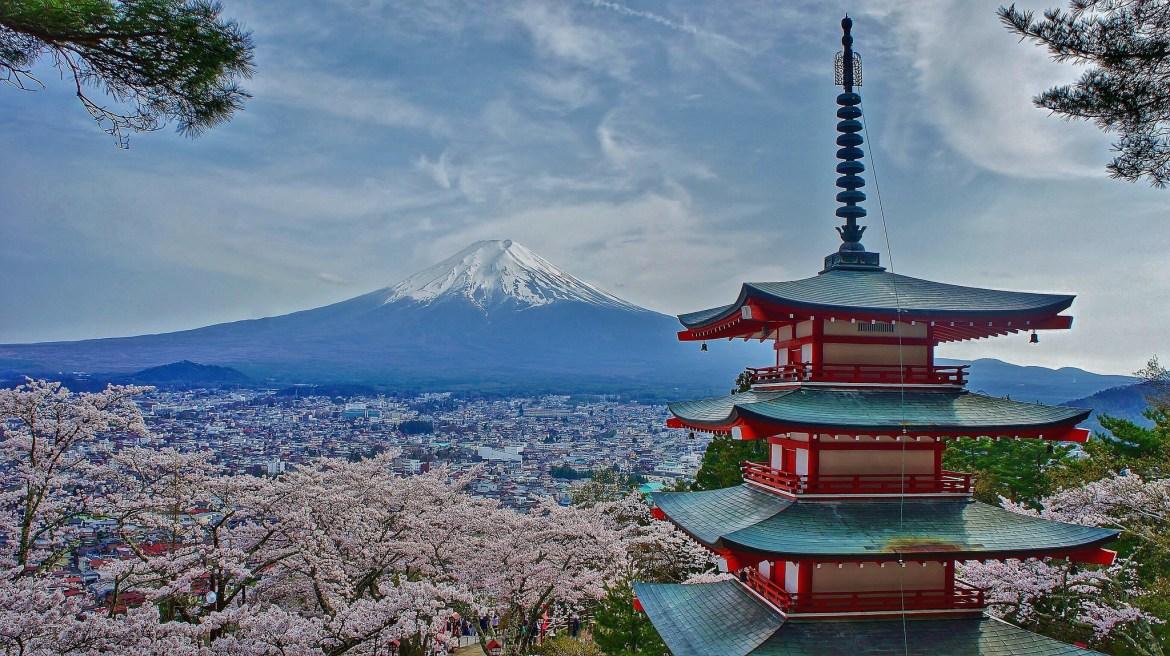
Symbol of the country, Fuji-san can be viewed from Kawaguchiko or the Chureito Pagoda (iconic view in spring). To the west, the Japanese Alps unfold preserved villages (Takayama), thermal valleys, and summer hikes. Photo tip: to avoid the crowds, favor the golden hour (sunrise/sunset) and the edges of the season (late March–early April for sakura; late November for autumn foliage).
Transport & Access
Coming to Japan
The main international airports are Tokyo-Haneda (HND), Tokyo-Narita (NRT), Kansai-Osaka (KIX), Chūbu-Centrair (NGO), Fukuoka (FUK), and New Chitose–Sapporo (CTS).
Visa & Entry
Japan applies a visa exemption for short stays (up to 90 days) for nationals of many countries, including France, under usual conditions (valid passport, tourist purpose, etc.). Always check the latest rules on the website of the Japanese Ministry of Foreign Affairs.
Getting Around: Shinkansen, JR PASS & Contactless Cards
- Shinkansen: impeccable high-speed network. In 2024, the Hokuriku extension now connects Kanazawa to Tsuruga, shortening travel times from Tokyo to Fukui and Tsuruga and aligning the region with classic routes.
- JAPAN RAIL PASS (JR PASS): 7/14/21 days (Ordinary: 50,000/80,000/100,000 ¥; Green: 70,000/110,000/140,000 ¥ when purchased online or via designated agencies abroad). Special option to use Nozomi/Mizuho with an additional ticket reserved for pass holders.
- Cards & Mobile: Suica/PASMO are widely accepted (subway, trains, buses, shops). Since 2025, Welcome Suica Mobile allows visitors to obtain a dematerialized Suica (iOS) before or upon arrival, with no deposit, convenient to start right at the airport.
To optimize costs, combine JR PASS (if you chain several long distances) with regional passes (Kansai Area, Hokuriku Arch, Hokkaidō, Kyūshū) and local cards (Suica/PASMO/ICOCA) for urban trips.
Local Life: Education, Sports, Associations, Events
The 2025 calendar is dominated by Expo 2025 Osaka–Kansai (international pavilions, innovations, major shows), complemented by traditional festivals (Gion Matsuri in Kyoto, Nebuta in Aomori, Yamakasa in Fukuoka), sports competitions (NPB baseball, J.League football), and a thriving pop-culture scene (manga fairs, concerts).
Culture & Arts
National museums (Tokyo, Nara, Kyushu), contemporary art museums, teamLab, craft workshops (lacquer, indigo, ceramics).
Well-being
Onsen and ryokan throughout the archipelago (Hakone, Beppu, Kusatsu, Noboribetsu). Respect etiquette (shower before bathing, tattoos: inquire beforehand).
Gastronomy
From neighborhood sushi to izakaya, from ramen to kaiseki. Osaka is nicknamed the kuidaore city (“ruin yourself with good food”).
Accommodation, urban planning & prices
The 2025 hotel market is dynamic: opening of boutique hotels around Tokyo (Nihonbashi, Azabudai Hills), upgrades in Kyoto/Osaka, and a return to good value for money thanks to the favorable yen. On the urban planning side, cities are enhancing accessibility (elevators, pictograms, guided sidewalks), greening, and soft mobility.
- Budget: design hostels, business hotels, capsules.
- Mid-range: 3–4* hotels, reliable Japanese chains.
- High-end: international palaces, exceptional ryokan.
Recommended itineraries (7 to 14 days)
- 7 days – “Essentials”: Tokyo (3 days) → Hakone/Fuji (1 day) → Kyoto (2 days) → Osaka (1 day).
- 10 days – “Culture & sea”: Tokyo (3 days) → Kanazawa/Toyama (2 days, via Hokuriku Shinkansen) → Kyoto (2 days) → Hiroshima/Miyajima (2 days) → Osaka (1 day).
- 14 days – “Grand tour”: Tokyo → Nikko → Takayama → Kanazawa → Kyoto → Nara → Osaka → Himeji → Hiroshima/Miyajima → Fukuoka → return.
FAQ – Traveling to Japan in 2025
What to visit in Japan on a first trip?
The winning combo: Tokyo, Kyoto, Osaka, Hiroshima/Miyajima and a nature stop (Fuji, Japanese Alps or onsen). Add Kanazawa via the Hokuriku Shinkansen for a more artisanal Japan.
What is the population of Japan?
About 123.8 million inhabitants (official estimate as of October 1, 2024).
How to get to Expo 2025 Osaka-Kansai?
From Osaka-Umeda or Namba, reach Yumeshima Island via shuttles and connections set up for the Expo (April 13–October 13, 2025). Book your entrance tickets in advance on the official website.
Is a visa required for a tourist stay?
French nationals benefit from visa exemption for a short stay (up to 90 days), subject to entry conditions. Always check the MOFA website for the most recent rule.
How much does the JR PASS cost in 2025?
For reference, for online/prescribed agency purchase: 7 days Ordinary 50,000 ¥ (Green 70,000 ¥), 14 days 80,000 ¥ (110,000 ¥), 21 days 100,000 ¥ (140,000 ¥). Prices may change; check the official page before purchase.
Useful links & sources (selection)
- Expo 2025 Osaka–Kansai (official site)
- MOFA – Visa exemption (short stay)
- JNTO – Tourism statistics (international arrivals)
- Statistics Bureau of Japan – Population (2024)
- JAPAN RAIL PASS – Types & prices (official JR)
- JR East – Welcome Suica Mobile (official)
- Statistical Handbook of Japan – Area (GSI/Stat. Bureau)