Finland: quick verdict for travelers
Finland is a country where people come primarily for the preserved nature, the calm, and the very distinct seasons. The standard of living is high, but the organization and safety are exemplary. For a first stay in Finland, expect an overall rating of 8.8/10: an excellent destination for travelers seeking Nordic landscapes, sauna culture, and unique luminous atmospheres (polar night, midnight sun, northern lights).
Recommended for: couples in love with nature, families looking for a safe destination, solo travelers, design enthusiasts, hikers, and photographers.
Strengths and limitations of a trip to Finland
Strong points of tourism in Finland
- Omnipresent nature: forests, archipelagos, thousands of lakes, and vast nearly empty spaces.
- Frequent northern lights: visible in Lapland between late August and April, often more than 200 nights per year.
- Very safe destination: low crime, modern infrastructure, reliable transport.
- Well-being culture: saunas, lakes, wooden cabins, slow and quiet pace.
- Quality of life: potable water everywhere, clean air, good quality local food.
Some weaknesses to anticipate
- High cost of living: accommodations and restaurants more expensive than the European average.
- Very cold winters: average temperature around -5°C in Helsinki in February.
- Long distances: Lapland is far from Helsinki, often requiring flights or overnight train journeys.
- Very short days in winter: limited light between December and January, especially in the north.
- Sometimes seasonal offerings: some activities exist only in winter or summer.
Finland is often presented as the “land of a thousand lakes.” In reality, the country has more than 187,000 to 188,000 lakes, about 10% of its surface covered by fresh water, which profoundly shapes its landscape and tourist identity.
Sources: communications from Visit Finland and recent studies on Finnish lakes.
Our method for building this Finland guide
This tourism guide to Finland compiles information from:
- Official content from the Visit Finland tourist office (climate, seasonality, practices).
- Statistical data on tourist overnight stays and average expenditures.
- Traveler feedback (French and English blogs, forums).
- Maps and open data resources (national parks, railway networks, aurora observation zones).
Recommendations are weighted on at least five criteria: variety of activities, accessibility, cost, cultural interest, environmental impact. Budgets remain rough estimates, strongly dependent on the season and exchange rates.
When to go to Finland: weather & seasons
Finland has a Nordic climate, but softened by the Baltic Sea. In Helsinki, the average climbs around 17°C in July and drops to about -5°C in February. Summer generally starts at the end of May in the south and a little later in Lapland. The Finnish summer averages around 20°C, with occasional real heat waves.
For a trip to Finland, two main periods are especially distinguished:
- December–April: snow, winter activities, magical Lapland, very frequent auroras.
- June–August: lake season, midnight sun, hikes and festivals.
| Season | Months | Helsinki (≈) | Ideal for |
|---|---|---|---|
| Winter | December–February | -5 to -1 °C | Snow sports, Christmas markets, polar night in Lapland. |
| Spring | March–May | 0 to 10 °C | End of ski season, cheaper city trips, nature turning green again. |
| Summer | June–August | 15 to 22 °C | Lakeside life, kayaking, hiking, midnight sun. |
| Autumn | September–November | 10 to 0 °C | Red leaves (ruska), northern lights, calmer atmosphere. |
In the north, the northern lights are visible from late August until spring, with peak activity in autumn and spring. On average, they can be seen one night out of two when the sky is clear.
Sources: communications from the Lapland tourism office and the Finnish meteorological service.
What to do in Finland: must-have experiences
Strolling in Helsinki, the design capital
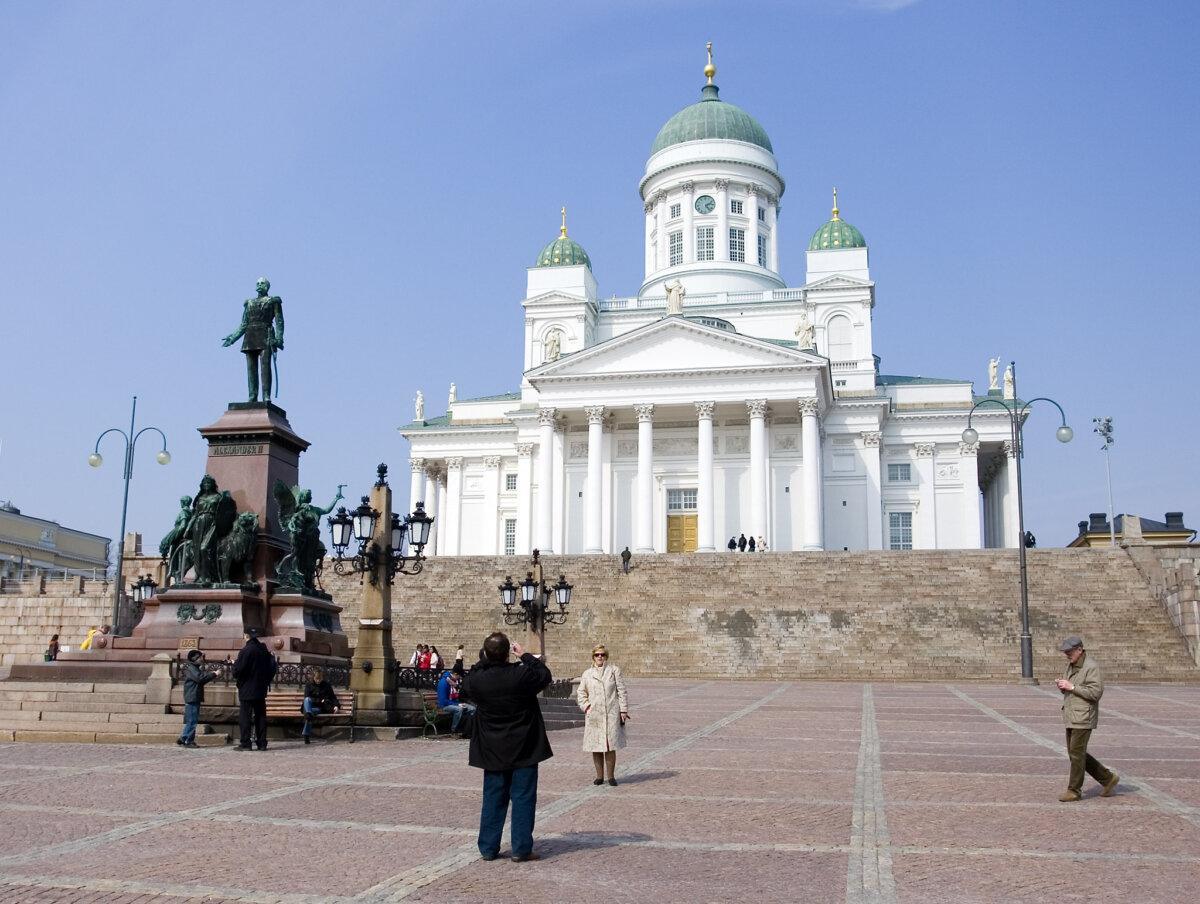
Helsinki is a compact city, perfect for a long weekend. It combines neoclassical architecture, contemporary design, and cozy cafés. The classic itinerary includes Senate Square, the Art Nouveau district of Katajanokka, the Suomenlinna peninsula (a UNESCO-listed fortress), and the creative district of Kallio. In summer, locals fill the terraces, public saunas by the sea, and the islets of the archipelago.
Experience winter in Lapland and the Santa Claus Village
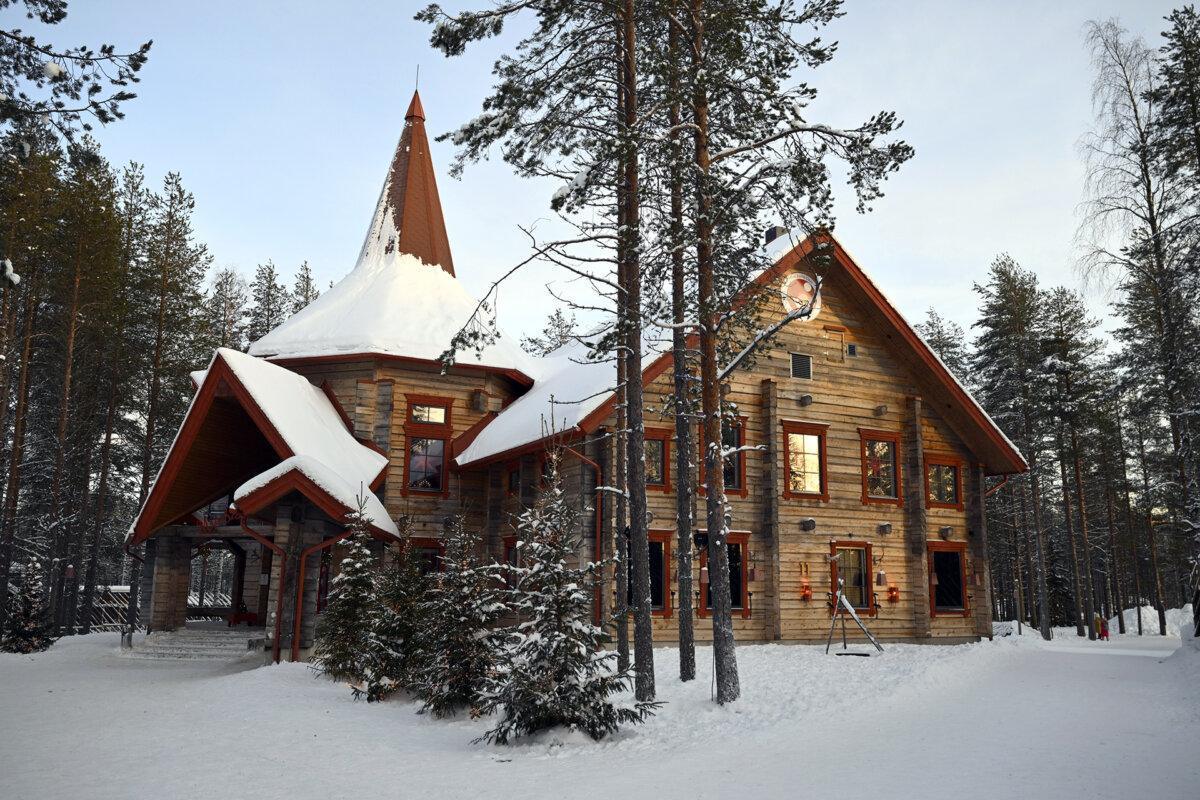
Around Rovaniemi, on the Arctic Circle, you’ll find snowy villages, reindeer farms, and ice hotels that enchant families. Days are filled with dog sledding, snowmobiling, skiing, meetings with Santa Claus, and dinners by the fire. It’s a popular area in December but also very pleasant in March, when the days get longer and the snow remains abundant.
Chasing the Northern Lights in Lapland
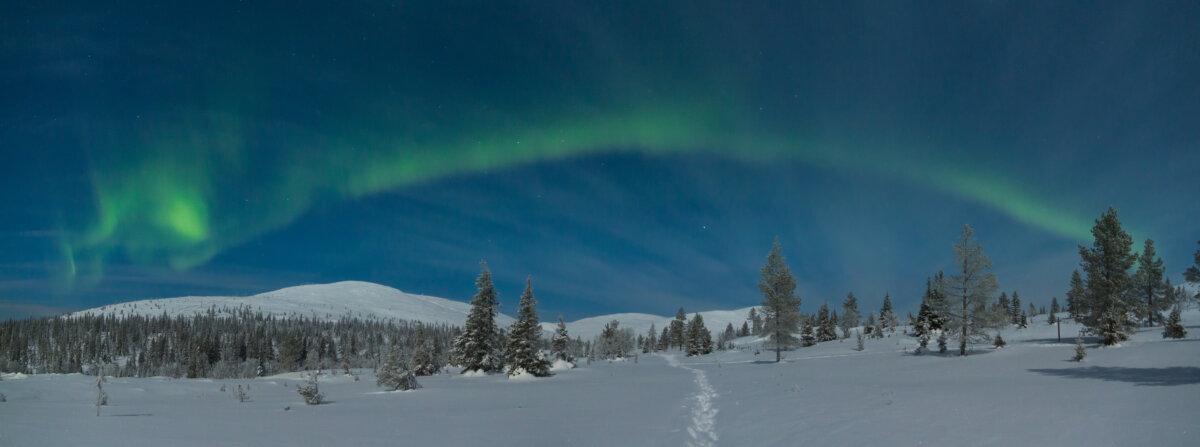
To maximize your chances, three conditions must be met: clear sky, sufficiently dark night, and low light pollution. Areas around Muonio, Inari, or Kilpisjärvi offer specialized accommodations: glass igloos, cabins with panoramic roofs, isolated lodges. Local apps and solar activity alerts help track probabilities in real time.
Getting into the rhythm of Finnish lakes
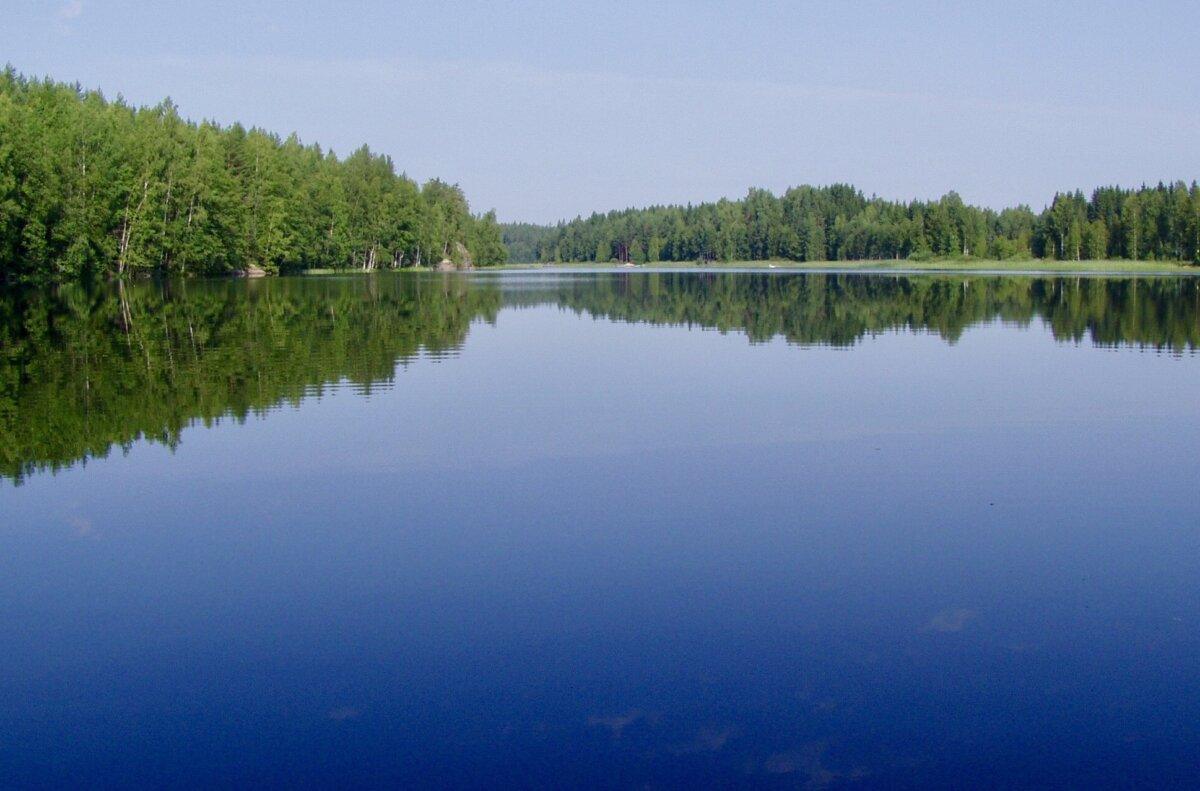
The land of lakes is ideally discovered in summer. Many Finns rent a wooden cabin with a private sauna and a dock for diving or canoeing. The regions of Saimaa, Päijänne, or Kuopio are emblematic: swimming, fishing, campfire evenings, small villages, and cafés by the water. For a 5 to 7-day stay in Finland, combining Helsinki and a lakeside house is an excellent compromise.
Hiking in national parks
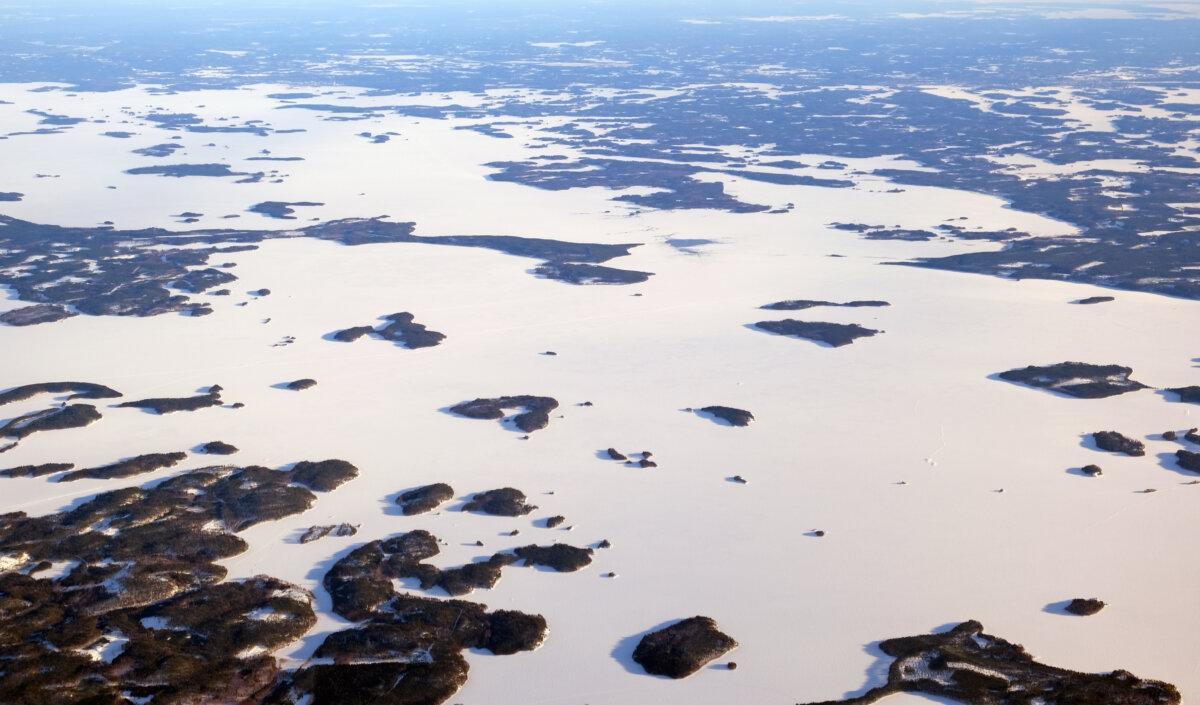
Finland has more than 40 national parks, all freely accessible. Nuuksio, 45 minutes from Helsinki, is perfect for a first immersion between lakes and pine forests. Further north, Koli, Oulanka, or Pallas-Yllästunturi offer marked trails ranging from two-hour walks to multi-day self-guided treks.
Embracing the Finnish sauna culture 🔥

It is often said that there are more saunas than cars in Finland. People go there with family, friends, or colleagues to talk, reflect, and relax. Helsinki’s public saunas (Löyly, Allas Sea Pool, neighborhood saunas) allow you to discover the ritual: alternating hot/cold, lake or sea baths, sometimes a hole in the ice ❄️. The key rule remains respect: relative silence, swimsuits depending on the place, mandatory shower.
For many Finns, a week by a lake with a sauna is the very definition of a successful holiday: swimming, rowing, barbecues, and long bright evenings are part of the country’s identity as much as its cities and museums.
Summary observation based on travelers’ testimonies and Finnish tourism communications.
Itinerary ideas in Finland (3 to 10 days)
City-break in Helsinki (3–4 days)
- Day 1: historic center, Senate Square, cathedral, port and covered market.
- Day 2: Suomenlinna fortress, boat ride, sauna at the end of the day.
- Day 3: Design Museum, Kallio district, cafés and wine bars.
- Option day 4: excursion to Porvoo, a small very photogenic wooden town.
Classic Finland cities & lakes (7 days)
- Days 1–2: Helsinki.
- Day 3: train to Tampere or Lahti, museum visits and first saunas.
- Days 4–6: lake region (Saimaa, Päijänne) in a cabin or small hotel by the water.
- Day 7: return to Helsinki via a local distillery or a reindeer farm in the south.
Grand winter trip in Lapland (8–10 days)
- Day 1: arrival in Helsinki, quick walk and sauna evening.
- Days 2–3: flight or night train to Rovaniemi, Santa Claus Village, snowshoe walk.
- Days 4–7: transfer to a lodge further north (Muonio, Inari, Saariselkä), husky sled safari, snowmobile, aurora outings.
- Days 8–10: gradual return via Oulu or Tampere for an urban touch before the flight.
Budget & costs of a stay in Finland
Finland is not a low-cost destination, but there are ways to optimize expenses: rental cabins for several, self-catering, public transport, free nature activities (hiking, swimming, wildlife watching). The average daily expense per paying visitor is around €70–80, all categories combined, but varies greatly with the season and type of stay.
| Profile | Budget/day/person | Accommodation | Remarks |
|---|---|---|---|
| Economical | €70–100 | Hostel, basic private room, shared cabin. | Home meals, few paid activities. |
| Comfort | €110–170 | 3–4★ hotel, lakeside cabin, sauna. | 1 paid activity/day (design sauna, excursion). |
| Premium | €200 and up | High-end lodge, glass igloo, design hotels. | Private safaris, gourmet restaurants, private transfers. |
For a week of travel in Finland, a realistic budget per person ranges from about €800 (excluding international transport, economical mode) to over €2,000 for a comfortable stay in Lapland in high season.
Practical advice for preparing your trip to Finland
- Documents: Finland = Schengen area. EU nationals travel with a valid identity card or passport.
- Money & payments: credit cards are accepted almost everywhere, even for small amounts. ATMs are widely available.
- Language: Finnish and Swedish are official, but English is very well spoken in tourist services.
- Transport: efficient rail network, buses for rural areas, many domestic flights to Lapland.
- Climate: layered clothing, waterproof shoes, hat and gloves in winter, windbreaker even in summer.
- Health: tap water is drinkable, well-stocked pharmacies, mosquitoes present near lakes in summer.
- Safety: very safe country but nature requires respecting guidelines (cold, ice, wildlife).
Finnish tourism authorities remind that you can travel year-round in the country, provided you anticipate weather conditions: choosing the right clothes is often more decisive than the exact destination to fully enjoy your stay.
Practical recommendations from official Finnish tourism organizations.
Should you go to Finland? Our final opinion
A trip to Finland is suitable for those who enjoy calm atmospheres, the unique light of high latitudes, and stays that alternate between outdoor activities and cozy moments. It is not the country of bustling big cities, but rather that of cabins by the water, silent forests, and sauna evenings.
If you are a beginner, start with a Helsinki + lake district combo in summer, or with a week in winter Lapland to experience the magic of the northern lights at least once. Next step: choose your season, set a budget, and book transportation, then accommodation (cabin, lodge, design hotel) that suits your way of traveling.
FAQ: Frequently Asked Questions about Traveling in Finland
What budget should I plan for a week in Finland?
For a week on site, count around €800–1,000 per person excluding flights if you travel economically (simple accommodations, home cooking). A comfortable stay with guided activities, design saunas, and some restaurants will rather be between €1,300 and €1,800. In Lapland, at Christmas or in February, prices can rise even higher.
Is it necessary to rent a car to visit Finland?
Not necessarily. For a trip to Finland focused on Helsinki, the cities, and one or two nearby national parks (Nuuksio, Sipoonkorpi), trains and buses are more than sufficient. A car becomes useful if you want to explore several lake regions, chain small towns, or stay in an isolated cabin inaccessible by public transport.
What is the best time to see the northern lights?
The northern lights are mainly visible in Finnish Lapland, from late August to April, with a peak of activity in autumn (September–October) and spring (March–April). The deep winter offers a very photogenic setting, but also more cold and sometimes more clouds. A stay of 4 to 5 nights north of the Arctic Circle generally gives good chances to see them.
Can you travel in Finland with children?
Yes, Finland is considered one of the safest family destinations in Europe. The infrastructure is reliable, distances are reasonable, and activities are suitable: huskies, reindeer, playgrounds, interactive museums, islands near Helsinki. The only point of attention: manage clothing well in winter and plan rest times when light is reduced.
Do you need a visa to go to Finland?
Citizens of the European Union, Switzerland, and many partner countries (Canada, United States, etc.) can enter Finland for a short tourist trip without a visa, with a valid passport or identity card. Other nationalities must apply for a Schengen visa before departure. Check the current conditions with the consulate or the official website.
How to dress for winter in Lapland?
The golden rule: layer up. A thermal layer close to the body, a warm layer (fleece or wool), then a windproof and waterproof layer. Add a hat covering the ears, lined gloves, thick socks, and insulated shoes. Activity providers often supply suits and boots for the coldest safaris.
Where and when is the midnight sun?
Between late May and mid-July, the sun hardly sets above the Arctic Circle. In Rovaniemi, you already enjoy very bright nights, while in Inari or Utsjoki the sun remains visible 24/7 for several weeks. Further south, the light remains long, with endless twilights around Midsummer (Juhannus).
Is Finland a safe country for solo travelers?
Yes, it is even one of its strong points. The cities are calm, street harassment is rare, and transportation works well. For a solo trip to Finland, the only real precautions concern the weather (do not venture alone into nature without appropriate equipment) and respecting safety instructions during organized excursions.
Can you easily see reindeer and moose?
The semi-wild reindeer are very common in Lapland, where they roam freely on the roads: you will almost certainly see some in winter. Moose are more discreet, present throughout the country but difficult to observe without a specialized guide. Some nature excursions focus on wildlife (seabirds, Saimaa seals, brown bears in Karelia).
How long to stay in Finland for a first time?
A short stay in Finland of 4 to 5 days already allows you to discover Helsinki and a nearby national park or to experience a first winter in Lapland. For a more complete view (city, lakes, Lapland or archipelagos), ideally plan 10 to 14 days, even if it means returning in another season to explore a different region.