Before choosing: what “new” really changes in Nantes
A new apartment does not imply the same compromises
A new apartment generally provides superior thermal and acoustic comfort, clearer charges at the outset, and common areas designed for current uses (bike storage, parking, elevator). In return, the entry price may be higher than in the old stock, and the immediate environment may evolve after your purchase: nearby construction sites, shops gradually arriving, new traffic routes, etc.
New development: beware of the “micro” location
In Nantes, two addresses located in the same neighborhood can offer very different experiences. A new development two minutes from a tram stop does not have the same ease of resale (or rental) as a more secluded residence, even if the map indicates the same sector. Look at the terrain (and therefore cycling times), pedestrian access to schools, the presence of a commercial hub, and the level of nuisance (busy roads, railways, festive zones).
Notary fees: a cost to anticipate, even in new builds
Notary fees are often lower in new builds than in old properties, but they are not “insignificant” for all that: they impact your down payment, therefore your financing plan, and sometimes the neighborhood accessible with a constant budget. In practice, this is a parameter to include from the first simulation, just like furnishing, guarantee fees, or any additional parking costs.
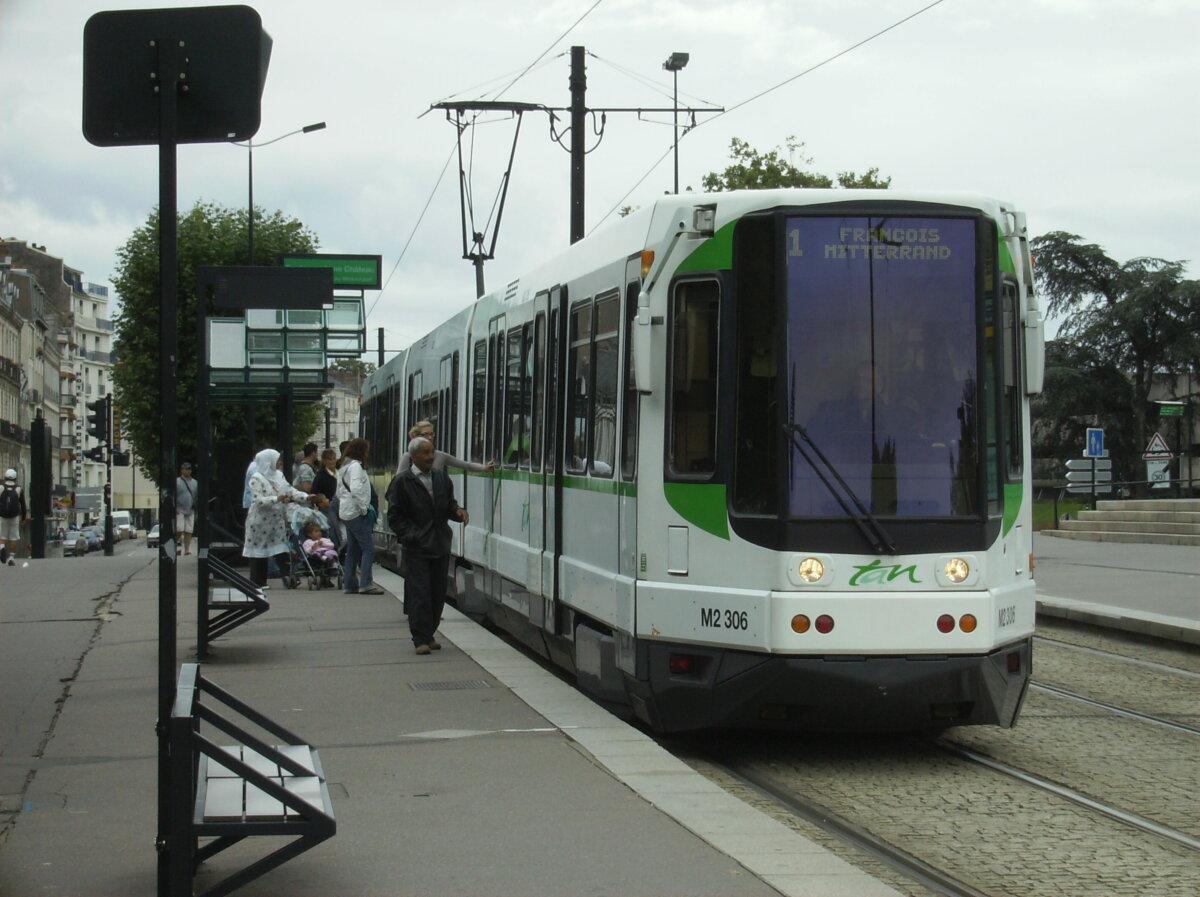
The tram network and the proximity of a station heavily influence the choice of an area… and the rental demand.
Île de Nantes: the “central and evolving” choice (living environment + potential)
Why this area attracts buyers in new developments
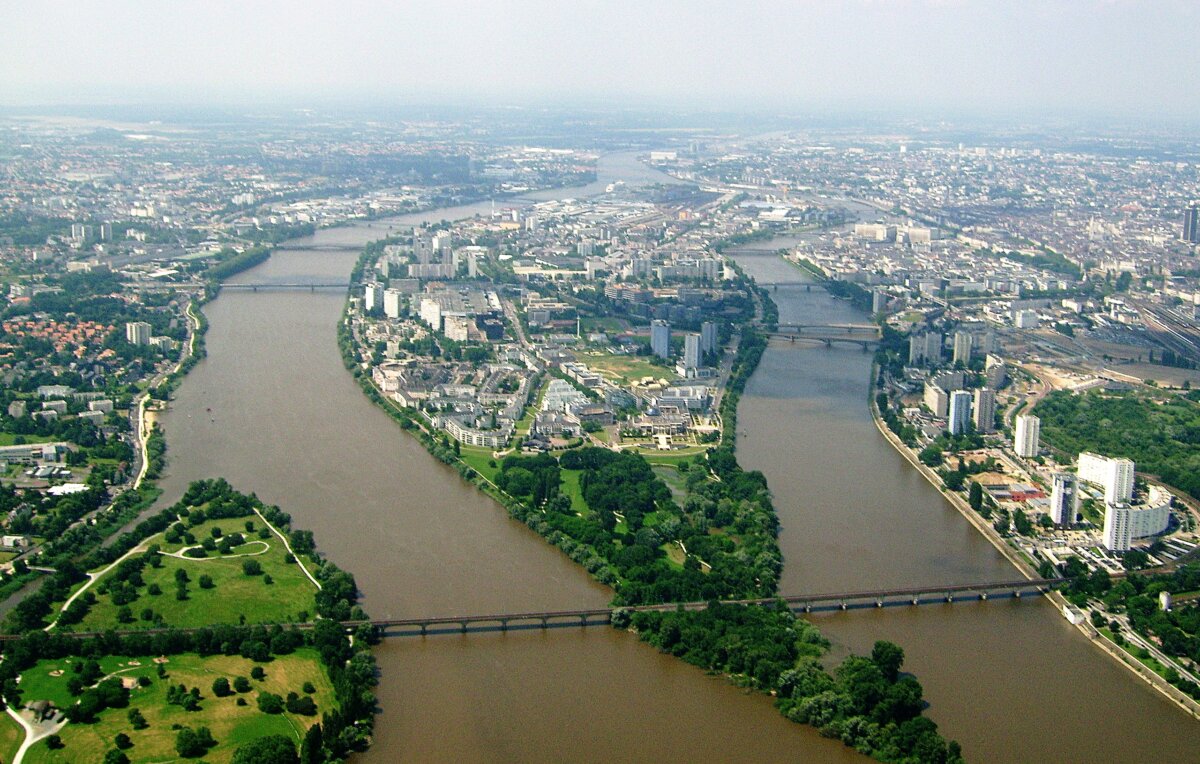
Île de Nantes has concentrated numerous urban projects for years, resulting in a steady supply of recent housing and developments designed for daily use (soft mobility, public spaces, access to the banks of the Loire). For a buyer, the interest is twofold: to enjoy a neighborhood already well connected to the center, while capitalizing on a dynamic that continues to upgrade according to the blocks.
Who it’s the best match for
This neighborhood suits profiles who want a daily life without a car (or almost), quick access to employment hubs, and an urban life “within walking distance.” It is also an area often considered for investment, as rental demand can be strong depending on the type (T2/T3) and proximity to transport. The point to watch: the atmosphere varies greatly from one street to another, and some areas are still under transformation (so more noise or construction traffic).
Euronantes / Station: practical, very connected, often geared towards working professionals
A logical neighborhood when travel time is your priority
Around the station and the Euronantes area, the main argument is connection: train, tram, bus, quick access to the center. For a purchase as a main residence, it’s relevant if you move often (business trips, alternating presence/remote work) and want to limit daily frictions.
What to check before buying
In these areas, the “transport” appeal can come at the cost of a more mineral and busier environment. Ideally, take a tour at different times (morning, late afternoon, weekend) to appreciate the noise level, pedestrian flows, and general atmosphere. For investment, these areas can work well with compact formats, provided you buy at the right price level and with a solid financing plan if the mortgage interest rate remains high.
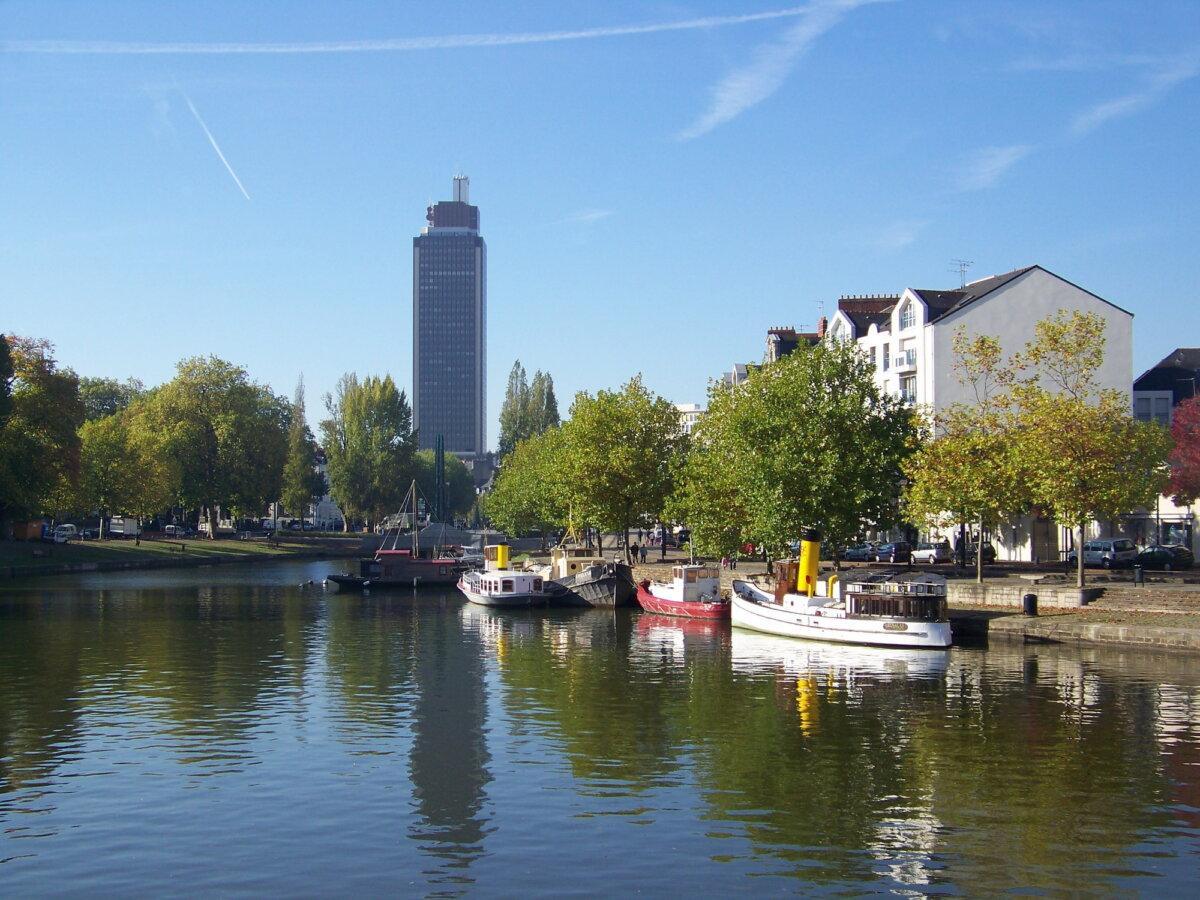
The banks of the Erdre give an idea of the Nantes areas appreciated for their calm and quality of life.
Saint-Félix / Saint-Mihiel: sought-after, residential, few new offers (thus selective)
Why new developments are rarer here
In the neighborhoods close to the Erdre and the center, the new supply can be more limited because available space is smaller and projects are often on smaller operations (restructuring, infill, major rehabilitation with creation). Result: when a program arrives, it quickly attracts interest, and selection is based on budget and the ability to position oneself early.
Who it suits
If you are looking for a very “quality of life” compromise (calm, walks, access to the center), it is often a good area… provided you accept a higher entry cost, sometimes smaller spaces, and stronger competition. For families, proximity to schools and smooth commutes to the center are a real plus. Here, the role of the real estate developer and the quality of the design (orientation, layouts, exteriors) become decisive, because you are also buying rarity.
Doulon – Bottière / East Nantes: more accessible, interesting for projecting yourself
A sector often cited for affordable home ownership
When budget is the number one constraint, East Nantes frequently comes up in searches because it is easier to find new developments with more “breathable” entry prices than the hypercenter. The goal, in this case, is to buy a functional home (often a T3/T4) without completely sacrificing connection to the transport network.
The right reflex: check the ecosystem around the residence
Beyond the housing, look at what can be done on foot: supermarket, schools, sports, green spaces, tram/bus access. If the residence is “nice” but isolated, resale can be less obvious. For first-time buyers, it can also be useful to explore possible aids such as the zero-interest loan (subject to conditions) to improve the overall balance of the project and not limit yourself to just one area by default.
Saint-Joseph de Porterie / Northeast Nantes: family-friendly, calm, good compromise
Why families appreciate it
This sector can be attractive when you want calm, more pleasant spaces, and a more residential atmosphere. In new developments, you often find residences with outdoor spaces, better thought-out parking, and collective amenities adapted to families (bike storage, circulation, green spaces).
To watch out for: dependence on the car or “all by bike”?
Depending on the exact address, daily life can be very smooth by bike and public transport… or more dependent on the car. This is a key point to test concretely: real-time to your work, to schools, and to leisure areas. Here again, the micro-location weighs more than the neighborhood label.
Chantenay / Saint-Anne: character, views, and new developments in dribs and drabs
A sector with strong identity
To the west, Chantenay and Saint-Anne offer a marked identity and, depending on the high points, very appreciated views. New developments exist, but the supply can be more occasional. These are neighborhoods where you also buy an atmosphere: alleys, relief, proximity to the Loire, neighborhood life.
Who benefits
For a main residence, it is often an attractive option if you want a lively setting, without the intensity of the hypercenter. For investment, it depends a lot on the product: some types rent well, others require a rent level that must remain consistent with local demand. The equation is sensitive to the mortgage interest rate and your strategy (holding period, savings effort, vacancy).
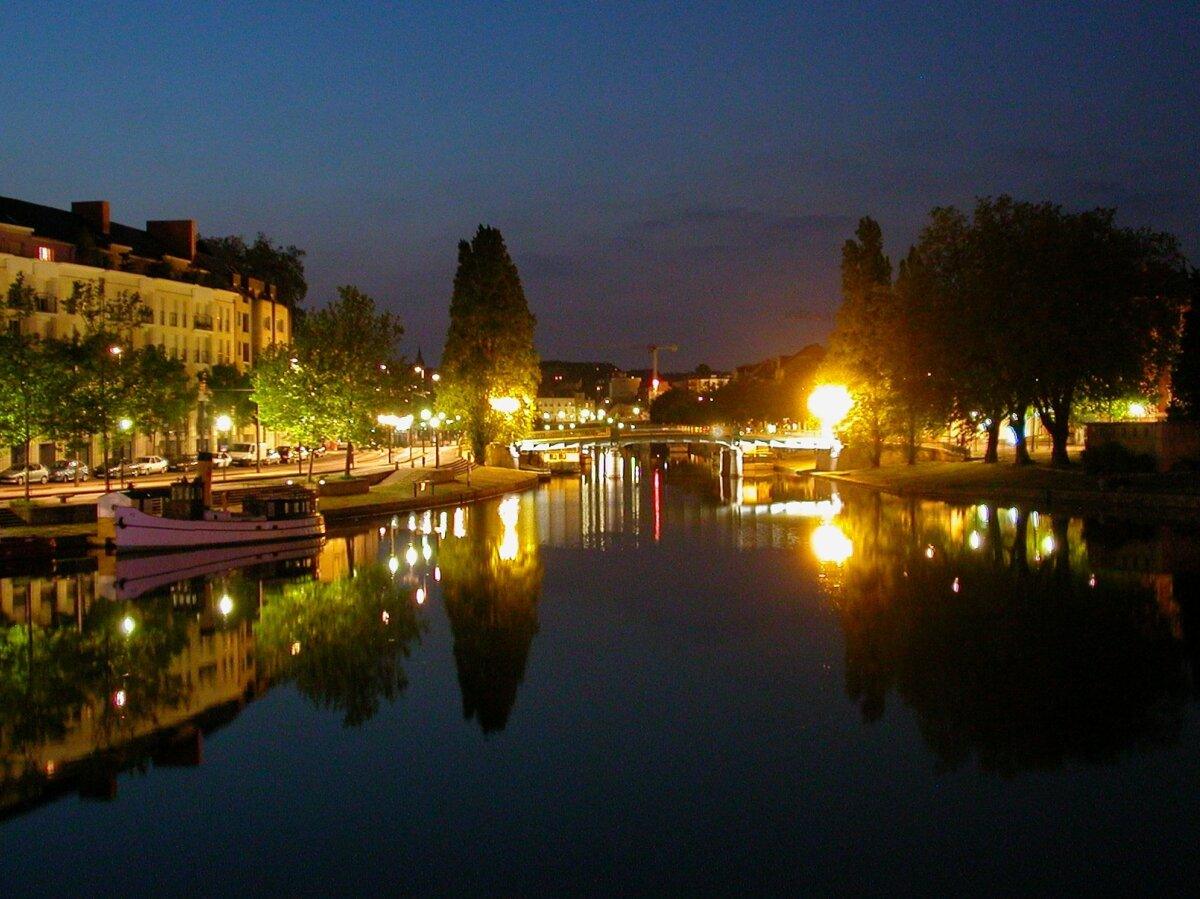
A simple benchmark: the atmosphere changes significantly between lively areas and more residential sectors, even at a short distance.
How to choose between neighborhoods: a simple method (without getting lost)
1) Start from your “typical week”
Write down in black and white your actual trips (work, school, sports, shopping) and the main mode of transportation. In Nantes, proximity to tram/bus can transform daily life, as can quick access to a major bike path. With the same budget, a slightly smaller but better-located home can sometimes be more comfortable daily than a large home far from everything.
2) Test the neighborhood, not just the home
Visit at two or three different times. Observe the flows, lighting, presence of open shops, public spaces. In new developments, people sometimes imagine from the plans: this is precisely where the site visit is essential, as it reveals what the renderings do not show (noise, wind, urban barriers, actual walking time).
3) Check the financial setup thoroughly
The listed price is not enough: include notary fees, possible guarantee fees, parking costs, kitchen, storage. Then test the project’s robustness if the mortgage rate changes (or if your situation changes). Depending on your profile, explore eligibility for the zero-interest loan: when it applies, it can change the “map” of accessible neighborhoods.
4) Compare several new developments (even within the same neighborhood)
Two new developments ten minutes apart can target different uses: very compact “investor” residences, family residences with parking, premium residences with large terraces. The quality of the layouts, orientation, ventilation, outdoor spaces, and energy performance make a big difference in the long term, and the seriousness of the property developer matters, especially regarding finishes and follow-up.
Where to find developments and refine your selection
Multiply leads, without scattering yourself
The most effective way is to cross a search by budget and type (T2/T3/T4) with a search by uses (proximity to tram, schools, employment hubs). You can also consult our selection in Nantes to quickly spot new residences and compare areas according to your project.
The right sign: when a neighborhood “fits” your project
You are on the right track when the answers become obvious: acceptable commute, shops within reasonable distance, environment consistent with your rhythm, and financing that remains comfortable. From there, you can refine based on more “long-term” criteria: brightness, presence of an outdoor space, floor, parking, resale potential.
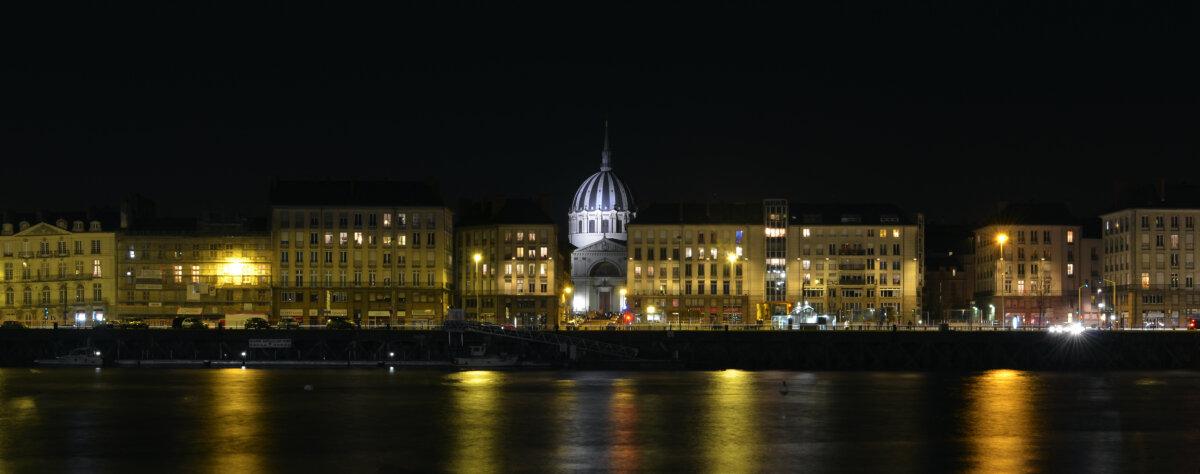
The banks of the Loire attract for the setting, but the precise location (quietness, access, traffic) remains decisive.
Common mistakes when buying new property in Nantes (and how to avoid them)
Deciding “by neighborhood” without looking at the address
The name of the neighborhood helps to get your bearings, but the purchase is decided at the street level: a well-located, well-oriented residence, close to a tram stop and shops, will retain its value better than a project far from useful flows, even if the neighborhood “on paper” is attractive.
Forgetting the exit scenario
Even if you buy to live there, ask yourself: if I sell in 7 to 10 years, who will buy? A couple, a family, an investor? The answer influences the choice of type, floor, parking, and area. In some neighborhoods, demand is very “active”; in others, it is more family-oriented.
Underestimating the overall cost
In new properties, people often think about the price of the unit, then add “at the end” the kitchen, storage, equipment, or even services. It is better to include these items from the start, along with the notary fees, to avoid having to cut back on an essential criterion (transport, size, outdoor space).
Summary: which neighborhood to target according to your profile?
You want central + dynamic
Île de Nantes is often a good starting point, provided you check the micro-local atmosphere and the progress of the blocks around the residence.
You prioritize connection (train/tram) and practicality
Euronantes / Gare is coherent if travel time is your main variable and if you accept a denser environment.
You are looking for a residential setting close to the center
Saint-Félix / Saint-Mihiel can be appealing, but new offerings there are rarer: you need to be reactive and very attentive to the quality of the product.
You aim for a more affordable budget
Doulon – Bottière and some sectors in the east often offer a better surface/price ratio, with a real challenge of connection and ecosystem nearby.
You buy in a family and sustainable mode
Saint-Joseph de Porterie and other residential areas can be an interesting compromise if access to services and transport matches your routine.
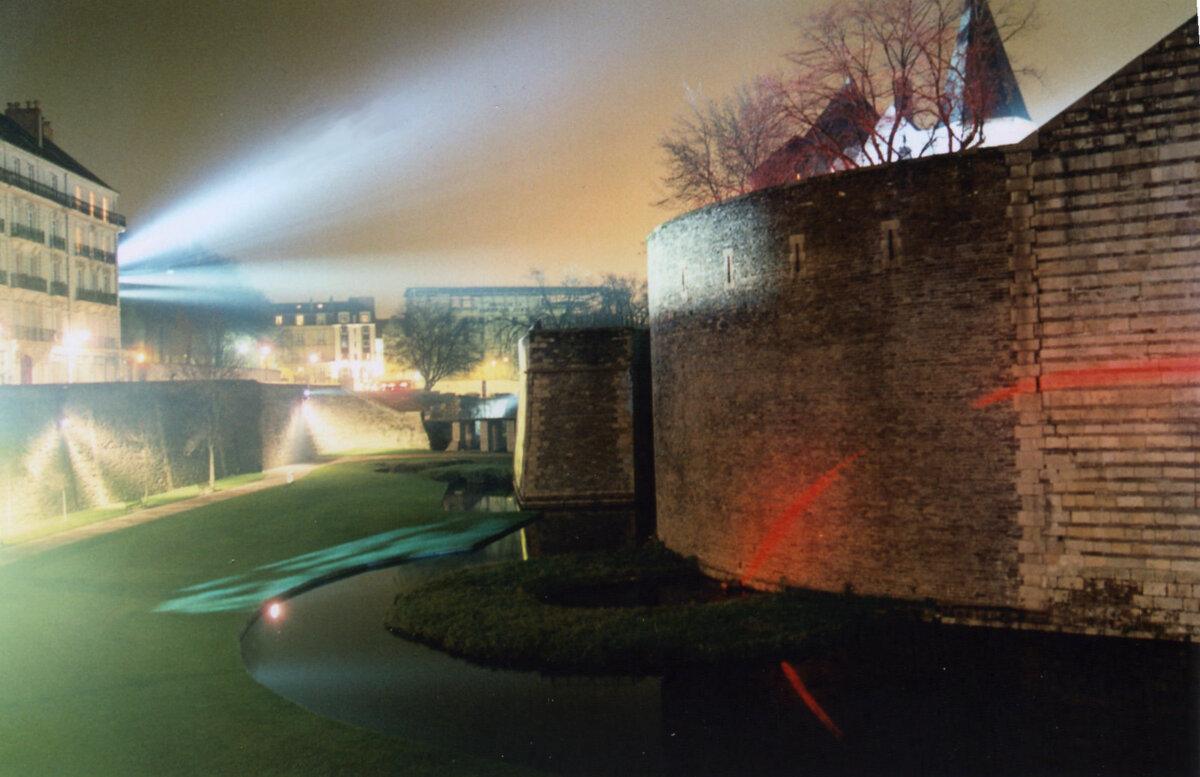
Last landmark: the closer you get to the central hubs, the more limited and selective the new supply can be.