Quick summary: verdict & who this ranking is for
In 2024, global air traffic reached a record level of about 9.4 billion passengers, surpassing the figures of 2019. The 20 largest airports alone concentrate nearly 16% of global traffic. In this context, the top 10 hubs listed here are true “gateways” to the planet, essential for long-haul flights and intercontinental connections.
Overall ranking score: 9/10
Recommended for: frequent travelers, families in long-haul transit, statistics enthusiasts, tourism professionals, and travelers who want to anticipate their connections at the busiest airports.
Strengths and limitations of the largest airports
What these mega-hubs offer travelers
- Flight frequency: very close departures to the main continents, useful in case of delay or cancellation.
- Destination network: dense global coverage, with dozens of long-haul and regional connections.
- Ground services: lounges, airport hotels, children’s play areas, varied shops, and 24/7 dining.
- Accessibility: dedicated rail or metro links (London, Tokyo, Istanbul, Delhi) that simplify arrival in the city.
- Absorption capacity: better management of traffic peaks during holidays or major sporting events.
Weaknesses to keep in mind
- Walking distances: gigantic terminals that can require 15 to 30 minutes of walking between two gates.
- Connection complexity: terminal changes, repeated checks, sometimes saturated internal shuttles.
- Congestion at controls: longer lines at security and immigration during peak hours.
- Impact of disruptions: a weather or technical incident can affect hundreds of connected flights.
- On-site cost: dining and services often more expensive than at regional airports.
According to 2024 data from ACI World, global passenger traffic grew by about 8% in one year, exceeding 9.4 billion travelers. The 20 busiest airports alone handle nearly 1.54 billion passengers, making them strategic nodes for global connectivity.
ACI World, World Airport Traffic Dataset 2025
Table of the 10 Largest Airports (2024 Passengers)
The ranking below includes the 2024 passenger traffic figures (boarding + deplaning + transit) published by Airports Council International.
| Rank | Airport (code) | City / Country | Passengers 2024* | International Traffic % |
|---|---|---|---|---|
| 1 | Hartsfield–Jackson Atlanta (ATL) | Atlanta, United States | ≈ 108.1 M | ~52 % |
| 2 | Dubai International (DXB) | Dubai, United Arab Emirates | ≈ 92.3 M | ~92 % |
| 3 | Dallas–Fort Worth (DFW) | Dallas–Fort Worth, United States | ≈ 87.8 M | ~28 % |
| 4 | Tokyo Haneda (HND) | Tokyo, Japan | ≈ 85.0 M | ~36 % |
| 5 | Heathrow (LHR) | London, United Kingdom | ≈ 83.9 M | ~73 % |
| 6 | Denver (DEN) | Denver, United States | ≈ 82.4 M | ~22 % |
| 7 | Istanbul (IST) | Istanbul, Turkey | ≈ 80.4 M | ~78 % |
| 8 | O’Hare Chicago (ORD) | Chicago, United States | ≈ 80.0 M | ~31 % |
| 9 | Indira Gandhi Delhi (DEL) | Delhi, India | ≈ 77.8 M | ~58 % |
| 10 | Shanghai Pudong (PVG) | Shanghai, China | ≈ 76.8 M | ~62 % |
*Source data: Airports Council International (ACI) World Airport Traffic Dataset, compiled in December 2024. Figures include boardings, deplanings, and direct transit passengers. Numbers rounded from official statistics published by each airport. Last update: December 2024.
Which Airport to Choose According to Your Type of Travel?
Segmentation by Traveler Need
- Long-haul flight Europe-Asia: Dubai (DXB), Istanbul (IST), London Heathrow (LHR) – hubs specialized in intercontinental traffic.
- Quick connection United States: Atlanta (ATL), Chicago (ORD) – dense and efficient domestic networks.
- Arrival in Asia: Tokyo Haneda (HND), Shanghai Pudong (PVG), Delhi (DEL) – main gateways to the Asia-Pacific region.
- Comfort and smoothness hub: Tokyo Haneda, Singapore Changi (outside top 10) – excellent passenger experience and signage.
Top 10 Largest Airports: Focus by Hub
1. Atlanta (ATL), the American Domestic Giant
Hartsfield–Jackson Atlanta International Airport serves as a mega-hub for Delta Air Lines and several low-cost carriers. In 2024, it welcomed approximately 108.1 million passengers, making it the busiest airport in the world for another year. Its central position in the United States optimizes connections between the east and west of the country.
For a European or African traveler, transiting through ATL often means a connection to a secondary American city. The terminals are well connected by an internal automated train, but distances can be significant: allow at least 90 minutes for a layover if passing through immigration.
2. Dubai (DXB), the gateway to the Middle East
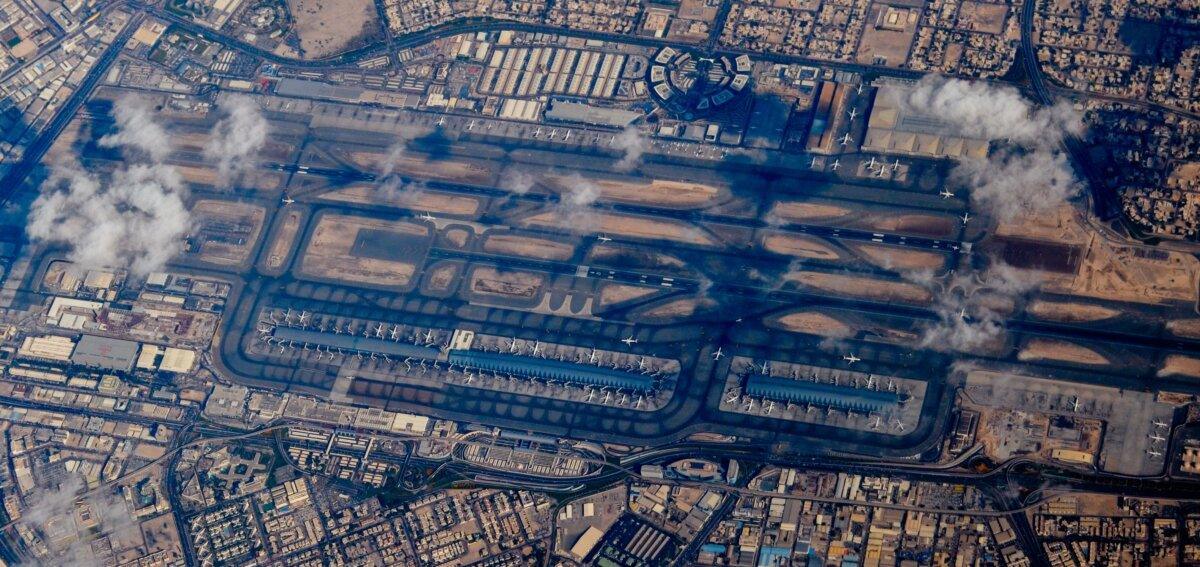
Dubai International Airport is the leading global hub for long-haul flights connecting Europe, Asia, Africa, and Oceania. In 2024, it handled approximately 92.3 million passengers, consolidating its second place worldwide. Most of the traffic relies on the Emirates airline and its network of intercontinental routes.
For travelers, DXB is known for its comfortable layovers: numerous lounges, showers, airport hotels, and a highly developed internal shopping center. For a simple air-to-air connection, a margin of 75 to 90 minutes is generally sufficient, but security checks can be longer during nighttime departure waves.
3. Dallas–Fort Worth (DFW), the hub of Texas
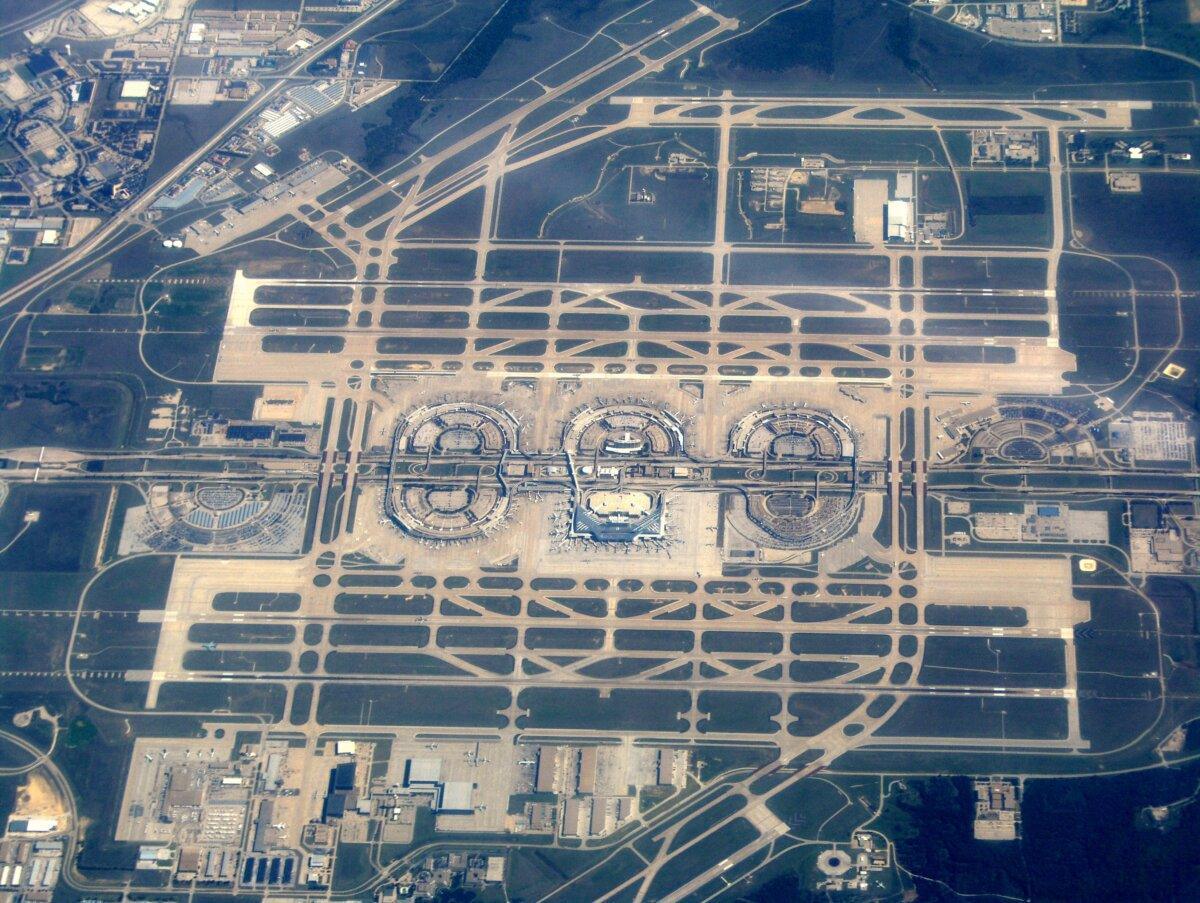
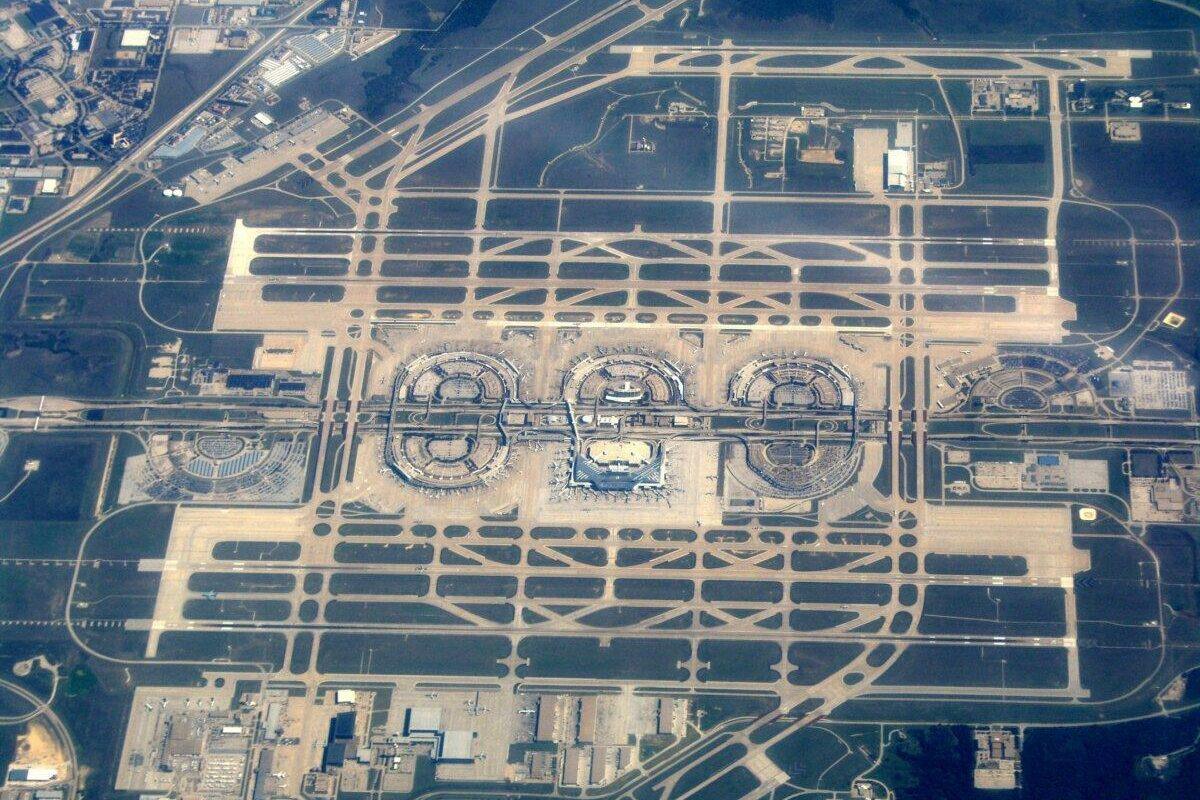
Located between Dallas and Fort Worth, DFW is a gigantic hub for American Airlines. With nearly 87.8 million passengers in 2024, it ranks third worldwide. The airport has a ring-shaped layout, with five terminals connected by an efficient automated train (Skylink).
DFW is particularly useful for connecting Europe and Latin America via U.S. domestic flights. Connections remain smooth, but passing through immigration controls can lengthen the layover when entering the United States for the first time. For an international-to-domestic transit, aiming for at least 2 hours is advisable.
4. Tokyo Haneda (HND), the airport of the Japanese capital
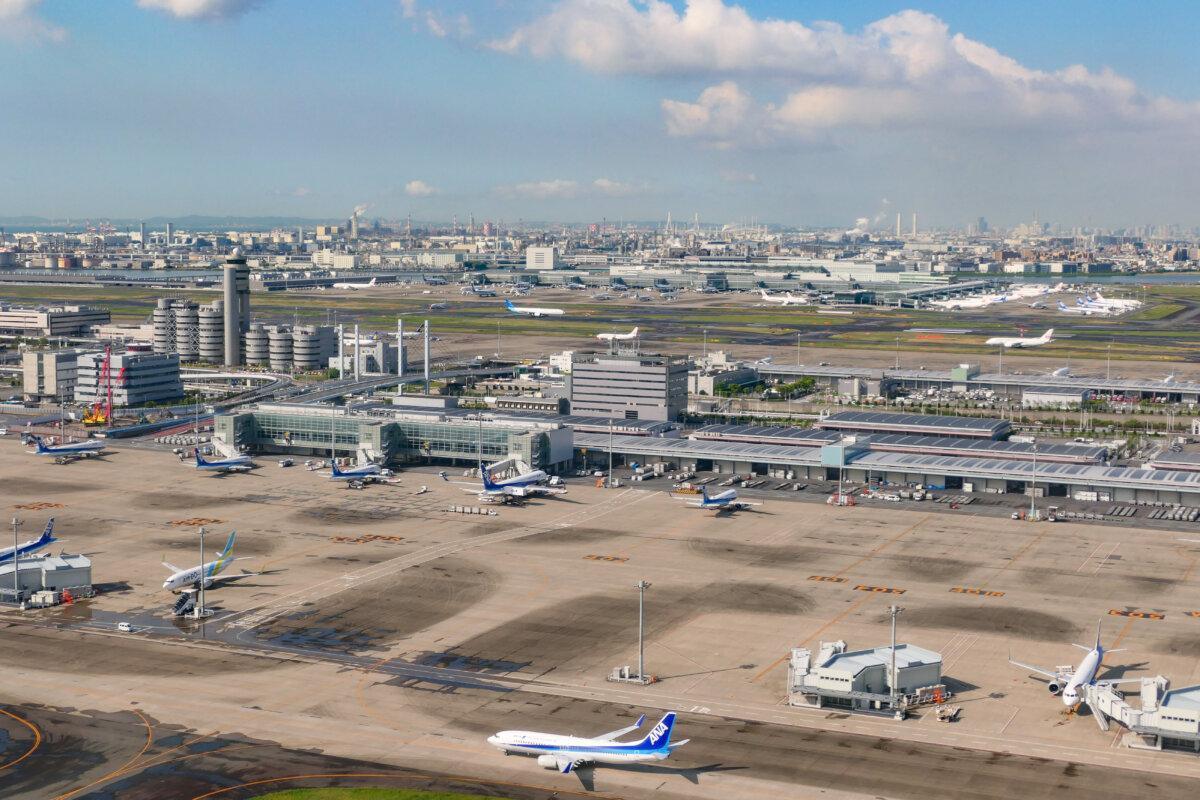
Haneda is the closest airport to downtown Tokyo and a major hub for All Nippon Airways and Japan Airlines. It welcomed about 85 million passengers in 2024, with very rapid growth since the post-pandemic recovery.
Highly appreciated by travelers, HND stands out for clear signage, exemplary cleanliness, and fast rail connections to the city (monorail line and Keikyū). It is an excellent entry point for a tour in Japan, especially if combining an international flight with a domestic flight to Hokkaidō, Kyūshū, or Okinawa.
5. Heathrow (LHR), the gateway to London
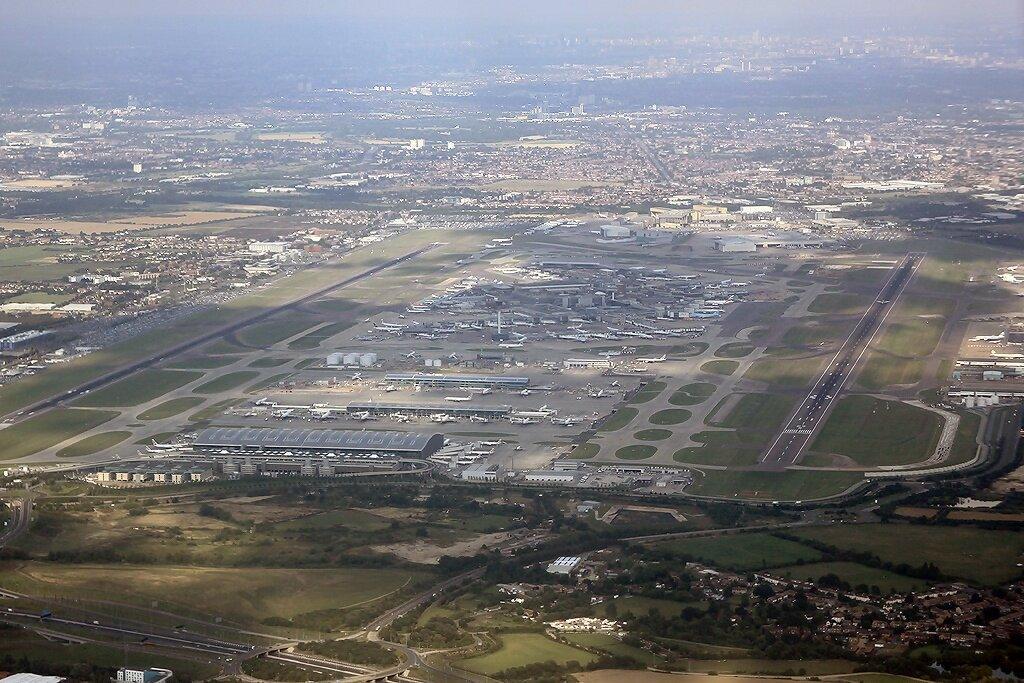
Heathrow remains the main European airport by international traffic, with nearly 83.9 million passengers in 2024. It concentrates a high density of flights to North America, the Middle East, and Asia, driven by British Airways and many partner airlines.
Its main weaknesses lie in congestion and the complexity of terminal changes. Internal travel times can be long, especially between terminals 2/3 and 5. For a stopover involving a change of airline or terminal, it is better to allow at least 2 hours, or even more during morning and evening slots.
6. Denver (DEN), high-altitude hub
Denver International Airport impresses with its ground area, one of the largest in the world. With more than 82.4 million passengers in 2024, it ranks sixth worldwide. This hub mainly serves domestic US traffic and some connections to Canada, Mexico, and Europe.
Its architecture shaped like white tents evokes the nearby Rockies. For travelers, Denver is primarily a convenient connection point to reach the western United States (National Parks, Colorado, Utah, Wyoming). Connection times are reasonable, but the airport can experience winter disruptions related to snow.
7. Istanbul (IST), Euro-Asian crossroads
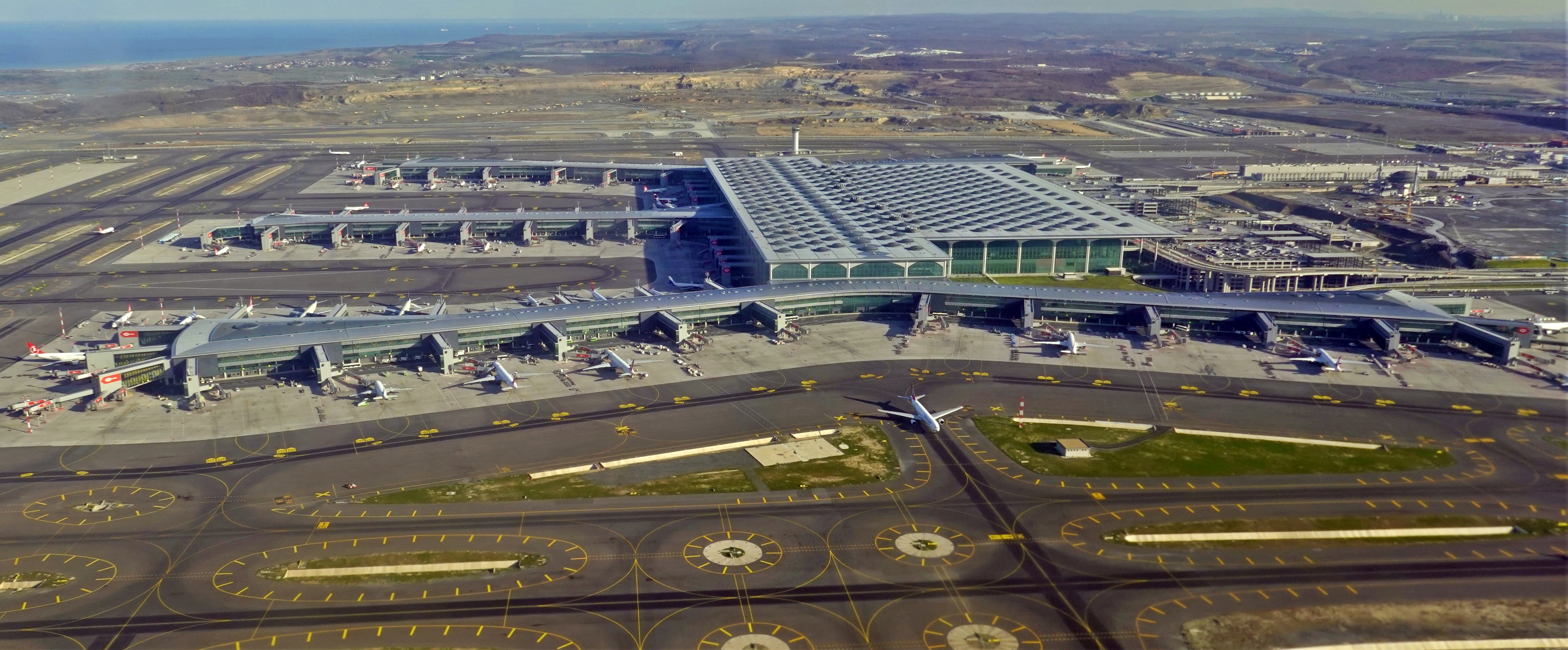
Opened in 2019, the new Istanbul Airport is already a giant: about 80.4 million passengers in 2024. It is the main base of Turkish Airlines, whose network covers a record number of countries.
The airport is designed for transit: large boarding halls, numerous connections to Africa, the Middle East, Central Asia, and Europe. In return, walking distances can be surprising. For short connections (less than 75 minutes), it is useful to carefully plan your route in advance.
8. Chicago O’Hare (ORD), a classic still very busy
O’Hare International Airport remains a pillar of the American network, with about 80.0 million passengers in 2024. Historically one of the busiest airports in the world, it serves as a major hub for United Airlines and American Airlines.
Its network of runways and terminals reflects several decades of successive expansions. Connections are efficient, but winter weather can severely disrupt operations. Transit travelers benefit from a choice of destinations, at the cost of some operational complexity.
9. Delhi Indira Gandhi (DEL), rising star of Asia
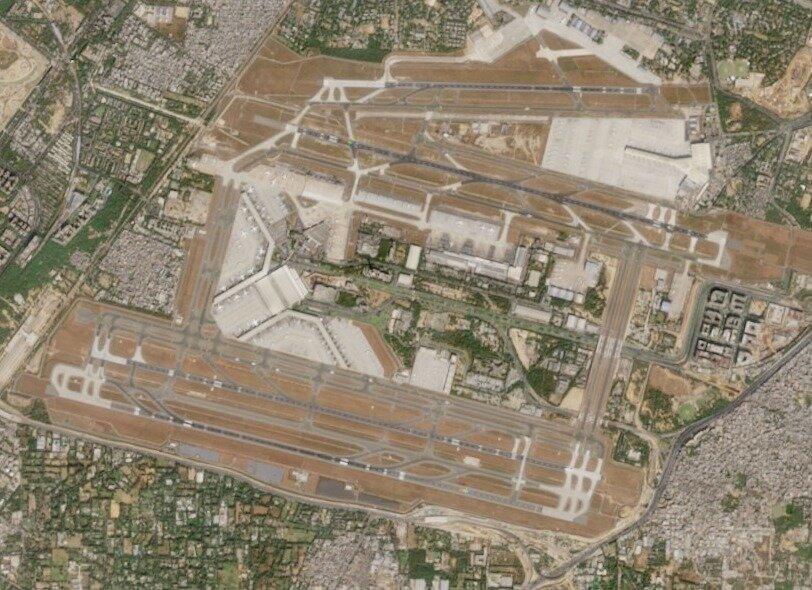
Indira Gandhi International Airport welcomed about 77.8 million passengers in 2024 and ranks ninth worldwide, ahead of several historic hubs. The airport has invested heavily in expanding terminals and improving the passenger experience.
Thanks to its central geographic position, Delhi is becoming a strategic crossroads for flights between Europe, Southeast Asia, and Australia. Travelers enjoy a fast metro to the city center, nearby hotels, and a growing offer of direct flights to Europe and North America.
10. Shanghai Pudong (PVG), the major Chinese hub open to the world

Shanghai Pudong International Airport completes the top 10 with about 76.8 million passengers in 2024, a strong increase compared to 2023. It is one of the main entry points into China for international flights, alongside Beijing-Capital and Guangzhou.
The airport is connected to the city by a magnetic levitation train (Maglev) and several metro lines. It serves as a hub for China Eastern Airlines and many international carriers. For connections, it is necessary to anticipate visa or visa-free transit formalities, which vary depending on nationality and ticket type.
In 2024, the global demand for air transport measured in revenue passenger kilometers (RPK) increased by about 10% compared to 2023 and now exceeds the 2019 level, with an average load factor close to 83.5%. This growth explains the increased pressure on major hubs.
IATA, January 2025 press release
Comparison table: services and stopover conditions
| Airport | Minimum stopover time (non-immigration) | Best for | Highlights |
|---|---|---|---|
| ATL (Atlanta) | 75 min | Fast USA connections | Efficient Skylink train, numerous flights |
| DXB (Dubai) | 75 min | Stopover comfort, long-haul transit | Premium lounges, showers, shopping |
| HND (Tokyo) | 60 min | Calm and smooth flow | Clear signage, exemplary cleanliness |
| LHR (London) | 120 min | Transatlantic flights | Dense international connections |
| IST (Istanbul) | 75 min | Europe-Asia-Africa | Growing hub, competitive rates |
| DEL (Delhi) | 90 min | South and Southeast Asia | Metro to city center, modernized |
How this ranking was established
This top 10 is based on 2024 data from Airports Council International (ACI), compiled in the World Airport Traffic Dataset, which aggregates for each airport the total number of passengers (boarding, disembarking, direct transit).
The main criteria considered:
- Total passenger traffic 2024 (source ACI, supplemented by official airport publications when available).
- Role as an international hub (importance of connections and long-haul networks).
- Weight in the national system (primary airport of the country or region).
- Recent evolution (growth compared to 2023 and the pre-COVID era).
- Clarity for travelers (terminal clarity, accessibility by public transport, transit services).
This ranking does not take into account floor area (a criterion that would, for example, place King Fahd in Dammam or Denver at the top) nor only international traffic (where Dubai and London Heathrow dominate). It is a ranking by number of passengers, the simplest and most relevant for a traveler preparing their itineraries.
Traveling via the largest airports: what it changes
Transiting through one of the largest airports in the world means benefiting from a maximum of choice (airlines, schedules, destinations), but also accepting certain compromises: crowds, distances, repeated controls. For families, these airport platforms are often reassuring because they are very well equipped with services, but they can be intimidating due to their size.
For frequent travelers, these air hubs allow for optimizing connections: in case of delay, it is easier to be rebooked on another flight. Conversely, regional airports, which are smaller, sometimes offer a simpler experience, with shorter transit times and faster security checks.
Practical tips for your layovers in mega airports
- Aim for 90–120 minutes of connection time for any layover involving a border control (e.g., ATL, DFW, LHR, DEL, PVG).
- Download the airport map or the official app before your trip to locate terminals and gates.
- Group your flights under the same booking so the airline manages the connection in case of delay.
- Be prepared to walk: in Istanbul, Atlanta, or Shanghai, a ten-minute walk between two gates is common.
- Anticipate security checks by preparing liquids, laptops, and metal objects to save time.
- For a long layover, consider an airport hotel or a paid lounge, which are numerous in these hubs.
FAQ about the world’s largest airports
What is the largest airport in the world by number of passengers?
In 2024, the top spot goes to Hartsfield–Jackson Atlanta (ATL) with just over 108 million passengers for the year, ahead of Dubai (DXB) with 92.3 million and Dallas–Fort Worth (DFW) with 87.8 million passengers.
And the largest airport by surface area?
If we talk about ground area, the ranking changes completely: airports like King Fahd International (Dammam) or Denver (DEN) are among the largest, but they do not necessarily appear in the top 3 airports by passengers.
What is the busiest European airport?
In 2024, it is Heathrow (LHR) in London that remains the main European hub in total traffic, ahead of Istanbul (IST) and Paris-Charles-de-Gaulle (CDG), the latter being slightly behind compared to the pre-COVID period.
Are the largest airports the best for connections?
They are very efficient in case of disruption thanks to the large number of replacement flights, but the experience can be more complex: long walks, terminal changes, long queues. For a first layover, it may be more comfortable to choose a hub known for its smoothness like Tokyo Haneda or Singapore Changi, even if they are not always in the top 10 by passengers.
How much time should be planned for a layover in Dubai or Atlanta?
For an international-to-international transit without immigration, a margin of 75 to 90 minutes is generally sufficient at DXB as well as ATL. However, if Atlanta is your first point of entry into the United States, plan for at least 2 hours for immigration, possible baggage claim, and a new security check.
What is the impact of traffic growth on these airports?
The rapid traffic growth since 2023, with an increase of about 10% in global demand in 2024, puts strong pressure on existing capacities. This results in terminal expansion projects, new runways, and investments in passenger flow digitalization.
Why do Delhi and Shanghai Pudong appear in the top 10?
The rise of Delhi (DEL) and Shanghai Pudong (PVG) reflects the growth of air traffic in Asia. Delhi surpassed 77.8 million passengers in 2024, while Shanghai increased by more than 40% compared to 2023 to reach about 76.8 million passengers.
Are large airports more prone to delays?
They are more sensitive to weather hazards and domino effects (one delay affects several connected flights). In return, these platforms have more advanced operational tools (parallel runways, modern control towers, detailed weather forecasts) and many options for flight rescheduling.
What are the largest airports in France?
In France, the busiest airports are Paris-Charles-de-Gaulle (CDG) and Paris-Orly (ORY), followed by Nice, Lyon, and Marseille. CDG is in the global top 20 for passenger traffic, but not in the top 10.
Does this ranking change often?
The top spots are quite stable (Atlanta has dominated since the late 1990s), but the lower part of the top 10 evolves. The rapid progress of Tokyo Haneda, Delhi, or Shanghai Pudong illustrates Asia’s rise in global air transport.
{
“@context”:”https://schema.org”,
“@type”:”FAQPage”,
“mainEntity”:[
{
“@type”:”Question”,
“name”:”What is the largest airport in the world by number of passengers?”,
“acceptedAnswer”:{
“@type”:”Answer”,
“text”:”In 2024, the top spot goes to Hartsfield–Jackson Atlanta (ATL) with just over 108 million passengers for the year, ahead of Dubai (DXB) with 92.3 million and Dallas–Fort Worth (DFW) with 87.8 million passengers.”
}
},
{
“@type”:”Question”,
“name”:”And the largest airport by land area?”,
“acceptedAnswer”:{
“@type”:”Answer”,
“text”:”If we talk about land area, the ranking changes completely: airports like King Fahd International (Dammam) or Denver (DEN) are among the largest, but they do not necessarily appear in the top 3 airports by passengers.”
}
},
{
“@type”:”Question”,
“name”:”What is the busiest European airport in 2024?”,
“acceptedAnswer”:{
“@type”:”Answer”,
“text”:”In 2024, it is Heathrow (LHR) in London that remains the main European hub in total traffic, ahead of Istanbul (IST) and Paris-Charles-de-Gaulle (CDG), the latter being slightly behind compared to the pre-COVID period.”
}
},
{
“@type”:”Question”,
“name”:”Are the largest airports the best for connections?”,
“acceptedAnswer”:{
“@type”:”Answer”,
“text”:”They are very efficient in case of disruption thanks to the large number of replacement flights, but the experience can be more complex: long walks, terminal changes, long queues. For a first stopover, it may be more comfortable to choose a hub known for its smoothness like Tokyo Haneda or Singapore Changi, even if they are not always in the top 10 by passengers.”
}
},
{
“@type”:”Question”,
“name”:”How much time should be planned for a stopover in Dubai or Atlanta?”,
“acceptedAnswer”:{
“@type”:”Answer”,
“text”:”For an international-to-international transit without immigration clearance, a margin of 75 to 90 minutes is generally sufficient at DXB as well as at ATL. However, if Atlanta is your first point of entry into the United States, plan at least 2 hours for immigration, possible baggage claim, and a new security check.”
}
},
{
“@type”:”Question”,
“name”:”What is the impact of traffic growth on these airports?”,
“acceptedAnswer”:{
“@type”:”Answer”,
“text”:”The rapid growth in traffic since 2023, with an increase of about 10% in global demand in 2024, puts strong pressure on existing capacities. This results in terminal expansion projects, new runways, and investments in the digitalization of passenger flows.”
}
},
{
“@type”:”Question”,
“name”:”Why do Delhi and Shanghai Pudong appear in the top 10?”,
“acceptedAnswer”:{
“@type”:”Answer”,
“text”:”The rise of Delhi (DEL) and Shanghai Pudong (PVG) reflects the growth of air traffic in Asia. Delhi surpassed 77.8 million passengers in 2024, while Shanghai increased by more than 40% compared to 2023 to reach about 76.8 million passengers.”
}
},
{
“@type”:”Question”,
“name”:”Are large airports more exposed to delays?”,
“acceptedAnswer”:{
“@type”:”Answer”,
“text”:”They are more sensitive to weather hazards and domino effects (a delay affects several connected flights). On the other hand, these hubs have more advanced operational tools (parallel runways, modern control towers, detailed weather forecasts) and many options for flight rescheduling.”
}
},
{
“@type”:”Question”,
“name”:”What are the largest airports in France?”,
“acceptedAnswer”:{
“@type”:”Answer”,
“text”:”In France, the busiest airports are Paris-Charles-de-Gaulle (CDG) and Paris-Orly (ORY), followed by Nice, Lyon, and Marseille. CDG is in the global top 20 for passenger traffic, but not in the top 10.”
}
}
]
}