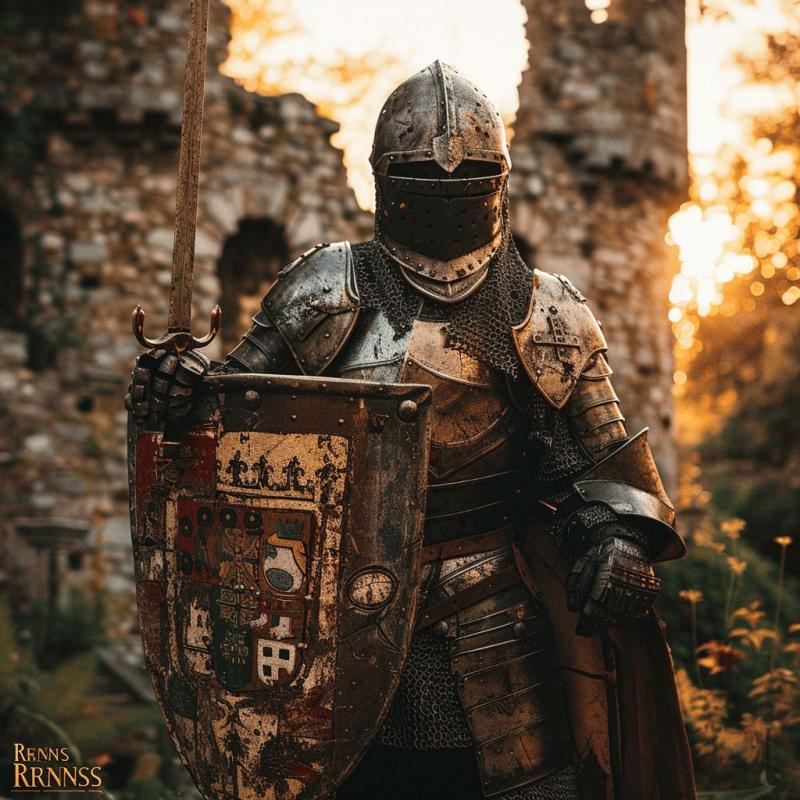
A thriving medieval city
In the heart of the Middle Ages, Rennes experienced a rapid expansion that profoundly transformed its appearance. The city gradually freed itself from its Gallo-Roman walls to extend beyond its boundaries, demonstrating its demographic and economic vitality. The Dukes of Brittany, aware of the strategic importance of the city, established their main residence there in the 14th century, making Rennes the nerve center of the duchy.
This period saw the emergence of characteristic architecture that still marks the urban landscape today. The timber-framed houses, typical of the medieval era, multiplied in the narrow streets of the city center. These constructions, combining wood and wattle and daub, are a precious testimony to medieval housing and contribute to the picturesque charm of the old town.
The economic boom of Rennes was largely based on its role as a commercial crossroads. The city became an essential place of exchange, notably thanks to its renowned fairs that attracted merchants and artisans from all over the region. The trade of flax and hemp, as well as the textile industry, greatly contributed to the prosperity of the city. This economic effervescence was reflected in the construction of prestigious buildings, such as Saint Peter’s Cathedral, whose work began in the 11th century and continued for several centuries.
Anecdotes and unusual facts from Rennes’ history
The medieval history of Rennes is full of surprising anecdotes that testify to the richness of its past. In 1357, an unusual event left a mark: the city was besieged by the English troops of the Duke of Lancaster. Against all odds, the people of Rennes valiantly resisted for several months, repelling enemy assaults with ingenuity. Legend has it that they even threw a well-fed pig over the ramparts to taunt the starving besiegers, thereby demonstrating their determination and resourcefulness.
Another significant fact from Rennes’ medieval history concerns justice. In the 15th century, the city established a parliament, the supreme judicial institution of the Duchy of Brittany. This creation greatly enhanced the prestige and importance of Rennes in the region. A tasty anecdote recounts that during the parliament’s installation, the magistrates faced an unexpected problem: a lack of seats! It was urgently necessary to requisition benches from nearby churches to allow the judges to sit with dignity.
The religious history of Rennes in the Middle Ages is no less full of surprising events. In 1120, a fire ravaged a large part of the city, miraculously sparing the Saint-Sauveur church. This episode was interpreted as a divine sign and strengthened the religious fervor of the inhabitants. Pilgrimages were then organized to the church, attracting faithful from all over Brittany.
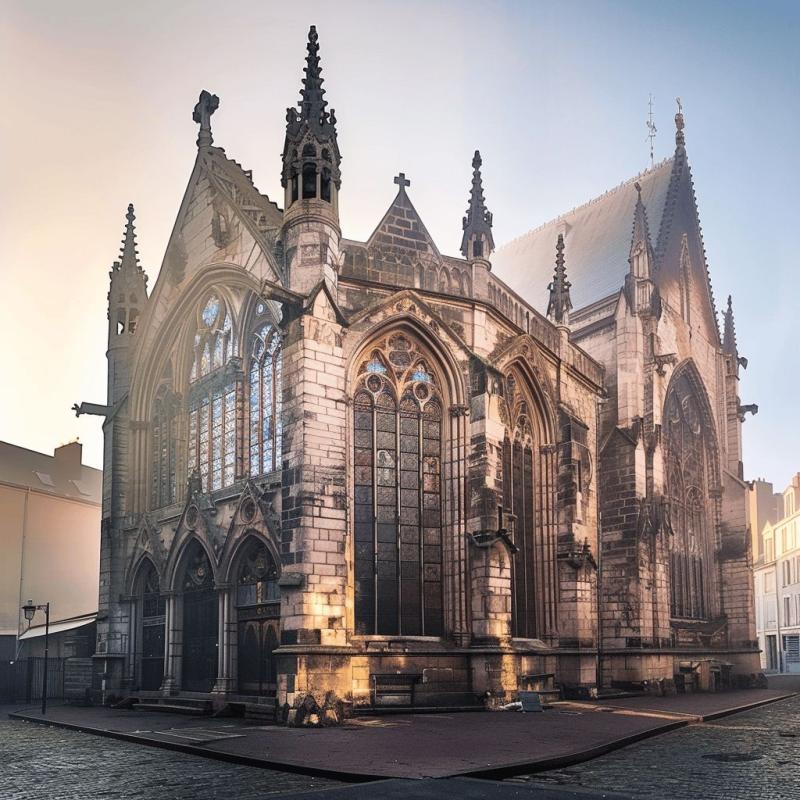
A medieval heritage still alive
The imprint of the Middle Ages remains deeply rooted in Rennes’ current heritage. The remains of the medieval ramparts, notably the Mordelaises gates, constitute an imposing testimony to the defensive architecture of the time. These gates, once the main entrance to the city, were the scene of many historical events and symbolize the power of the medieval city.
The medieval religious heritage of Rennes is also remarkable. Apart from the Saint-Pierre Cathedral, the Saint-Germain church, whose construction dates back to the 15th century, offers a fine example of flamboyant Gothic architecture. Its twisted bell tower, the result of a construction error or a deliberate choice, has become an iconic symbol of the city.
The medieval legacy is also evident in local traditions and festivities. Every year, the people of Rennes celebrate the Medieval Festivals, a historical reenactment that immerses the city in the atmosphere of the Middle Ages. These festivities help to perpetuate the memory of this fascinating era and raise public awareness of the richness of medieval heritage.
Here is a summary table of the main medieval monuments of Rennes:
| Monument | Construction Period | Architectural Style |
|---|---|---|
| Saint-Pierre Cathedral | 11th – 18th century | Romanesque, Gothic, Neoclassical |
| Mordelaises Gates | 15th century | Medieval military architecture |
| Saint-Germain Church | 15th – 16th century | Flamboyant Gothic |
| Half-timbered houses | 15th – 16th century | Medieval civil architecture |
The medieval history of Rennes continues to interest and inspire. Archaeological and historical research conducted in recent years has uncovered new discoveries, enriching our understanding of this crucial period. Among the recent findings are:
- Remains of artisanal workshops from the 13th century
- A monetary treasure dating from the 14th century
- Fragments of medieval frescoes in an old patrician house
- A previously unknown network of medieval underground tunnels
These discoveries testify to the richness of Rennes’ subsoil and the importance of continuing investigations to better understand the city’s history. They also highlight the necessity of preserving this unique heritage, an irreplaceable witness to the medieval history of Rennes and Brittany.