In Brief
🧭 The best Asian cities to visit in 3 days are those that combine a well-connected airport, dense neighborhoods, efficient transport, and concentrated sites. In this logic, Tokyo, Singapore, Bangkok, Seoul, and Kyoto offer the best time/pleasure ratio.
💸 For a short stay excluding flights, generally budget €70 to €110 per day in Bangkok, €110 to €180 in Tokyo or Singapore, and around €90 to €150 in Seoul or Kyoto, depending on the season and hotel level.
🚇 A good 3-day itinerary is based on a simple rule: group visits by contiguous zones, limit accommodation changes, and aim for urban trips of 20 to 40 minutes maximum between major highlights.
📅 The most comfortable periods are often spring and autumn. Summer brings more showers and humidity to Bangkok or Singapore, while the peak of maples and cherry blossoms can drive prices up in Kyoto and Tokyo.
What Are the 5 Best Asian Cities to Visit in 3 Days?
The five cities best suited for a 3-day stay are Tokyo, Singapore, Bangkok, Seoul, and Kyoto. They combine reliable transport, well-identified tourist neighborhoods, a dense cultural offer, and a good balance between major sites, gastronomy, and walks achievable without losing half the trip in transfers.
To establish this top 5, the main criterion is not the city’s supposed “beauty,” but its visitability in 72 hours. A very large metropolis can be fascinating but frustrating if points of interest are too spread out. Conversely, a city that is a bit less spectacular on paper can become an excellent choice if it allows chaining heritage, street food, museums, and urban views with little logistical friction. This is precisely what makes the difference on a long weekend.
| City | Why It Works in 3 Days | Indicative Budget / Day | Best Period |
|---|---|---|---|
| Tokyo | Highly contrasting neighborhoods, exceptional railway network, immense cultural offer | €110 to €180 | March-April, October-November |
| Singapore | Compact city, very easy to get around, ideal without a car | €120 to €190 | February-April, July-September |
| Bangkok | Heritage, markets, temples, and nightlife concentrated on a few main axes | €70 to €110 | November-February |
| Seoul | Very good metro, palaces, creative neighborhoods, and accessible gastronomy | €90 to €150 | April-May, September-October |
| Kyoto | Major heritage, calmer atmosphere, excellent choice for a first cultural Japan visit | €90 to €160 | March-April, November |
In practice, Singapore is often the easiest for a first Asian city break: the city is clean, easy to navigate, English-speaking, and Changi Airport greatly limits fatigue upon arrival. Tokyo, on the other hand, requires a bit more preparation but rewards a dense stay very well. Bangkok works admirably if you accept the heat and avoid car travel during rush hours. Seoul offers a very solid compromise between culture, cafes, shopping, and heritage. As for Kyoto, it mainly appeals to travelers who prefer temples, gardens, and walks over contemporary skylines.
If you already like structured itineraries, you can also compare this logic of optimization with our road trip organization guide along the Côte d’Azur: the principle is the same, even in the city, namely grouping stages by coherent sequences rather than by simple order of notoriety.
Optimized itineraries: what to do in each Asian city in 3 days?
1. Tokyo: the richest choice if you like contrasts
Tokyo is huge, but it can be visited very well provided you think in terms of groups of neighborhoods. A 3-day stay generally combines the historic east, the more vertical west, and a third more flexible day between culture, shopping, or panoramic views. According to the destination page dedicated to Tokyo by the Japan National Tourism Organization, the capital alone concentrates several very distinct urban atmospheres, making it an excellent short format for a first trip to Japan.
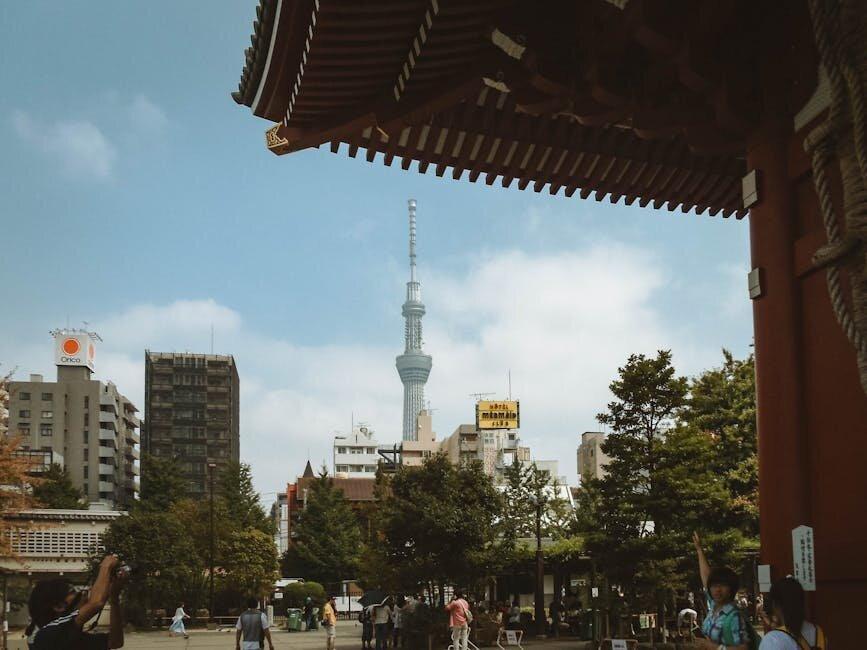
- Day 1: Asakusa, Sensō-ji, Ueno then Akihabara. You start with heritage Tokyo, then move towards museums or electronics according to your tastes.
- Day 2: Meiji-jingū, Harajuku, Omotesandō, and Shibuya. This day works very well on foot, with few breaks in rhythm.
- Day 3: Shinjuku, city hall observatory or teamLab depending on your priorities, then dinner at Omoide Yokocho or Golden Gai.
Tokyo’s strong point is qualitative density. In three days, you don’t “do” the city; you already understand its major faces. In practice, it is observed on the ground that travelers who want to add too many peripheral neighborhoods end up diluting the stay. It is better to keep a central base, for example around Ueno, Tokyo Station, or Shinjuku, with travel times often between 15 and 35 minutes depending on the lines.
2. Singapore: the easiest city to succeed without stress
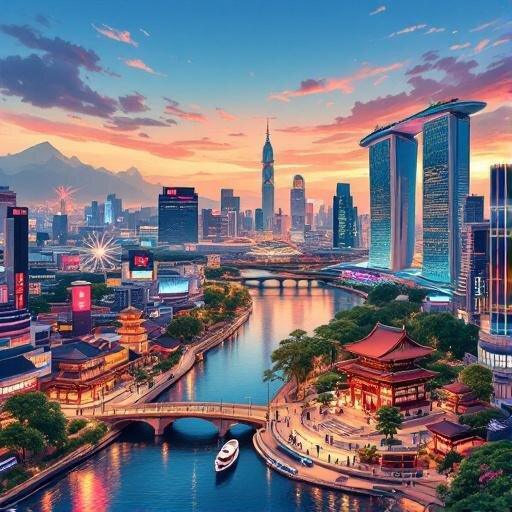
Singapore excels on short stays because almost everything is smooth: the metro, signage, accommodation, and connections from the airport. For a 3-day format, it is probably the most “efficient” city in this selection. According to practical information from the tourism office Visit Singapore, the main neighborhoods of interest are well connected, which greatly reduces transport times.
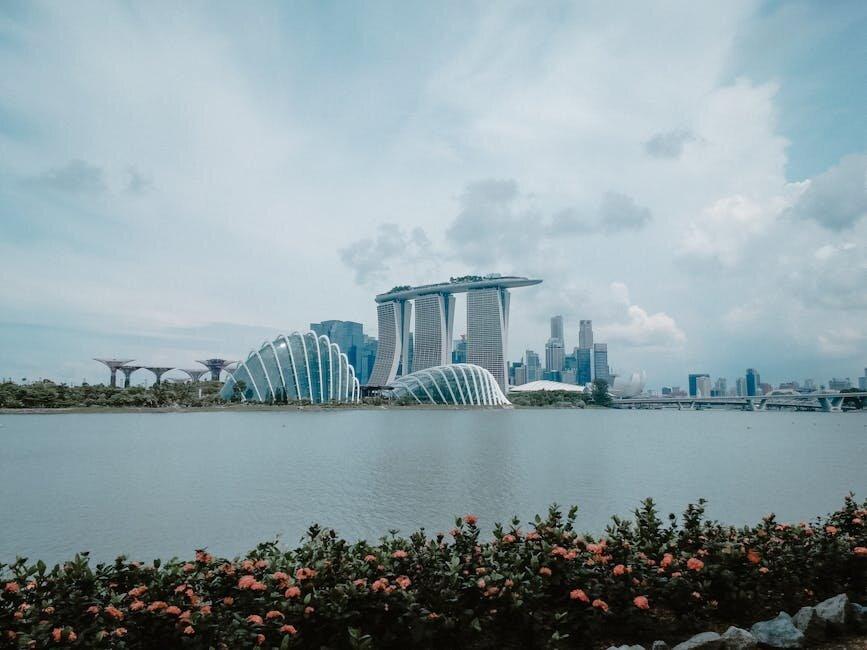
- Day 1: Marina Bay, Merlion, evening walk and light show.
- Day 2: Chinatown, Maxwell Food Centre, then Kampong Glam and Haji Lane.
- Day 3: Gardens by the Bay, Little India or Sentosa Island depending on your profile.
Singapore is particularly suitable for families, active seniors, and travelers who do not like high-intensity improvisation. The perceived distances are short, even though the humid heat tires quickly. It is therefore wise to reserve long walks for the morning and to schedule indoor sites or food courts in the middle of the day. On the budget side, hotels are rarely cheap: you often need to plan 140 to 220 € for a well-located room, especially around Bugis, Clarke Quay, or City Hall.
3. Bangkok: the most exotic if you structure your movements well
Bangkok remains a huge classic, and rightly so. In three days, the city offers a very dense mix of temples, markets, street food, and river navigation. The risk, however, is well known: wanting to cross the city by car multiple times. A good itinerary is first based on the Chao Phraya River, the BTS, and a few well-chosen sequences.
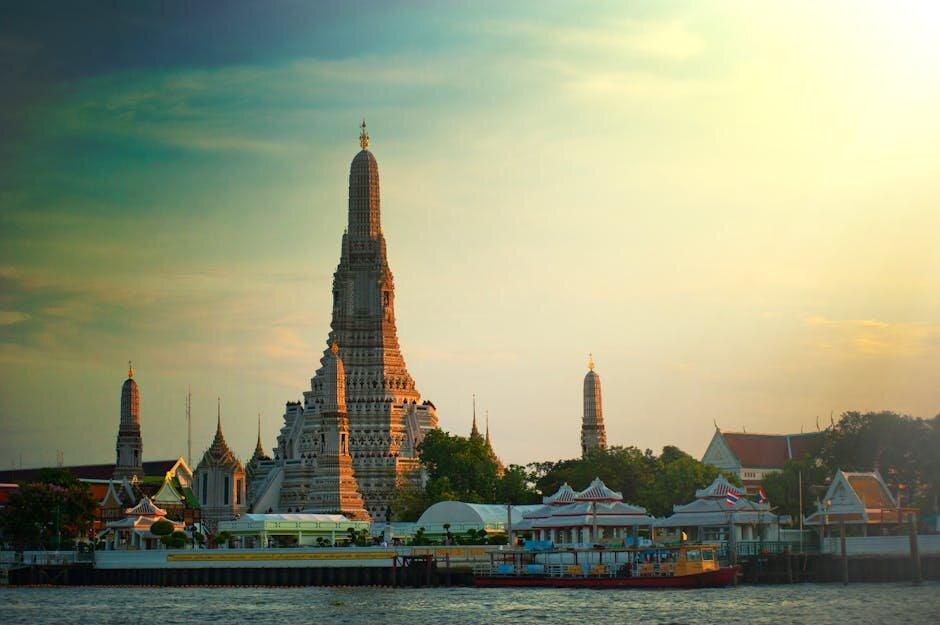
- Day 1: Grand Palace, Wat Pho, crossing to Wat Arun, then dinner by the river.
- Day 2: Jim Thompson House, Siam, MBK or nearby centers, rooftop in the evening.
- Day 3: Chatuchak market on weekends, or Yaowarat and Talat Noi for a more local atmosphere.
What makes Bangkok very worthwhile in 3 days is the powerful contrast between royal heritage, neighborhood life, and gastronomy. A family often says that the city becomes much simpler once the hotel is close to a BTS station or the river network. This is a decisive point: you can easily save 1 to 2 hours of cumulative travel time per day with a good location, which completely changes the feeling of the stay.
4. Seoul: excellent for mixing heritage, cafés, and creative neighborhoods
Seoul is very suitable for a first stay in South Korea, as its major tourist hubs complement each other well: palaces, hanok, shopping, design, and gastronomy. The metro network is one of the city’s best assets. On the ground, it is observed that a successful itinerary avoids changing districts too often in the same day: it is better to dedicate a whole block to the historic center, then another to contemporary neighborhoods like Hongdae or Gangnam.
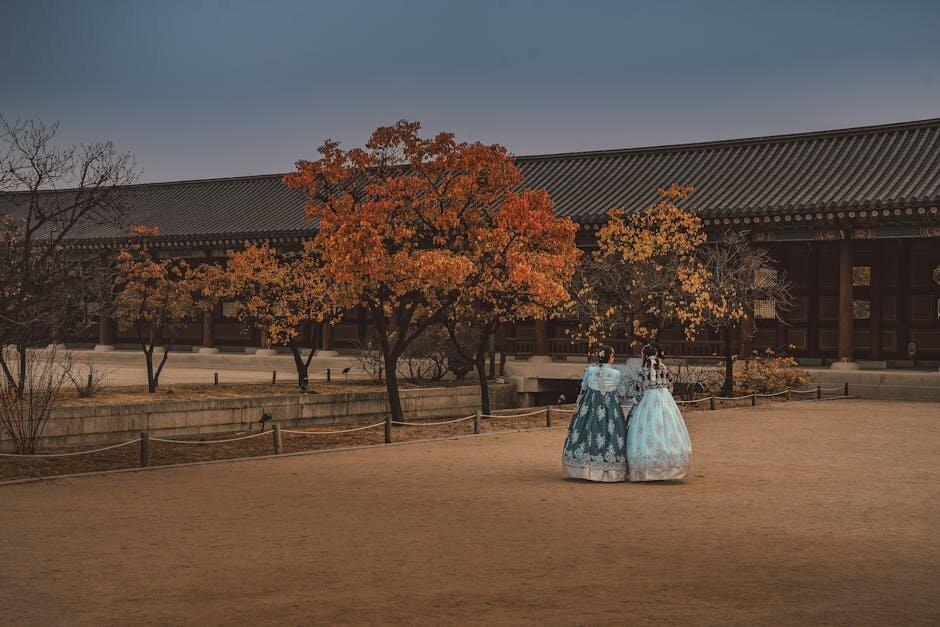
- Day 1: Gyeongbokgung, Bukchon Hanok Village, Insadong, then Myeongdong in the evening.
- Day 2: Hongdae, Yeonnam-dong and cafés, or museum depending on the weather.
- Day 3: N Seoul Tower, Dongdaemun Design Plaza or Gangnam depending on your travel style.
The official tourist site Visit Seoul also highlights this diversity of neighborhoods at relatively short distances. This is the city’s great strength: you can combine a heritage morning and a more contemporary evening without spending your day in transfers. For a 3-day stay, this is a very concrete advantage.
5. Kyoto: the best choice for a trip focused on heritage
Kyoto does not have the speed or energy of Tokyo, but it very often wins on the coherence of experience. If your priority is the Japan of temples, gardens, alleys, and seasons, it is extremely effective over 3 days. The historic monuments of old Kyoto listed by UNESCO also remind of the exceptional heritage importance of the city and its cultural region.
- Day 1: Kiyomizu-dera, Sannenzaka, Ninenzaka, Gion, and Yasaka-jinja.
- Day 2: Arashiyama early in the morning, bamboo grove, Tenryū-ji, then the west of the city.
- Day 3: Fushimi Inari very early, then Nishiki Market or a museum depending on your pace.
The important nuance is that Kyoto is better experienced if you agree to start early. The most photogenic sites, especially Fushimi Inari or the surroundings of Kiyomizu-dera, completely change appearance between 7:00 AM and 10:30 AM. For many travelers, this morning discipline makes the difference between a “crowded” city and a truly pleasant stay.
In practice, travelers who keep Kyoto for a calm stay especially appreciate one thing: the city rewards early departures. Conversely, those who visit it with a late start often find it more tiring and more crowded than expected.
How to organize a 3-day itinerary without wasting time?
To optimize 3 days, choose central accommodation, group visits by area, limit yourself to 2 or 3 zones maximum per day, and book highly demanded places in the morning. The goal is not to see everything, but to reduce detours and save energy for the evenings.
The first mistake is to plan a trip based on a simple list of “must-see” spots. A city is explored in geographical layers, not by ranking monuments. For a short format, you must first identify your arrival point, the airport-to-center transfer time, and the density of the hotel neighborhood. A well-connected airport can save a lot of time: in Singapore, access to the center from Changi is generally simple and quick; in Tokyo, the duration strongly depends on the arrival airport, Narita being significantly farther than Haneda.
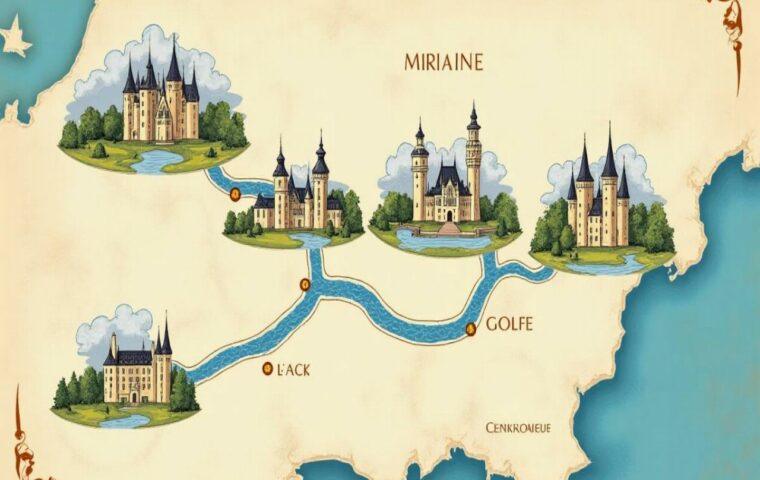
Then, build each day around a logical core: a major site in the morning, an adjacent neighborhood at noon, then a different atmosphere at the end of the day without crossing the entire city. This method is more robust than a schedule down to the hour. It better absorbs queues, weather, or a bout of fatigue. This is also the same logic as for a stage-by-stage itinerary: our step-by-step itinerary on the Loire Valley Castles route also works by coherent groupings rather than by accumulating scattered points.
In a short urban trip, real optimization is not about seeing more, but about better chaining what you see.
Budget, season, and profiles: which city to choose according to your travel style?
The final choice depends less on the destination’s prestige than on your way of traveling. Tokyo and Seoul are very suitable for lovers of lively neighborhoods, pop culture, and urban gastronomy. Kyoto appeals more to contemplative travelers. Bangkok attracts those who want strong contrasts and a more flexible budget. Singapore, finally, reassures profiles who want a clean, clear city that is very stress-free to organize.
| Profile | Most suitable city | Why |
|---|---|---|
| First trip to Asia | Singapore | Easy landmarks, fluent English, very smooth logistics |
| Culture and strong contrasts | Tokyo | Very different neighborhoods, museums, temples, urban views |
| Heritage and traditional atmosphere | Kyoto | Temples, gardens, historic alleys, more relaxed pace |
| Tighter budget | Bangkok | Accommodation and meals often more affordable |
| Versatile city | Seoul | Very good balance between heritage, shopping, and food |
Seasonally, spring and autumn are generally the most comfortable in this top 5. In summer, the humid heat can become oppressive in Bangkok and Singapore, while peak tourist seasons of blooming or foliage can make Kyoto and Tokyo more expensive. For a mid-range hotel booked a few weeks in advance, expect often a rise of 20 to 40% during the most sought-after periods. It is not systematic, but it is a common trend.
A professional in urban Asian accommodation notes that many short stays are unbalanced by poor choices: saving 30 € per night by staying too far from the center often ends up costing more in time, taxis, and fatigue.
Common mistakes that often ruin a 3-day Asian city break
The first mistake is underestimating the effect of arrival fatigue, especially after a long-haul flight. If you land in the morning after a short night, do not turn the first day into a marathon. A light half-day around an easy-to-explore neighborhood is often smarter than a poorly managed ambitious schedule. In Tokyo, for example, Asakusa or Ueno are more forgiving than a long chain of connections right after landing.
The second mistake is confusing density with saturation. Seeing a lot does not necessarily mean seeing better. In cities like Bangkok or Seoul, two large areas well explored during the day are often more than enough. Beyond that, the trip can become a series of subways, waiting times, and photos taken too quickly. It is better to reserve a margin of at least 1 hour 30 minutes to 2 hours per day for unforeseen events, breaks, and spontaneous discoveries.
Finally, many travelers choose their priority poorly. If your dream is a Japan of temples and old alleys, Kyoto will probably be more satisfying than Tokyo over 3 days. If you want an ultra-modern, clean, and easy city, Singapore will often outperform a larger but more energy-consuming destination. The right choice is therefore not universal: it depends on what you hope to feel during these 72 hours.
FAQ
Which Asian city to choose for 3 days if I travel without a car?
Singapore is probably the simplest, followed by Seoul and Tokyo. These three cities rely on very efficient urban transport networks, with journeys often under 30 minutes between major tourist areas if the hotel is well located.
Which destination is best suited for children?
Singapore is generally the most comfortable with children thanks to cleanliness, green spaces, food courts, and perceived limited distances. Tokyo also works very well but requires a bit more endurance and logistical preparation.
Can you visit Kyoto in 3 days without a JR Pass?
Yes, in most cases. For a stay focused only on Kyoto, buses, local trains, and occasional taxis are often enough. The national JR Pass is not always cost-effective for a single city break, especially since its recent fare changes.
Which city is the cheapest for a long weekend?
Bangkok often remains the most affordable in this selection for accommodation and meals. In low or mid-season, you can still find decent nights and full meals at price levels significantly lower than Tokyo or Singapore.
Which city to choose if I travel during the rainy season?
Rain does not prevent an urban stay, but it changes the rhythm. Seoul and Tokyo offer more easy indoor alternatives to fit into the program. In Bangkok and Singapore, showers are often intense but sometimes brief: it is mainly necessary to keep a flexible itinerary.
Is a 3-day stay in Tokyo worth the trip?
Yes, provided you do not try to “do Tokyo” in its entirety. A stay of 3 full days already allows you to understand several major facets of the city, especially if you stay in 3 or 4 key neighborhoods instead of piling up back-and-forth trips.