1. Preparing the itinerary
Even before turning the ignition key, it is crucial to map out your route. One might think a simple map suffices, but in reality, the Côte d’Azur concentrates panoramic roads that can become congested during high season. According to a report from the Var Tourism Office, parking lots from Nice to Menton reach 80% capacity as early as July.
For this part, start by defining your points of interest: beaches, hinterland villages, or viewpoints. Then, allocate your time according to the scale of each stop. In other words, avoid cramming three major visits into a single day to prevent overheating—both of the engine and yourself!
- Travel documents: driver’s license, registration, insurance
- Useful apps: Waze, Park4Night, Mappy
- Driving time: maximum 3 hours per stretch
- Charging points: if you choose an electric vehicle
- Weather Plan B: alternatives in case of spring storms
2. Vehicle choice and equipment
Overview of options: the small city car easily slips through the alleys of Saint-Paul-de-Vence, while an SUV offers more comfort on the Corniche. The rental company HappyDrive is categorical: for a couple, a compact car is enough, but for four passengers and luggage, it’s better to plan for a station wagon or minivan.
Beyond the model, equipment plays a major role. Consider installing a smartphone holder for GPS and charging an external battery. A bike rack or roof box can prove useful if your beach bag overflows. Finally, don’t forget the warning triangle and high-visibility vest: the French regulations remain strict.
3. Accommodations and Stops
Along the route, your choice of stops influences the atmosphere of the stay. Opting for a rustic campsite facing the Mediterranean is completely different from a design hotel right in the heart of Cannes. As proof, the Tourism Observatory of the Paca Region notes that 60% of travelers favor Provençal authenticity.
You can split your nights among these three types:
- Family campgrounds: entertainment, swimming pool, low prices
- B&B and guesthouses: personalized welcome, homemade breakfasts
- Boutique hotels: design, spa services, proximity to attractions
According to the Var Tourist Office, booking at least three months in advance guarantees rates 20% more advantageous. And if the idea of camping appeals to you, know that seaside pitches are sometimes fully booked as early as spring.
4. Managing Budget and Logistics
As evidenced by Mappy’s figures, the average cost of a 7-day road trip on the Côte d’Azur is around €1,200 per person—including fuel, tolls, accommodation, and meals. To lighten the bill, here are some avenues to explore:
| Expense Item | Money-Saving Tips |
|---|---|
| Fuel | Group several stops within the same geographic area |
| Tolls | Favor departmental roads when timing allows |
| Meals | Bring picnics and local specialties to share |
| Accommodation | Compare platforms and book directly |
| Leisure | Take advantage of free activities (hiking, public beaches) |
The fuel and tolls category often represents more than 40% of the budget. Consider a discount card or the “unlimited toll” option if you plan many excursions into the hinterland.
5. Practical Tips and Tricks
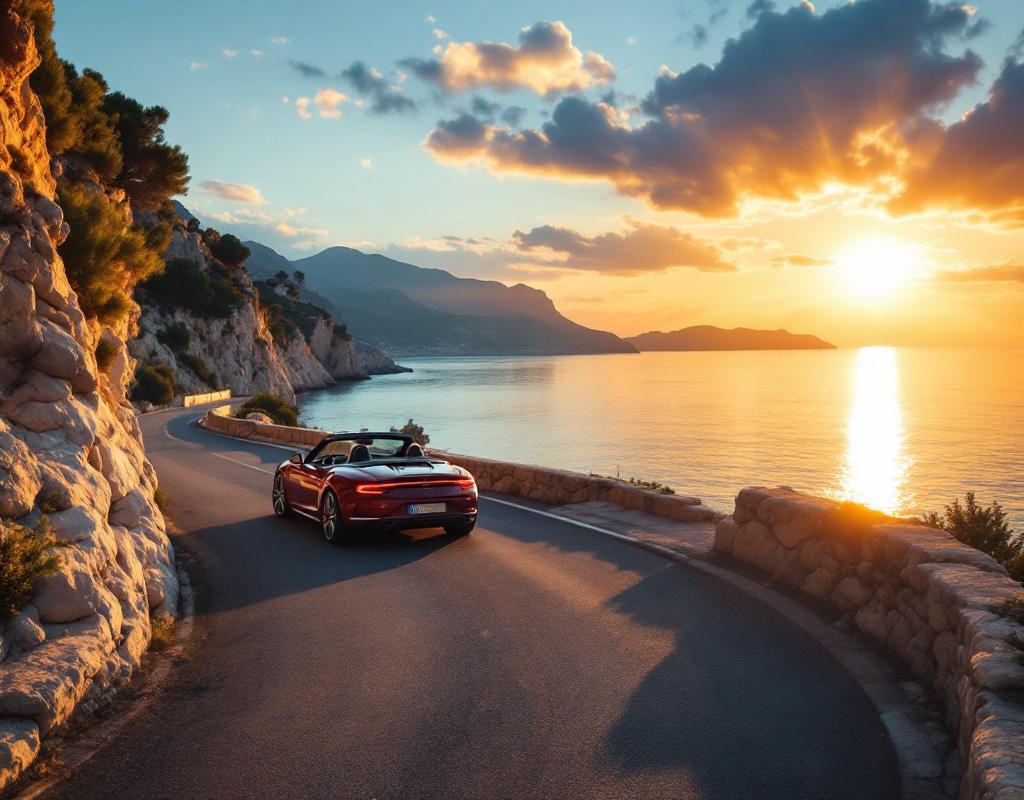
The art of mastering your timing proves essential to avoid the summer crowds. For this aspect, the rental company AutoZen advises leaving at dawn, up to the point where the blazing coastal rock captures the first light. This is evidenced by the countless amateur photographers who swarm Cap Ferrat before 8 a.m.
Some additional recommendations:
- Hydrate regularly, even when the sea breeze cools the air
- Wear breathable clothing for hikes
- Always install a weather app to anticipate sudden storms
- Respect local regulations on the protection of the calanques
“The importance of carefully planning each stop is proven on the ground: less stress, and more pleasure in the end.” – reminds the editor of the VoyageAzur blog.
6. FAQ
- What is the best time for a road trip on the French Riviera?
April-May and September-October offer a good balance between mild weather and moderate crowds. - Is it absolutely necessary to book accommodations in advance?
For campgrounds and seaside hotels, yes: booking three months ahead reduces stress and cost. - Can the trip be done in an electric vehicle?
Absolutely, but plan your charging stops using specialized apps and check the availability of charging stations. - What are the must-see sites to prioritize?
Nice and its Promenade des Anglais, the village of Èze, Cap Ferrat, and the calanques of Cassis are top must-sees. - How to avoid traffic jams on the Corniche?
Prefer very early departures, or explore the backcountry departmental roads for a wilder route.
{
“@context”: “https://schema.org”,
“@type”: “WebPage”,
“about”: {
“@type”: “Thing”,
“name”: “French Riviera road trip organization”
},
“keywords”: [“French Riviera”, “itinerary”, “accommodation”, “budget”, “tips”]
}