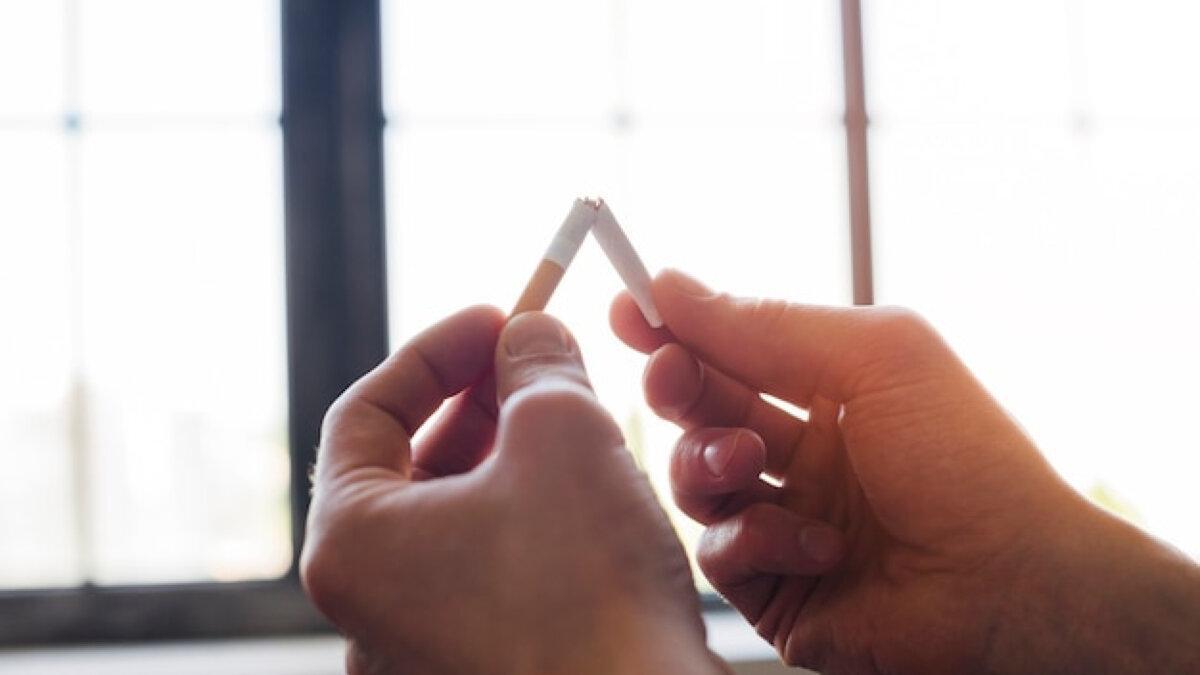
How can dependence develop in everyday life?
To create dependence, there must be a starting point. Often, it is when we try something for the first time: we enjoy it, we have a generally pleasant moment and… we repeat it, associating it with a relieving effect. Without realizing it, the product (or action) becomes part of our daily life. For example, with nicotine, one usually tries the first cigarette and continues to be part of a “group” of smokers. It quickly becomes a habit and it becomes increasingly difficult to do without it. The good news, and we will return to this at the end of the article, is that there is one or more solutions to any dependence. For example, for nicotine, breaking the dependence with an electronic cigarette, such as those found on the Petit Vapoteur website, greatly helps to gradually reduce while avoiding cigarettes.
What habits can reinforce dependence?
Once dependence is established, we notice that certain habits quickly take over. Unfortunately, these reinforce dependence, or even develop it further. Here is a small list that can help you identify the most common habits:
- Repeating the same action to manage stress (e.g., scrolling to calm down)
- Consuming or practicing at fixed times (e.g., every evening)
- Seeking immediate relief
- Gradually increasing doses
- Creating an environment that facilitates dependence
- Trivializing the frequency (e.g., having a “small drink” and drinking much more)
- Continuing despite the consequences
- Having multiple dependencies at once
- Isolating oneself more and more over time
If you notice one or more of these habits, then you are probably already well into a dependence. What we recommend is to break these habits as soon as possible. How to proceed? There are solutions.
What are the solutions to overcome dependence?
The first thing you should think about to break a dependence is to talk to someone as soon as possible. This can be a loved one or a professional (general practitioner, psychologist…). By externalizing an addiction to someone, it is a big step towards breaking the dependence. Then? Well, you need to identify how the addiction sets in daily, this is called the triggers. Once you manage to identify them, you can act to stop them. This is probably the most difficult step, but also the most effective when you succeed. Finally, in some cases, help may be necessary: treatment, nicotine aid, substitute… However, it is always advisable to talk to a professional if you wish to seek help. They will be able to guide you in making the right choice.