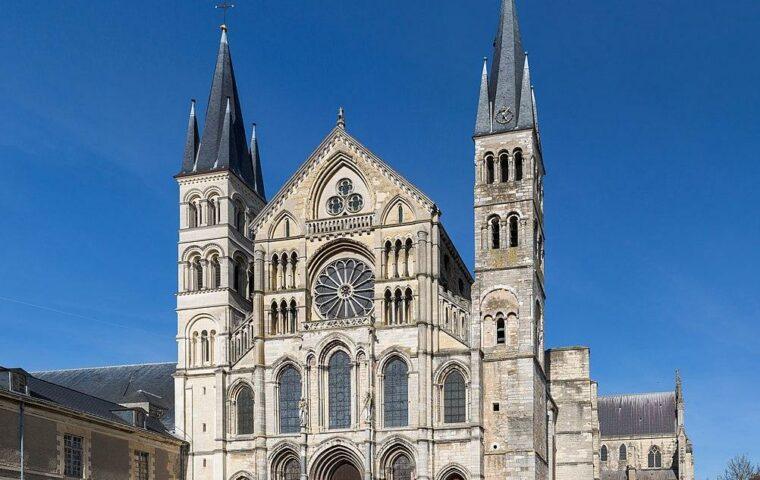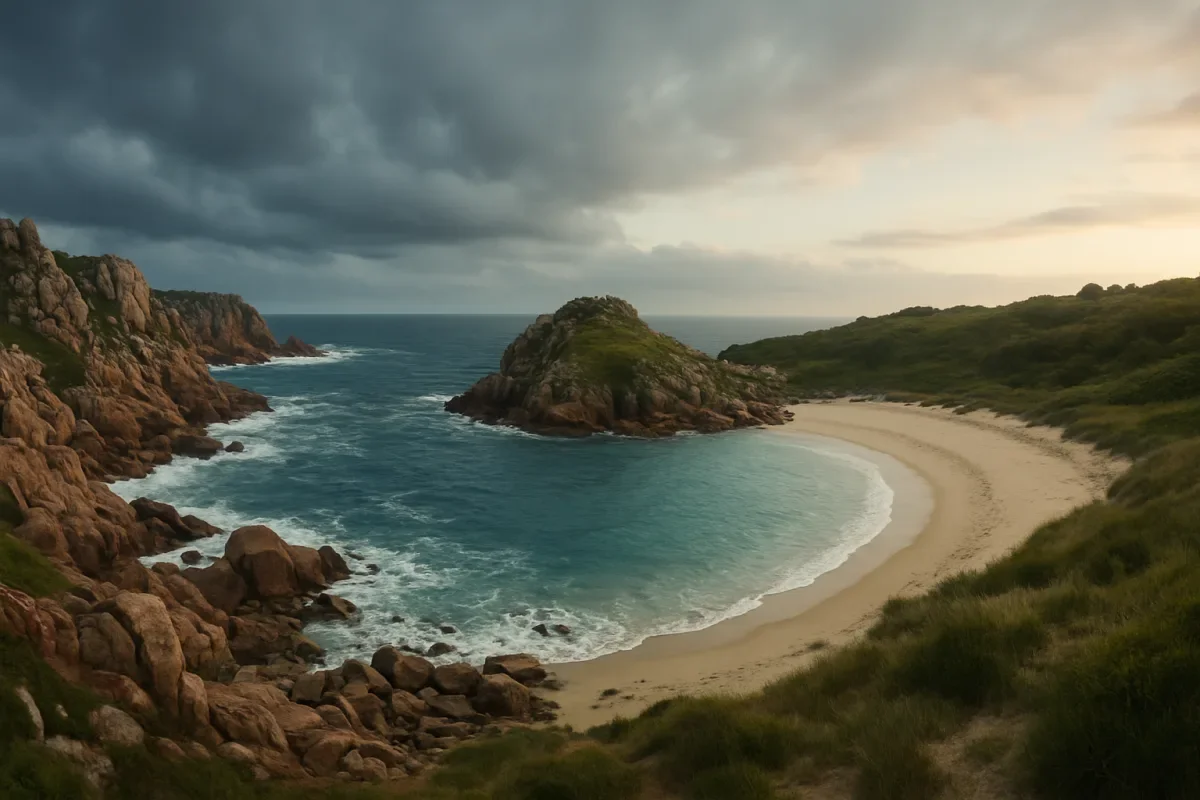
In brief
🌊 North Brittany: ideal if you are looking for more spectacular landscapes, cliffs, headlands, marked tides, and a real playground for hiking and road trips in Brittany.
☀️ South Brittany: often simpler for a seaside stay, with more welcoming beaches, slightly calmer waters, and a gentler atmosphere to relax without rushing.
🚗 For a first time, the right choice mainly depends on your length of stay: in 3 days, it’s better to focus on one area; in 5 to 7 days, a north-south mix becomes relevant.
📍 Local tourist offices and Météo-France bulletins remain your best allies for last-minute decisions, especially when winds and tides come to spoil the plans.
How to choose between North or South Brittany for a first stay?
For a first trip, the simple rule is as follows: choose the north if you want to be dazzled, and the south if you are looking for an easier stay, more beach, more relaxation. The Brittany weather varies greatly from one area to another, but the north is often more exposed to the wind while the south seems milder and more sheltered.
What really matters is not just the postcard view, but the way you like to travel. If you like to multiply viewpoints, walk along the coastal path, observe the shore at low tide, and change scenery every 20 kilometers, the north ticks many boxes. If you prefer to lay down your towel, alternate swimming, short walks, and seaside villages, the south will be more comfortable. In other words: North or South Brittany depends less on the “beautiful” and more on “how you like to travel.”
Comparison table: Northern Brittany or Southern Brittany?
| Criterion | Northern Brittany | Southern Brittany |
|---|---|---|
| Atmosphere | Rougher, more mineral, often windier | Softer, more seaside resort-like, sometimes more relaxing |
| Landscapes | Jagged coasts, capes, rocky chaos, large tides | Bays, islands, peninsulas, wide and sheltered beaches |
| Beaches and swimming | Very beautiful beaches, but water often cooler and setting more exposed | More suited to lounging and swimming in summer |
| Main activities | Hiking, photography, heritage, Brittany road trips | Sailing, boating, islands, relaxation, easy walks |
| Accessibility | Coastal routes sometimes slower, more winding roads | Traffic often smoother around major tourist hubs |
| Crowds and budget | Highly sought after at well-known spots, especially in summer | Also highly sought after, but the seaside offer is broader |
The table sums up the core of the matter well: the north stands out more for its coastal relief and contrasts, while the south attracts with its travel flexibility. For a first stay in Brittany, the real question becomes: do you want a territory that requires a bit of effort, or a territory that lets itself be tamed more easily?
Northern Brittany: for what type of stay?
Northern Brittany is very suitable for travelers who love powerful landscapes, short but intense outings, and frequent changes of scenery. Here, distances seem modest on the map, but coastal detours, photo stops, and tides quickly turn a day into a mini road trip. It’s a very stimulating area for walking, exploring, and chaining viewpoints.
The Emerald Coast: Saint-Malo and Dinard for a first approach
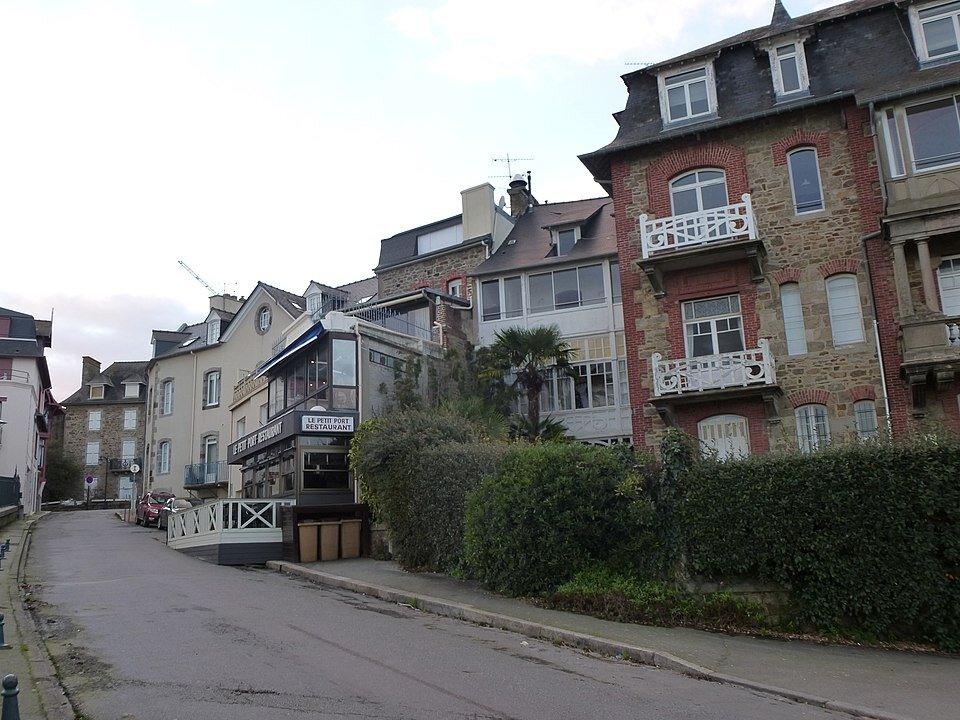
For a first contact with northern Brittany, the Emerald Coast is incredibly effective. Saint-Malo brings energy, ramparts, maritime history, and a lively atmosphere; Dinard offers a more elegant counterpoint, with its villas, beaches, and cliffside promenades. Together, these towns provide a very clear picture of what a Breton stay mixing heritage, sea, and walks can be.
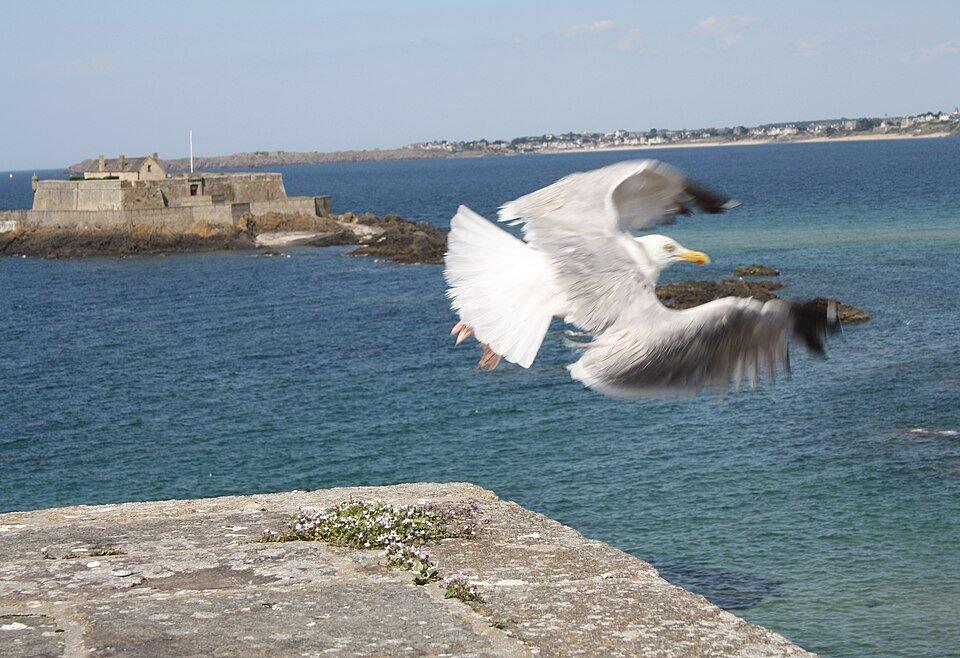
Saint-Malo is particularly convenient if you don’t want to multiply transfers: you can sleep there, explore on foot for part of the stay, and keep the car for the capes or nearby beaches. Dinard, just a few minutes away, adds a more chic and quieter breathing space. That’s why this duo works so well for visiting Brittany for the first time without feeling overwhelmed by logistics.
Pink Granite Coast and Bay of Saint-Brieuc: the north in its wildest version
If you are looking for the most spectacular face of the north, head to the Pink Granite Coast and the Bay of Saint-Brieuc. Here, the coastline becomes more jagged, the rocks take on almost sculptural shapes, and the tidal flats become an exploration ground at low tide. It is a more mineral, more graphic Brittany, almost cinematic in places.
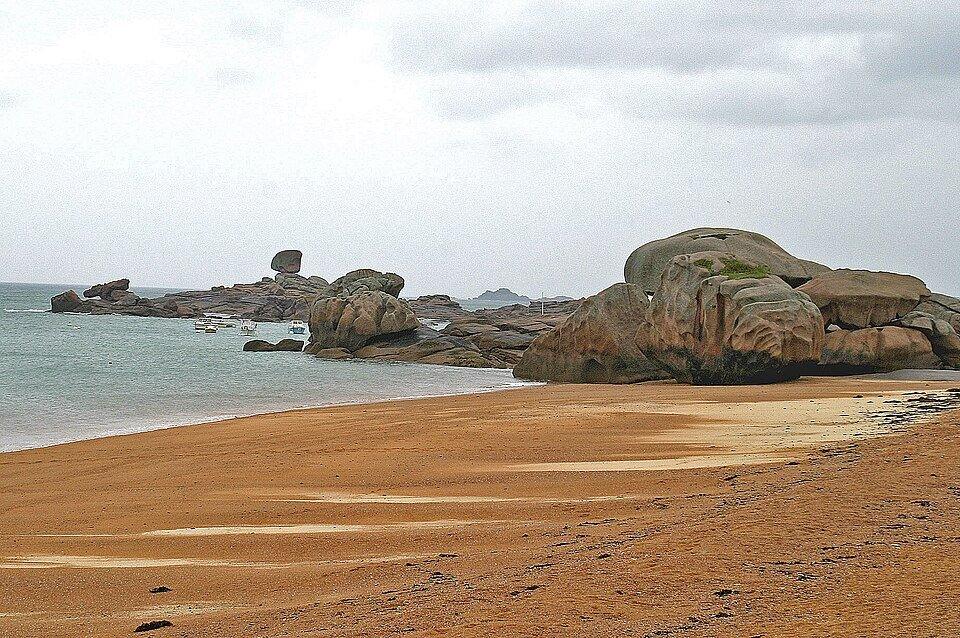
The Bay of Saint-Brieuc offers a different perspective: more open, more marked by the tides, and often very interesting for walking at low tide. It is a pleasant area if you like to observe the coastline, wide open spaces, and nuances of light. For lovers of northern Brittany beaches, the sense of space is often stronger here than the softness of swimming.
In short, northern Brittany is particularly suitable for those who like to chain panoramas, short hikes, characterful ports, and half-day getaways. If you like routes that are a bit lively but very rich, you will be in your element. The tourist offices of Saint-Malo, Dinard, or the Pink Granite Coast also publish very useful maps and walking loops to help build an efficient stay.
Southern Brittany: for what type of stay?
Southern Brittany often appeals more to travelers looking for a more seaside, brighter, and easier-to-live Brittany on a daily basis. The impressive abers and capes here give way to bays, islands, more welcoming beaches, and a more immediate holiday feeling. For a first discovery with family or as a couple, this is often the most comfortable area.
The Gulf of Morbihan and Quiberon: gentleness, sailing, and beaches
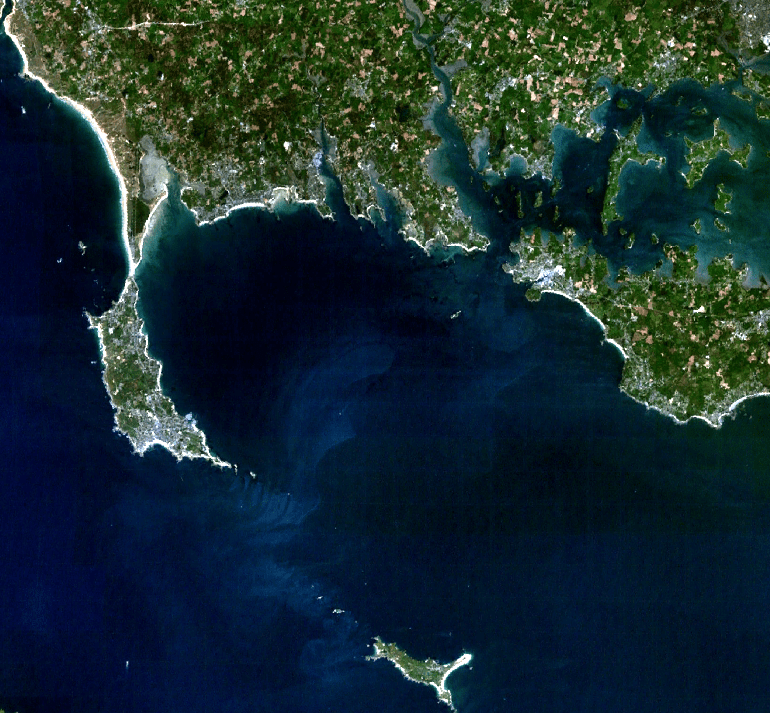
The Gulf of Morbihan and the Quiberon peninsula perfectly embody this more peaceful Brittany. In the gulf, the water seems almost tamed in places, the islands punctuate the landscape, and the walks quickly take on a postcard-like feel. Quiberon, on the other hand, adds a more open dimension with its wild coast and long lines of rocks battered by the winds.
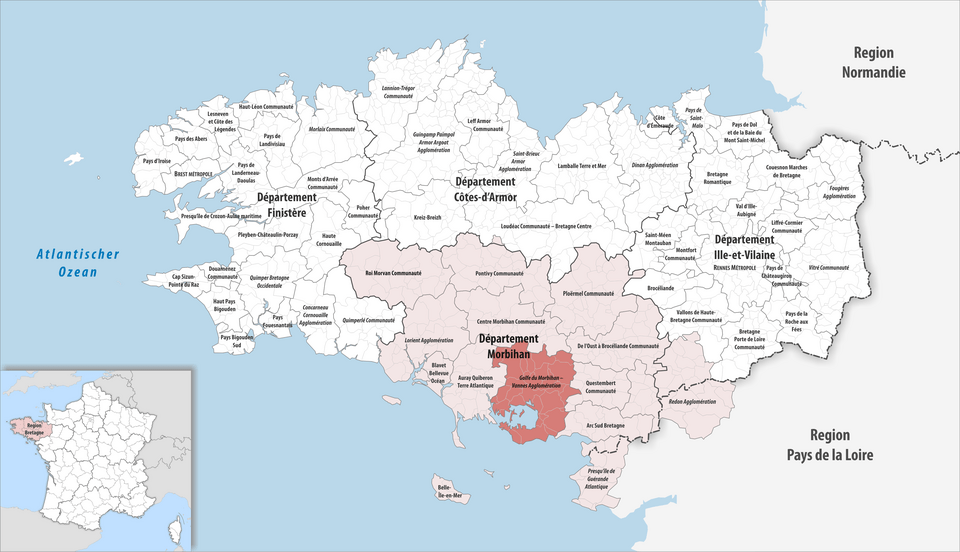
This duo works very well if your idea of a stay is to alternate boat trips, beaches, markets, and walks without spending your time in the car. We remain in a Brittany of relief, of course, but with a more flexible setting. For a Brittany road trip of a few days, this southern part allows you to build more relaxing and easier-to-read stages than the northern coastline.
Belle-Île and Concarneau: the iodized option to slow down
Belle-Île-en-Mer and Concarneau give a very vivid idea of southern Brittany when you want a more exotic break. Belle-Île brings the island feel, the cliffs, the wide expanses, and an immediate sense of escape. Concarneau, with its walled town, adds a more heritage and urban touch, without losing contact with the sea.
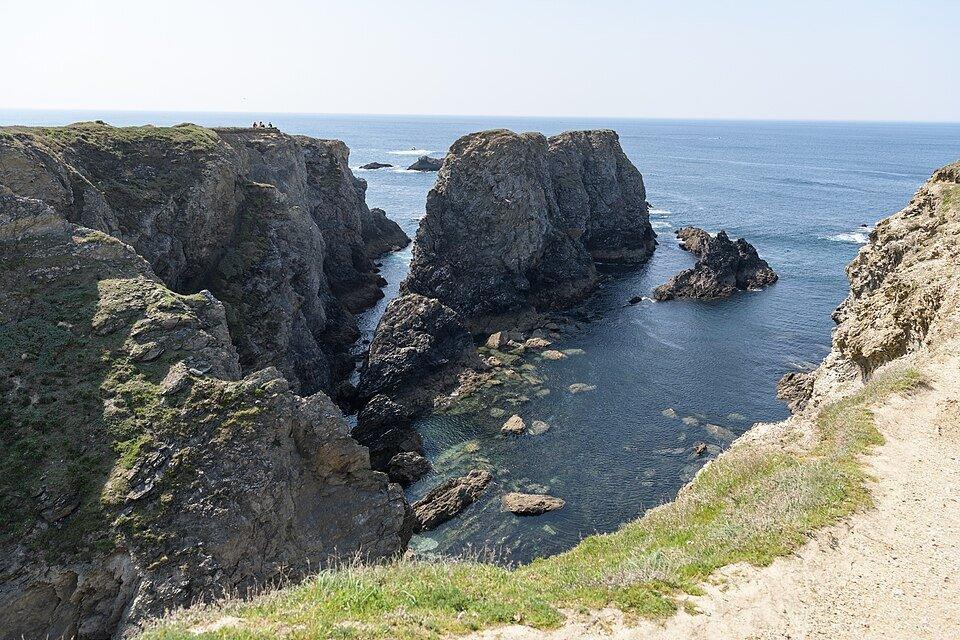
If you are preparing a trip as a couple or a long weekend, this southern part ticks many boxes: gentle landscapes, accessible islands, accommodations more oriented towards relaxation, and the possibility to limit the kilometers. It is also often a clearer area for family holidays because you can vary the pleasures without chaining long coastal roads.
Which area to choose according to your traveler profile?
The right answer is not the same for everyone. For a couple, a family, a hiker, or a beach lover, the balance is not placed in the same spot. If you want to avoid the classic mistake of “I choose the most famous spot,” you must align the destination with your way of traveling, not with a postcard image.
For a first stay as a couple
The south often has the advantage if you are looking for a more relaxed atmosphere, sunsets over a bay or an island, and stages where you take your time. The north remains very attractive for a couple who likes walking, photographing the coasts, and visiting towns with character, but the stay there is often a bit more energetic. In other words, softness = south; visual intensity = north.
For a family stay
Southern Brittany is generally simpler for a family, especially with young children. The beaches are often more accessible, the terrain is less rugged, and the stages are easily organized around the Gulf of Morbihan, Vannes, or Quiberon. The north remains an excellent idea if your group enjoys walks, ramparts, tides, and small successive discoveries, but it requires a bit more logistical endurance.
For a nature and hiking stay
The advantage often goes to the north, especially if you want to walk on the coastal path and see the coastline change its face at every headland. The coast there is more rugged, richer in reliefs, and more spectacular with the tides. The south is not left behind, far from it, but it appeals more to those who want gentler walks, punctuated by beaches and ports.
For a beach and relaxation stay
The south often wins for swimming, relaxing, and holidays that really feel like holidays. The sheltered bays, islands, and areas around the Gulf of Morbihan or Quiberon offer a more restful setting, especially in summer. The north has very beautiful beaches, but it is more often chosen for the scenery than for simple prolonged swimming.
Which part of Brittany to choose according to the season?
The season greatly changes the perception of the Breton coastline. In spring, the north is superb for hiking and clear light, while the south remains pleasant for walks and the first terraces. In summer, the south often gains in comfort thanks to its beaches and more sheltered areas. In autumn, both areas are very photogenic, but the north keeps that little extra character. In winter, the wild coast, especially on the northern side, takes on a truly iodized dimension.
If you travel outside of July-August, you also have a very concrete advantage: accommodations are less strained, the roads breathe a little better, and the most famous sites become easier to enjoy. This is when a first stay in Brittany becomes truly comfortable, because you can choose the right coast without enduring the crowds. For planning, always cross-check local information with tourist offices and Météo-France forecasts 1 or 2 days before.
Can you combine northern and southern Brittany in the same road trip?
Yes, but not in a “I want to see everything in three days” mode, otherwise you will mostly be driving. For a coherent combination, you need at least 5 to 7 days. Less than that, it’s better to choose just one half and savor it. Between Saint-Malo and Vannes, count often nearly 3 hours 30 minutes to 4 hours of driving depending on the route and traffic, not even counting coastal detours.
A simple format works very well:
- 3 days: one area only, for example Saint-Malo and the Emerald Coast, or the Gulf of Morbihan and Quiberon.
- 5 days: north or south with a real breather, adding an island, a bay, or a peninsula.
- 7 days: smart mix, with 3 days in the north, 3 days in the south, and one buffer day for the drive or a big stop.
The trap is wanting to fit in too many spots. In Brittany, the real pleasure often comes from short trips, impromptu stops, and tides that impose their rhythm. A successful Brittany road trip is not a race. It’s a good breakdown, with enough margin to enjoy the places without checking the time every ten minutes.
To remember
- If you want spectacular landscapes, a wilder coast, and lots of walking, head rather to northern Brittany.
- If you’re looking for beaches, relaxation, and a smoother stay, southern Brittany is often the simplest choice.
- For a first stay of less than 4 days, it’s better to choose just one area and avoid running everywhere.
- For a trip of 5 to 7 days, a north-south combination becomes interesting and allows a more complete discovery.
- Brittany weather can change quickly: the season and exposure to the wind matter as much as the destination itself.
Final verdict: north, south, or mix for a first time?
If you want a simple answer, here it is: northern Brittany for strong landscapes, tides, and more dynamic routes; southern Brittany for beaches, mildness, and a more relaxing stay. If you have several days and want a true Breton panorama, mixing the two becomes frankly the best option. The right choice is therefore not “the most beautiful,” but the one that fits your way of traveling.
FAQ: northern or southern Brittany for a first stay?
Where to go in Brittany for a first time?
For a first time, the simplest is to choose according to your profile: north for a wilder and more visual stay, south for easier holidays, more beach, and more relaxation. If you’re still unsure, the Gulf of Morbihan and the Emerald Coast are often two very good entry points.
Does southern Brittany have a better climate?
Not “better” in the absolute sense, but often milder and more pleasant for a seaside stay. Northern Brittany remains very beautiful, but it is more exposed to the wind and can seem cooler. In any case, local weather varies a lot: you should always check forecasts just before leaving.
Is northern Brittany wilder?
Yes, overall. The cliffs, capes, rocks, and large tidal ranges give a rougher feeling. That doesn’t mean the south lacks character, far from it, but the north often offers a more rugged and visually spectacular landscape.
Which area to choose for the most beautiful beaches?
If you’re looking for the most pleasant beaches for swimming and lounging, the south is often more suitable. If you prefer beaches with a more dramatic setting, rocks, and remote atmospheres, the north may impress you more. It all depends on the type of beach you’re looking for.