Vénissieux, the third largest municipality in the Lyon Metropolis, is located in the southeast of the urban area. Known for its industrial past (Berliet, now Renault Trucks), its large housing estates (les Minguettes), and its vast green spaces shared with Bron (Parc de Parilly), the city is undergoing a profound urban transformation driven by mobility and neighborhood renovation.
TL;DR: Vénissieux (69 200) is a municipality with 66,701 inhabitants (INSEE 2022) in the southeast of Lyon. Terminus of metro line D and a major interchange hub, it hosts the Renault Trucks engine factory and renewing neighborhoods (Minguettes). Parc de Parilly nearby, tram T4 in service and T10 planned for 2026–2027. Real estate still affordable compared to Lyon.
Sommaire
Geography and Location
Vénissieux occupies the southeastern Lyon plain, bordering the municipalities of Lyon 8th arrondissement, Bron, Saint-Fons, Feyzin, Corbas, and Saint-Priest. The municipality covers 15.33 km², ranging from 171 m to 229 m in altitude, within an urban framework marked by major roads (Laurent-Bonnevay ring road, A7/A46 via neighboring municipalities) and industrial and logistics activity zones.
This pivotal position in the south of the urban area allows quick connections to metropolitan employment centers, the Rhône-Saône axis, and the industrial valleys of southeastern Lyon.
History and Heritage
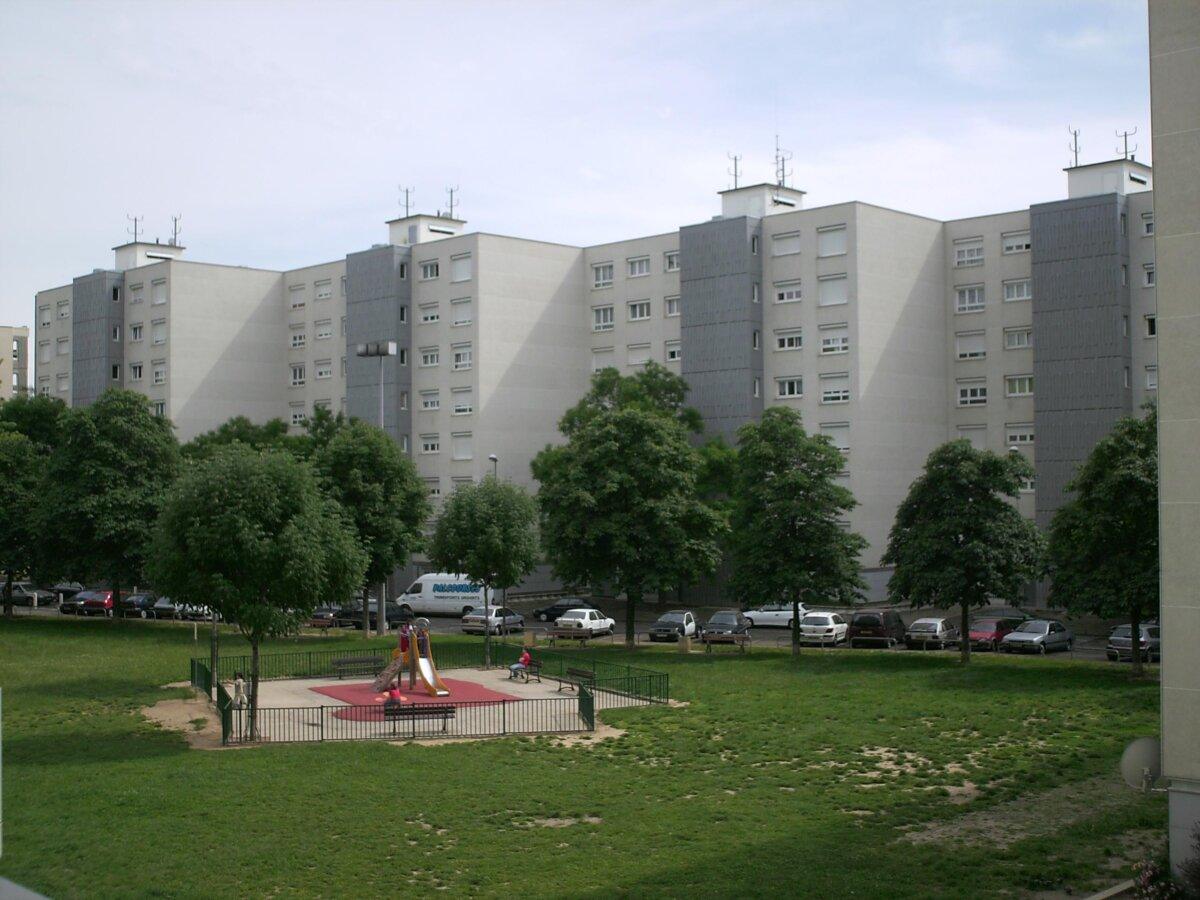
Formerly an agricultural territory that became a major site of Lyonnais industrialization, Vénissieux hosted the Berliet factories in the 20th century, which shaped the landscape and attracted a large working-class population. The post-war period saw the construction of the ZUP of the Minguettes, a symbol of French large housing estates.
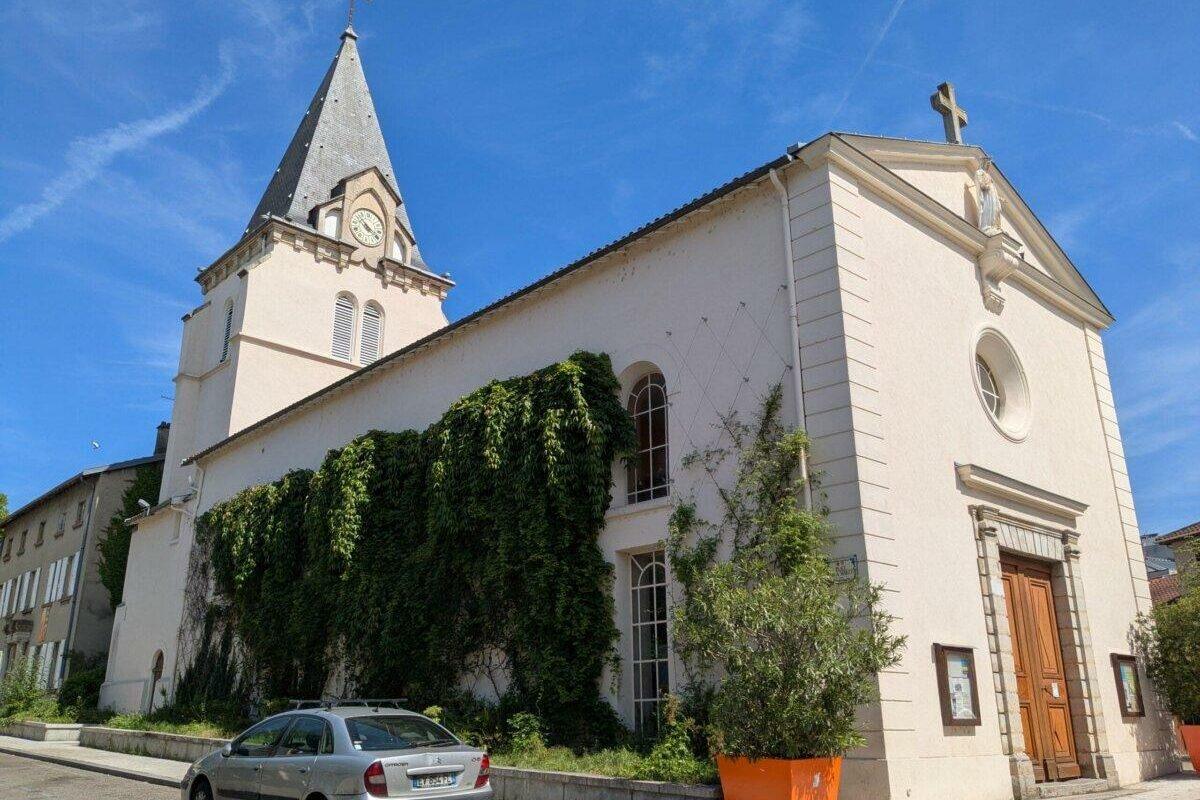
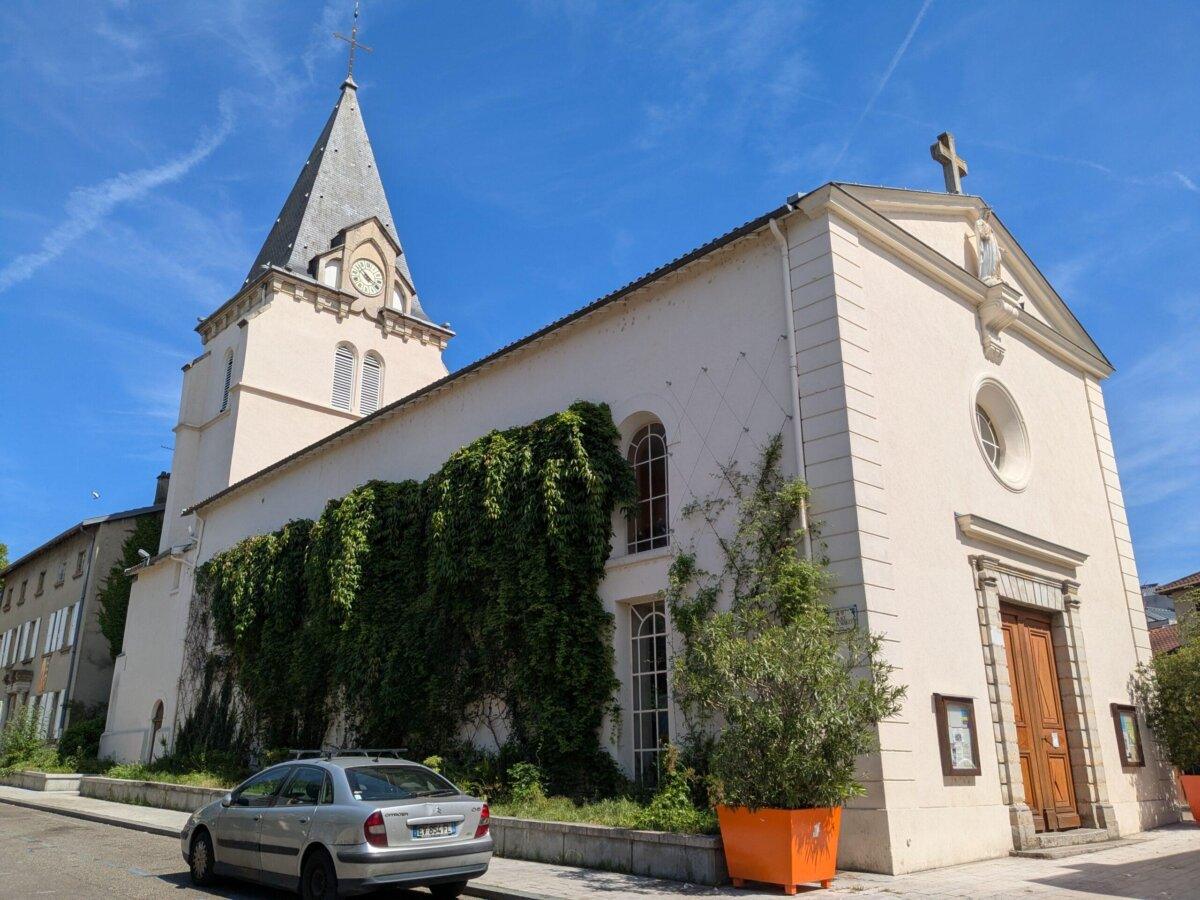
The city preserves older heritage landmarks, including the Saint-Germain Church in the heart of the historic village, as well as traces of the former Lyon security enclosure of the Séré de Rivières system (late 19th century), which durably structured the eastern fringes of the urban area.
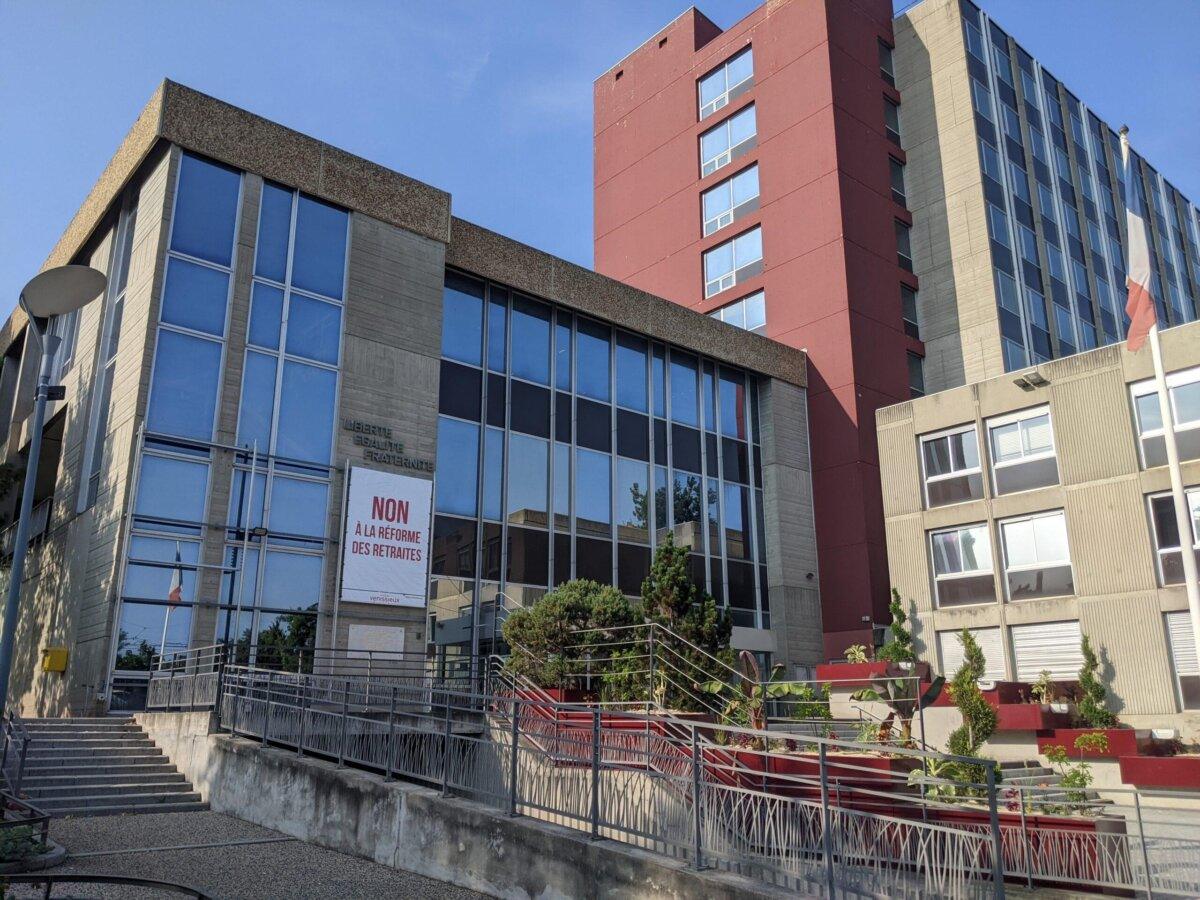
Historical marker: in the summer of 1983, the Minguettes became one of the centers of anti-racist mobilizations. The March for Equality and Against Racism was born around neighborhood activists and placed Vénissieux at the heart of contemporary social history.
Population and Demography
According to INSEE (legal population 2022), Vénissieux has 66,701 inhabitants, with a density of about 4,350 inhabitants/km². The city has a relatively young age structure at the metropolitan scale, with a significant share of family households and social housing concentrated in the large housing estates to the south.
| Indicator | Value | Source |
|---|---|---|
| Population | 66,701 (2022) | INSEE, commune 69259 |
| Area | 15.33 km² | INSEE / municipal data |
| Approximate density | ≈ 4,350 inhabitants/km² | Editorial calculation |
Economy and Employment
Vénissieux remains a major industrial hub. The Renault Trucks site assembles engines from 5 to 11 liters and includes activities of sheet metal stamping for cabins and spare parts logistics. This presence, inherited from Berliet, supports the regional ecosystem of industrial vehicles and mechanics, in connection with the platforms of Saint-Priest and Corbas.
Around the multimodal exchange hub and major routes, activities such as urban logistics, maintenance, construction, wholesale trade, and technical services complete the economic fabric. Local employment combines skilled workers, production technicians, logistics, and public services.
Note: industrial visits are occasionally organized at the Vénissieux site, reflecting a policy of openness to the general public and schools.
Tourism, Culture and “Top 5” to See
Vénissieux is not a tourist city in the traditional sense. However, it offers everyday heritage and cultural places rooted in the social history of the Lyon suburbs. Here are five ideas to understand and appreciate the commune:
- The historic village and Saint-Germain Church: simple architecture, lively small square, village memory at the heart of a now dense city.
- The Minguettes: urban reading of large housing estates, planted spaces, schools, and public facilities structuring the plateau.
- Parilly Park (with Bron): sports clearings, woodlands, and racetrack, very busy on weekends.
- “Memory and Resistance” route: places and monuments recalling the working-class history, immigration, the Resistance, and social struggles.
- Stages and media libraries: local programming, youth workshops, neighborhood events that energize cultural life.
Nature and Leisure
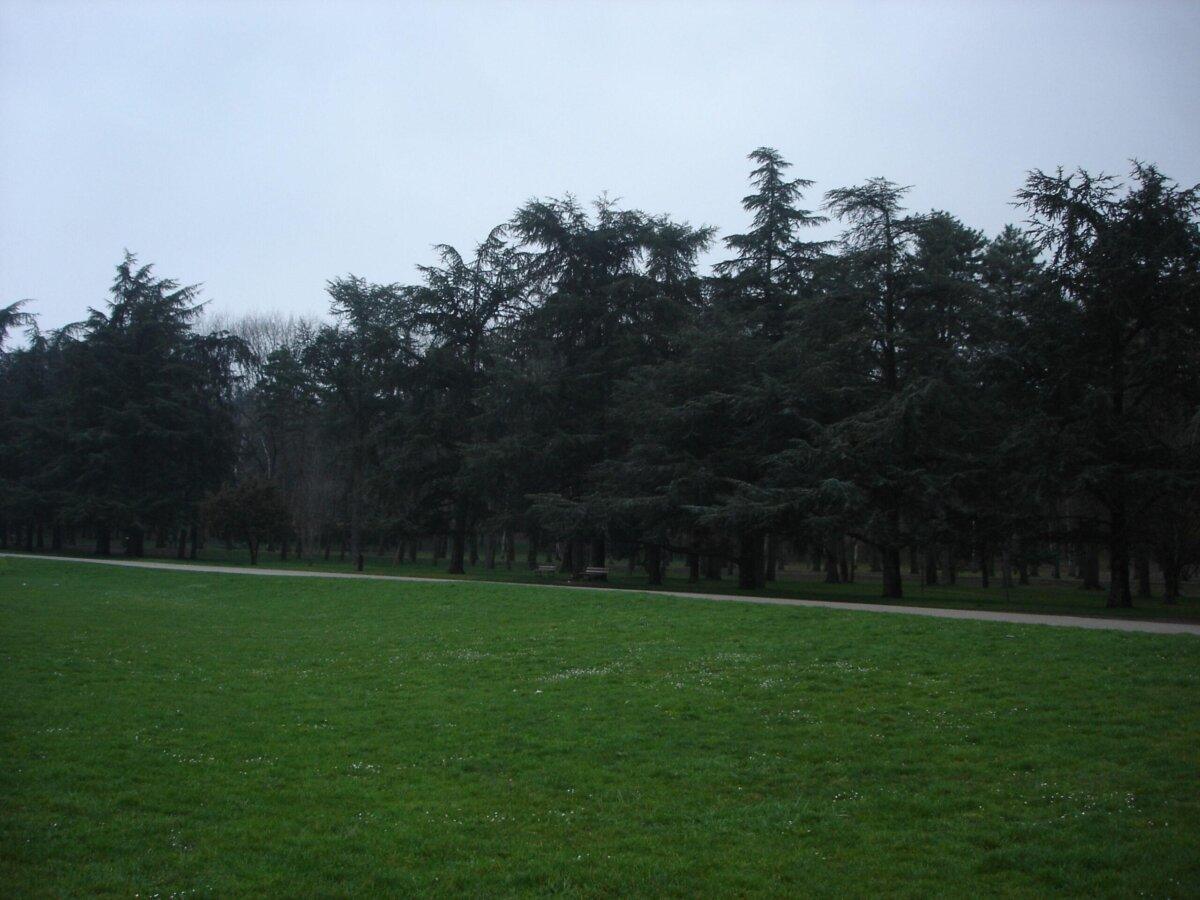
The Parilly Park, a metropolitan space straddling Bron and Vénissieux, offers wooded paths, sports fields, athletics tracks, and playgrounds. Its reported area varies according to institutional sources: 159 ha on the Métropole (park) sheet and up to 178 ha in other documents and municipal pages (including technical perimeters, racetrack, and edges). In any case, it is one of the green lungs of eastern Lyon.
Transport and Access
Vénissieux is a mobility hub in eastern Lyon:
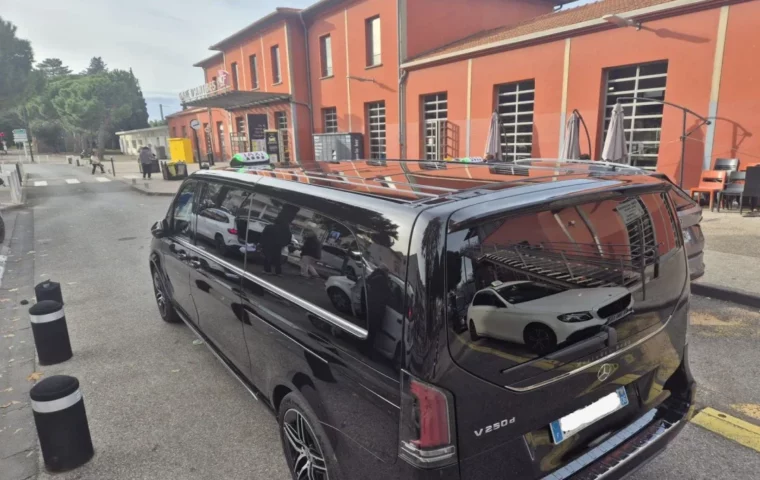
- Metro D: terminus Gare de Vénissieux, serving central Lyon via Saxe-Gambetta and Bellecour up to Gare de Vaise (TCL).
- Tram T4: north-south axis La Doua – Hôpital Feyzin Vénissieux, connections with the metro and universities.
- Tram T10: planned/under construction, Gare de Vénissieux ↔ Halle Tony-Garnier via Saint-Fons, service expected around 2026–2027.
- TER Auvergne-Rhône-Alpes: regional service at Gare de Vénissieux with connections.
- TCL bus network: dense coverage towards Lyon 8th, Bron, Saint-Priest, Feyzin and Saint-Fons.
By road, the municipality is close to the Laurent-Bonnevay ring road and the main routes of the chemical corridor. Lyon-Saint-Exupéry airport is accessible via tram, metro + shuttles and TER.
Local life: education, sport, events
The city has public schools, middle schools and high schools, a network of nurseries and local sports facilities. Associations are numerous around sports activities, culture and social support. The programming of municipal and associative facilities punctuates the year: tournaments in the park, school festivals, youth and cultural events in media libraries and social centers.
Weekend idea: urban loop “metro D → old village → Minguettes plateau → tram T4 → Parilly park”, to capture the diversity of Vénissieux landscapes in half a day 🚶♀️🚊🌳.
Real estate and urban planning
Real estate in Vénissieux remains more affordable than central Lyon while benefiting from the “metro/tram” effect. In October 2025, apartments are priced at ≈ €2,960/m² on average (with variations depending on neighborhoods and addresses). Houses are negotiated around ≈ €2,900/m² median according to national aggregators. Neighborhoods near stations (Gare de Vénissieux, Parilly, Herriot-Cagne) and renovated avenues push values up, while some sectors of the Minguettes maintain floor prices but with co-ownerships requiring careful study.
| Market | Indicative level | Comments |
|---|---|---|
| Old apartment (average) | ≈ €2,960/m² | Strong variations depending on streets/condition of co-ownerships |
| House (median) | ≈ €2,850–2,900/m² | Scarcer stock, attention to condition and land footprint |
| New (median) | ≈ €4,100/m² | Programs closer to metropolitan core and main lines |
Trends: the prospect of T10, the redevelopment of public spaces and greening of heated blocks support residential attractiveness, with a sustainable price differential compared to Lyon and Villeurbanne. For buyers, technical diagnostics, co-ownership charges, work funds and energy renovation projects should be examined as a priority.
Specialties and lifestyle
Vénissieux shares Lyon’s culinary culture: open-air markets, nearby bouchons, popular neighborhood cuisine. The associative fabric animates convivial highlights, neighborhood festivals and sports activities in the park. On the nature side, the edges of Parilly park or local green corridors offer breathing spaces within tram and metro reach.
Challenges and perspectives
- Mobility: commissioning of the T10 and enhanced intermodality around the station.
- Urban renewal: continuation of block redevelopments and energy rehabilitation of social housing.
- Economy: consolidation of the industrial vehicle/maintenance/logistics sector and skills development.
- Ecology: enhancement of green/blue corridors and climate adaptation of dense neighborhoods.
FAQ
Is Vénissieux well served by public transport?
Yes. Terminus of metro line D at Vénissieux Station, tram T4 towards La Doua, and TER service. Tram T10 is expected to connect Vénissieux to Gerland around 2026–2027.
Where to go for a walk in Vénissieux?
Parilly Park offers wooded areas, sports fields, and playgrounds. The streets of the old village around Saint-Germain provide a heritage walk.
What is the average price per m²?
Around €2,950–3,000/m² for older apartments in 2025, with significant variations depending on neighborhoods and co-ownerships.
Which areas are undergoing transformation?
Around the station exchange hub and on the Minguettes plateau, with public space redevelopments, renovations, and mobility projects.
What major companies are established there?
The Renault Trucks industrial site (engines, stamping, parts logistics) is the emblematic player in the territory.