Why are some foods toxic to dogs?
The mechanisms of toxicity
Canine physiology differs significantly from ours. Certain compounds like theobromine (found in chocolate) or oxalate (in some vegetables) disrupt metabolism and attack vital organs. Sensitivity varies depending on breed, age, weight, and the dog’s health status. A small Chihuahua ingesting the same dose as a Labrador will suffer much more severe consequences.
Individual variability
Beyond the dose, physiological condition plays a role. A dehydrated animal or one already suffering from kidney problems poorly tolerates ingestion of foods rich in oxalates or salt. Even treats considered previously “harmless” can trigger pancreatitis crises in a predisposed dog. Prevention therefore requires constant vigilance and adaptation of the living space.

30 foods to absolutely avoid
The following list groups the most dangerous products, classified by major families. For each food, a reminder of the toxic effect will help you understand the urgency of banning it from your dog’s diet.
1. Chocolate and cocoa
- Theobromine and caffeine: cardiac and nervous stimulants.
- Risk: vomiting, diarrhea, seizures, heart failure.
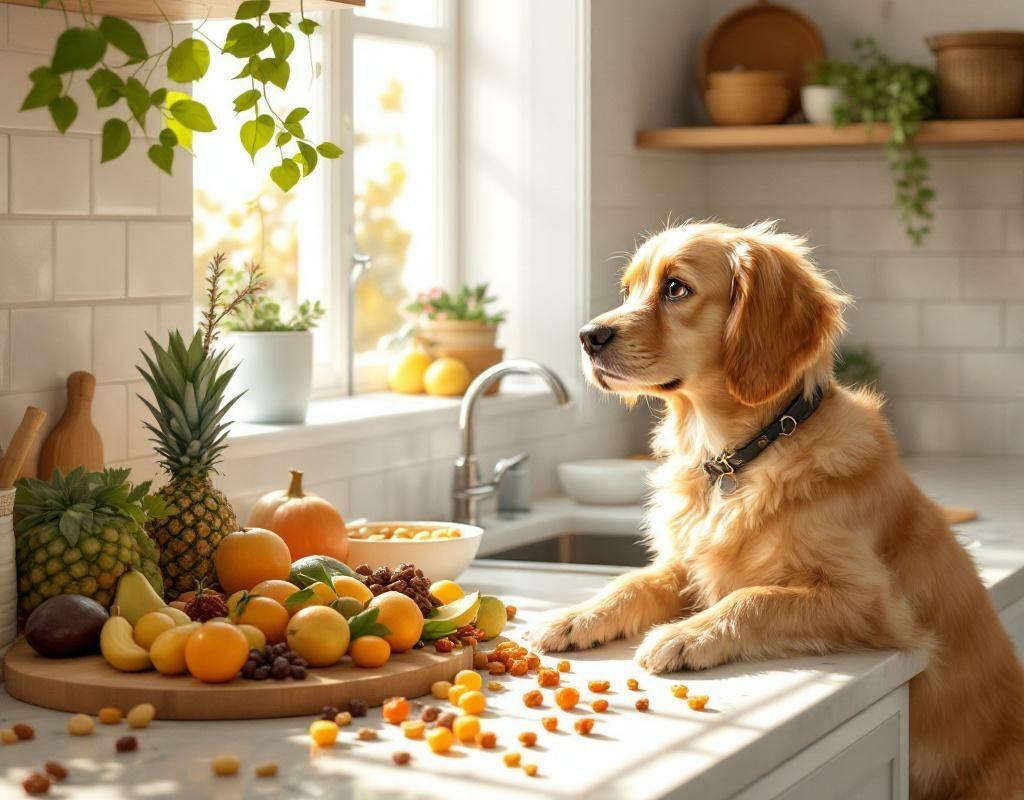
2. Grapes and raisins
- Unknown substance causing renal edema and acute kidney failure.
- Risk: lethargy, vomiting, anuria.
3. Onions, garlic and Co.
- N-propyl disulfide: destroys red blood cells.
- Risk: hemolytic anemia, weakness, breathing difficulties.
4. Avocado
- Persin: gastrointestinal irritant.
- Risk: vomiting, diarrhea, fluid accumulation around the heart.
5. Macadamia nuts
- Neurotoxic and myotoxic effect.
- Risk: tremors, hyperthermia, weakness.
6. Xylitol
- Sweetener found in candies, chewing gums and pastries.
- Risk: severe hypoglycemia, liver failure.
7. Alcohol and yeasts
- Ethanol and carbon dioxide: depressants of the nervous system.
- Risk: vomiting, seizures, coma.
8. Coffee and tea
- Caffeine: powerful cardiac stimulants.
- Risk: tachycardia, hyperactivity, epileptic seizures.
9. Nuts and seeds
- Phytates and excess unsaturated fatty acids.
- Risk: digestive disorders, pancreatitis.
10. Raw bread dough
- Yeasts that ferment in the stomach, releasing alcohol.
- Risk: bloating, alcohol poisoning.
11 to 30: other dangerous foods
- Green tomatoes, raw eggplants: solanine.
- Raw potatoes: solanine and alkaloids.
- Raw or undercooked fish: Anisakis parasite.
- Cooked bones: risk of splinters, intestinal perforation.
- Cocoa powder, cocoa beans.
- Fruit skins and pits: cyanides and intestinal blockage.
- Unfermented milk: lactose intolerance.
- Uncooked corn, wheat: digestive risks.
- Highly salted cold cuts: hypernatremia.
- Garden plants (lilies, castor bean, yucca).
- Wild mushrooms: liver toxins.
- Cake batter containing birch sugar (xylitol).
- Salted and roasted peanuts benefits or toxicity.
- Moldy foods: dangerous mycotoxins.
- White chocolate: even though it contains little theobromine, rich in fats.
- Undercooked cultivated mushrooms.
- Novices crossed in table tennis rackets: big danger.

Symptoms of poisoning and first responses
Signs vary depending on the substance and dose. In a poisoned dog, you may observe:
- Repeated vomiting and diarrhea.
- Weakness, lethargy, tremors.
- Seizures, breathing difficulties.
- Increase or sharp drop in body temperature.
- Dark urine or absence of urine (kidney failure).
At the slightest doubt, call your veterinarian or an animal poison control center immediately. Note the ingested food, quantity, time and keep the packaging if possible. Do not attempt to make your dog vomit without professional advice, as this could worsen the situation.
Prevention and advice for a healthy diet
- Store all dangerous products out of reach and lock cabinets.
- Never leave table scraps available.
- Opt for treats specifically formulated for dogs.
- Monitor play with bones or sticks that may break.
- Train your dog to come when called to avoid chaotic scavenging.
- Always check the composition of supplements or human medications.
- Have regular check-ins with your veterinarian about diet.
FAQ
- My dog ate a little chocolate, what should I do?
If the ingestion is recent (less than an hour), call the veterinarian before taking any action. Do not induce vomiting without medical advice. Depending on the amount and your dog’s weight, treatment may be necessary to prevent the absorption of theobromine.
- Are roasted peanuts more dangerous than raw ones?
Roasted peanuts often contain added salt or flavors, which increases the risk of hypernatremia and digestive disorders. Raw varieties may be less harmful but should still be given with extreme caution.
- How to store food to avoid accidents?
Prefer airtight containers, store everything high up or in secure cupboards, and never leave leftovers on countertops. A simple habit of tidying up can save a curious dog.