Which Artisan Trades Pay the Best in 2026?
In 2026, the best-paid artisan trades are mainly the refrigeration technician, the plumber-heating engineer, the specialized electrician, the roofer-zinc worker, and the locksmith-metalworker. Their advantage is simple: they meet urgent, technical needs that are difficult to automate, with higher invoices than in generalist trades.
The ranking below is based on scales observed in France in 2026, combining observed salaried remunerations on the market, billing levels of independents, rarity of profiles, and volume of opportunities. It is not a single official scale, as an artisan can earn much more in Paris than in Limoges, or more in industrial maintenance than on residential sites. However, the trends are clear: the more the trade requires diagnosis, responsibility, and availability, the higher the potential income.
| Rank | Occupation | Experienced Employee | Potential as Freelancer |
|---|---|---|---|
| 1 | Refrigeration technician / cold technician | €2,700 to €3,800 net/month | €3,500 to €6,000 net/month |
| 2 | Plumber-heating engineer | €2,400 to €3,500 | €3,200 to €5,500 |
| 3 | Specialized building electrician | €2,300 to €3,400 | €3,000 to €5,000 |
| 4 | Roofer-zinc worker | €2,400 to €3,400 | €3,200 to €5,200 |
| 5 | Locksmith-metalworker | €2,300 to €3,300 | €3,000 to €5,000 |
| 6 | Qualified mason / small works team leader | €2,200 to €3,200 | €3,000 to €4,800 |
| 7 | Carpenter-installer | €2,200 to €3,100 | €2,800 to €4,800 |
| 8 | Tiler-mosaicist | €2,100 to €3,000 | €2,800 to €4,500 |
| 9 | High-end building painter | €2,000 to €2,900 | €2,700 to €4,300 |
| 10 | Wood carpenter | €2,200 to €3,100 | €2,900 to €4,700 |
This table should be read with a simple rule: employee income provides stability, while freelance work increases potential but also risks, expenses, unbilled days, and dependence on word-of-mouth. A very well-organized plumber-heating engineer in Bordeaux or Annecy can exceed the displayed ranges, whereas a generalist craftsman without specialization or network will remain well below. In other words, the occupation matters, but positioning matters almost as much.
How was this ranking established?
The ranking cross-references actual salary level, billing price, hardship, recruitment tension, and 2026 job prospects. A profession may pay less initially but become very profitable with specialization, billable emergencies, or a well-structured independent activity.
The method consists of not limiting oneself to the starting salary. In craftsmanship, income depends on several mechanisms: the rarity of the skill, the cost of an error, regulatory responsibility, material costs, kilometers traveled, on-call duties, seasonality, and the share of recurring maintenance. It is precisely for this reason that an electrician capable of installing an IRVE charging station or diagnosing a complex breakdown charges more than a profile limited to execution tasks.
Available public data mainly show market and training trends, not an official ranking of the “best artisan salaries.” According to Onisep and Service-Public.fr on apprenticeships, access routes remain very open via CAP, professional baccalaureate, and work-study programs. Meanwhile, renovation, technical maintenance, and repair needs support trades related to energy and building equipment. The ranges presented here therefore correspond to plausible and observable incomes in 2026, with some margin depending on region and status.
The artisan profession that “pays best” is not always the one with the highest average ticket; it is often the one that combines technical skill, steady demand, and the possibility to move upmarket.
Why do some craftsmen earn much more than others?
Income disparities mainly come from four levers: urgency, specialization, difficulty of execution, and the ability to sell a complete solution. A craftsman who diagnoses, supplies, installs, and maintains generally earns much more than a simple executor.
The first lever is urgency. A blocked door, a broken cold room, a leak in the heating circuit, or a power outage cannot wait two weeks. These situations justify higher hourly rates, especially in the evening, on weekends, or during peak demand periods. The locksmith-metalworker, plumber-heating technician, and refrigeration technician directly benefit from this logic, provided they accept the availability constraints that come with it.
The second lever is profitable specialization. Installing a boiler, a heat pump, a double-flow ventilation system, an electrical panel, or a commercial refrigeration solution requires specific skills, sometimes certifications, and above all a real diagnostic ability. In practice, customers pay less for a gesture than for a problem resolution. This explains why two craftsmen in the same sector can show very different monthly incomes.
The third lever depends on the type of clientele. Regular residential work fills the schedule, but the best-paid jobs are often found in the tertiary sector, commerce, condominiums, or high-end individual houses. A carpenter-installer working on custom projects in Lyon or a painter specializing in premium finishes in Paris can surpass more versatile profiles, even though they rank higher on paper.
An agent observes that, in the field, craftsmen who consistently earn a good living are rarely those who accept “anything and everything.” They make themselves available within a specific area, with a clear offer: heating repair, aluminum joinery installation, zinc roofing, or commercial refrigeration maintenance. This clarity reassures clients and simplifies billing.
The detailed top 10: salaries, conditions, and prospects
1. Refrigeration technician: the highest paying when technicality meets urgency
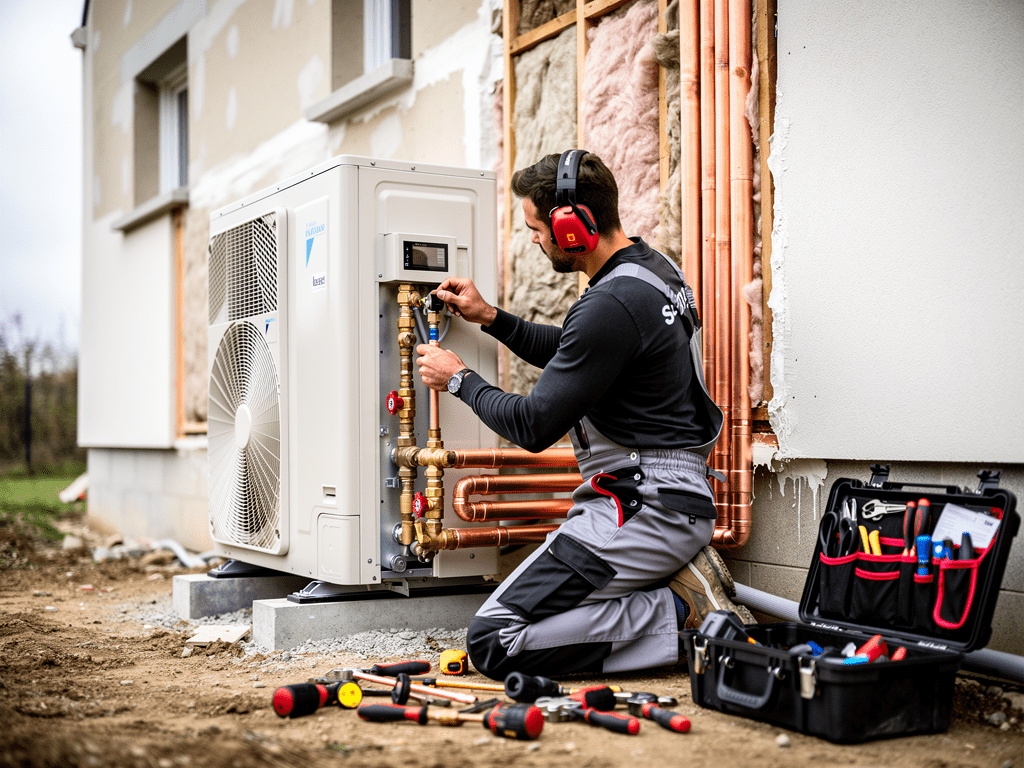
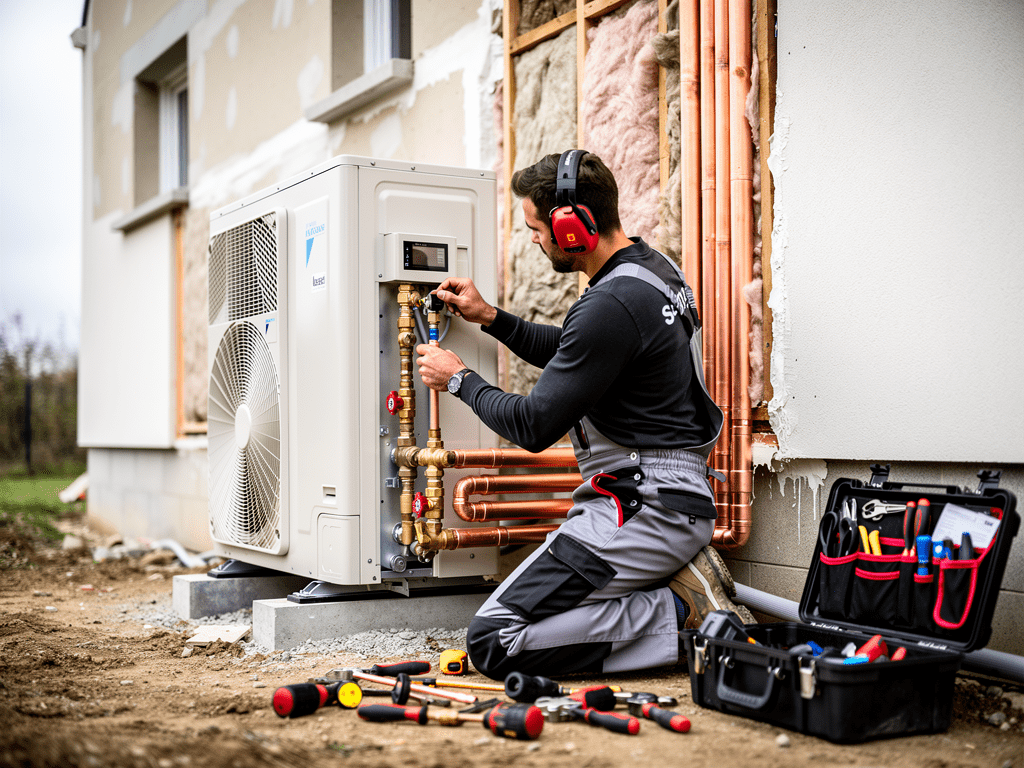
The refrigeration technician works on cold rooms, air conditioning, refrigerated display cases, air-to-air heat pumps, or certain thermodynamic systems. This profession is distinguished by its high technicality, exposure to urgent breakdowns, and interventions with professionals for whom equipment downtime immediately costs money. An experienced profile can aim for between <strong€2,700 and €3,800 net per month in salaried employment, with a higher level in commercial or industrial maintenance. As a freelancer, the range of €3,500 to €6,000 net remains plausible when the schedule is full and maintenance contracts are well negotiated.
The trade-off is real: frequent travel, on-call duties, high responsibility, handling sensitive equipment, and continuous skill development. However, opportunities remain promising in 2026, especially in large retail, catering, laboratories, warehouses, and office buildings. It is a demanding profession, but there are few truly autonomous profiles on the market.
2. Plumber-heating engineer and 3. Specialized electrician: the strongest duo in construction
The plumber-heating engineer remains one of the best compromises between volume of assignments and income level. They work in new construction, renovation, troubleshooting, equipment replacement, and maintenance. In 2026, a seasoned profile generally earns €2,400 to €3,500 net per month as an employee; more if handling emergencies or technical installations. Their potential rises further with energy renovation, heat pumps, thermodynamic water heaters, and efficient hydraulic networks.
The specialized building electrician, on the other hand, sees their income increase when not limited to line pulling. The best-paying specialties are compliance upgrades, diagnostics, commercial electricity, useful home automation, complex panels, and charging stations. A confirmed electrician often earns between €2,300 and €3,400 net, with an independent potential of €3,000 to €5,000. Demand is particularly strong in old housing, small buildings, shops, and offices.
4. Roofer-zinc worker and 5. Locksmith-metalworker: tough trades, strong billing
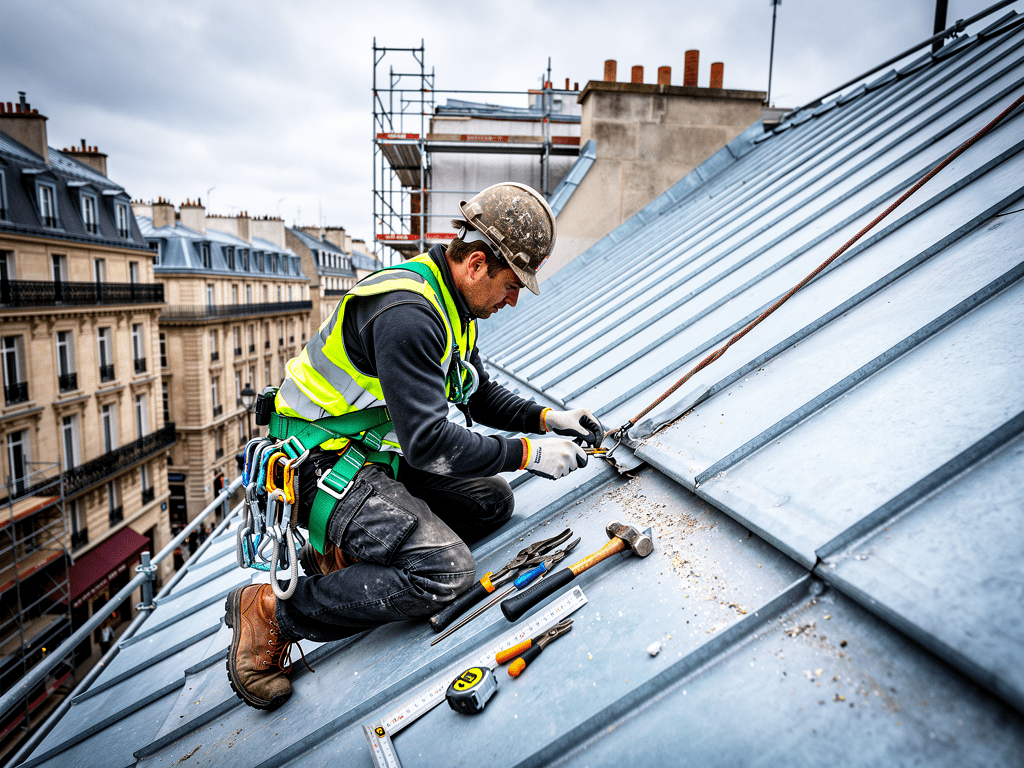
The roofer-zinc worker regularly ranks among the highest-paid trades in construction, notably because it combines hardship, work at height, specific expertise, and emergency work after bad weather. As an employee, experienced profiles often earn between €2,400 and €3,400 net, and more with bonuses, long travel, or team responsibilities. Independently, roofing, occasional waterproofing, and renovation zinc work offer high average tickets, especially in areas with single-family homes and old buildings.
The locksmith-metalworker benefits from a dual market: manufacturing-installation and troubleshooting. This versatility changes everything. An activity focused only on the workshop will pay less than a position including secure doors, metal shutters, access control, or urgent interventions. The incomes observed in 2026 often range between €2,300 and €3,300 net for a confirmed employee, with a clear increase for independents if commercial organization is good.
6 to 10. Mason, carpenter-installer, tiler, premium painter, carpenter: huge gaps depending on positioning
These five trades remain in high demand, but their pay level depends more on the chosen segment. The qualified mason earns a decent living as soon as they master structural renovation, underpinning, load-bearing wall openings, or small team management. The carpenter-installer progresses strongly when installing high-performance exterior joinery, custom work, or technical sites. The tiler, often underestimated, can earn very well on large surfaces, complete bathrooms, or high-end finishes.
The building painter only enters this top when moving towards careful preparation, high-end sites, decorative coatings, or occupied renovation where execution cleanliness makes the difference. As for the wood carpenter, they benefit from a favorable market in wood framing, extensions, and certain heavy renovations. In these trades, the average income remains more variable, but a well-positioned craftsman can surpass technically higher-ranked profiles who are poorly organized commercially.
What are the working conditions behind the highest salaries?
The highest-paid artisan trades almost always require mobility, physical effort, flexible hours, or high responsibility. A good income rarely compensates for an “easy” job; it mainly rewards a constraint that few candidates accept sustainably.
The first point, often underestimated, is hardship. Working on roofs, carrying loads, working in the cold, staying on your knees, handling heavy materials, or driving long distances between sites wears down the body. This is also one of the reasons why some trades pay better: companies struggle to retain experienced workers. At the same time, safety does not tolerate improvisation. Roofers, electricians, or refrigeration technicians cannot “do it roughly.”

The second point concerns the pace. The highest-paying jobs are often those where one accepts urgent calls, after-sales returns, unexpected site issues, or periods of overload. A family who arrived in 2022 in a suburban municipality recounts that, for a leak on a winter evening, they found a plumber in less than two hours but at a rate significantly higher than the estimate for a scheduled intervention. This type of situation concretely explains why emergency repairs remain more lucrative than simple installation.
It is also necessary to factor in the invisible costs of being self-employed: utility vehicle, ten-year insurance depending on the activity, tools, fuel, accounting, time lost on estimates, and possible unpaid invoices. An artisan who invoices well without managing their margins may ultimately earn less than a highly qualified employee. In practice, residents of tight housing markets such as Île-de-France, the French Geneva area, or the Atlantic coast also notice price differences related to land costs, parking, and travel.
Train quickly without closing doors
The good news is that the highest-paying artisan trades do not all require long studies. The foundation often remains a CAP in 2 years, sometimes followed by a professional baccalaureate in 3 years, a BP, or a BTS for those who want to advance in diagnostics, estimating, or team management. Apprenticeship remains by far the most effective path because it allows learning the skills, pace, customer relations, and site realities simultaneously.
According to Onisep and the programs detailed by Service-Public.fr, apprenticeships are particularly suited to trades in construction, energy, and maintenance. For certain specialties, certifications and authorizations weigh more than the initial diploma in salary progression. This is true in electricity, heating, refrigeration, or installation of technical equipment. Regarding job prospects, an average but reliable, punctual, and clean worker on site will often find work more easily than a theoretically brilliant candidate who is less autonomous.
Another important point: there is another way to progress quickly, namely choosing a niche specialty after a few years in the field. A mason who trains in heritage renovation, a heating technician who switches to high-performance systems, or a carpenter who focuses on aluminum and premium installation can increase their income faster than by remaining a generalist.
Where are the strongest job prospects in 2026?
Job prospects are particularly robust where three needs intersect: aging building stock, energy renovation, and population growth. This favors large metropolitan areas and their suburbs, but also medium-sized cities undergoing renovation. In Nantes, Rennes, Toulouse, Bordeaux, or Montpellier, the volume of residential construction remains strong. In Île-de-France and around Lyon, higher prices can increase turnover, even though competition is more structured and client expectations are higher.
According to INSEE, the network of construction and local service companies remains dense, with a strong presence of small businesses. Meanwhile, the ANAH via MaPrimeRénov’ continues to direct part of the demand towards energy performance work, even if eligibility rules are evolving. This mainly benefits heating engineers, joiners-installers, roofers, and electricians working on housing renovation.
On the ground, it is observed that order books remain particularly full for craftsmen capable of delivering quick quotes, clean work sites, and follow-up after intervention. With equal skills, those who respond within 24 to 48 hours and meet their deadlines often gain an advantage in already very competitive markets.
However, this must be qualified: not all territories pay the same. A tiler or a painter may find more volume in a growing medium-sized city but charge more in tight or tourist areas. Ideally, for a starting craftsman, it is often better to target an area where demand is steady, with little travel time and a solvent clientele, rather than a very prestigious basin saturated with competitors.
Choosing well: the most profitable trade is not necessarily the best for everyone
The best choice depends on the balance between target income, tolerance for hardship, taste for troubleshooting, and ability to evolve towards independence. A refrigeration technician or a roofer can earn more than a workshop joiner, but not all profiles accept on-call duty, heights, or unpredictable hours. Conversely, a well-organized electrician or joiner-installer can build a more regular activity, with solid financial progress and better control of their schedule.
For those aiming for the best-paying artisan trades in 2026, the most realistic strategy is to choose a promising basic trade, then quickly specialize in a billable and sought-after segment. In craftsmanship, salary progression does not rely solely on seniority: it mainly comes from rare skills, quality of execution, and the trust the client places in the professional.
FAQ
Can a craftsman earn more as an independent than as an employee from the first year?
Yes, but this is not the most common situation. The first year, fixed costs, tools, vehicle, insurance, and unpaid days must be absorbed. In practice, many craftsmen earn more as independents once the order book is stabilized over 3 to 6 months.
Which artisan trade is most accessible without long studies?
The plumber-heating engineer, the tiler, the joiner-installer, or the painter remain accessible through a CAP and apprenticeship. The real difference is then made by specialization, execution rigor, and client relations, much more than by the pure length of studies.
And for someone who wants to avoid night emergencies?
It is better to favor trades where planned work dominates, such as joinery-installation, tiling, high-end painting, or certain masonry activities. Income may be somewhat less explosive than in troubleshooting, but the pace is often more predictable.
Do women have real opportunities in these trades?
Yes, notably in electricity, joinery, painting, tiling, fine locksmithing, or technical maintenance. Barriers still sometimes stem from recruitment habits, but on the ground, companies mainly look for reliable, precise, and autonomous profiles. Market tension tends to favor motivated and well-trained female candidates.
Which profession offers the best compromise between salary and stability?
The plumber-heating engineer and the specialized electrician often offer the best balance. They allow combining maintenance, troubleshooting, renovation, and new installations, with steady demand in most French regions.
Is it absolutely necessary to start your own business to earn a good living in craftsmanship?
No. A highly qualified employee, team leader, or specialized technician can earn over €3,000 net per month in several trades in 2026. Independence increases the income ceiling, but also the level of risk, mental load, and administrative tasks.