In brief
- Buenos Aires for culture, cafés, walkable neighborhoods, and an easy first urban trip.
- Rio de Janeiro for the relief, waterfront, and the best city-beach mix.
- Cartagena, Quito, and Cusco for historic centers and colonial cities of South America.
- Medellín, Santiago, and Lima for a practical, well-connected, and very varied stay.
- Indicative budget: often count between €30 and €100 per day excluding flights, depending on the city and season.
The right ranking is not that of postcards: it is the one that saves you time on site and reduces travel frictions.
How did we select these cities?
For this top 10, I selected cities where you can really spend several days without getting bored, with readable neighborhoods, usable transportation, and clear cultural or architectural interest. I also favored destinations whose historic center, museums, urban walks, or waterfronts justify a city stay, not just a quick stopover.
The selection is based on concrete benchmarks: presence of a strong old town, accessibility, average budget, favorable weather depending on the season, and ease of organization. The cited cities often appear in recognized guides, official tourist offices, and classified or protected historic centers, which helps separate inspiration from mere reputation.
In South America, 500 meters of elevation difference or 20 minutes by taxi can change an entire day of sightseeing.
Quick comparison table of the 10 cities
This table serves as a quick reference if you want to compare destinations without immediately going into detail. Budgets are indicative, excluding international flights, and vary according to neighborhood, season, and exchange rate. For a first trip, mainly remember the recommended duration and the best season.

Top 10 cities to visit in South America
1. Buenos Aires, Argentina
Buenos Aires remains the city to visit in Argentina if you want a dense, elegant urban trip that is easy to fill in a few days. The city works very well on foot by sectors: San Telmo for the historic atmosphere, Recoleta for architecture, Palermo for cafés, parks, and restaurants.
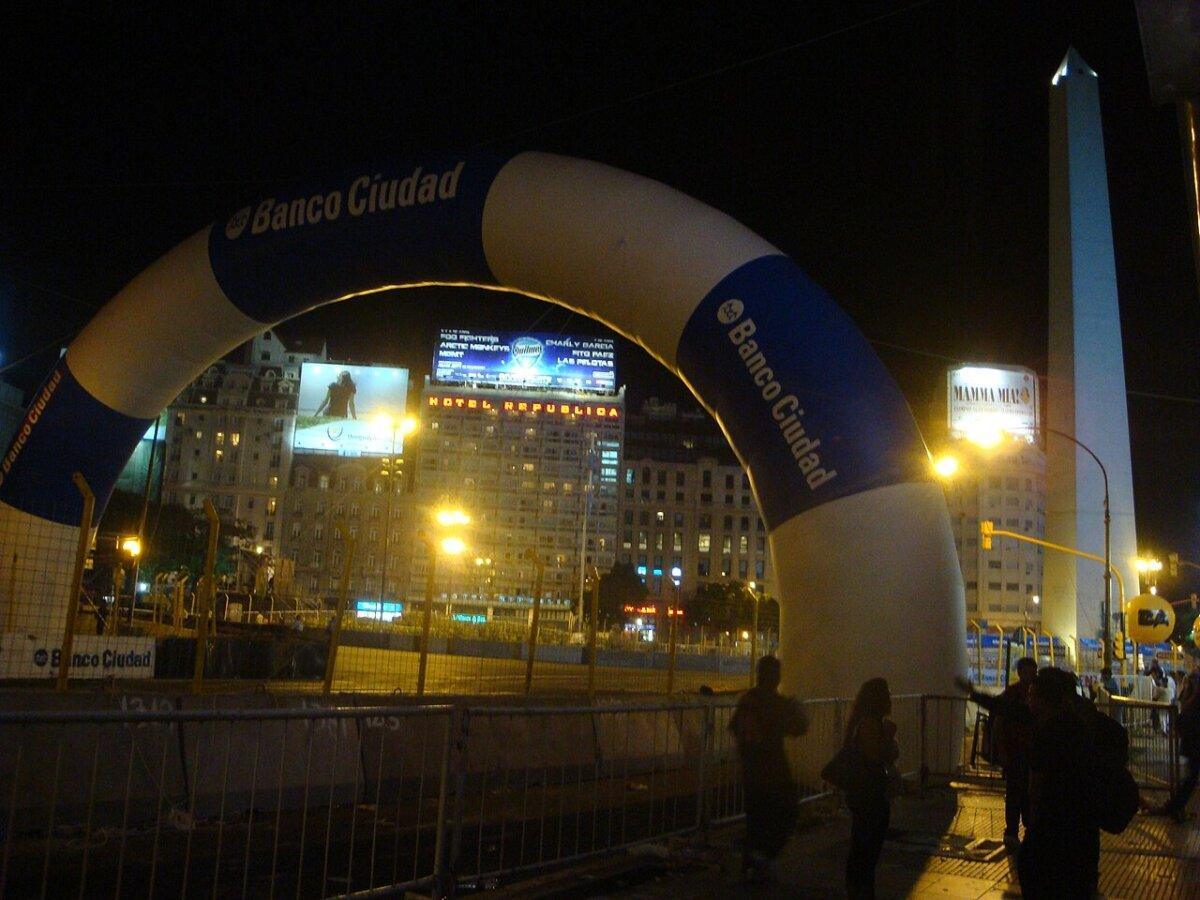
In the heart of Buenos Aires, the Obelisk helps to navigate this city to visit in Argentina. - Ideal duration: 3 to 4 days, 5 days if you enjoy museums and long evenings on terraces.
- Indicative budget: 40 to 80 € per day excluding flight, with wide variations depending on the neighborhood and level of comfort.
- Neighborhoods to target: Palermo, Recoleta, San Telmo, then Microcentro for iconic landmarks.
- Best period: September to November or March to May, when the city is pleasant to walk around.
- Why it stands out: it is often the best gateway for a first South America tour.
2. Rio de Janeiro, Brazil
Rio is the city to visit in Brazil if you are looking for true urban relief: mountains, beach, lively neighborhoods, and open views over the bay. The right pace is to stay near Copacabana, Ipanema, or Botafogo to limit travel, then alternate between the waterfront, viewpoints, and historic neighborhoods like Santa Teresa.
- Ideal duration: minimum 4 days, 5 to 6 days if you want to add museums, beaches, and panoramas.
- Indicative budget: 45 to 90 € per day excluding flight, especially if you stay near the sea.
- Neighborhoods to target: Copacabana, Ipanema, Botafogo, Santa Teresa for a well-located stay.
- Best period: May to October, drier and often more comfortable for walking.
- To watch out for: prefer VTC or taxi rides after nightfall.
3. Cartagena, Colombia
Cartagena is one of the most beautiful cities in South America if you like colonial centers, colorful streets, and easy-going evenings. The old town is very walkable early in the morning or late afternoon, when the heat drops a bit. Getsemaní perfectly complements the visit with a more local and lively atmosphere.
- Ideal duration: 3 days are enough for the old town, Getsemaní, and a relaxed pace.
- Indicative budget: 40 to 85 € per day excluding flight, with a sharp increase in well-located accommodations.
- Neighborhoods to target: Ciudad Amurallada, Getsemaní, and Bocagrande depending on the level of comfort sought.
- Best period: December to April to limit rain and better tolerate the visit.
- For which profile: travelers who want an easy-to-photograph and live colonial city.
4. Cusco, Peru
Cusco is the city to visit in Peru if your trip combines heritage, altitude, and Andean ambiance. The historic center is very rich, but you have to accept a slower pace in the first hours due to the approximately 3,400 meters altitude. San Blas, the Plaza de Armas, and the streets around the old colonial houses offer the best reading of the city.
- Ideal duration: 3 to 4 days to visit the city without rushing and acclimate to the altitude.
- Indicative budget: 35 to 75 € per day excluding flight, depending on the hotel level and excursions.
- Neighborhoods to target: Historic center and San Blas, the most practical for a first stay.
- Best period: May to September, during the dry season.
- To remember: plan for a calmer first half-day if you arrive directly from sea level.
5. Medellín, Colombia
Medellín appeals to travelers who want a modern city, well served and gentler to live in than many large metropolises on the continent. Its metro, residential neighborhoods, and stable climate make it an efficient base for a 3 or 4-day stay. For a first contact, Laureles and El Poblado are often the simplest.
- Ideal duration: 3 to 4 days to take the time to explore several neighborhoods and museums.
- Indicative budget: 30 to 65 € per day excluding flight, making it one of the most affordable options.
- Neighborhoods to target: Laureles, El Poblado, then the center if you enjoy urban buzz.
- Best period: almost all year round, with a slight advantage to the less rainy periods from December to March and from July to August.
- Why it matters: it is a useful city for a longer South America trip, as it combines well with other stops in Colombia.
6. Quito, Ecuador
Quito is an excellent colonial city in South America if you are looking for a very readable historic center, a high-altitude setting, and well-focused cultural visits. The old town is best visited during the day, while La Mariscal and some northern areas offer more restaurants and hotels.
- Ideal duration: 3 days, with a full day dedicated to the historic center.
- Indicative budget: 30 to 70 € per day excluding flight, depending on the accommodation category.
- Neighborhoods to target: Historic center, La Mariscal, and well-connected northern areas.
- Best period: June to September to enjoy drier weather.
- Practical point: the altitude often requires a slower pace during the first hours.
7. Santiago, Chile
Santiago does not always have the spectacular effect of Rio or Cartagena, but it wins on practicality. The neighborhoods of Lastarria, Bellavista, and the center allow for a variety of museums, restaurants, and urban walks. It is also a simple base to build a broader stay in Chile without having to change hotels every day.
- Ideal duration: 2 to 3 days if you visit the city alone, a bit more if you add the surroundings.
- Indicative budget: 45 to 90 € per day excluding flight.
- Neighborhoods to target: Lastarria, Bellavista, Providencia, and the center.
- Best period: October to April, with more pleasant days for walking.
- For whom: travelers who want an organized, readable, and well-connected capital.
8. Lima, Peru
Lima deserves a place in this top 10 because it combines one of the best gastronomic interests on the continent with pleasant coastal neighborhoods to live in. Miraflores and Barranco are the simplest for a first stay: you will find restaurants, walks, and clear logistics for sleeping, eating, and going out.
- Ideal duration: 3 days if you focus on the useful neighborhoods and gastronomy.
- Indicative budget: 35 to 80 € per day excluding flight, with significant variations depending on the restaurants.
- Neighborhoods to target: Miraflores, Barranco, Historic center for a complete reading of the city.
- Best period: May to October if you prefer more stable weather.
- Main asset: it is a very strong destination for food lovers traveling in South America.
9. Montevideo, Uruguay
Montevideo offers a calmer break than the continent’s major metropolises. Ciudad Vieja, the rambla, and Pocitos provide an airy urban stay without tourist overload. It is an interesting city if you want to walk, take your time, and sleep in a pleasant neighborhood without having to manage complicated logistics.
- Ideal duration: 2 to 3 days, more if you like slow cities and the coastline.
- Indicative budget: 50 to 100 € per day excluding flight, often higher than in other capitals on this list.
- Neighborhoods to target: Ciudad Vieja, Centro, and Pocitos.
- Best period: November to March to enjoy milder days.
- For which traveler: those who prefer a quiet stay to an intense large capital.
10. Bogotá, Colombia
Bogotá is often underestimated, yet it combines important museums, student neighborhoods, altitude, and real local life. La Candelaria concentrates the historic center, but it is better to stay in Chapinero or a well-connected area if you want a simpler stay. The atmosphere changes a lot between day and night, which is worth anticipating.
- Ideal duration: 3 days for a good overview of the center and major museums.
- Indicative budget: 30 to 65 € per day excluding flight.
- Neighborhoods to target: La Candelaria for history, Chapinero for meals and urban life.
- Best period: December to February or July to August to limit the most inconvenient rains.
- Safety advice: prefer VTC rides at night and keep visits to La Candelaria for the daytime.
The right neighborhood often changes the experience more than a change of city. This is true in Rio, Buenos Aires, and Bogotá alike.
How to choose the best city in South America according to your travel style?
The simplest way is to start from your rhythm. If you like dense and cultural cities, Buenos Aires remains a safe bet. If you are looking for relief and beach, Rio is the obvious choice. For historic centers, Cartagena, Quito, and Cusco are the most coherent. For a first trip, it is better to aim for a readable city rather than an overly ambitious itinerary.

- For a first time in South America: Buenos Aires, Santiago, or Montevideo, because the organization is simpler.
- For colonial cities in South America: Cartagena, Quito, and Cusco, with a real heritage weight.
- For beach and relief: Rio, clearly ahead if you are looking for a spectacular setting.
- For gastronomy: Lima remains the most obvious reference in this ranking.
- For a tighter budget: Medellín, Bogotá, and Quito are often the most flexible.
What budget to plan for a city trip in South America?
For an urban stay, you need to think in daily budget, not just hotel price. Excluding international flights, most cities in this ranking range between 30 and 100 € per day depending on comfort, restaurants, and transport. The differences mainly come from the chosen neighborhood and the season.
A good travel budget is not the one aiming for the minimum: it is the one that prevents you from giving up useful neighborhoods or good meals to save a few euros.
- Tight budget: count about 30 to 45 € per day in cities like Medellín, Bogotá, or Quito.
- Comfort budget: 45 to 80 € per day already covers Buenos Aires, Lima, Cartagena, or Cusco depending on the period.
- Larger budget: beyond 80 €, you mainly gain in location, hotel quality, and transport flexibility.
- Practical tip: the best located neighborhoods cost more, but often reduce travel times and taxi costs.
- Warning point: high season can significantly raise prices, especially in coastal cities and highly demanded historic centers.
What itinerary to follow depending on the length of stay?
For a first trip, the most reliable rule is simple: one city for 3 to 4 days, only two cities if connections are direct and travel times reasonable. Beyond 7 days, you can consider a real South America circuit, provided you do not multiply hotel changes.

| Duration | Most realistic format | Suitable examples |
|---|---|---|
| 3 to 4 days | One city only | Buenos Aires, Rio, Cartagena |
| 5 to 7 days | One city with neighborhood exploration | Cusco, Quito, Medellín |
| 7 to 10 days | Two cities, ideally well connected | Lima and Cusco, Bogotá and Cartagena |
| 10 to 14 days | Tour of up to 3 cities | Buenos Aires, Montevideo, Rio |
In practice, 3 days in Buenos Aires are enough for a first impression of the city, 4 days in Rio allow you to vary between beaches and viewpoints, and 3 days in Cartagena already give a real sense of the colonial center. If you have a week, it is better to choose two cities rather than trying to do everything.
Practical advice before leaving
South American cities are better prepared for when you anticipate climate differences, distances, and urban safety. The best strategy is to book a central neighborhood, check daytime hours for historic centers, and keep transfers simple, especially after a long-haul flight or upon arrival at altitude.
- Season: the dry season greatly simplifies visits to Cusco, Quito, or Rio; coastal cities are more enjoyable when the heat is bearable.
- Safety: vigilance should be adjusted according to neighborhoods and times; in historic centers, daytime is generally more comfortable than nighttime.
- Transport: large capitals like Buenos Aires, Santiago, Lima, or Bogotá are better explored by grouping visits by area.
- Accommodation: it is better to pay a bit more to stay in a convenient area than to waste time on shuttles and taxis.
- Sources to prioritize: official tourist offices, municipal websites, public transport, local weather, and UNESCO information for listed historic centers.

The historic center alone is not enough for a good stay. What really matters is the trio of neighborhood, season, and travel time.
FAQ
What is the best South American city for a first trip?
Buenos Aires is often the easiest to understand and organize for a first stay. If you prefer a more spectacular atmosphere, Rio can also work, but with more attention to neighborhoods and transportation.
Which city to choose if I mainly want colonial cities in South America?
Cartagena, Quito, and Cusco are the three most obvious options. Cartagena is the warmest and easiest to explore, Quito offers a remarkable historic center, and Cusco adds altitude and a strong Andean dimension.
How many days should be planned to visit a South American city?
Generally, 3 days give a good first view of a city, 4 days provide more comfort, and 5 days allow going further if the city is dense or if you want to slow down the pace. Beyond that, add a second city only if connections are simple.
Which cities are the most affordable in the ranking?
Medellín, Bogotá, and Quito are often the most flexible for a moderate budget. That said, the final price depends greatly on the neighborhood, the season, and dining habits.
Should you prefer a large capital or a more compact city?
For a first trip, a compact or well-organized city helps avoid wasting time. Large capitals remain interesting, but they require more logistical choices to stay in the right place and limit travel time.
Conclusion
If you are looking for the best balance between ease, cultural richness, and enjoyment of the visit, Buenos Aires ranks very high, Rio stands out for the urban landscape, and Cartagena, Quito, or Cusco dominate for historic cities. The right choice mainly depends on your pace, your budget, and the number of days you really want to spend on site.
For a well-planned South America trip, remember a simple rule: one strong city is better than three too-quick stops. This is often what turns a decent stay into a truly memorable journey.