/* Css En-Bref */
| Key Points | Details to Remember |
|---|---|
| 🎁 Definition | Giving a moment rather than a tangible object. |
| ✨ Main Benefits | Intense memories, sharing and lasting emotions. |
| 🔍 Selection Criteria | Personalization based on tastes and budget. |
| 🛠 Offering Methods | Gift vouchers, DIY cards, dedicated platform. |
| 🌍 Concrete Examples | Creative workshops, getaways, online courses. |
| ⚠️ Pitfalls | Poor planning, weather or logistical mishaps. |
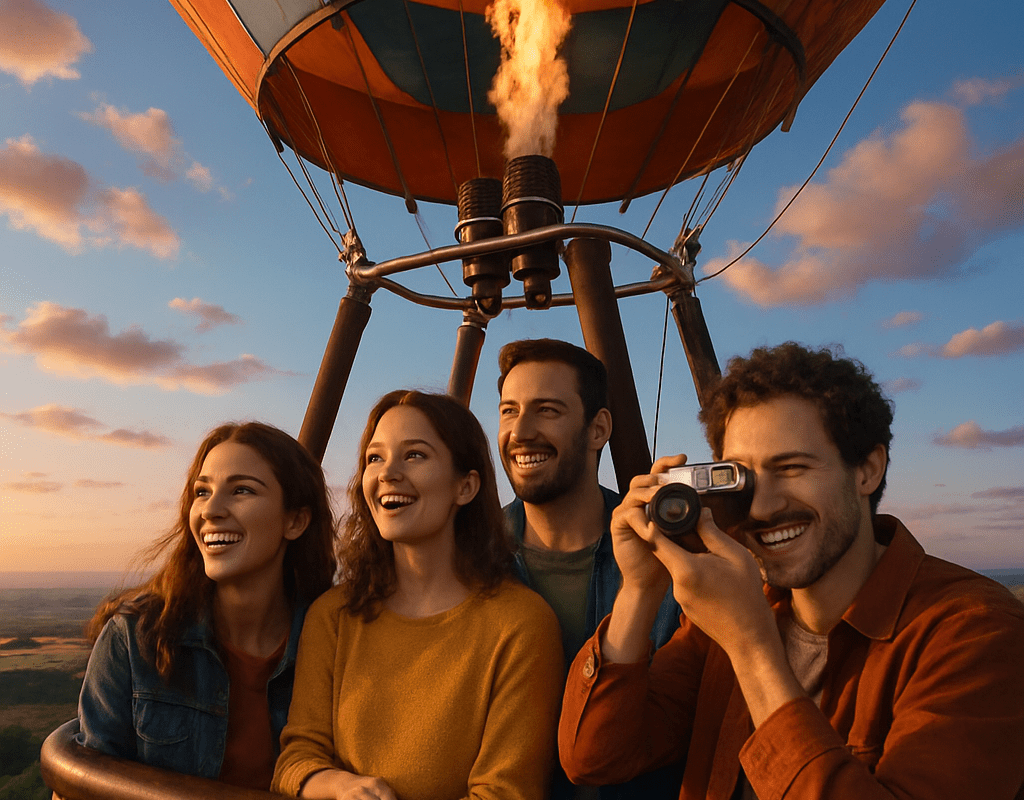
The idea of substituting objects with lived moments is becoming increasingly popular. Beyond the packaging and purely material surprise, giving an experience allows a gift to be inscribed in time and emotion. Whether it’s a hot air balloon flight, a pottery class, or a guided tour, the value lies in the sensation, learning, and sharing. Rather than accumulating, one cultivates a unique memory.
Sommaire
Why Favor Experience Over Object?
The shift from consuming objects to seeking emotions addresses several issues. First, the excitement of a material gift fades quickly. Conversely, an unusual moment remains engraved. One remembers a sunset from a kayak as much as a toast to friendship, long after the cardboard box is forgotten.
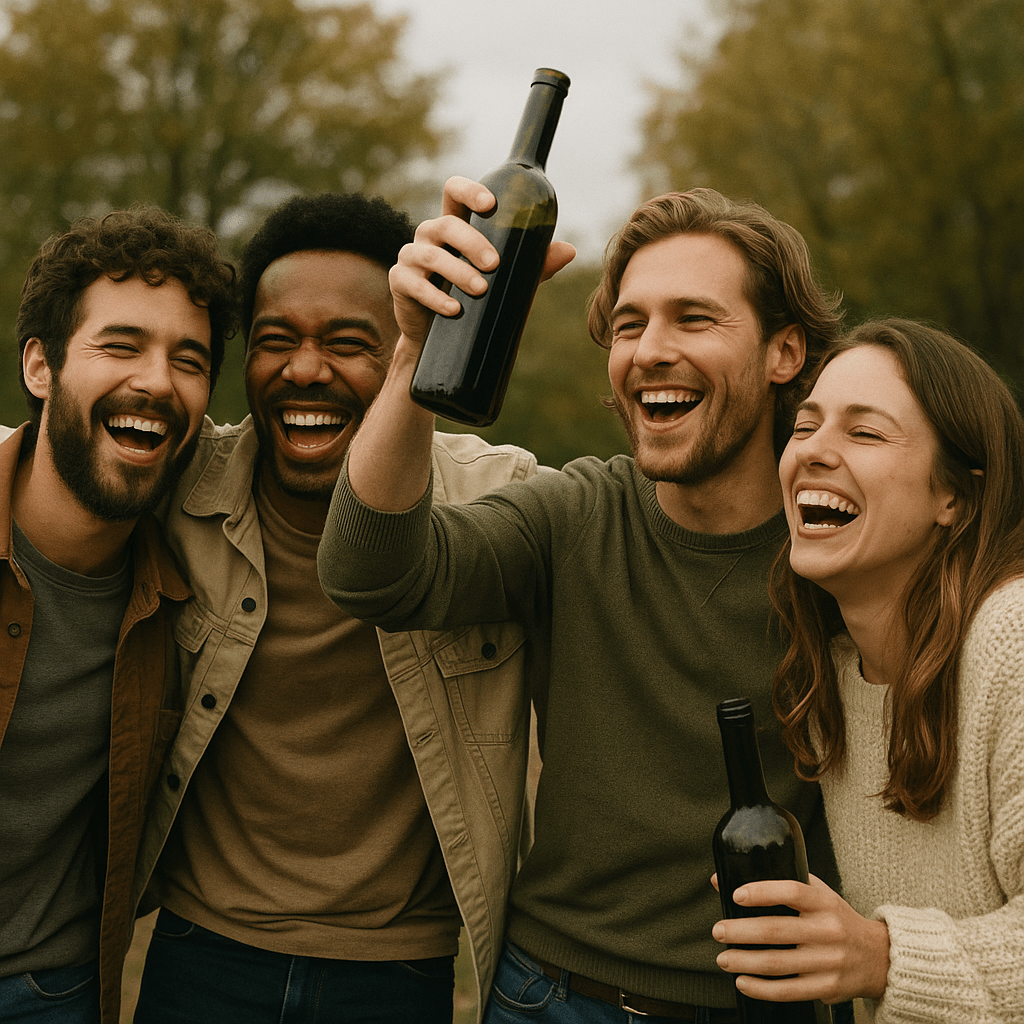
Next, giving a moment often involves a lower environmental impact. No plastic packaging nor transport of a heavy object, but a ticket to a show or a plane ticket. Finally, personalization is understood on another level. One does not choose a color or material, but adapts the offer to the personality, passions, and desires of the recipient.
Emotional and Social Benefits
Creating an Authentic Bond
By choosing an activity for two or more people, an immediate sense of complicity is established. The adrenaline of a canoe trip or the focus required during a drawing workshop weaves a shared story. Studies show that these moments experienced together strengthen cohesion and relationship satisfaction much more than a simple object. People remember for a long time having shared an adventure.
Preserving an Intangible Memory
Unlike a gadget that can be replaced, the memory remains intangible and accessible at any time. This is what is called memory capital. A blind wine tasting session, a bungee jump, or a dance class evoke mental images ready to emerge during a conversation, an emotion, or a special occasion.
What Types of Experiences to Offer?
- Culture and Discovery: guided tours, themed museums, intimate concerts.
- Creative and Artistic: pottery, photography, cooking or painting classes.
- Sport and Adventure: via ferrata, diving, hot air balloon trip.
- Well-being and Relaxation: massage, yoga retreat, private spa.
- Training and Development: masterclasses, online coaching, language immersion.

How to Prepare and Offer an Experience?
The secret to a successful experiential gift lies in three elements: preparation, personalization, and flexibility. First, check the possible dates, weather, or restrictions. Then, add a color code or a personal touch: a voice message on a USB key, a DIY wrapping with photos, a simple notebook filled with clues. Finally, plan a fallback option: in case of unforeseen events, exchangeable or refundable.
The Right Tools
- Pre-printed brochures or gift vouchers
- Multi-activity booking sites
- Shared planning applications
- Handmade cards with QR codes leading to a presentation video
Comparison Table: Object vs Experience
| Criterion | Material Gift | Experiential Gift |
|---|---|---|
| Durability | Often limited | Lasting memory |
| Environmental Impact | Production and waste | Low footprint |
| Personalization | Shape, color | Type of activity, locations, dates |
| Sharing | Rarely as a duo | Often collective |
| Memory | Temporary effect | Sensorial imprint |
Tips to Maximize Impact
Choose an activity that corresponds to the person’s unspoken dreams, not just their usual hobbies.
Sometimes the best surprise is a little twist: an avid hiking enthusiast might love a forest survival course. Add a DIY ticket and a personalized pass to strengthen the “heartfelt gift” effect.
FAQ
1. What budget should be planned for a successful experience?
Depending on the type, expect between €30 (discovery workshop) and €200 (themed weekend). The “mini-group” packages are often more economical.
2. Can an experience be offered remotely?
Yes, many online courses (yoga, photography, music) are adaptable. Be sure to choose a platform with live sessions to maintain interactivity.
3. How to wrap an intangible gift voucher?
A kraft envelope adorned with a colorful band or a small wooden box containing an explanatory card and a symbolic object (feather, spice sachet…) is enough to create the surprise effect.
4. What to do if the date is not suitable?
Prefer a voucher valid for at least six months and with a free rescheduling option. Reliable platforms always offer a flexible calendar.
5. When to give the voucher?
On a special occasion (birthday, celebration) or simply to mark a milestone (new job, end of year). Ideally, it should be a quiet time when the person can savor the announcement.