Why Optimize Your Beverage Consumption
Many are content to simply “gulp down” a liquid without really thinking about it. Yet, the quality and variety of drinks have a direct impact on concentration, digestion, and even stress management. By adjusting our intake, we can reduce feelings of fatigue, improve circulation, and stimulate our immune system. Each sip then becomes an opportunity to support our metabolism, far from the common idea of purely mechanical hydration.
The Central Role of Water
Nothing replaces water when it comes to hydration. But not all waters are equal. Depending on their origin, they contain different mineral residues and variable pH levels. Water that is too rich in sodium can promote retention, while slightly alkaline water offers a softer taste and can help offset the acidity of a protein-rich diet.
Characteristics to Favor
- Low content of nitrates and lime to avoid deposits and preserve flavor.
- Filtration via pitchers or domestic systems to eliminate chlorine and micropollutants.
- Moderate richness in magnesium and calcium, useful for the nervous system and bone strength.
Tea and Coffee: Advantages and Limitations
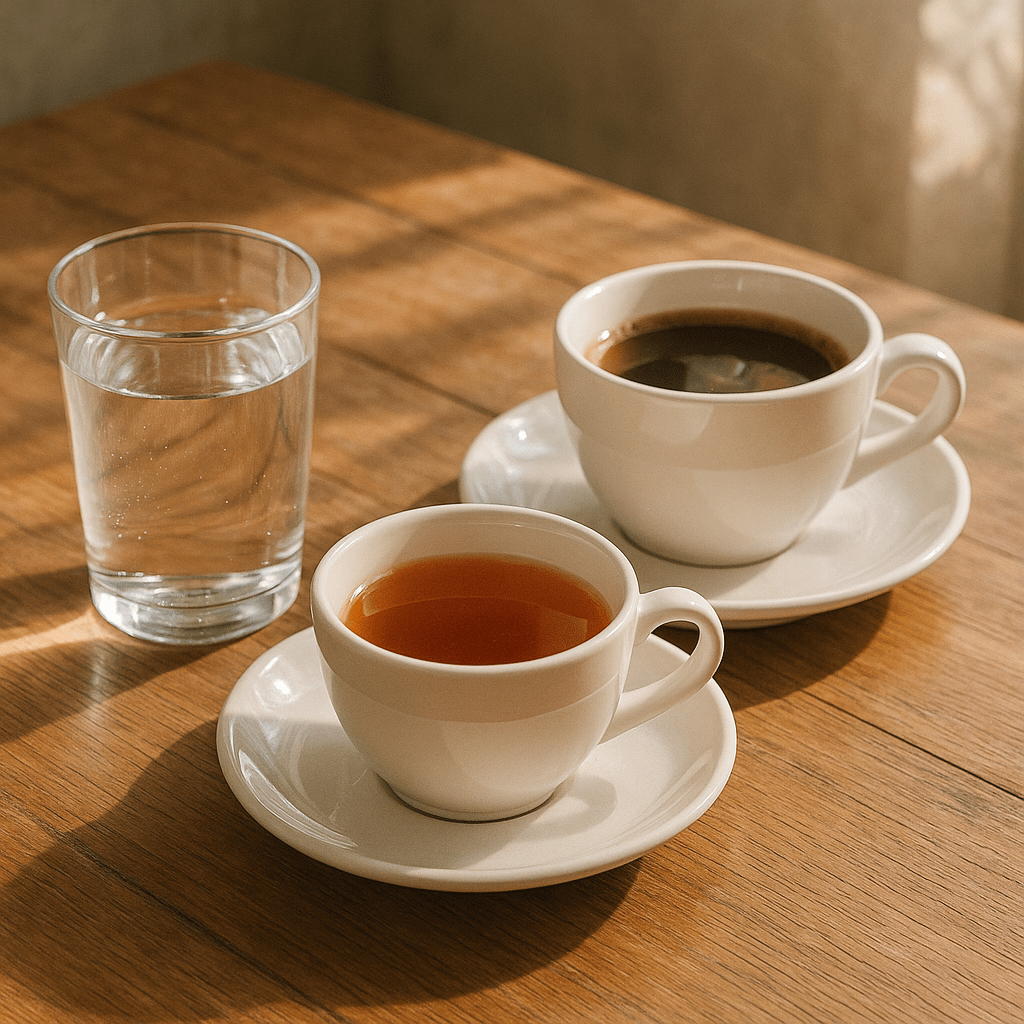
While water consumption remains essential, tea and coffee each provide an additional element of interest in terms of pleasure and potential benefits. Provided certain quantities are not exceeded, they become allies for intellectual energy, the prevention of certain diseases, and metabolic regulation.
Tea, a Concentrate of Antioxidants
Tea contains catechins — a type of antioxidant — known for their action against oxidative stress. Whether green, white, or oolong, it remains moderately caffeinated, offering a gentler boost than an espresso. It is also credited with relaxing properties thanks to L-theanine, an amino acid that modulates the effect of caffeine.
Coffee, More Than Just a Stimulant
Coffee is often the preferred drink of performance enthusiasts. Its caffeine content varies depending on the preparation: 80 to 100 mg for an espresso, around 120 mg for a filter coffee. This substance increases alertness, accelerates metabolism, and can promote lipolysis. However, excess can trigger nervousness, sleep disturbances, or gastric acidity.
| Beverage | Caffeine Content (mg) |
|---|---|
| Espresso Coffee (30 ml) | 80–100 |
| Filter Coffee (200 ml) | 120–140 |
| Green Tea (200 ml) | 25–35 |
| Black Tea (200 ml) | 40–60 |
| Maté (200 ml) | 30–50 |
Alternatives to Explore
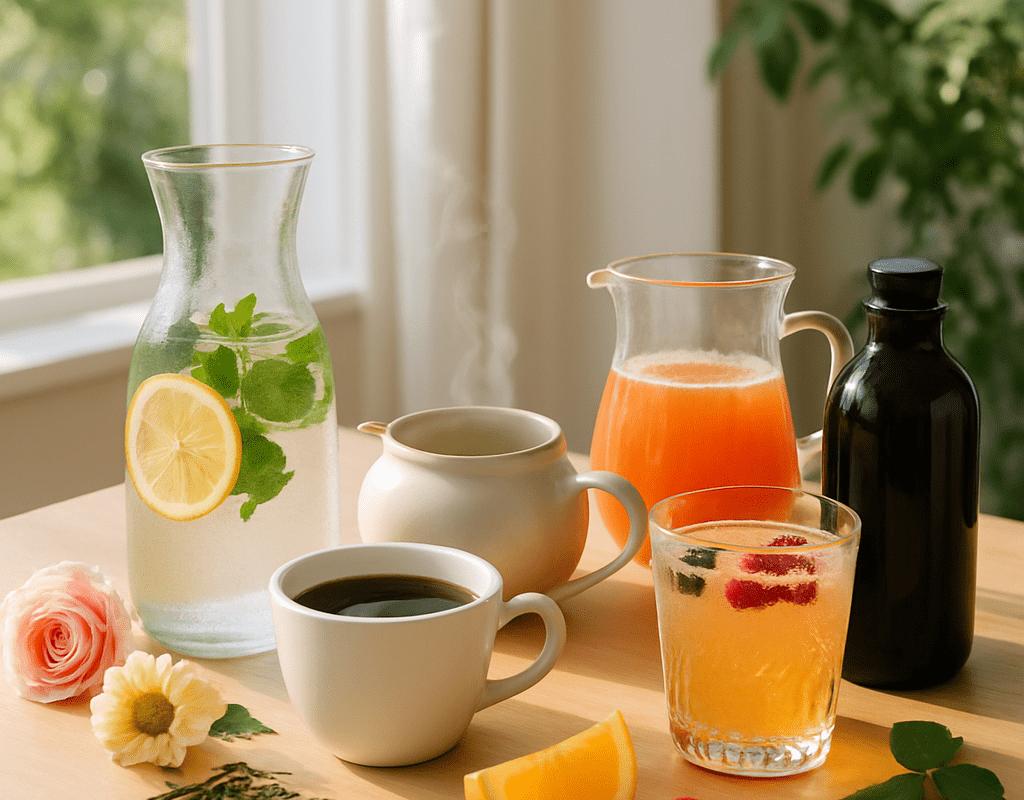
Beyond the classics, a range of options opens up for those who want to vary their pleasures: herbal teas, flavored waters, fermented or sparkling drinks. These alternatives are often caffeine-free and abound with beneficial aromatic particles or probiotics.
- Herbal teas (chamomile, mint, verbena) for their digestive and soothing virtues.
- Infused waters with fruits and aromatic herbs, without added sugars.
- Kombucha or water kefir, rich in probiotics that support the intestinal flora.
- Natural sparkling water, perfect for replacing sodas and limiting calories.
Practical Tips for Establishing Good Habits
It is not enough to know your drinks: you also need to establish a pleasant routine. A pitcher of cold water, a programmable kettle for tea, or a precise coffee dosage make implementation easier. One can set the goal of varying the drink every two hours, or starting the day with a large glass of lemon water before the morning espresso.
Finally, listening to your body remains key: thirst, taste, effect on alertness — all clues to adjust your ritual. Similarly, keeping an eye on the frequency of coffee breaks can prevent performance drops related to an overly systematic habit.
FAQ
- How much water should you drink each day?
- It is generally recommended to drink 1.5 to 2 liters per day, spread out over several intakes. The amount can vary depending on physical activity and ambient temperature.
- Can green tea replace water?
- Tea contributes to hydration, but it contains caffeine. It should not make up 100% of your daily liquid intake.
- From how many cups of coffee per day is it considered excessive?
- Beyond 3 to 4 filtered cups (about 400 mg of caffeine), side effects such as anxiety or insomnia may appear.
- Are sparkling waters bad for bone calcium?
- Studies show minimal impact provided you choose a low-mineral water and do not overconsume it.
- What is the benefit of drinking kombucha?
- It provides live cultures that help balance the gut flora and aid digestion.
{
“@context”: “https://schema.org”,
“@type”: “WebPage”,
“about”: {
“@type”: “Thing”,
“name”: “Drink better: water, tea, coffee, alternatives”
},
“keywords”: [“hydration”, “tea”, “coffee”, “infusions”, “alternatives”]
}