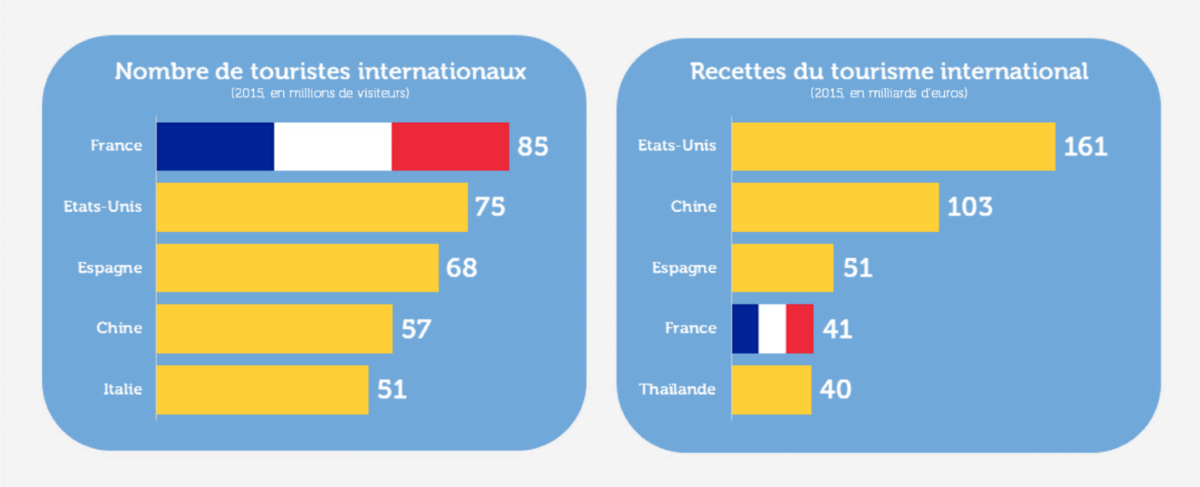
France, the ultimate tourist destination, is preparing to welcome an exceptional influx of visitors in 2024. The usual appeal of the Hexagon is strengthened by a major event: the Paris Olympic and Paralympic Games. This convergence promises an extraordinary summer season, blending traditional tourists and sports enthusiasts. Let’s dive into the analysis of the different traveler profiles expected, entry formalities, and attendance statistics that will shape the French tourism landscape in this Olympic year.
Sommaire
Diversity of Tourists Expected in France for 2024
The year 2024 promises to be an exceptional crossroads for tourism in France. The Olympic and Paralympic Games will attract a mosaic of visitors, each with their own expectations and motivations. This diversity promises to transform the usual face of tourism in the Hexagon, especially in Paris, the epicenter of the sporting event. Among the expected profiles, three main categories stand out:
Games spectators, coming specifically to attend the competitions
Regular tourists, attracted by French cultural and gastronomic heritage
Visitors without tickets, simply wishing to soak up the Olympic atmosphere
This heterogeneous influx promises a bustling summer season, where sports fans will mingle with Eiffel Tower aficionados. Travelers’ motivations will be as varied as their origins. Some will come to thrill to the rhythm of sporting feats, others to immerse themselves in the French art of living. The represented nationalities promise to be as diverse as they are colorful. While European countries should make up the bulk of visitors, a strong presence of American, Asian, and Oceanian visitors is expected. This international mosaic will help create a unique cosmopolitan atmosphere, conducive to cultural exchanges and promoting France’s image abroad.
Entry Formalities for Tourists in France
Welcoming millions of visitors in 2024 requires meticulous organization of entry formalities into French territory. Procedures vary according to nationality, but France strives to facilitate access while maintaining an optimal level of security.
For European Union nationals, entry remains simple with the presentation of a valid identity card or passport. However, non-EU visitors will have to comply with stricter requirements. Here is an overview of the generally required documents:
Passport valid for the duration of the stay
Visa, depending on the country of origin and length of stay
Proof of accommodation
Proof of sufficient resources for the duration of the stay
Travel insurance covering medical expenses
In anticipation of the Olympic and Paralympic Games, specific measures will be implemented. A special accreditation system will be established for athletes, officials, and media. Additionally, an Olympic visa system will facilitate entry for ticket-holding spectators to the events. Travelers are advised to inquire well in advance with French embassies and consulates in their country of residence. French authorities are working to streamline procedures while ensuring the security of the event and the country.
Tourism Attendance Statistics for 2024
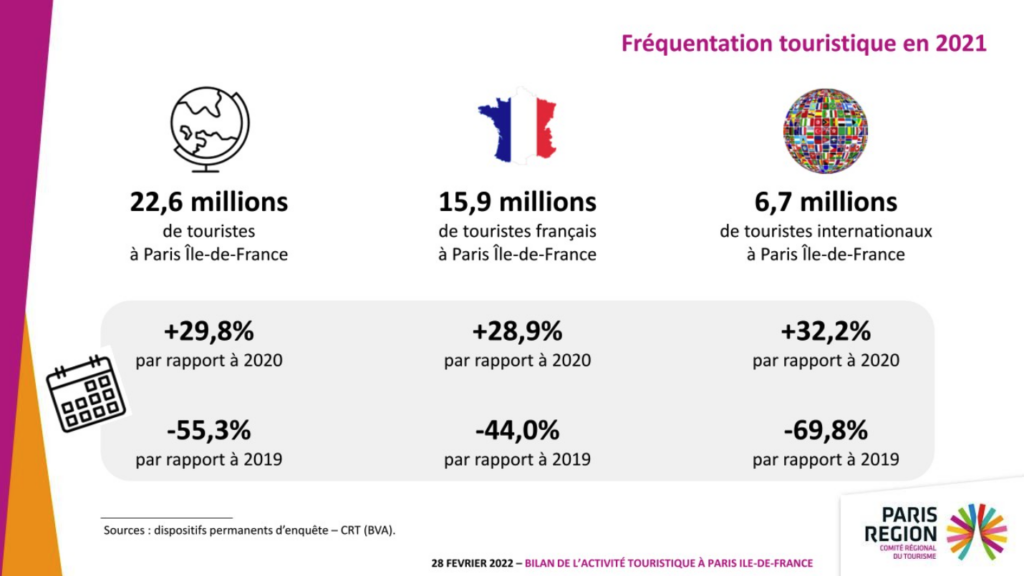
The forecast figures for tourist attendance in France in 2024 are staggering. Paris, the epicenter of the Games, expects to welcome no fewer than 16 million tourists during this exceptional period. This influx represents a significant increase compared to previous years, with 1 to 2 million additional visitors expected. To put these figures into perspective, here is a comparative table of tourist attendance in Paris:
Year
Number of tourists (in millions)
Major event
2019 (pre-Covid)
38
Normal year
2023 (estimate)
34-35
Post-Covid recovery
2024 (forecast)
16 (for the Olympic Games period)
Olympic and Paralympic Games
This exceptional concentration of visitors over a limited period poses considerable logistical challenges. However, the impact will not be limited to the capital. Other French regions should also benefit from this influx, thanks to a spillover effect and the distribution of certain Olympic events across the territory.
Seaside resorts, major cultural sites, and wine regions are preparing to welcome an international clientele seeking authentic experiences. This geographical dispersion of tourists will help distribute economic benefits and promote the diversity of French attractions.
Accommodation capacity and arrangements for tourists
Faced with the massive influx of visitors expected for the 2024 Olympic and Paralympic Games, France, and particularly Paris, is mobilizing to offer hospitality worthy of the event. Ambitious measures are being deployed to ensure comfort and safety for all tourists, whether they come for the competitions or to discover the charms of the Hexagon. The planned arrangements at Olympic and tourist sites are numerous:
Increase in accommodation capacity with the opening of new hotels and residences
Strengthening of public transport with special lines and extended schedules
Creation of expanded pedestrian zones to facilitate movement
Installation of multilingual information points in strategic locations
Implementation of enhanced security measures
The organization of the city of Paris will be adapted for this exceptional period. Fan zones will be created to allow visitors without tickets to experience the Olympic atmosphere. Major tourist sites, such as the Eiffel Tower or the Louvre, will adjust their hours and reception capacities to absorb the additional visitor flow. The hotel and restaurant sector is also preparing for this record influx. Many establishments are increasing their capacity and training their staff to welcome a diverse international clientele. Alternative accommodation solutions, such as short-term rentals, are also encouraged to meet demand.
Economic impact of tourism related to the Paris 2024 Games
The organization of the 2024 Paris Olympic and Paralympic Games promises considerable economic benefits for France, particularly in the tourism sector. Estimates predict economic benefits related to tourism amounting to 2.6 billion euros, a figure that reflects the scale of the event and its impact on the national economy. This financial windfall will benefit many sectors:
Hospitality, with a significant increase in overnight stays
Restaurants, which will benefit from the influx of visitors seeking French gastronomy
Transport, both public and private, called upon to carry tourists
Retail trade, especially in tourist areas and around Olympic sites
Cultural and leisure services, which will attract visitors outside of competitions
Beyond these immediate benefits, the Paris 2024 Games are seen as a catalyst for the long-term tourism attractiveness of France. The global media exposure the country will receive should strengthen its image as a top destination, potentially attracting new clientele in the years to come. The investments made in terms of infrastructure and urban development for the Games will leave a lasting legacy that will benefit the tourism sector well beyond 2024. Whether in terms of mobility, accommodation, or sports facilities, these improvements will help maintain France’s competitiveness on the international tourism stage.
Challenges and Opportunities for the French Tourism Sector
Hosting the Olympic and Paralympic Games in 2024 represents both a colossal challenge and a unique opportunity for the French tourism sector. Managing this massive influx of visitors over a concentrated period poses unprecedented logistical and organizational challenges. Among the main issues to be addressed are:
Managing tourist flows in transportation and at tourist sites
Adapting accommodation offerings to exceptional and diverse demand
Maintaining service quality despite the pressure of crowds
Securing sites and managing risks related to large gatherings
Preserving the experience of regular tourists in the face of Olympic excitement
However, these challenges come with major opportunities for the development and modernization of the French tourism sector. The event acts as an accelerator of innovation and investment, pushing tourism stakeholders to reinvent themselves and improve their offerings. The strategies implemented to sustain tourist appeal post-Games are multiple. They aim to capitalize on global media exposure to strengthen the image of France as a destination of excellence. Emphasis is placed on diversifying the tourism offer, promoting lesser-known regions, and developing more sustainable and responsible tourism. Ultimately, the Paris 2024 Games appear as a springboard for French tourism. They offer the opportunity to rethink visitor reception, innovate in the services offered, and strengthen France’s position on the global tourism chessboard. The success of this event could well mark the beginning of a new era for tourism in France, more dynamic, more inclusive, and better adapted to the expectations of 21st-century travelers.