Introduction – Iconic city on the West Coast of the United States, San Francisco fascinates with its turbulent history, unique geography, and vibrant culture. This Californian city located on a peninsula by the Pacific Ocean attracts travelers from around the world. In this article, we will explore in depth its environment, inhabitants, economy, and many riches.
In brief:
• San Francisco is a metropolis built on a 46 km² peninsula, surrounded by the bay and the ocean, famous for its steep hills and microclimates.
• The city has about 842,000 inhabitants in 2025, with a strong cultural mix and a median age of 39.7 years.
• Birthplace of the Gold Rush, financial and technological center, it combines historical heritage, artistic scenes, gastronomy, and some of the highest real estate prices in the country.
Sommaire
Geography and Location
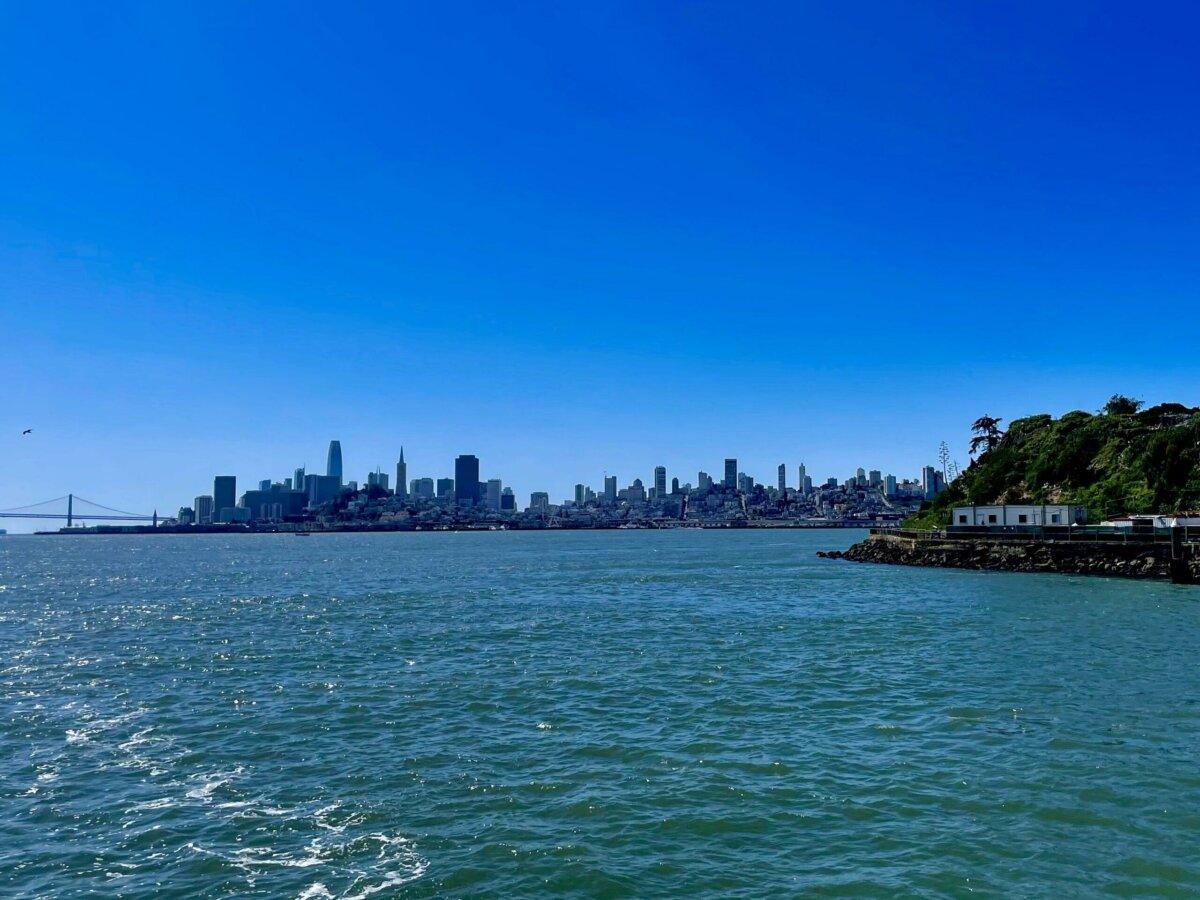
San Francisco is located at the northern tip of the peninsula of the same name, between the Pacific Ocean to the west, San Francisco Bay to the east, and the Golden Gate Strait to the north. The city covers approximately 231.91 mi² (600 km²) of which 46.91 mi² (121 km²) is land and the rest water. Its rugged terrain includes about forty hills; the highest point is Mount Davidson (934 ft), followed by Mount Sutro and the Twin Peaks. This terrain deeply marks the urban landscape and offers spectacular panoramas.
The climate is Mediterranean with cool summers. The influence of the cold waters of the California Current and the topography create microclimates: frequent fog and stratus clouds in summer, cool sea breezes, mild and wet winters. Average maximum temperatures range between 15 °C in January and 23 °C in September. Annual precipitation is around 485 mm, concentrated from November to March. Snow is very rare, with only ten occurrences recorded in over 140 seasons.
“San Francisco is swept by cool winds from the ocean and often wrapped in a summer fog mantle. Summer temperatures generally remain between 17 °C and 20 °C and rainfall is almost nonexistent, while winter brings the majority of the 21.5 inches (≈ 55 cm) of annual rain.”
History and Heritage
Long before the arrival of European settlers, the peninsula was inhabited by the Ohlone Native American peoples. In 1776, the Spanish founded the Presidio of San Francisco and the Mission San Francisco de Asís (Mission Dolores). The city gained importance after the cession to the young Republic of Mexico in 1821 and then following the Mexican-American War (1848), when it became American.
The event that changes its destiny is the 1849 Gold Rush: thousands of adventurers flock, propelling “Frisco” to the rank of the largest city on the West Coast. Its population grows from a few hundred inhabitants to more than 25,000 in one year. The rapid growth leads to the creation of infrastructure, banks, and a dynamic port. In 1906, an earthquake followed by a massive fire destroys a large part of the city. San Francisco quickly recovers, however, and hosts the Panama-Pacific International Exposition as early as 1915. During World War II, its shipyard produces Liberty ships; in 1945, it witnesses the signing of the United Nations Charter. In the 1960s, the Haight-Ashbury neighborhood becomes the epicenter of the hippie movement and the Summer of Love.
Population and Demographics
San Francisco is both a city and a county. According to the California Department of Finance, the population is estimated at 842,027 inhabitants as of January 1, 2025. In 2023, Data USA estimated the population at 836,321 inhabitants, indicating a slight annual decline. The 2020 census counted 873,965 residents. The median age is 39.7 years and the citizenship rate is 87.3%. The density is extremely high (about 7,200 inhabitants/km²), making San Francisco the second most densely populated large city in the United States.
The city is a melting pot of cultures: the main ethnic groups are non-Hispanic Whites (37.5%), non-Hispanic Asians (34.7%), Hispanics of any origin (15.9%), African Americans (4.8%), and people identifying as two or more races. The share of foreign-born residents reaches 34.1%. This diversity is reflected in the neighborhoods (Chinatown, Mission District, Japantown, Little Saigon) and in the languages spoken.
The median household income is $141,446 and the median home value reaches $1.38 million. The homeownership rate is nevertheless low (38.5%), with the majority of residents being renters.
| Indicator | Value | Source |
|---|---|---|
| Population 2025 | 842,027 inhabitants | California DOF |
| Population 2023 | 836,321 inhabitants | Data USA |
| Median age | 39.7 years | Data USA |
| Median household income | $141,446 | Data USA |
| Median home value | $1.38 M | Data USA |
| Main ethnic groups | 37.5% Non-Hispanic Whites, 34.7% Asians, 15.9% Hispanics | Data USA |
Economy and Employment
San Francisco is a global economic center. Its municipal gross domestic product (GDP) reaches approximately $263.1 billion in 2023, while the metropolitan area (San Francisco–Oakland–Hayward) exceeds $778 billion. The dominant sectors are professional, scientific, and technical services, employing more than 112,000 people; health and social work (57,000 jobs); and retail trade (39,000 jobs). The city hosts many tech and financial services companies: Salesforce, Twitter/X, Uber, Airbnb, Slack, Stripe, DoorDash, Levi Strauss & Co., and the artificial intelligence platform OpenAI have their headquarters there. Banking giants Wells Fargo and the Federal Reserve Bank of San Francisco reinforce its historic financial role.
Tourism is a major economic pillar: more than 25 million visitors come each year to admire the monuments and taste the local specialties. The health and biotechnology sector is energized by the University of California, San Francisco (UCSF) and the many start-ups in Mission Bay. The income per capita is one of the highest in the United States; the city ranks first in income per capita among large metropolitan areas.
Tourism and Culture
San Francisco combines historical heritage, cultural diversity, and exceptional landscapes. Here are some must-see attractions:
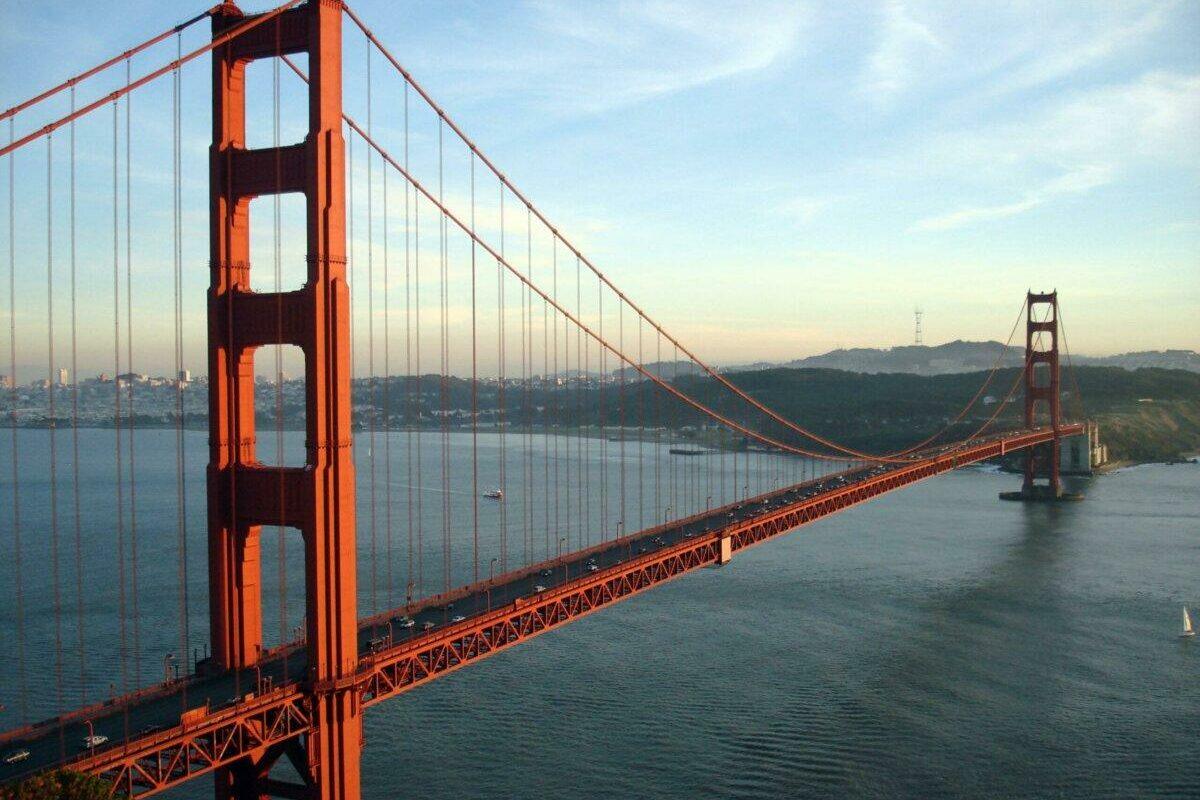
Golden Gate Bridge
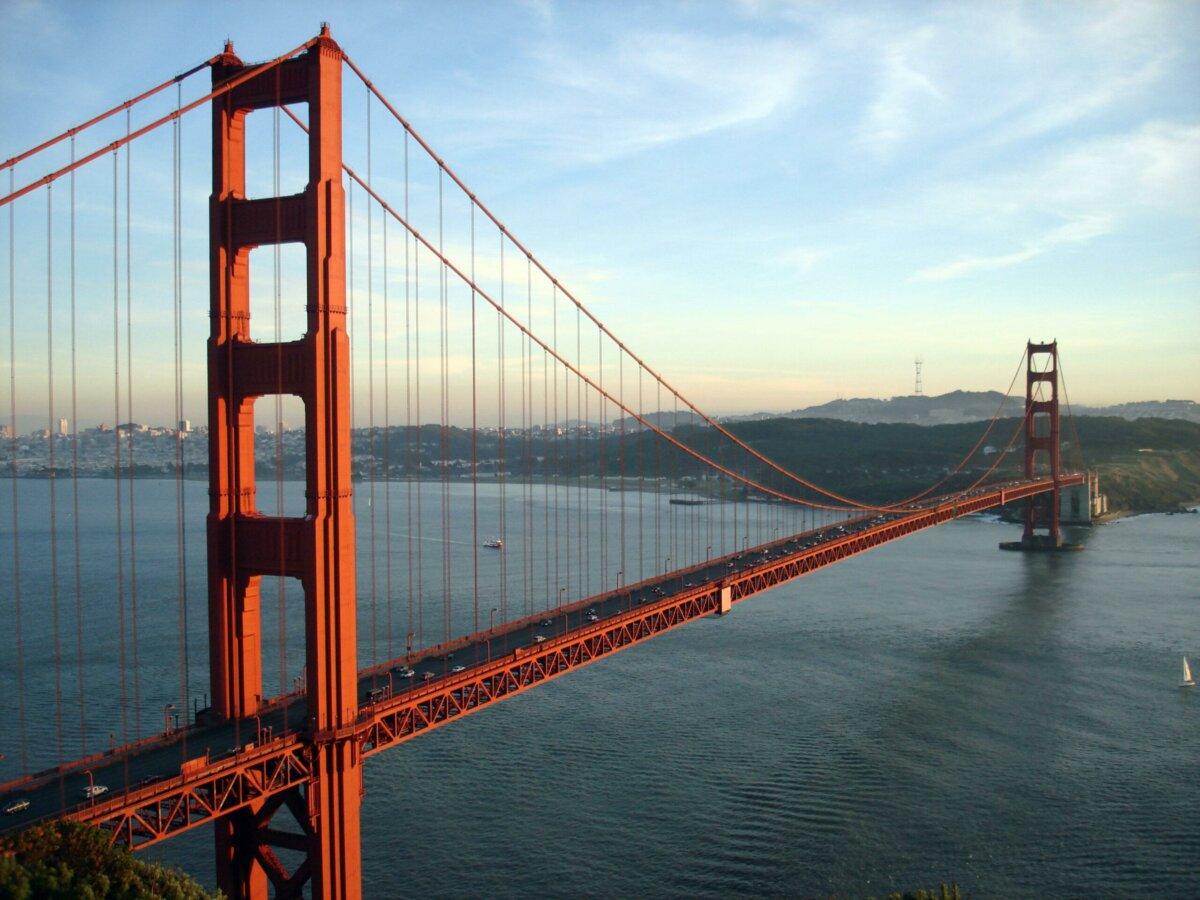
Inaugurated in 1937, this 2.7 km long suspension bridge connects the city to Marin County. Its “International Orange” color stands out against the fog. It is one of the most photographed sites in the world.
Alcatraz Island
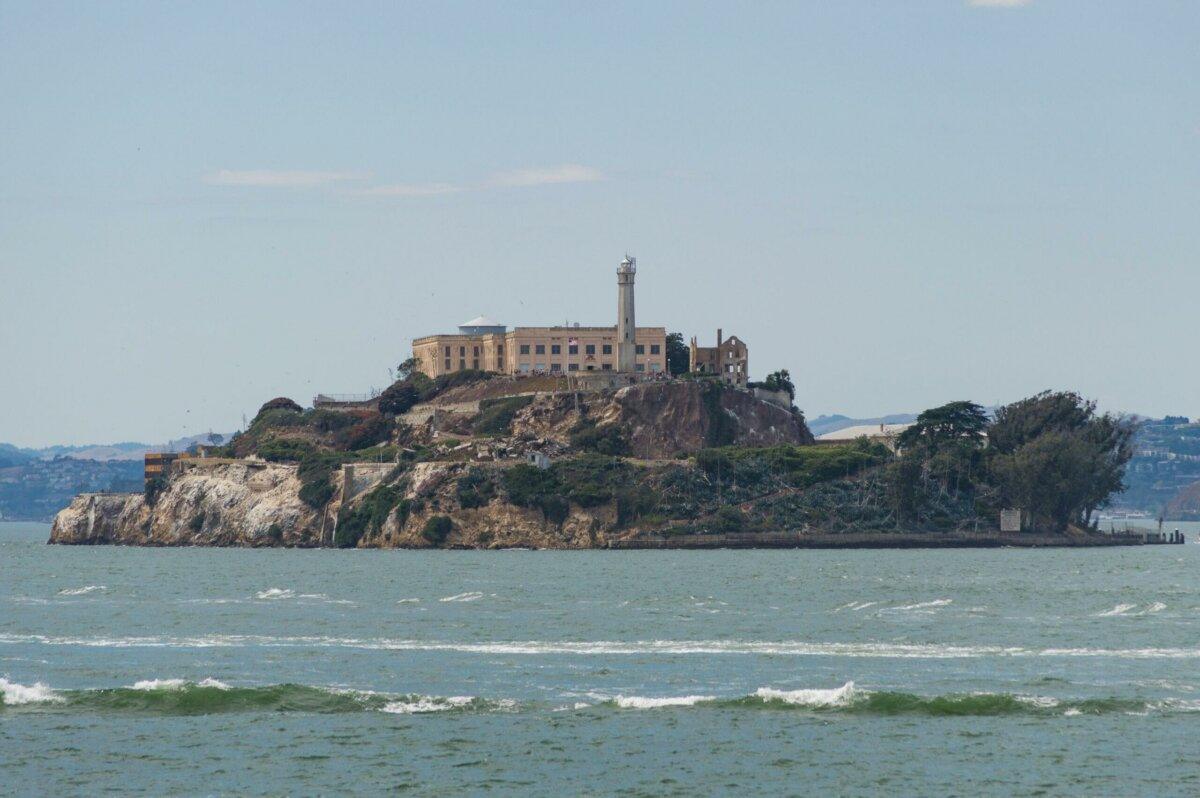
This rocky island hosted a fortress, then a notorious federal penitentiary where Al Capone and “Birdman” Stroud were held. It is now open to visitors and offers a splendid view of the bay.
The Painted Ladies
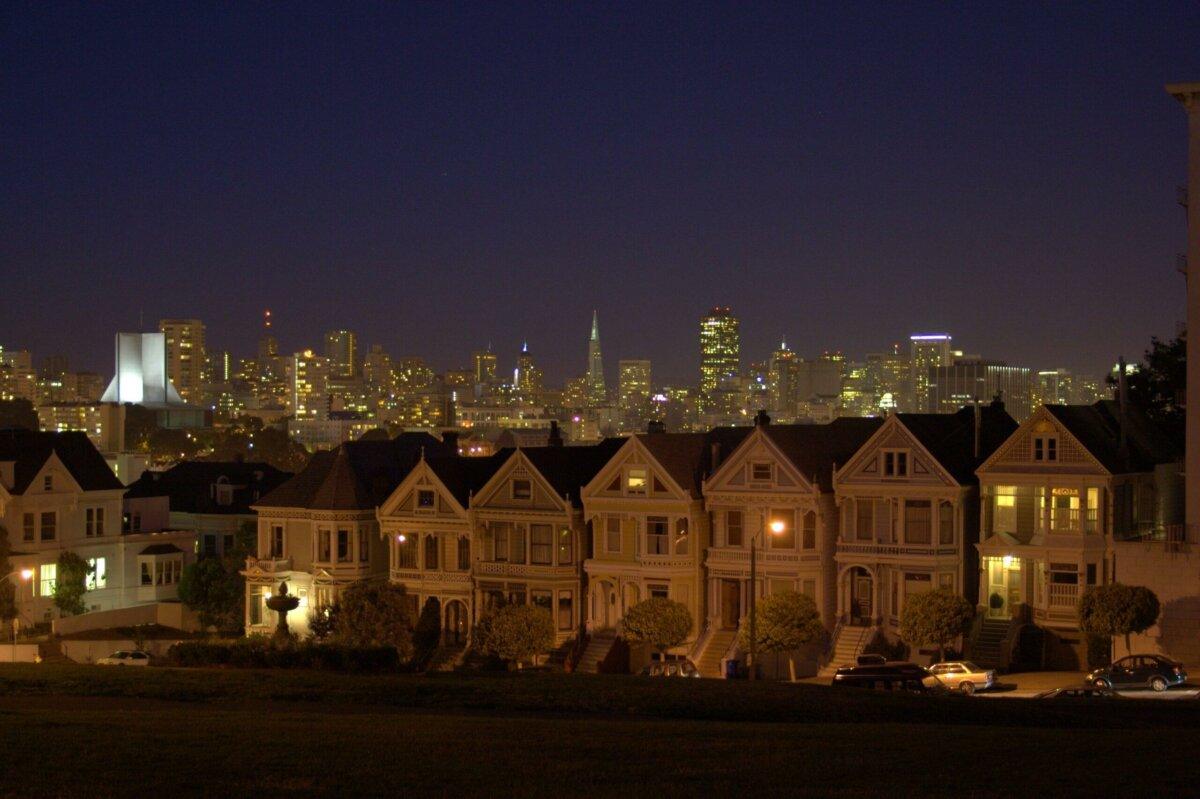
These colorful Victorian houses located on Steiner Street overlook Alamo Square Park. They illustrate 19th-century architecture and offer a picturesque contrast with the downtown skyscrapers.
Fisherman’s Wharf and Pier 39
On the waterfront, this lively neighborhood hosts seafood stands, sea lions, and attractions. It is here that the opening of the Dungeness crab season is celebrated in November with a religious procession followed by a feast.
Chinatown and North Beach
San Francisco’s Chinatown is the oldest in North America and one of the largest. It features temples, markets, and restaurants. Nearby, North Beach evokes Little Italy with its cafes, bookstores, and the legacy of the Beatniks.
San Francisco is also a city of museums: the San Francisco Museum of Modern Art (SFMOMA), the de Young Museum, the California Academy of Sciences, the Asian Art Museum and the Museum of the African Diaspora are among the renowned institutions. Numerous theaters, jazz clubs, and concert halls enliven the city.
Festivals and Events
Throughout the year, the city vibrates to the rhythm of festivals. The San Francisco Pride gathers hundreds of thousands of people in June; the Folsom Street Fair attracts an alternative crowd in September; the Chinese New Year Parade lights up Chinatown in February; Carnaval San Francisco makes the Mission dance in spring; the literary festival Litquake and the music festival Hardly Strictly Bluegrass take place in autumn. The Bay to Breakers footrace, the San Francisco marathon, and the Slow Food Nation day are also part of local traditions.
Culinary Specialties
San Francisco gastronomy blends American, European, and Asian influences. Three culinary emblems illustrate its identity:
The Sourdough of Boudin Bakery
Founded in 1849 by Isidore Boudin, Boudin Bakery is the oldest continuously operating business in San Francisco. It owes its fame to its sourdough bread, made from a “mother” starter dating back to the Gold Rush. Even today, this strain is used to produce “The Original San Francisco Sourdough” served throughout the city.
The Dungeness Crab
For more than a century, the Dungeness crab has been at the heart of culinary traditions. Each year, the opening of the season in November is celebrated with a procession and a blessing of the fishing boats. The stalls at Fisherman’s Wharf offer steamed crab, served as a cocktail or in sourdough rolls.
The Cioppino
This stew of fish and seafood in a tomato sauce, flavored with wine and herbs, is an invention of the Italian fishermen of North Beach in the 1890s. According to legend, those who did not have enough catch would go to their colleagues with a pot asking to “chip in,” hence the name “cioppino.” Popularized by restaurateur Frank Bazzurro, it is now offered in most port restaurants.
These specialties are complemented by clam chowder served in a sourdough bread bowl, Mission District burritos, and Chinatown dim sum.
Transport and Access
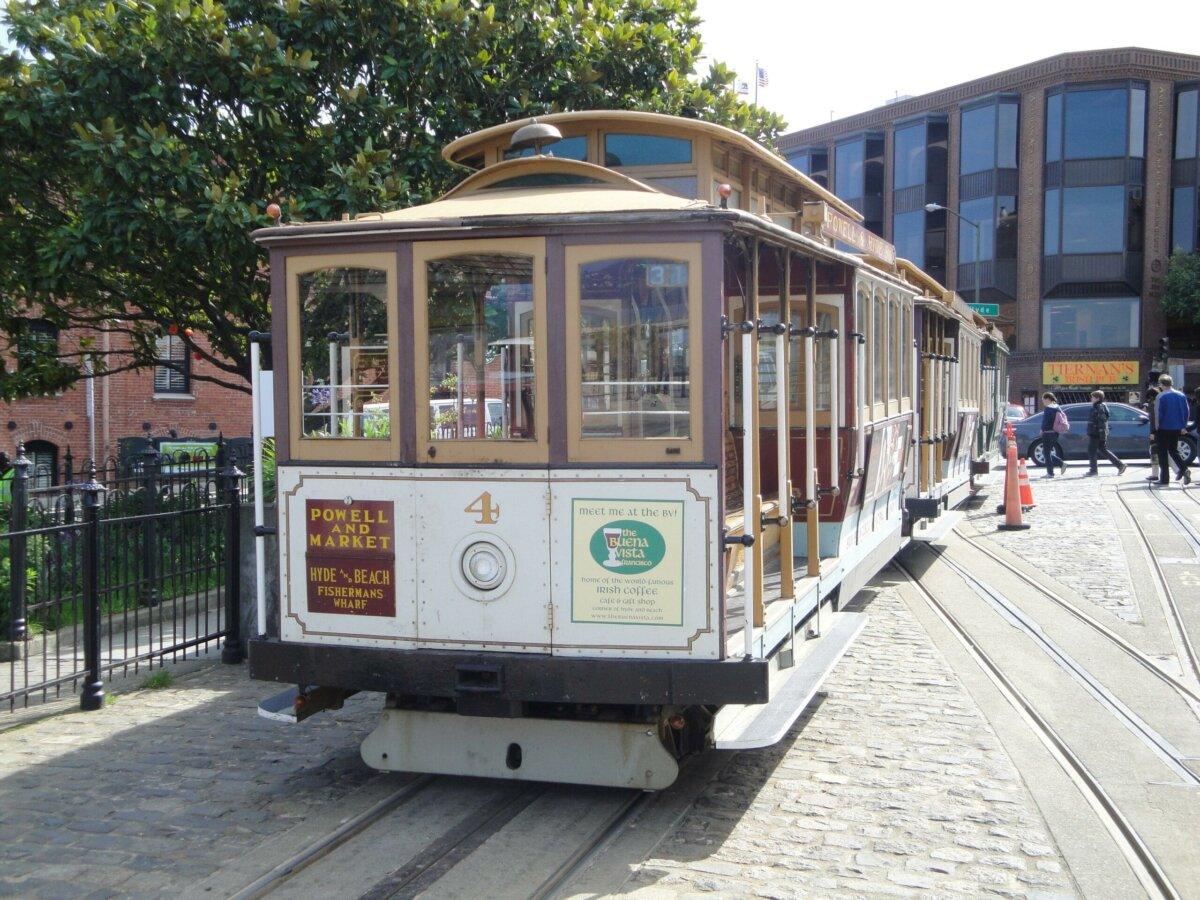
Despite its small size, San Francisco has a dense public transport network. The Municipal Transportation Agency (Muni) operates 69 bus lines and several light rail lines (Muni Metro). More than 560,000 passengers take the buses daily and more than 140,000 use the Muni Metro. The famous cable cars, put into service in 1873, are both a means of transport and a tourist attraction, connecting the steep hills of the city center.
The BART (Bay Area Rapid Transit) connects San Francisco to Oakland, Berkeley, San Francisco International Airport (SFO), and the eastern suburbs. Caltrain serves the peninsula up to San José. Cycling and walking are encouraged by a network of bike lanes; the city aims for the Vision Zero program to reduce accidents. Finally, multiple ferries cross the bay to Sausalito, Tiburon, or Alameda.
Local life: education, sports, and community
San Francisco places great importance on education. The University of California, San Francisco (UCSF) is an institution exclusively dedicated to medical training and health sciences. Ranked among the top five American medical schools, it operates the UCSF Medical Center, the leading hospital in California and fifth in the country. The University of San Francisco, founded in 1855, is the oldest Jesuit university in the American West. San Francisco State University hosts about 30,000 students and offers more than 100 programs. The City College of San Francisco is one of the largest community colleges in the United States with 100,000 enrolled students.
The city is also a sports metropolis. The San Francisco Giants have played in Major League Baseball at Oracle Park since 2000 and attract enthusiastic crowds. The Golden State Warriors, three-time NBA champions, have played at the Chase Center since 2019, accessible by the Muni. The San Francisco 49ers, five-time Super Bowl winners, play at Levi’s Stadium in Santa Clara. Soccer fans can cheer for the San Jose Earthquakes at Avaya Stadium, while the region also hosts the Oakland Athletics and the San Jose Sharks.
The associative fabric is rich: neighborhood associations, amateur sports clubs, artistic organizations, and social initiatives structure daily life. Numerous parks – Golden Gate Park, Presidio, Dolores Park – offer green spaces for picnics, festivals, or sports activities.
Real estate and urban planning
San Francisco is known for having some of the highest real estate prices in the United States. In August 2025, the median home sale price reached $1.3 million, with a price per square foot of about $911. This equates to approximately $9,800 per square meter (≈ €9,200 at 2025 rates). Homes sell on average in 36 days, and about 391 transactions were recorded in August. High demand and land scarcity explain these high prices. Downtown neighborhoods (SoMa, Financial District, Russian Hill) are the most expensive, while some southwest areas like Outer Sunset or Bayview remain more affordable. Numerous affordable housing construction programs are underway to combat the housing crisis.
San Francisco’s urban planning is characterized by grid streets, Victorian houses, modern skyscrapers, and an emphasis on sustainability. The city favors densification near public transportation and encourages green projects (green roofs, solar panels, rainwater harvesting).
Conclusion and outlook
San Francisco is a paradoxical city: both rooted in history and looking towards the future. Its spectacular topography, cultural diversity, economic dynamism, and artistic heritage make it a unique metropolis. But it also faces challenges: managing housing costs, adapting to climate change, and maintaining its social diversity. Despite these issues, the “City by the Bay” continues to inspire and captivate those who live there as well as visitors. Whether you are passionate about architecture, a foodie, an entrepreneur, or simply a traveler, San Francisco has a thousand stories to tell you.
FAQ
What to visit in San Francisco?
The must-sees include the Golden Gate Bridge, Alcatraz Island, the Painted Ladies, Fisherman’s Wharf, and Chinatown. Also don’t miss the cable car, Golden Gate Park, the SFMOMA museum, and the colorful Mission District neighborhood.
What is the population of San Francisco?
In 2025, San Francisco has about 842,000 inhabitants. The 2020 census counted 873,965 people, and Data USA estimates the 2023 population at 836,321.
How to get to San Francisco?
The city is served by San Francisco International Airport (SFO) and Oakland Airport. It is connected by the BART and Caltrain networks to the entire bay area, and by US 101 and I-80 highways to other regions. Visitors can also take ferries from Sausalito or Alameda.
What are the nice neighborhoods in San Francisco?
Each neighborhood has its character: Pacific Heights and Russian Hill offer beautiful views; Mission District is trendy and artistic; Haight-Ashbury retains the hippie spirit; Richmond and Sunset are more residential. Your choice will depend on your lifestyle.
What is the price of real estate in San Francisco?
The median sale price is about 1.3 million dollars, or $911 per square foot (≈ $9,800 per m²). Central neighborhoods often exceed these values, while the southern and western outskirts offer more moderate prices.