The origins and historical evolution of Strasbourg
The history of Strasbourg dates back to the Roman era, when the city was founded under the name Argentoratum in 12 BC. This strategic military camp along the Rhine gradually transformed into a flourishing city. After the fall of the Roman Empire, the city underwent several name changes before becoming “Strasbourg,” derived from the German “Straßburg” meaning “city of roads.”
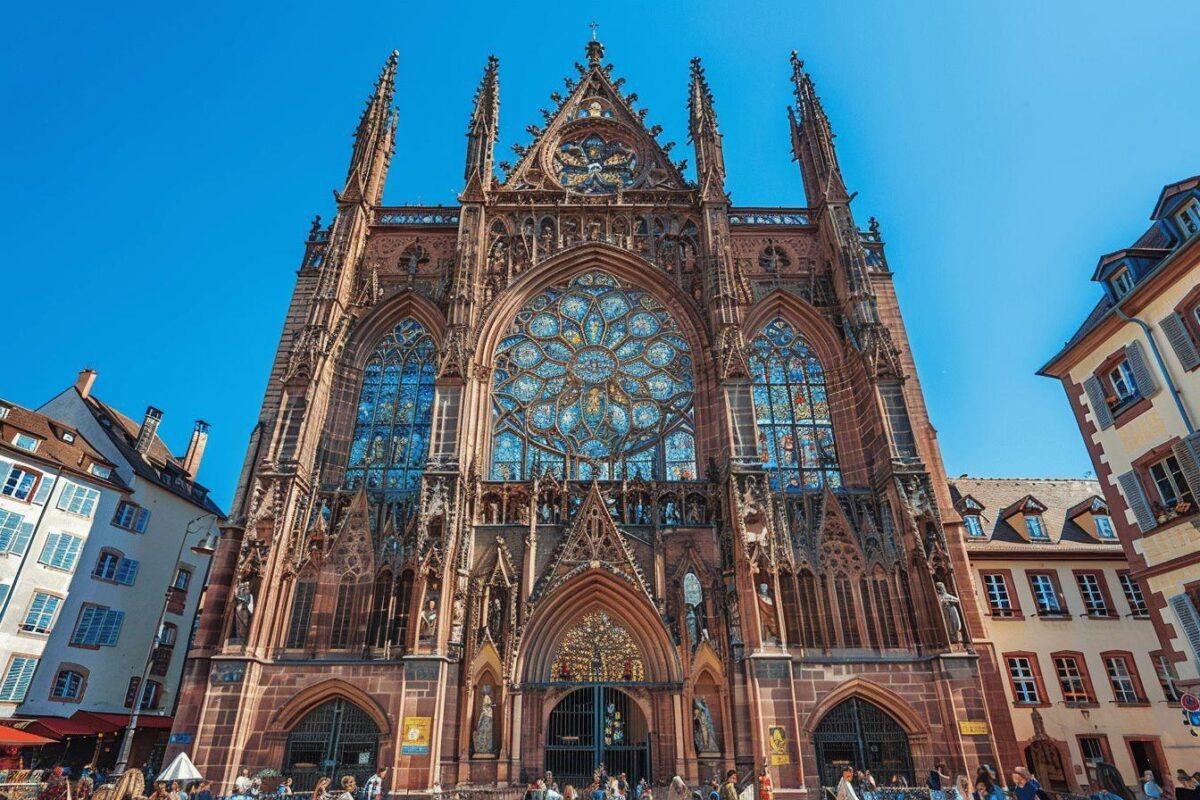
In the Middle Ages, Strasbourg established itself as a free city of the Holy Roman Empire. This period saw the emergence of a powerful bourgeoisie and the beginning of the construction of its emblematic cathedral. The monument, whose spire reaching 142 meters remained the tallest structure in the Christian world until the 19th century, still testifies to this glorious era today.
The Renaissance marked a major turning point with the invention of the printing press by Gutenberg, who stayed in Strasbourg between 1434 and 1444. The city then became a major intellectual and cultural center in Europe. It was also during this period that the Protestant Reformation firmly took root, making Strasbourg a predominantly Lutheran city for several centuries.
The year 1681 was a pivotal date: Louis XIV annexed Strasbourg to the kingdom of France. The city then began a slow architectural and cultural transformation, while retaining its Alsatian particularities. After the Franco-Prussian War of 1870, Strasbourg became German again until 1918, a period that deeply marked its urbanism with the construction of the imperial district (Neustadt).
The cultural particularities that define Strasbourg’s identity
Strasbourg stands out thanks to its bilingualism and its Franco-German cultural blend. The Alsatian dialect, still spoken today by many inhabitants, is a pillar of local identity. This dual belonging is also reflected in gastronomy, architecture, and traditions.
Strasbourg gastronomy perfectly represents this cultural fusion. Here are some emblematic specialties:
- Choucroute garnie, the quintessential traditional dish
- Baeckeoffe, a stew of meats and vegetables in white wine
- Flammekueche or tarte flambée
- Pretzels, indispensable in Alsace
- Gingerbread, particularly popular during the Christmas season
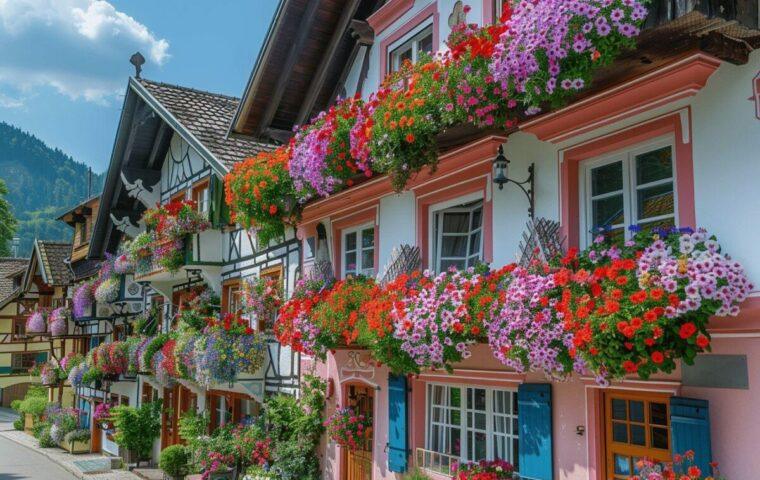
Strasbourg’s architecture reflects this cultural richness. In the Grande Île, listed as a UNESCO World Heritage site since 1988, half-timbered houses stand alongside buildings in the Rhenish Renaissance style. The Petite France district, with its canals and old tanneries, offers one of the most picturesque and authentic urban landscapes in France.
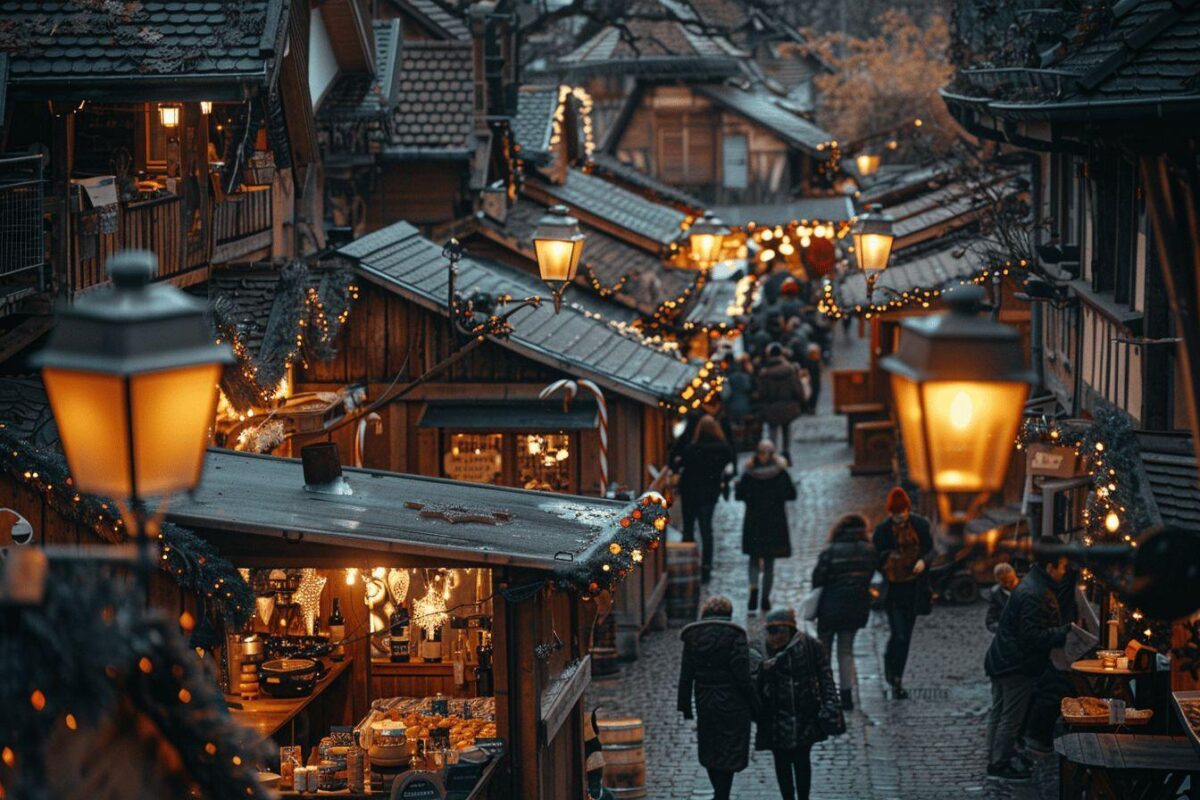
The Strasbourg calendar is marked by unique cultural events. The Christmas market, whose origins date back to 1570, attracts more than 2 million visitors each year, making Strasbourg the “Capital of Christmas.” During Advent, the city is adorned with magical decorations and offers seasonal culinary specialties such as mulled wine and bredele (small Christmas cookies).
| Period | Affiliation | Major cultural influence |
|---|---|---|
| 12 BC – 5th century | Roman Empire | Urban foundation, infrastructure |
| 1262 – 1681 | Free Imperial City | Political autonomy, economic growth |
| 1681 – 1870 | France | Francization, classical architecture |
| 1871 – 1918 | Germany | Modern urbanism, imperial district |
| Since 1945 | France/Europe | European institutions, multiculturalism |
Strasbourg, European crossroads and city of the future
Today, Strasbourg holds a privileged position on the European chessboard. Seat of the Council of Europe since 1949, the European Parliament since 1979, and the European Court of Human Rights, the city has established itself as one of the institutional capitals of the European Union. This international status has profoundly transformed its appearance and economy.
The European district, with its contemporary buildings such as the European Parliament designed by the French architect Architecture Studio, illustrates this international dimension. This institutional presence attracts a cosmopolitan population and energizes the local economy, notably in the service and innovation sectors.
A university city since 1538, Strasbourg now hosts more than 50,000 students. The University of Strasbourg, merged in 2009, is among the most prestigious in France and counts several Nobel laureates among its alumni. This academic tradition nurtures a particularly dynamic innovation ecosystem, especially in biotechnology and medical technologies.
Sustainable development is another strong axis of contemporary Strasbourg identity. A pioneer in developing public transport with its tram network, the city actively encourages soft mobility. With more than 600 km of bike lanes, Strasbourg establishes itself as the top cycling city in France, reflecting its environmental commitment and vision for the future.
FAQ about Strasbourg
When was the city of Strasbourg founded?
Strasbourg was founded by the Romans in 12 BC under the name Argentoratum.
What is Strasbourg’s main cultural particularity?
Its dual Franco-German culture which is expressed in its language (Alsatian dialect), architecture, gastronomy, and traditions.
Why is Strasbourg considered a European capital?
It hosts several major European institutions: the Council of Europe, the European Parliament, and the European Court of Human Rights.
When does the famous Strasbourg Christmas market take place?
It takes place during the Advent period (late November to late December) and has existed since 1570, making it one of the oldest in Europe.
What are the must-see neighborhoods to visit in Strasbourg?
The Grande Île (historic center), Petite France with its half-timbered houses, the Neustadt (German imperial district), and the European district.