Venice is explored on foot and by vaporetto, with crowds varying depending on the season. Here you will find the essentials: ideal periods, ACTV pass and indicative prices for 2025, ready-to-use itineraries, local rules (including the contributo di accesso) and anti-crowd tips. Goal: clear planning, avoid pitfalls, enjoy the must-sees without rushing.
Sommaire
Verdict & summary (80–120 words)
Verdict — Venice remains magical if you respect its rhythm: early rising, secondary neighborhoods (Cannaregio, Dorsoduro, Castello), islands outside peak times, and the ACTV pass if you make multiple crossings. The mildest period: April-May and September-October. In 2025, the access fee for day-trippers was tested then suspended at the end of July; a new schedule is announced for 2026 (targeted days in spring/summer). Overall rating: 8.7/10. Recommended for: art enthusiasts, photographers, strollers, patient families, and travelers ready to walk… a lot.
Strengths & limitations
- Unique heritage: Gothic palaces, St. Mark’s Basilica, Doge’s Palace, iconic bridges.
- Pedestrian city: short distances, photogenic alleys, efficient vaporetti.
- Oenology & bacari: cicchetti, spritz, Rialto markets.
- Lagoon islands: Murano (glass), Burano (colors), Torcello (silence).
- Limitations: overcrowding at St. Mark’s/Rialto, lagoon prices, museum queues at certain times.
Methodology & transparency
This guide cross-references: official data (ACTV transport, Venezia Unica), municipal announcements (schedule of contributo di accesso), technical files (MOSE) and field feedback. Criteria: access (flows, schedules), budget (transport tickets), useful time, itinerary readability, sustainability (local rules), weather. Limitations: prices and measures may evolve; always check the official page before your departure.
When to go to Venice (weather, crowds, events)
April-May and September-October offer mild temperatures, ideal light, and manageable crowds. July-August is hot and very busy; November-January can have episodes of acqua alta, mitigated by the mobile MOSE barriers put into service in recent years.
| Period | Crowds | Weather | Advice |
|---|---|---|---|
| Apr-May | Moderate | 15–22 °C | Book museums in the morning, islands in the afternoon. |
| June | High | 24–28 °C | Early rising, nap, photography at sunset. |
| Jul-Aug | Very high | Hot | Favor Dorsoduro and Castello, book in advance. |
| Sep-Oct | Moderate | 18–24 °C | Grand Canal by vaporetto line 1 off-peak hours. |
| Nov-Jan | Variable | Humid/cool | Bring light boots if tide alert. |
“The mobile barrier system effectively protects Venice from high tides, but its use is becoming more frequent with rising sea levels.” Nature, 2024
Getting Around: On Foot & by Vaporetto (ACTV)
The historic center is explored on foot. For long crossings (Grand Canal, Lido, islands), use the ACTV vaporetti and, if needed, the airport shuttle Alilaguna (separate fares). ACTV tickets can be purchased at Venezia Unica counters, ticket machines, resellers, online, or via the AVM Venezia app.
| Ticket | Validity | Indicative Price 2025 | Includes |
|---|---|---|---|
| Ordinary 75’ | 75 minutes | € 9.50 | ACTV urban network (water + bus/tram) |
| Pass 24 h | 24 hours | € 25 | Vaporetti + bus/tram |
| Pass 48 h | 48 hours | € 35 | Vaporetti + bus/tram |
| Pass 72 h | 72 hours | € 45 | Vaporetti + bus/tram |
| Pass 7 days | 168 hours | € 65 | Vaporetti + bus/tram |
| Rolling Venice (6–29 years) | 72 hours | € 27 | Special discount (at Venezia Unica counters) |
2025 rates aligned with official schedules; check latest prices before purchase.
“Tickets via Venezia Unica agencies, machines, resellers, online or from the AVM app: multiple payment options.” AVM/ACTV, 2025
Express Itineraries (1 to 3 days)
Day 1 — Saint Mark & Grand Canal
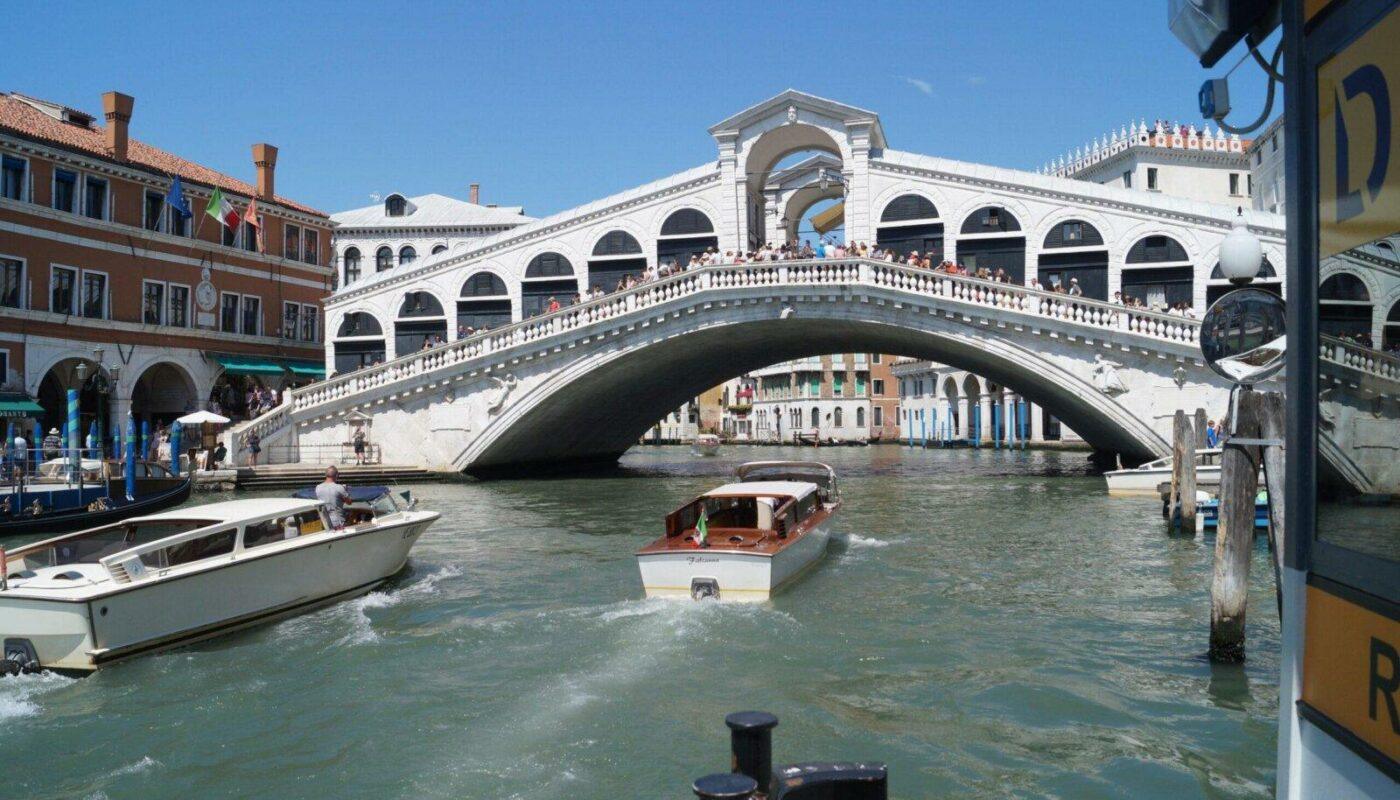
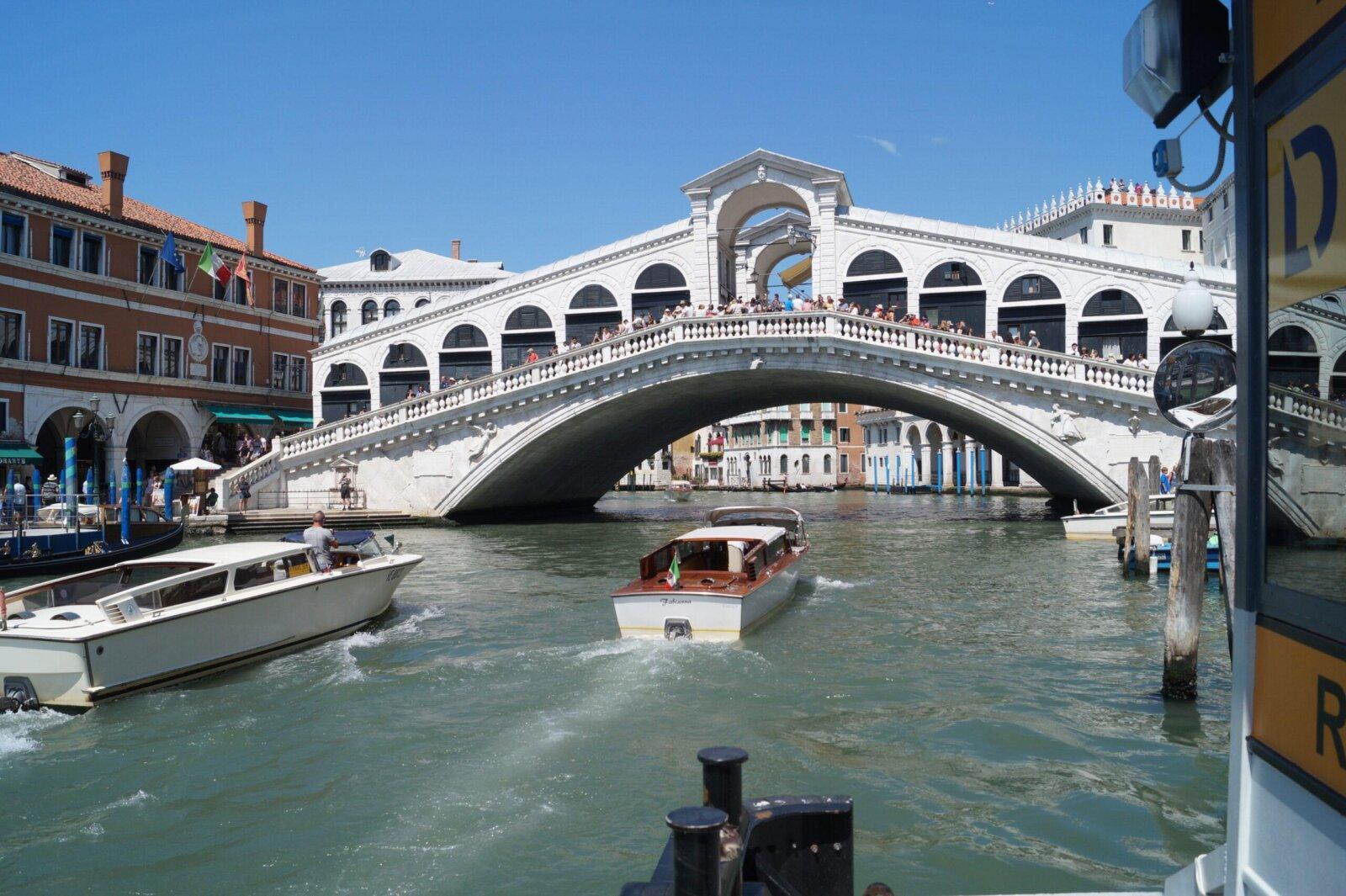
At dawn, Piazza San Marco, Basilica (recommended reserved access), Campanile, Doge’s Palace (secret route if available). In the afternoon, Vaporetto Line 1 for an “open-air museum” along the Grand Canal; stop at Rialto and Accademia.
Day 2 — Dorsoduro & Zattere
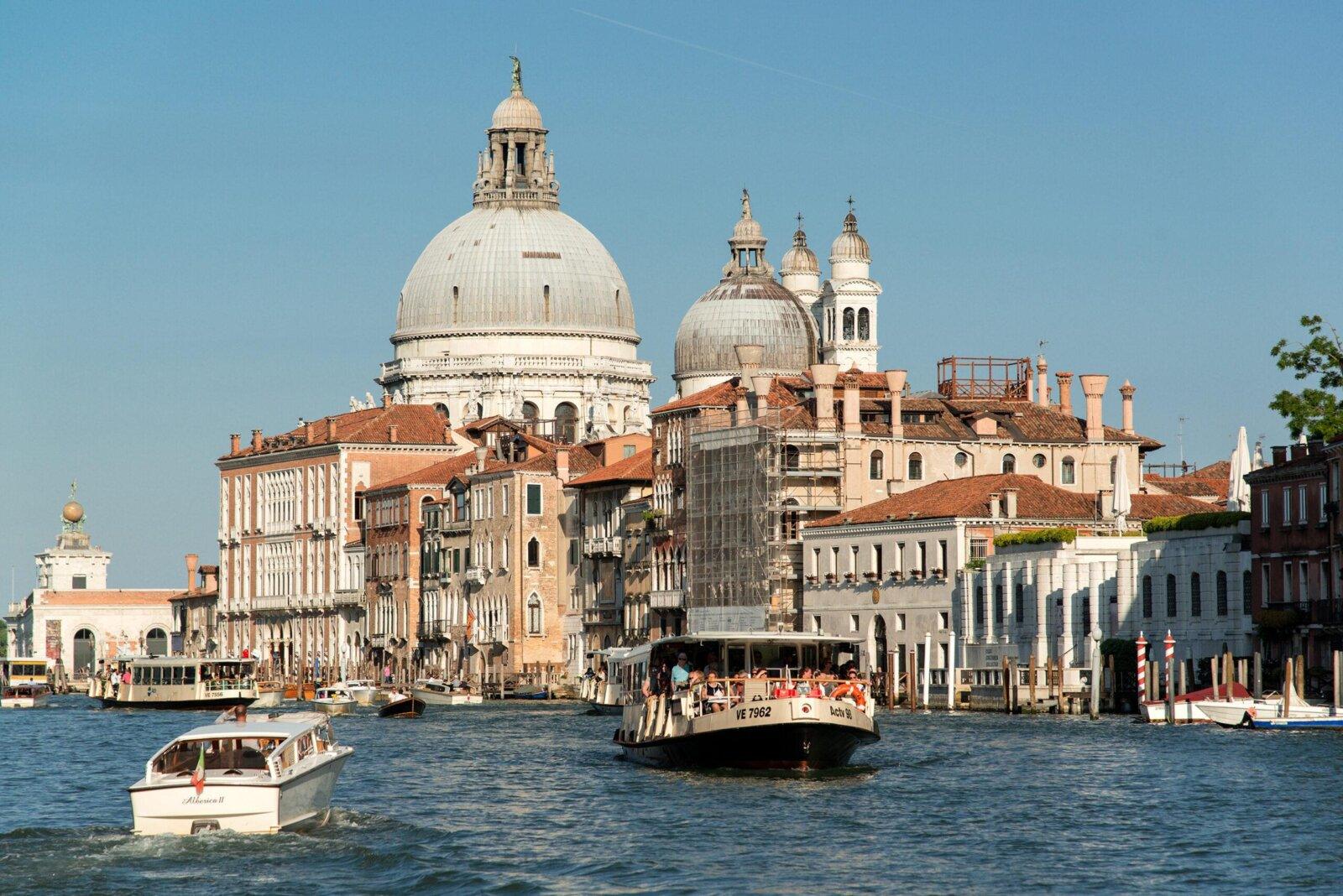
Fondamente Zattere, Punta della Dogana, Santa Maria della Salute, museums (Gallerie dell’Accademia, Peggy Guggenheim). Evening bacari in Cannaregio (cicchetti), return via Strada Nova.
Day 3 — Islands of the lagoon
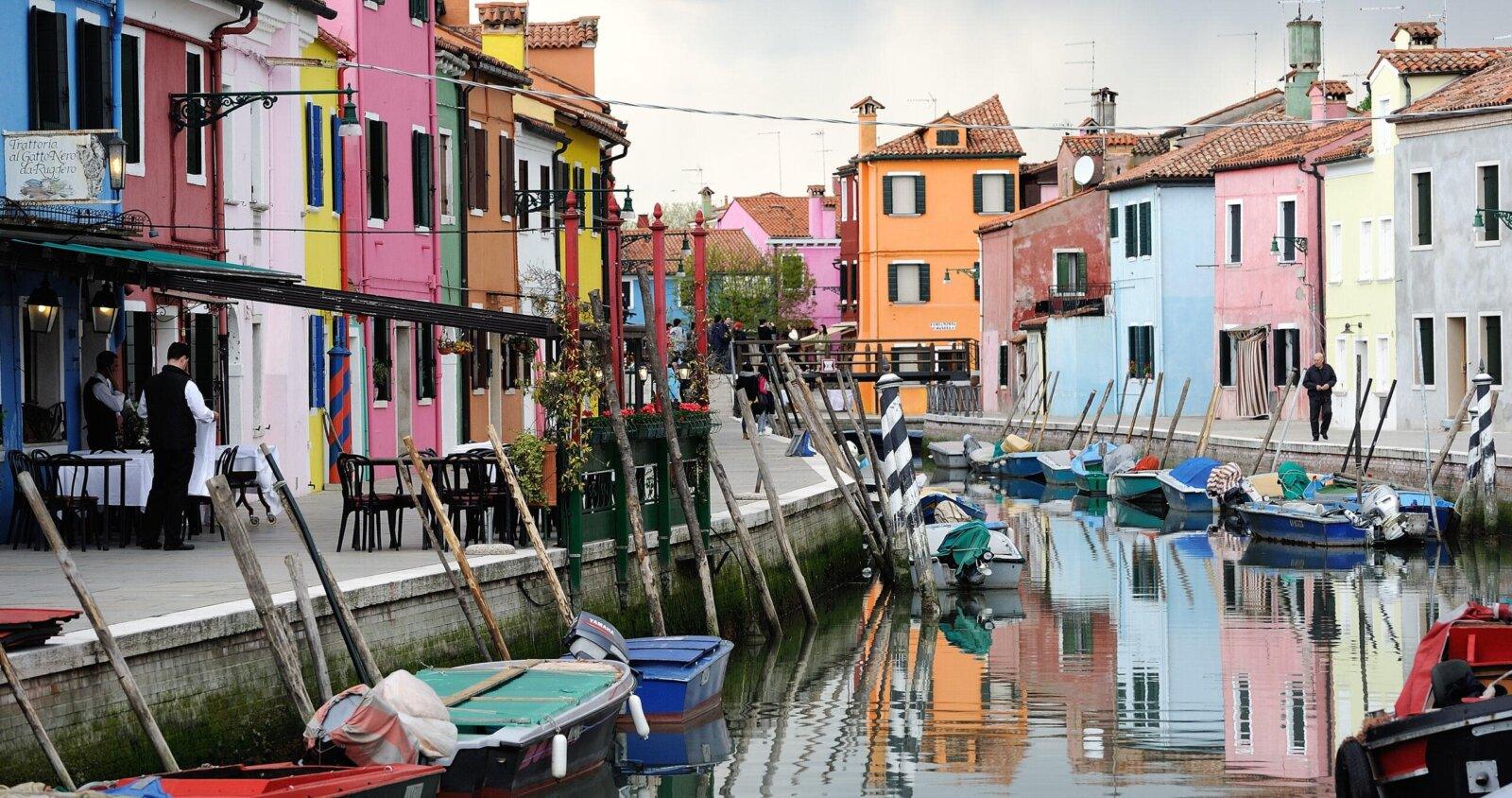
Murano in the morning (glassworks), Burano in the afternoon (colorful houses, lace), peaceful detour to Torcello if you have time. Line 12 from Fondamente Nove.
Budget & practical tips
- ACTV Pass: cost-effective from 3–4 trips/day; validate each boarding.
- Gondola: private ride, regulated fare; choose the small canals for charm.
- Museums: book morning slots; favor weekdays.
- Avoid crowds: Saint Mark’s before 8 a.m. or after 6 p.m.; target Dorsoduro/Castello at noon.
- Photo: golden hour on the Salute, blue hour at the Bridge of Sighs.
- Tides: monitor Centro Maree alerts; temporary walkways deployed if needed.
Local rules, access fee & acqua alta
Access fee (contributo di accesso) — 2025: trial in spring-summer, lifted from July 28, 2025. 2026: announced resumption from April 3 on a calendar of targeted days (usually weekends/holidays) with time slots (8:30 a.m.–4 p.m.). Travelers staying in Venice remain exempt but must register. Check the official page before your visit.
“The trial period for the Access Fee in 2025 has ended; starting July 28, the fee is no longer in effect.” Venezia Unica, 2025
Acqua alta & MOSE — High tide episodes persist in autumn/winter. The MOSE system now protects key areas and has been activated multiple times, with demonstrated overall effectiveness, even though usage frequency increases with rising sea levels.
Must-sees (expert selection)
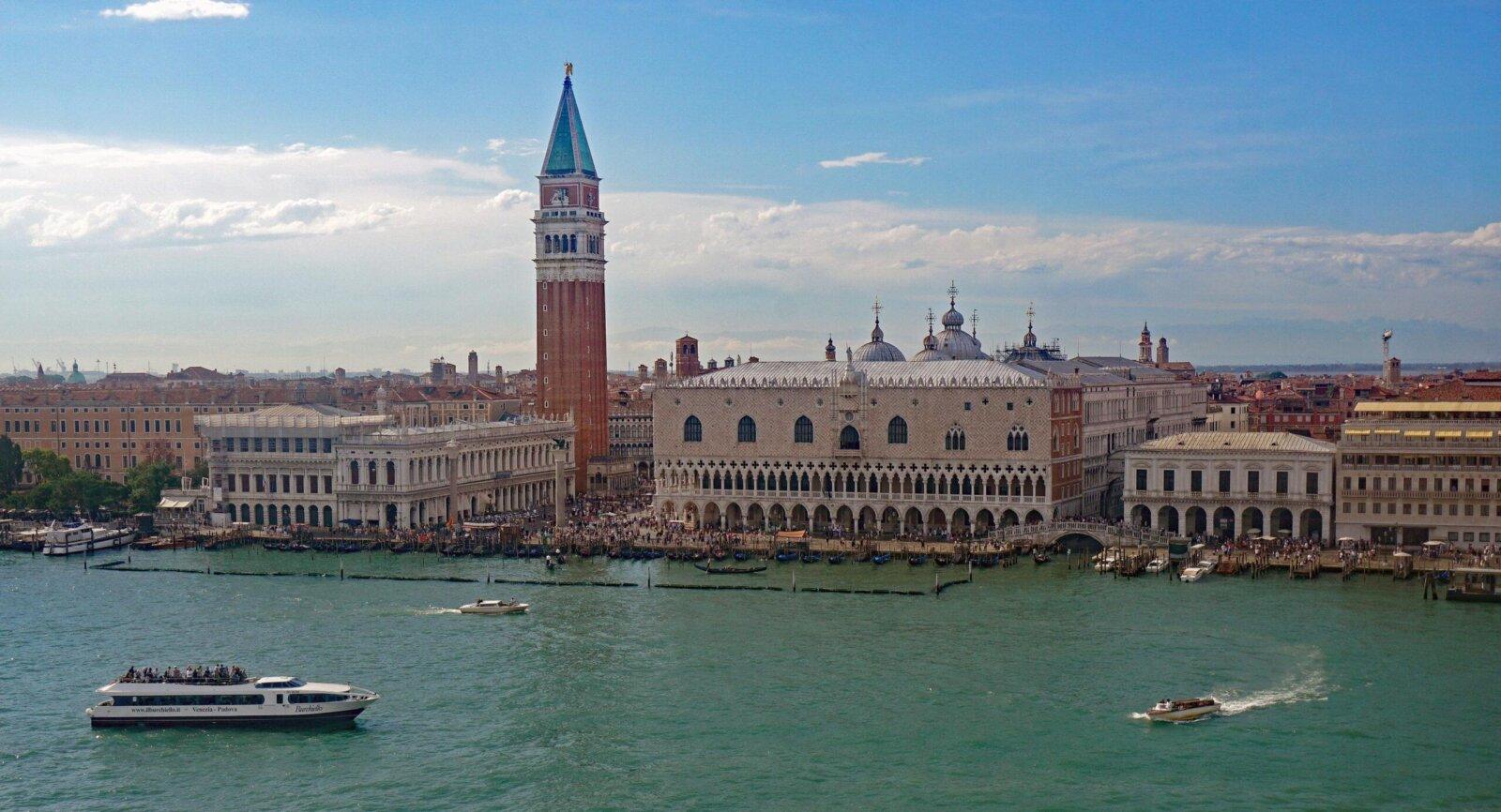
- Saint Mark’s: Byzantine basilica, mosaics, terrace; follow with the Campanile.
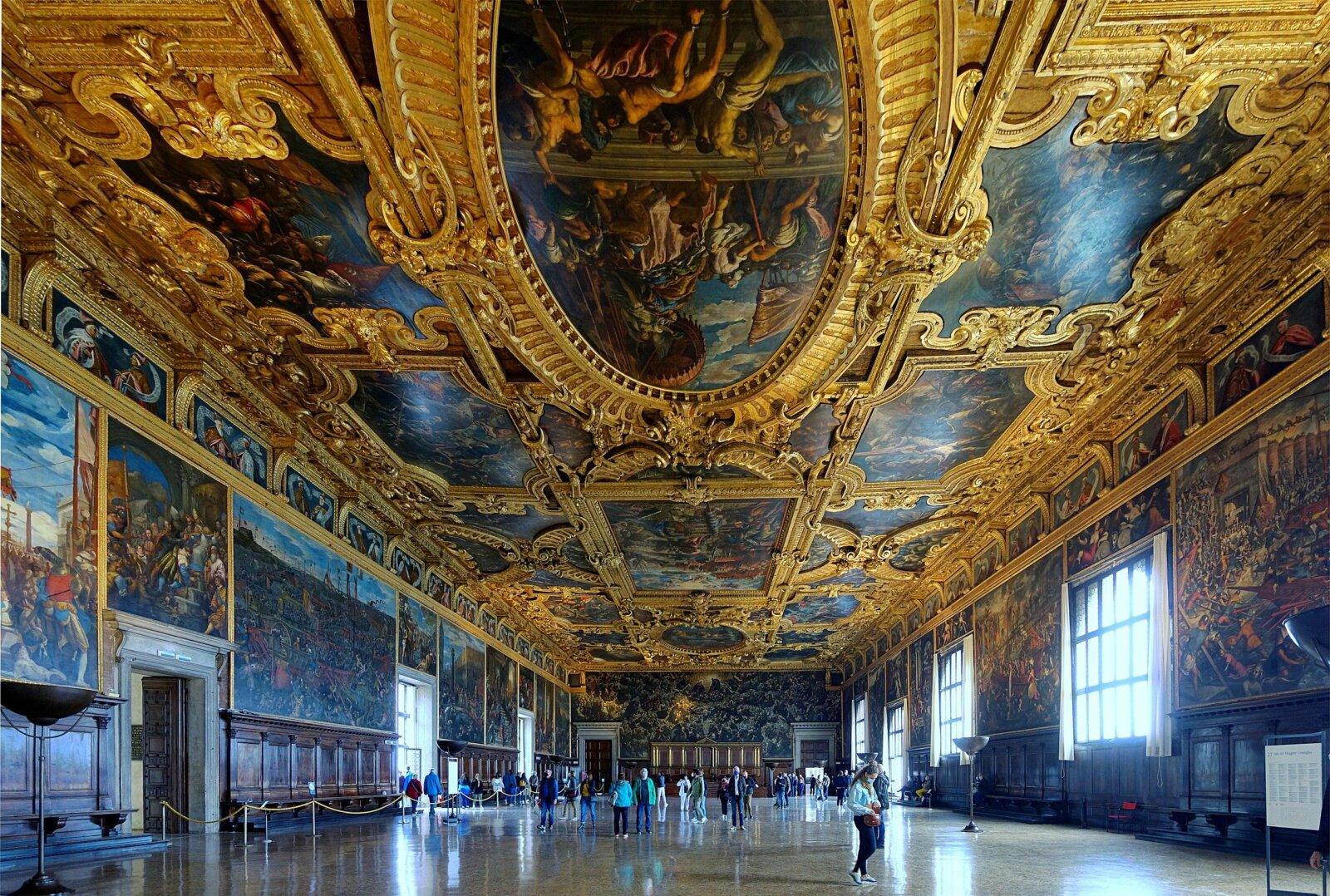
- Doge’s Palace: secret itineraries if available; Bridge of Sighs from inside.
- Grand Canal: ACTV line 1 from end to end, stops at Rialto, Ca’ d’Oro, Accademia.
- Scuola Grande di San Rocco: Tintoretto; grazing light at the end of the day.
- Dorsoduro: Punta della Dogana, Guggenheim, Zattere at sunset.
- Cannaregio: Ghetto, fondamenta de la Misericordia (cicchetti).
- Murano & Burano: glassworks, colors, leaning bell towers; Torcello for tranquility.
“A full trip on Vaporetto Line 1 is an open-air architecture history lesson.” Route tip
FAQ — Venice in practice
Is the “access fee” currently required?
As of 2025, the trial phase ended July 28; the city announces targeted paid days for 2026. Check the exact dates and possible exemptions before your visit.
Which transport pass to choose?
24–48 hours for an active weekend; 72 hours if you are going to the islands; 7 days for a long stay. Under 30s can request Rolling Venice (72 hours at a reduced rate).
Where to buy ACTV tickets?
Venezia Unica ticket offices, machines at stops, resellers, online or via the AVM app. Remember to validate each time you board.
Acqua alta: what to do?
Monitor the tide alert; temporary walkways are installed if needed and the MOSE system protects sensitive areas during peaks. Thin boots are usually sufficient.
Gondola or vaporetto?
The gondola is a private and romantic experience; the vaporetto is the public transport to cross the city and lagoon.
Neighborhoods to stay?
Dorsoduro for calm and museum access, Cannaregio for local life, San Marco for the hyper-central (noisier/more expensive), Castello for space.
With children?
Choose accommodation near an ACTV stop, plan breaks (campi with open spaces) and short but regular visits.
I have 24 hours: the best in a short time?
Sunrise at Saint Mark, Doges first slot, Grand Canal on line 1, end of day at Dorsoduro (Zattere, Salute).
Museums: useful skip-the-line?
Yes to the Palace of the Doges and Basilica time slots in high season. Elsewhere, arrive right at opening.
Actionable conclusion
If you are coming for 2–3 days: book a 48–72 h pass, stay in Dorsoduro (or Cannaregio), schedule Doges + Grand Canal on day 1, museums/lagoon on day 2, islands on day 3. Before leaving: check the 2026 calendar for the access fee, your ACTV tickets, and the tide alert. Good, clear, efficient.