Why Choose Anti-Inflammatory Foods?
Inflammation, in its acute state, helps defend against external aggressions. But when it persists over time, it becomes insidious: rusty joints, digestive disorders, muscle pain… Symptoms vary from one individual to another. By targeting certain compounds – polyphenols, omega-3s, curcuminoids – we limit the production of pro-inflammatory mediators. Incorporating these ingredients reduces the release of cytokines, those messengers responsible for discomfort, and contributes to a better overall state.
Inflammation Mechanisms and the Role of Diet
At the cellular level, chronic inflammation is characterized by a deregulation of macrophages and lymphocytes. These immune cells release a chemical cocktail (TNF-α, interleukins) which, in excess, damages tissues. This is precisely where certain nutrients intervene: omega-3s from fatty fish, for example, promote the production of resolvins, molecules responsible for “turning off” inflammation. Similarly, antioxidants present in red fruits trap free radicals before they activate this repetitive process.
Key Foods to Adopt Daily
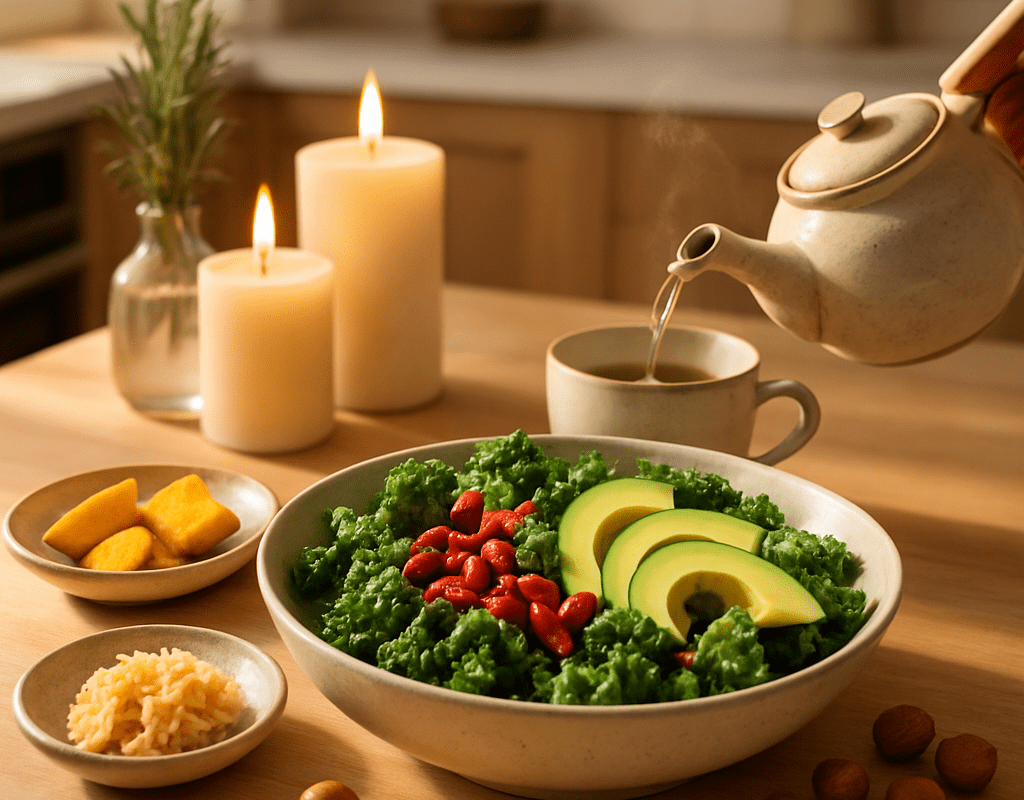
Each category of ingredients can find its place at breakfast, lunch, or dinner. The idea is not to radically change your diet, but to alternate and combine these foods to benefit from a cumulative effect.
Colorful Fruits and Vegetables
- Red fruits (strawberries, blueberries, raspberries): rich in anthocyanins, they protect blood vessels.
- Cruciferous vegetables (broccoli, kale, cauliflower): they contain isothiocyanates, powerful detoxifiers.
- Spinach and chard: provide vitamin K and magnesium, two allies against inflammatory reactions.

Powerful Spices and Aromatics
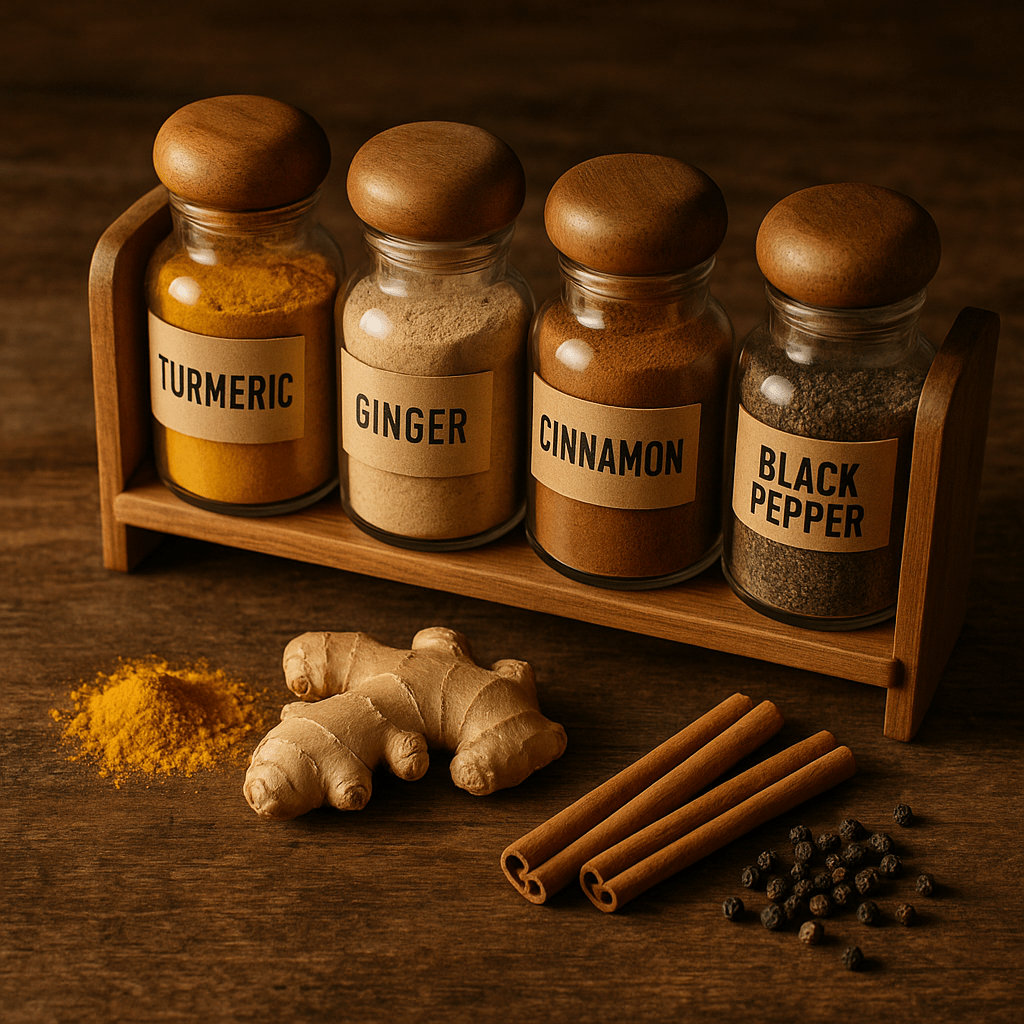
The golden powder, also known as turmeric, pairs perfectly with black pepper to increase its absorption. Fresh ginger, for its part, is added to infusions or freshly pressed juices. A pinch of cinnamon or clove is often added to create a complex aromatic profile and fight free radicals on multiple levels.
Healthy Oils and Fats
Extra virgin olive oil is a must-have, thanks to its rich profile of monounsaturated fatty acids and polyphenols. You can also vary with canola oil, which provides an optimal omega-3/omega-6 ratio. In gentle cooking or in vinaigrettes, they retain their anti-inflammatory properties and subtly enhance dishes.
Practical Tips to Incorporate These Ingredients
- Plan a “smoothie bowl” day: blend red fruits, spinach, plant-based milk, and a spoonful of chia seeds.
- Prepare a “homemade powder”: turmeric, pepper, cinnamon, ginger, to sprinkle over roasted vegetables.
- Increase composed salads: add steamed broccoli cubes, avocado, sunflower seeds, and a drizzle of olive oil.
- Place a bottle of olive oil near the table for easy seasoning.
- Alternate drinks: ginger-lemon infusion, matcha green tea, turmeric herbal tea to vary the pleasures.
Precautions and Contraindications
While diet plays a central role, it does not replace prescribed treatment. Some spices (high-dose turmeric, ginger) can interact with anticoagulants. In case of pregnancy, allergies, or specific pathologies, medical advice is necessary. Moreover, digestive tolerance varies: start with small amounts and adjust according to the body’s reaction.
FAQ
Which fruits are the most anti-inflammatory?
Berries (blueberries, blackberries, raspberries) concentrate anthocyanins that neutralize free radicals and slow inflammation. Black cherries, for their part, contain quercetin, a sulfur compound with similar properties.
How often should turmeric be consumed?
To benefit from its effects, it can be integrated daily, at a rate of ½ to 1 teaspoon, combined with a fat (olive oil) and a bit of black pepper to optimize bioavailability.
Do anti-inflammatory foods replace medical treatment?
No, they are a natural dietary supplement. In case of confirmed chronic inflammation, they should be considered as support but should not interrupt a prescription without professional advice.
Are there foods to avoid?
Processed products, rich in fast sugars and hydrogenated oils, promote inflammation. Excess red meat can also contribute to an overload of arachidonic acid, a precursor of inflammatory molecules.