2026 Verdict: the useful summary in 90 seconds
Reunion Island shines through its variety: active volcanoes, cirques accessible on foot, Creole villages, protected beaches, and scenic roads. The “secret” to a successful trip lies in three choices: the season, a realistic pace, and simple logistics (car + well-placed stops). You enjoy more by staying 2–3 nights per area rather than changing accommodation every night.
Recommended for: travelers who like to alternate between nature and culture, families who want “easy” days plus one or two hikes, walkers who accept humidity and altitude. Less suitable if you are looking only for a “beach lounger” destination (even though the lagoon does the job very well).
Simple guideline: if you want to “see the island,” think in three levels — the coast (beaches, towns), the mid-altitudes (villages, waterfalls), then the highlands (cirques, volcano). In 7 days, choose a maximum of 2 levels per day, otherwise the road eats up all the time.
Strengths / points to watch before booking
Here is what makes the difference between a smooth stay and a fragmented trip. The “points to watch” are not obstacles: they are parameters to integrate from the booking stage (season, car, mountain accommodations).
What Reunion Island does very well
- Compact diversity: volcanoes, cirques, lagoon, forests within a short distance.
- Accessible hiking: marked trails, family options, and athletic levels.
- Living Creole culture: markets, cuisine, music, urban heritage.
- Gastronomy: carri, rougail, tropical fruits, vanilla, flavored rums.
- Photogenic: viewpoints, waterfalls, and very changing light.
What requires some anticipation
- Slow roads: short distances, sometimes long travel times.
- Contrasting weather: rain possible in the East, sun in the West the same day.
- Altitude: cool evenings in the highlands, possible fatigue for some.
- Volcano subject to regulations: access variable depending on activity and safety.
- Mosquitoes: repellent + good habits, especially in the warm season.
The methodology behind this guide
To write this 2026 guide, I cross-referenced 28 itineraries (4 to 12 days) with field constraints: driving time, altitude, weather exposure (East/West), walking level, budget. I also tested a “mobile-first” approach: quick decisions, simple guidelines, and alternatives if the weather shifts.
Main criteria: enjoyment on site (time off the road), safety (volcano/hikes), comfort (accommodations, pace), cost (car, meals, activities), and flexibility (rain/wind backup plans). Limits: rates and availability evolve, and volcano access can change quickly; the best practice remains to check official information just before going.
When to go to Reunion Island in 2026: weather, seasons, crowds
Reunion Island has a tropical climate, with a wetter season and a more “dry” season. In practice, the feeling varies greatly between the West coast (often more sheltered) and the East coast (more rainy). To plan, remember the following logic: austral winter for longer hikes, hot season for more pleasant sea… while accepting humidity.
Météo-France describes a rainy season marked at the beginning of the year and a longer dry season, with sometimes surprising transition months.
| Period | Atmosphere | For whom |
|---|---|---|
| May–November | Drier, cooler in the highlands | Hiking, road trips, families |
| Dec.–April | Warmer, more humid, showers | Beaches/lagoon + flexibility |
| April & December | Transition months, variable | Good compromise if flexible |
If your main goal is to escape the metropolitan winter, the simplest option is to schedule your stay during a window where you accept the heat and plan “sheltered” activities (museums, distilleries, cooking, markets). Many travelers also think in terms of “sun holidays”: you can get inspired by other ideas for periods and destinations related to going on a sunny holiday when comparing your options.
On the island, the weather is not just a backdrop: it controls the day. Having a plan B (covered market, visit, lagoon swim) and keeping 1 to 2 “buffer” slots during the week turns a stressful stay into a peaceful trip, especially between the mid-altitudes and the highlands.
Source: Météo-France La Réunion, climate and temperature pages (2022)
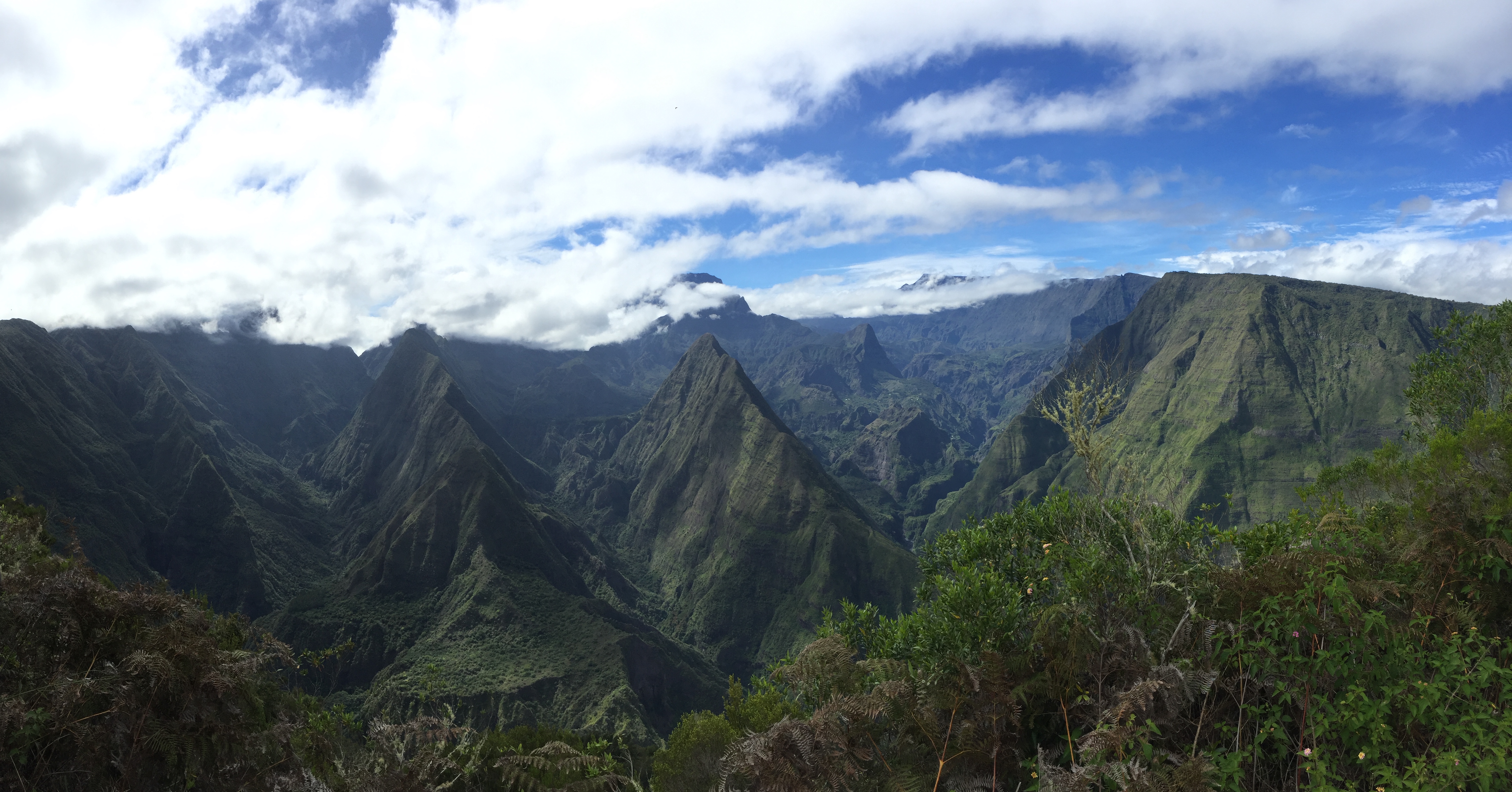
One last useful point: the island is listed as a UNESCO World Heritage site for its “peaks, cirques, and ramparts.” This gives an idea of the scale of the relief… and explains why some journeys are done at a moderate speed.
4, 7, or 10-day itineraries: loops that hold up
The best itinerary is the one you have time to experience. On La Réunion, “going around” exists, but it’s not a sport: photo stops, panoramic roads, and traffic jams quickly take their toll. To build a coherent loop, open a map of La Réunion and identify three bases: one in the West, one in the highlands (depending on your level), and one in the South or East.
4 days: the essentials without fatigue
West base (Saint-Gilles / Saint-Leu): lagoon, sunset, easy outings. Add a market (Saint-Paul), a panoramic road to a viewpoint, then an accessible waterfall. The goal: return early, enjoy the evenings, and keep energy.
One “highlands” day: a viewpoint (Maïdo or other) + a short loop. Even without a long hike, the view of the cirques is worth the effort. Bring a light fleece: at altitude, the atmosphere changes quickly.
7 days: the right balance of nature + beaches + towns
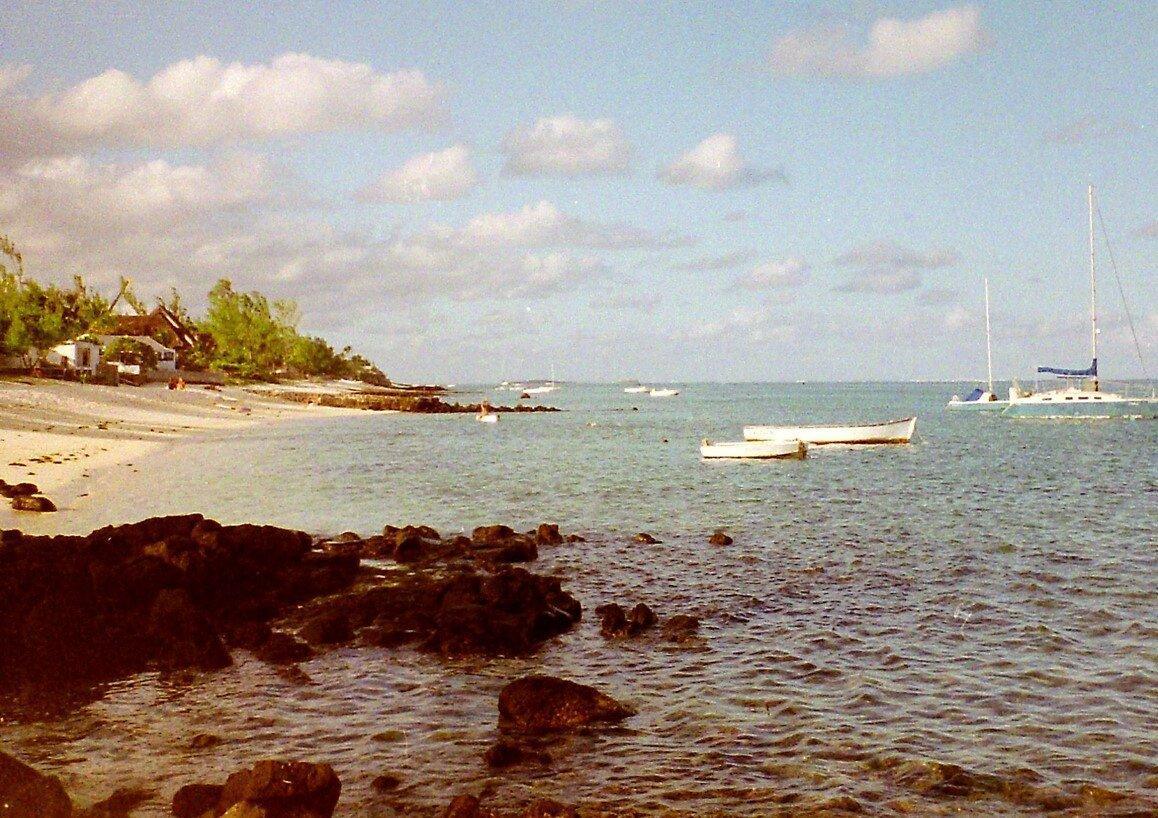
2–3 nights West: lagoon, snorkeling, early morning beach, then village/museum in the afternoon if the sun is strong. Families appreciate this “easy” pace.
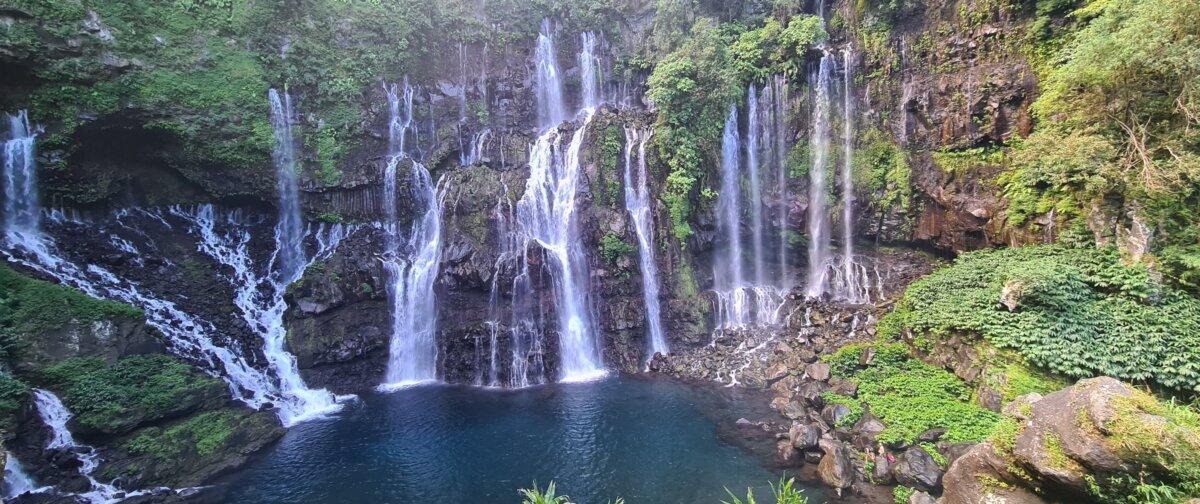
2 nights South: waterfalls, old lava flows, rampart roads, Creole cuisine (curry, rougail). The South often gives a feeling of a “wilder” island.
1–2 nights highlands: depending on your desire, an entry to a cirque (Salazie/Cilaos) or a hiking starting point. An early start changes everything: fewer clouds, more space, more pleasant walking.
10 days: “exploration” version without rushing
At 10 days, you can add a longer hiking day, a cultural site (garden, museum, distillery), and a “buffer” day for the weather. This is the most comfortable formula if you want to walk and photograph without turning the car into an office.
Planning tip: make “stars” (sleep in the same place and radiate out) rather than a loop with daily hotel changes. The budget remains similar, mental load drops.
Getting around and sleeping: simple choices that avoid hassles
The car remains the most flexible way to connect areas (beaches, villages, trailheads). A “standard” model is enough for most routes; keep the 4×4 budget for specific needs (certain tracks, photo projects, or targeted routes). If you travel in high season, book early: cars and accommodations go fast in strategic spots.
On journeys, think in time rather than kilometers. Half a day can be “eaten up” by a scenic road if you stop often (and you will stop often). Plan 1 major move max per day, then short activities around it.
Regarding accommodation, three options cover 95% of needs: apartment/hotel on the West (beach logistics), gîte or small place in the highlands (to start early on hikes), and guesthouse in the South/East if you want a calmer atmosphere.
For hikers, Mafate and the cirques require a real strategy: sleeping on site (gîte) allows spreading out the effort and enjoying the morning light. For families, favor short loops and viewpoints; the island offers enough panoramas without “performance”.
The “Pitons, cirques and remparts” UNESCO site includes two major volcanic massifs and several cirques: you don’t visit a “spot”, you cross a structuring relief. Building the itinerary around 2 to 3 areas, rather than a full tour, better respects the terrain… and your time.
Source: Réunion National Park, UNESCO document “Pitons, cirques and remparts” (2010)
Hikes, volcano, swimming: safety and good habits (without paranoia)
Réunion is a nature destination; safety comes from simple habits. On hikes: start early, water, sun protection, windbreaker, and a time margin. In the highlands, visibility changes quickly. On the volcano, access can be forbidden by decree depending on activity: never bet your trip on a single “volcano day”.
If you sleep in the heart of the park (bivouac), strictly respect the rules: set up before night, take down in the morning, no traces. The park specifies conditions and exclusion zones.
For swimming, the best approach is to favor lagoon areas and authorized/supervised sectors. Sea conditions change quickly; follow local signage rather than your intuition.
On the health side, mosquitoes are part of the scenery, especially in the warm season. The ARS reminds that mosquitoes lay eggs in stagnant water and that an egg can become a mosquito in about one week: your most effective action remains to eliminate small pools of water around the accommodation (saucers, buckets, gutters) and to protect yourself at the end of the day.
2026 Budget: concrete benchmarks and truly impactful items
In La Réunion, the budget depends less on “luxury” than on three items: flights, car, accommodation. Meals can remain reasonable if you alternate between restaurants and markets/snacks. To keep control, first lock in car + accommodations, then build the itinerary around them.
| Item | “Smart” budget | “Comfort” budget | What varies |
|---|---|---|---|
| Car | Economy + basic insurance | Higher category + options | Season, duration, young driver |
| Accommodation | Simple apartment / cottage | Hotel + view / pool | Area (West), weekends, holidays |
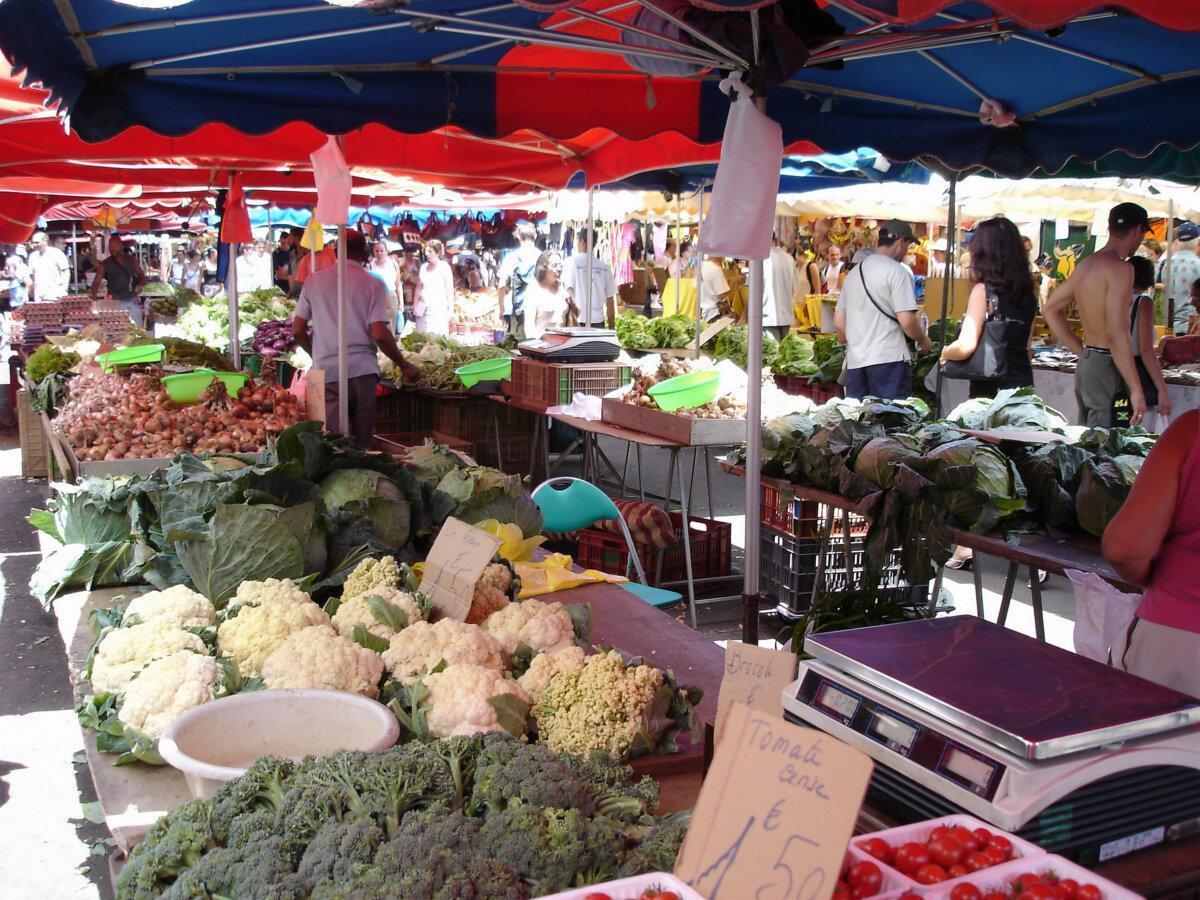
| Meals | Markets + snacks + 1 restaurant | More frequent restaurant visits | Fish, tourist addresses |
| Activities | Hikes + lagoon (free) | Guided outings / excursions | Supervision, transport, season |
To place the island’s scale: as of January 1, 2025, La Réunion is estimated at 896,200 inhabitants. This is felt on certain routes during rush hours; it’s better to shift your departures.
Souvenirs: bring back better than a magnet
The best souvenir is not necessarily the most expensive one: it’s the one that tells the story of the island without taking up half a suitcase. Think of useful products (spices, tea, vanilla), a printed photo, or a decorative object that “replants” La Réunion in your daily life.
If you like walls that tell a journey, the simplest idea is to opt for a poster of the island: it doesn’t risk customs, it doesn’t get crushed, and it extends the feeling of departure every time you pass by.
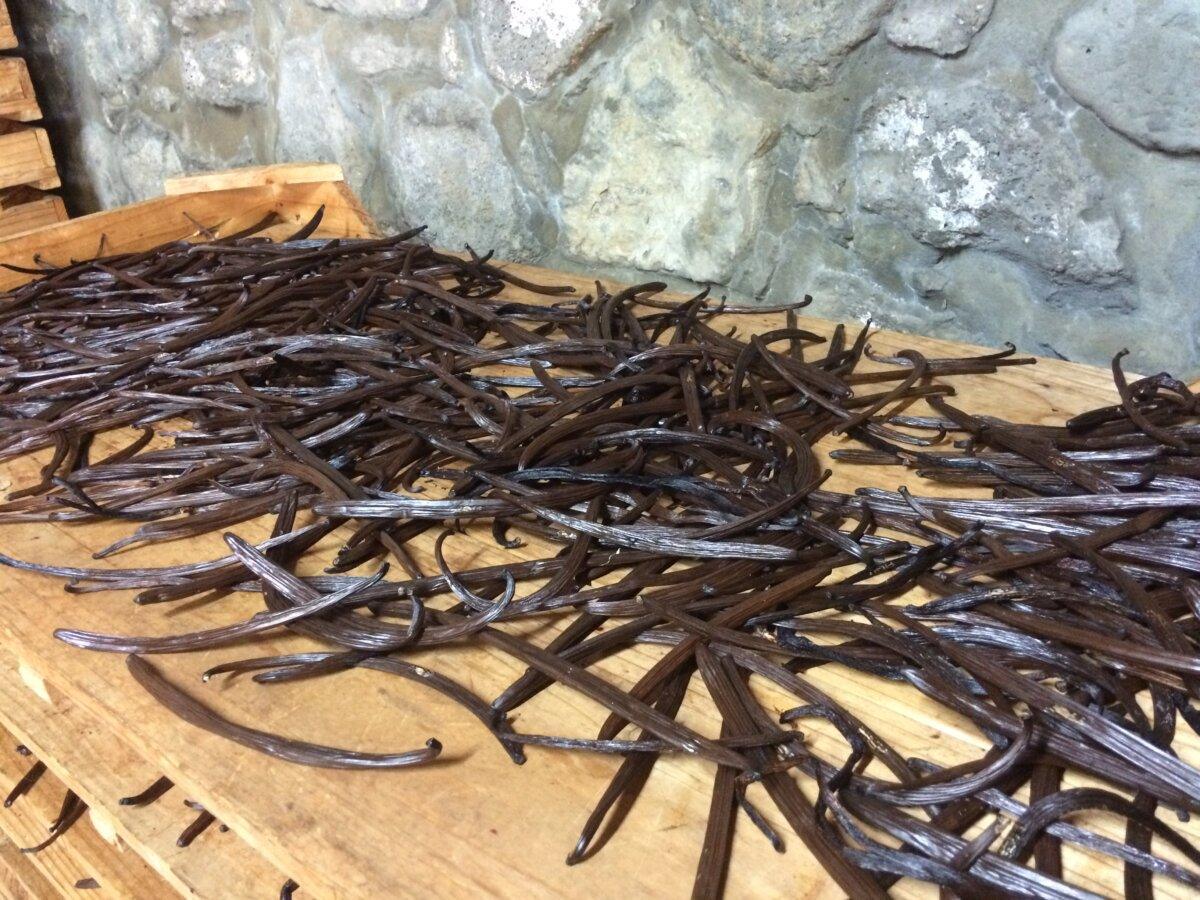
- Vanilla: pods, powder, extract, to be kept dry.
- Spices: massalé, turmeric, chili peppers (depending on tolerance).
- Flavored rum: beware of transport and customs allowances.
- Crafts: small pieces easy to pack, rather than fragile.
- Photos: a chosen print is better than 800 forgotten images.
FAQ – How to succeed in your stay in La Réunion
How many days are needed to “properly” visit La Réunion?
7 days provide a good balance. At 10 days, you gain a weather margin and a real long hike. At 4–5 days, stay in one main area + a getaway to the highlands.
Which side is best for lodging: West, South, East?
The West is convenient (lagoon, sunsets, central base). The South is more “nature” and often quieter. The East attracts with vegetation and waterfalls, with wetter weather: perfect if you like the tropical atmosphere.
Can you do without a car?
Possible if you stay in one area and combine bus + excursions, but you lose freedom. For a first trip, the car remains the smoothest option.
Is the Piton de la Fournaise always accessible?
No. Access can be closed depending on volcanic activity and official orders. Plan a plan B (viewpoints, museums, other hikes) and check official information before leaving.
Which hike to choose if you are a beginner?
Aim for a short loop with a viewpoint, on marked terrain, starting early. The “highlands” offer great panoramas without necessarily doing 6 hours of walking.
What to pack for the highlands?
A windbreaker, a light warm layer, good shoes, a headlamp if starting early, and a light rain protection. Even in the dry season, the altitude surprises.
Rain: what to do when the weather turns?
A market, a visit (museum, distillery), a Creole lunch, or an urban walk. The island is also experienced through its flavors and heritage.
Which food souvenirs travel best in luggage?
Vanilla, dry spices, jams, tea. For the rest, check transport rules and avoid fragile products.
Actionable checklist: 72 hours before departure
Three days before takeoff, lock down what avoids 80% of stress: car reservation (insurance and conditions), addresses for stops (at least the first night), and a weather margin (1 flexible day). Add a simple kit (bandages, mosquito repellent, sunscreen) and two “highlands” outfits even if you come for the beach.
Then, choose your priority: lagoon, hiking or road trip. Build the rest around it, keeping “short” days between two big outings. It is often then that La Réunion becomes the most pleasant: lots of time outdoors, little driving, and the feeling of really living the island.