Colmar is one of the most picturesque towns in Alsace: a well-preserved medieval historic center, half-timbered neighborhoods, “Little Venice” along the Lauch, and top museums such as Unterlinden. This long and sourced guide gathers the essential elements for a publishable and optimized article.
Sommaire
Introduction
Located in the Haut-Rhin department in the Grand Est region, Colmar is a historic town with a rich and varied heritage, known for its half-timbered houses, canals, and museums. It attracts year-round tourism thanks to its medieval neighborhoods, Alsatian gastronomy, and cultural events. The numerical and practical information below is based on official sources (INSEE, tourist office) and recognized resources.
Key figures and territory
According to INSEE files, the municipality of Colmar (INSEE code 68066) presents detailed demographic and socio-economic series in the “complete file” accessible online; the urban area and living area reach higher levels depending on the perimeters (living area, urban area). These macro data (density, evolution 2016-2022) are available on the INSEE pages.
| Indicator | Value / Reference |
|---|---|
| Municipality | Colmar (Haut-Rhin, code 68066). |
| Population (reference) | Consult INSEE — 2022 series (complete file). |
| Living area (2022) | ≈ 143,600 inhabitants (living area, INSEE figure 2022). |
| Surface area | Variable depending on perimeter (see INSEE and territory comparator). |
History — key dates and periods
Colmar has medieval origins and has experienced a history marked by Alsace: development in the Middle Ages as a merchant town, influence of local families, then alternation between French and German administrations in the 19th and 20th centuries. The historical heritage (houses from the 15th–17th centuries, religious buildings) reflects these successive layers; for a historical synthesis, see local resources and encyclopedic articles.
Short timeline
- Late Middle Ages: urban growth around trade and crafts.
- 15th–16th centuries: construction of half-timbered houses and civic buildings (Koïfhus, bourgeois houses).
- 19th century: local industrialization and urban transformations.
- 20th century: integration into the French Republic, role during and after conflicts, development of cultural tourism.
Heritage and must-see sites
Among the places not to be missed:
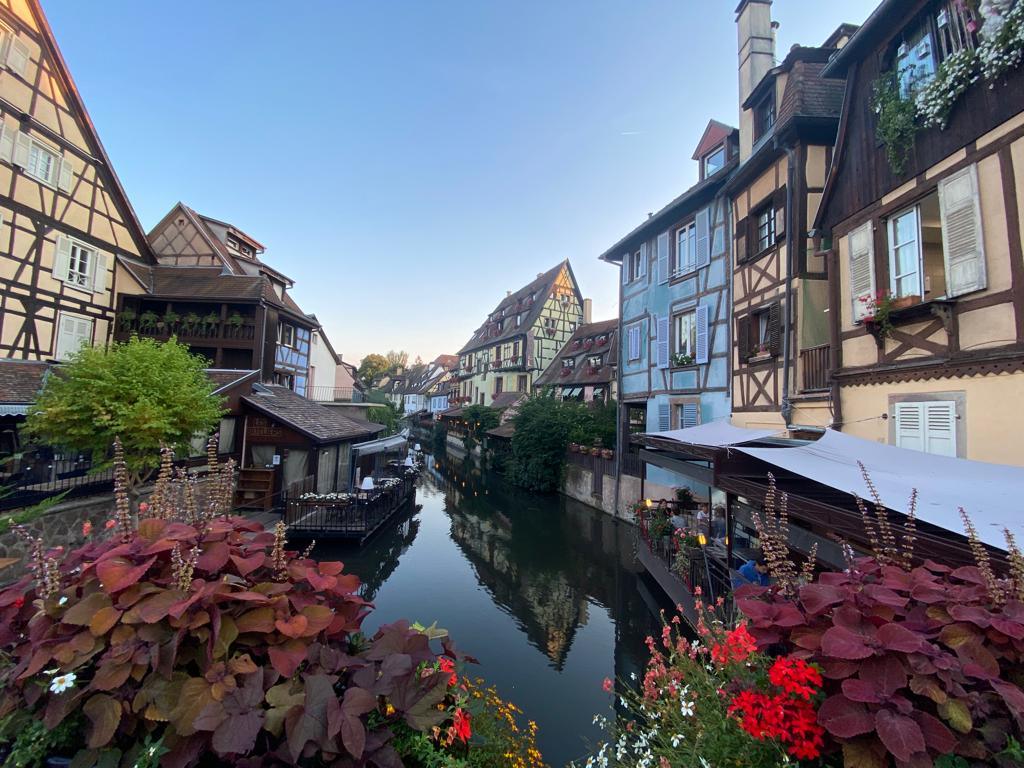
- Little Venice (Lauch district): rows of houses, canals, and bridges — the most photographed site in the town.
- The Koïfhus (Old Customs House) and Grand’Rue: historic merchant heart.
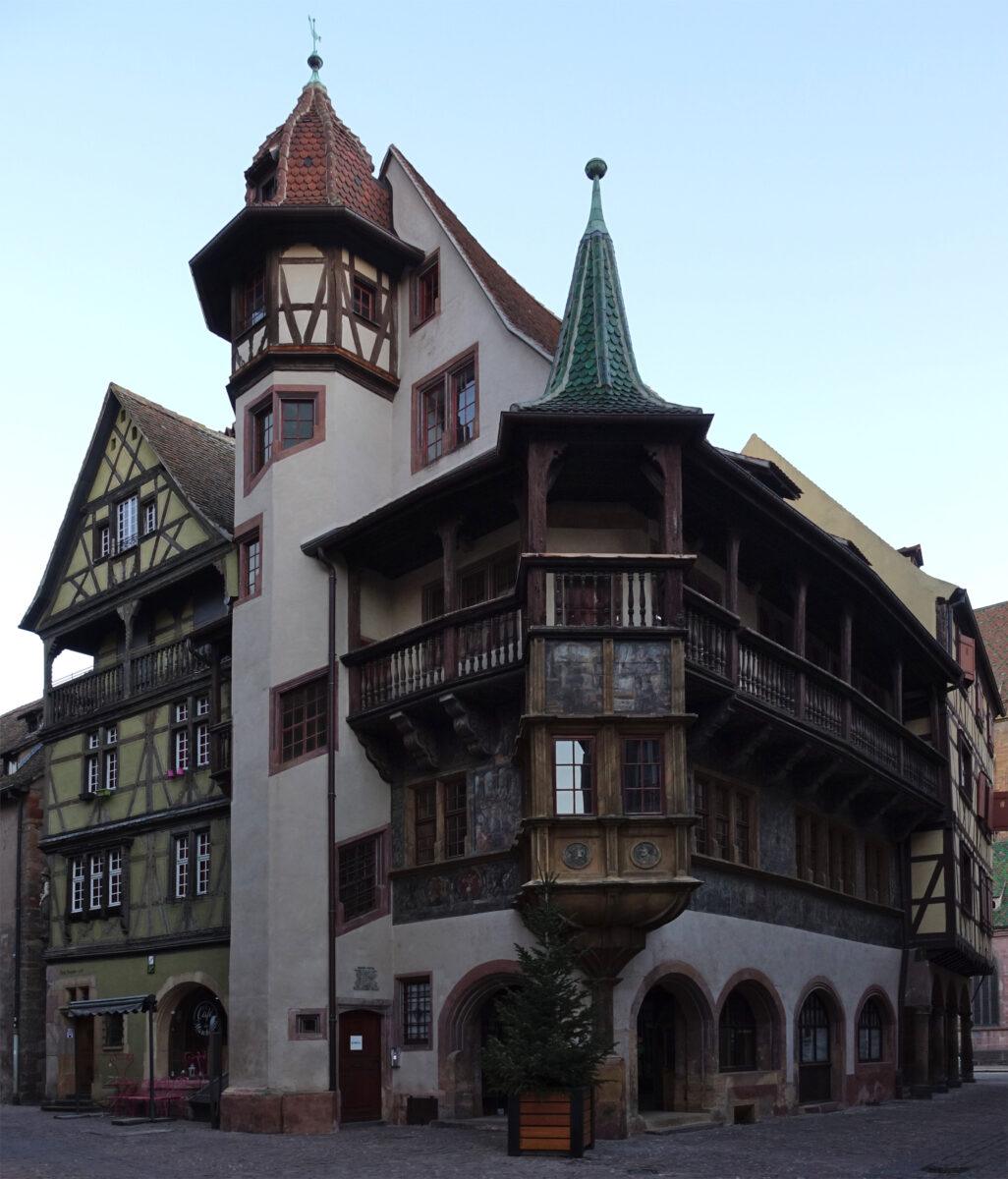
- Pfister House (16th century): emblematic example of half-timbered architecture.
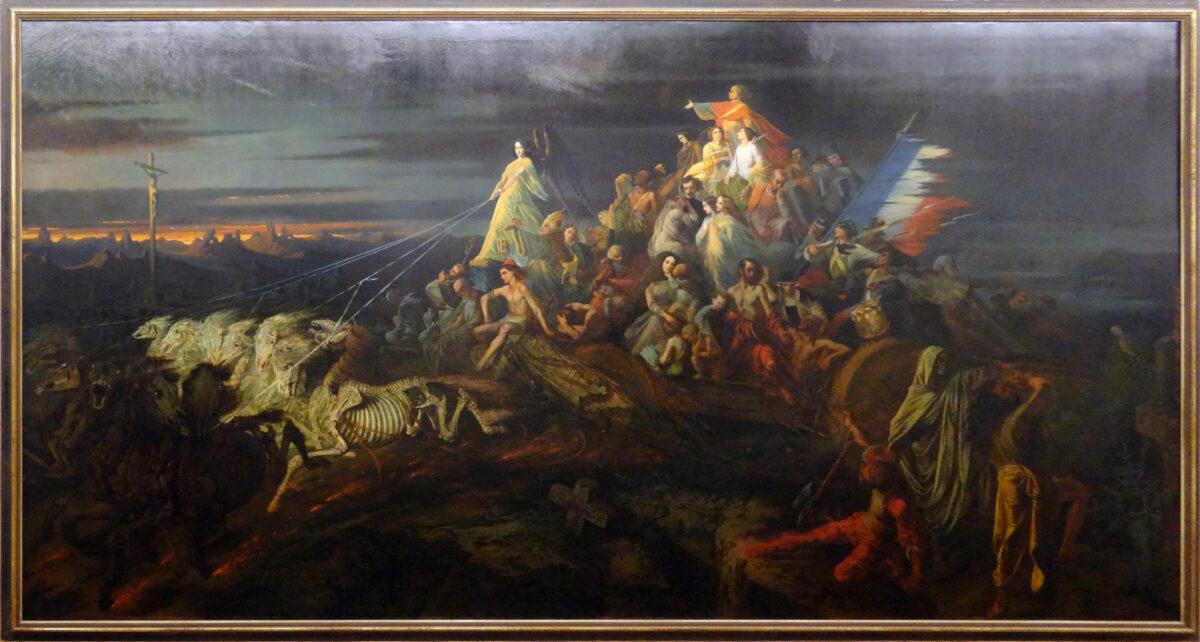
- Unterlinden Museum : major collection (including the Isenheim Altarpiece), central cultural hub for the city.
Museums, collections and cultural life
The Unterlinden Museum is the best-known institution in Colmar: its collection (including the Isenheim Altarpiece) attracts researchers and visitors and greatly contributes to the local cultural influence. The museum and other cultural organizations host temporary exhibitions and events throughout the year.
Tourism — recommended itinerary (2–3 days)
Suggested itinerary to enjoy the essentials:
- Day 1 : visit Little Venice, stroll along the quays, discover the Grand’Rue and the Koïfhus; meal in a traditional winstub.
- Day 2 : Unterlinden Museum and historic center, Pfister House; late afternoon in local craft shops.
- Day 3 (optional) : excursion to the Alsace vineyards (wine route) or visit nearby villages (Eguisheim, Riquewihr).
Practical advice: Colmar is very walkable; in high season, book accommodation and guided tours in advance through the tourist office.
Transport and access
Colmar is accessible by train (TGV and TER connections from Strasbourg, Mulhouse and Paris via transfers), by road and nearby airport (Mulhouse‑Basel EuroAirport). The local network (bus, bike) facilitates travel within the city. For schedules and connections, consult the TER pages and the tourist office.
Economy, vineyards and events
The local economy combines tourism, crafts, services and viticulture: the Alsace vineyards around Colmar (wine route) structure an important part of regional tourism and economic activities. Colmar hosts markets, fairs and festivals that enhance its appeal off-season.
FAQ (frequently asked questions)
1) When to visit Colmar to avoid the crowds?
Spring (April–June) and early autumn (September–October) offer a good weather/crowd balance; winter attracts visitors for the Christmas markets (very busy period).
2) How much time to see the essentials?
2 to 3 days allow you to cover Little Venice, the Unterlinden Museum, the Grand’Rue and some tastings on the wine route.
3) Are there themed guided tours?
Yes: the tourist office offers historical, gourmet, and family guided tours; book according to the season.
4) Is Colmar family-friendly?
Yes: interactive museums, boat rides on the Lauch (in season), and proximity to natural areas for outdoor activities.
5) Where to taste the local cuisine?
In the winstubs and restaurants in the center: flammenkueche, choucroute, baeckeoffe, tarte flambée, and Alsatian desserts. Local markets also offer regional products.
Sources and references
- Complete INSEE file — Commune of Colmar (2022 data).
- Colmar Tourist Office — practical information and brochures.
- Visit Alsace — La Petite Venise (heritage and visit).
- Wikimedia Commons — image pages and metadata (files used).
- Wikipedia — Colmar article (historical summary).