This comprehensive guide brings together history, geography, port economy, architectural heritage (Perret, Niemeyer), museums, transportation, key figures, and practical advice for visiting or settling in Le Havre. The goal: to provide a reliable, sourced, and ready-to-publish resource.
Sommaire
Key figures & quick summary
| Indicator | Value / note |
|---|---|
| Population (municipality) | Consult INSEE for precise figures (urban unit and catchment area). See sources. |
| Container traffic | HAROPA‑Le Havre: about 2.6 M TEU (2023) — traffic varies according to global cycles. |
| Heritage | City center rebuilt by Auguste Perret, listed as a World Heritage Site (UNESCO) since 2005. |
| Official foundation | 1517 (port creation by François I) — continuous port development since then. |
| University and health | Le Havre Normandy University, University Hospital/ regional hospital centers. |
Main sources: INSEE, UNESCO, HAROPA reports, MuMa, local historians.
History — from the royal port to modern reconstruction
Le Havre was founded on October 8, 1517 by King François I to provide the monarchy with a port on the English Channel. Over the centuries, Le Havre developed as a commercial and military port: fishing, transatlantic trade, emigration to the Americas, then industrialization in the 19th century. The city was profoundly transformed by the growth of freight and maritime trade.
World War II marked a break: Le Havre was heavily bombed in 1944, destroying much of the city center. The reconstruction, led by architect Auguste Perret between 1945 and 1964, gave rise to rational urban planning in reinforced concrete, stepped buildings, and wide orthogonal axes. This urban plan was recognized by UNESCO in 2005 for its exceptional quality.
At the end of the 20th and into the 21st century, Le Havre modernized: port extension, urban renewal, heritage enhancement, and cultural investment (MuMa, Volcan, festivals).
Geography & urban planning
Located at the mouth of the Seine, Le Havre offers a vast hinterland connected to the Seine axis towards Paris and inland Europe. The urban layout contrasts the Perret center (rebuilt) with port districts, industrial zones, and more recent residential neighborhoods. The coastline features a wide urban beach and developed sea walls.
Economy and port — HAROPA‑Le Havre
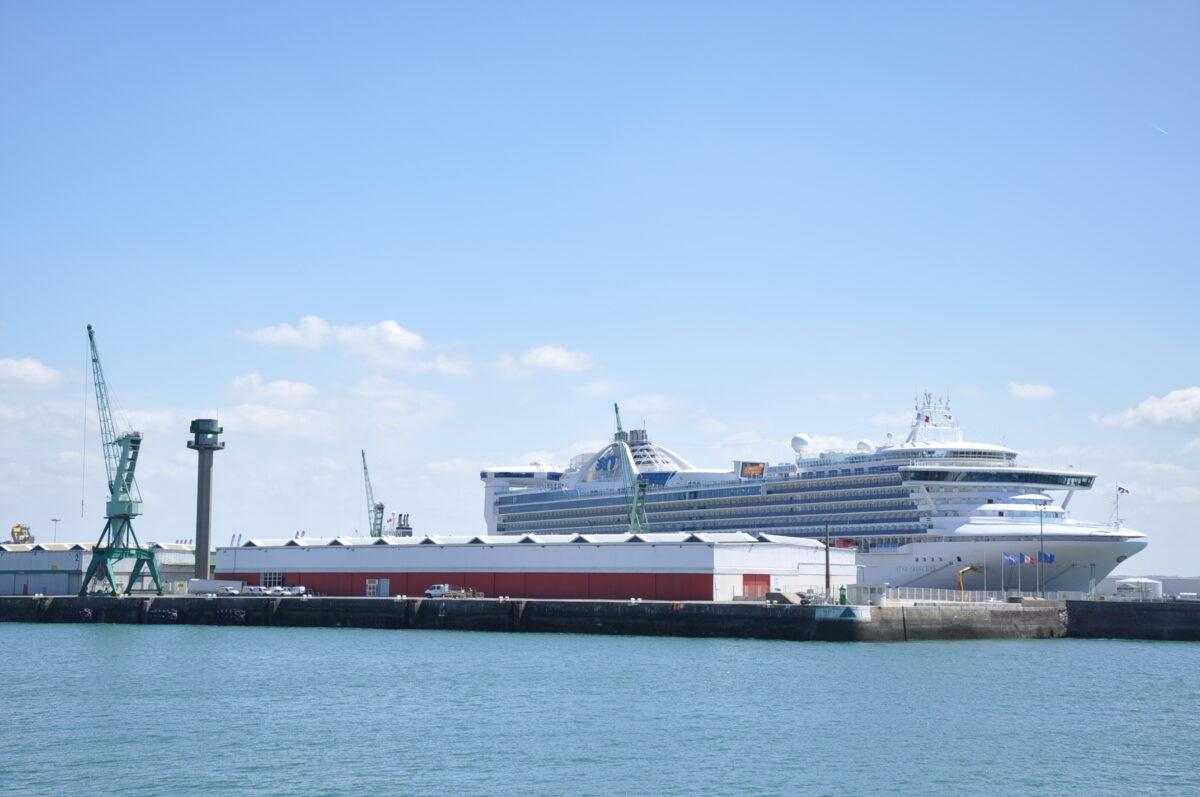
The port of Le Havre is a national economic pillar. Grouped with Rouen and Paris within the consortium HAROPA, it handles millions of containers annually, bulk cargo, hydrocarbons, and roll-on/roll-off traffic. Its proximity to road and rail networks makes it a strategic logistics hub for industrial supply and distribution in Europe.
Le Havre has also developed centers of excellence related to maritime research, port activities, and education (universities, maritime schools). Sustainable development and energy transition are now priority areas for HAROPA and local stakeholders (hydrogen, emission reduction, green logistics).
Culture, museums and architecture
MuMa — André Malraux Museum
The MuMa is renowned for its rich collection of Impressionist works (Monet, Boudin, Turner) and for its location on the waterfront. The museum strongly contributes to the cultural appeal of Le Havre.
Saint Joseph Church
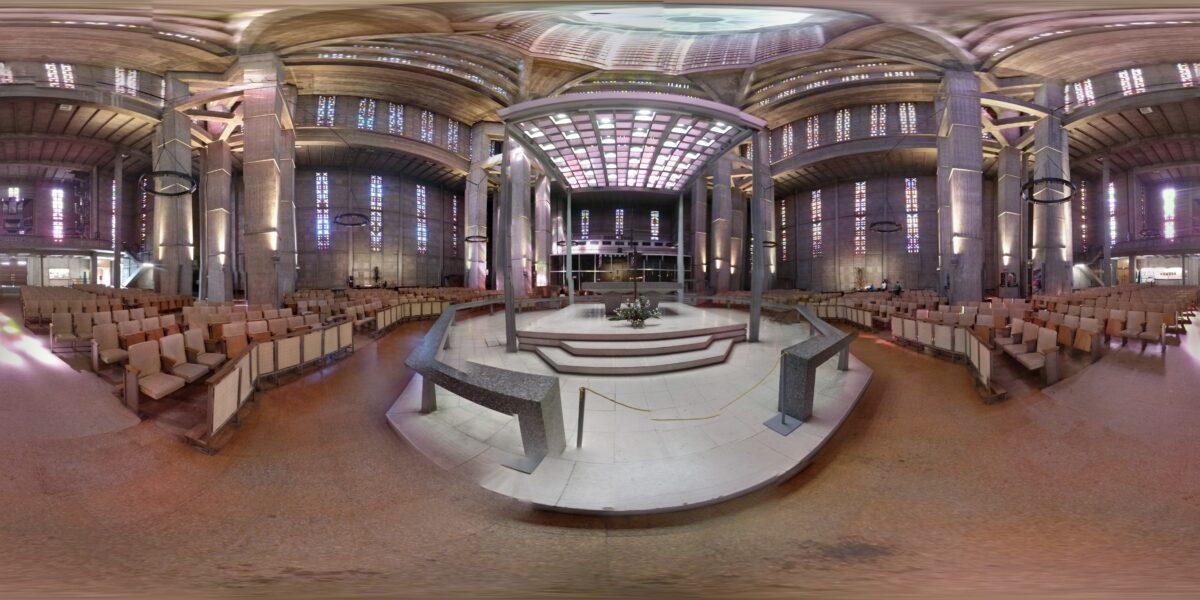
Symbol of the reconstruction, Saint Joseph Church (1951–1957) is distinguished by a monumental concrete lantern tower, visible from afar; it has become an icon of the Le Havre landscape.
The Volcano
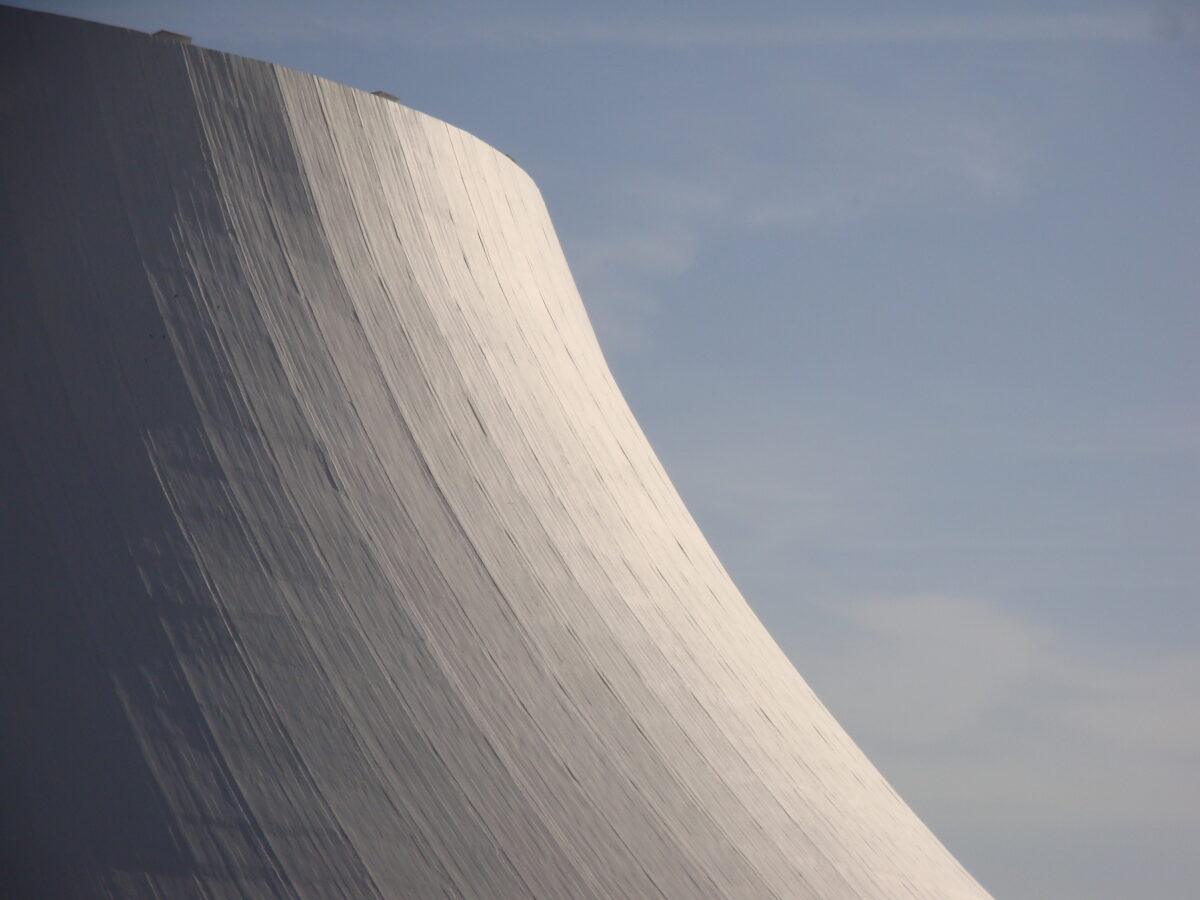
The Volcano, designed by Oscar Niemeyer, juxtaposes organic forms and cultural functions (theater, library), adding an international dimension to Le Havre’s architectural heritage.
Tourism — itineraries and advice
Recommended itinerary for a 24-hour visit:
- Morning: discover the Perret center, visit the town hall and the belvedere for an overview.
- Noon: walk along the waterfront, seafood lunch in the port district.
- Afternoon: visit the MuMa then stroll on the beach or excursion to Etretat and the Alabaster Coast.
- Evening: show at the Volcano or festival depending on the season.
Le Havre is also a gateway to Normandy: excursions to Étretat (cliffs), Honfleur and coastal villages complete the experience.
Transport and accessibility
Le Havre is accessible by:
- Train: Le Havre station (regional connections and TGV via certain transfers). Paris–Le Havre: about 2 hours (depending on train).
- Road: A13/A131 motorways and regional network. Parking and port access are arranged.
- Sea: cruise and ferry terminals for certain lines; seasonal passenger traffic.
- Air: regional airports (Deauville, Caen) and connection to Paris Charles de Gaulle via train/road.
Practical life — housing, studies, health
Le Havre offers a varied range: student housing (near the university), residential neighborhoods, hospital services and higher education institutions. The cost of living is generally lower than in Paris and some cities of similar size, making it an option for young professionals and families.
Annual events & agenda
Among the cultural highlights: music festivals, heritage nights, MuMa programming and shows at the Volcano. The port also hosts regattas and nautical events, as well as professional trade shows related to logistics.
Projects & future — urban planning and transition
Le Havre is investing in the reclamation of the riverbanks, the transformation of industrial wastelands, and the creation of mixed-use neighborhoods. Local policies aim to improve quality of life, strengthen the energy transition, and develop the circular economy around the port.
FAQ — what visitors want to know
1) Is Le Havre worth a visit?
Yes: for its unique architecture, its museums, and its maritime openness. It is also an ideal starting point for the Alabaster Coast.
2) How much time is needed to visit?
A one-day visit allows you to see the essentials; 2–3 days give time to enjoy the museums and nearby excursions.
3) Which neighborhoods are safe to stay in?
The central and residential neighborhoods around Perret, Sainte-Anne, and Montivilliers offer safe options; as in any large city, remain vigilant at night.
4) Can the port be visited?
Guided tours and observation routes exist; for specific access (terminals), authorizations are required.
5) What culinary specialties should be tried?
Seafood, fresh fish, Norman dishes (teurgoule, crepes, andouille); favor waterfront restaurants for freshness.
Sources & references (selection)
- INSEE — local data (recommended consultation before publication).
- UNESCO — “Le Havre, the City Rebuilt by Auguste Perret” (World Heritage sheet).
- HAROPA / port reports — container statistics and logistics activities.
- MuMa — official site and collections.
- Historical studies and local syntheses (municipal archives, specialized publications).