
In Brief
🚀 The AERAS Agreement does not grant an automatic right to a loan, but it requires a re-examination of the file when health complicates insurance. It is a safety net, not a magic wand.
🧾 It mainly concerns mortgage loans, professional credit, and certain tightly regulated consumer credits. The trigger is often the health questionnaire or the request for medical information.
💶 The real issue is sometimes the additional premiums, exclusions of coverage, and the impact on the APR. In other words, you need to read the contract thoroughly, not just look at the green or red light.
How Does the AERAS Agreement Work for a Loan?
The AERAS Agreement does not give an automatic yes, but it requires a re-examination of the insurance file when health complicates the loan. In practice, the file goes through several levels of review, with possible outcomes: approval, additional premium, or targeted exclusions.
The mechanism is simple in concept, less so in details: the bank requests borrower insurance, the insurer issues a health questionnaire, then the file moves into the AERAS process if the risk appears increased. The Service-Public.fr fact sheet on mortgage loan insurance reminds that the system intervenes precisely at this point.
The most important thing to remember is that AERAS does not erase the medical risk. It rather organizes a finer reading of the file, with a progressive review and, sometimes, contract adjustments. In other words, this is not a special privilege, but a method to prevent a first refusal from closing everything.
- Level 1: the insurer studies the file under the standard framework.
- Level 2: if the risk is deemed more sensitive, a second specialized review takes place.
- Level 3: the file can be re-examined more thoroughly, with adapted pricing criteria.
The official site AERAS-infos on the framework of the agreement details this logic of re-examination. This is where subtlety matters: an initial refusal is not necessarily a final refusal.
Which loans are covered by the AERAS Agreement?
The AERAS Agreement primarily targets real estate loans and professional credits, then certain low-amount consumer credits. The good practice is to check if the insurer requires a health section: without that, the agreement does not apply, even if the loan file remains delicate.
The official page AERAS-infos on the loans concerned is the best guide to avoid misunderstandings. In practice, this is often where borrowers make mistakes: they think that all credits fall under the same framework, whereas the thresholds vary depending on the type of financing.
| Type of loan | When AERAS can apply | Key point to remember |
|---|---|---|
| Real estate loan | If the insurer requests a questionnaire or medical information | Ceiling often set around €420,000, with loan end before 71 years old |
| Professional credit | According to the same risk reassessment logic | The file is studied as a financing project, not as a simple insurance contract |
| Consumer credit | Only under strict conditions | Maximum 50 years old, 4 years maximum duration and about €17,000 cumulative |
How to prepare your AERAS file without wasting time?
The most effective way is to prepare the medical documents in advance, to answer the requested questionnaire exactly, and not to wait until the last moment. In a clean file, exchanges are faster and the risks of blockage due to simple lack of information are significantly reduced.
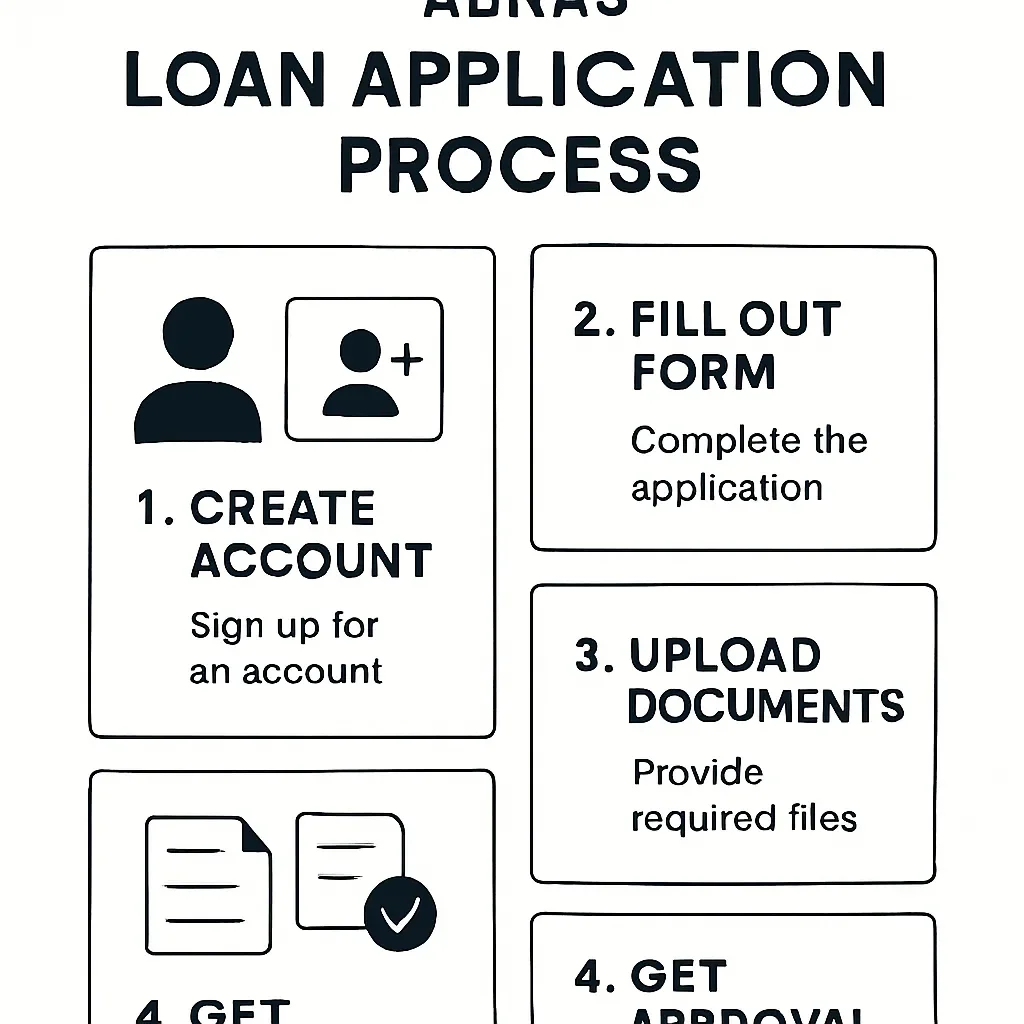
The official AERAS-infos site also dedicates a section to the process and main questions of borrowers, which helps understand what the insurer concretely expects. In practice, it is better to provide readable, recent, and coherent elements rather than a pile of documents thrown together.
- Health questionnaire carefully filled out, without approximation.
- Recent medical reports, if requested by the insurer.
- Current treatments, dosage and duration when relevant.
- Loan documents: amount, duration, share, expected due date.
In practice, it is observed that a complete file avoids the most tedious back-and-forths. An agent notes that borrowers who anticipate the medical request often save several weeks, especially when the real estate loan involves a tight signing schedule.
How much does a loan with aggravated health risk cost?
The cost is not always immediately visible, and this is where many get caught off guard. With the AERAS Agreement, the bill mainly depends on the additional premium, exclusions of coverage, and the effect on the APR. A small monthly increase can sometimes add up to a large total over time.
For example, €20 more per month over 20 years already represents an extra cost of €4,800. It’s not spectacular line by line, but on a mortgage, the sums add up quickly. Cherry on top, an exclusion of coverage can reduce the premium while leaving a gap in protection.
In other words, two offers may seem close on paper but tell a different story over twenty years. A cheaper insurance can also cover fewer risks, which becomes problematic in case of a claim related to the declared condition. That’s why you need to read the coverage notice before signing.
- Additional premium: the premium rises to compensate for the risk.
- Exclusion: a condition or coverage item is not covered.
- APR: the overall cost of the loan changes, sometimes significantly.
- Share: its distribution between co-borrowers can change the bill.
The real issue is not just obtaining insurance, but maintaining affordable financing. An agreement that is too expensive can become a false good news.
According to feedback from practitioners and guides from France Assureurs, it is often useful to compare several insurance quotes, including through insurance delegation. Joking aside, the first offer is almost never the most comfortable for the wallet.
AERAS, right to be forgotten, and reference grid: what’s the difference?
These three mechanisms complement each other, but they do not serve the same purpose. AERAS is used for re-examining the file, the right to be forgotten avoids declaring certain past conditions after a delay, and the reference grid sets standard conditions for listed diseases. The logic is therefore not the same, even if everything intersects in a loan file.
The subtlety is that the right mechanism is not always the same depending on the end date of treatment, the nature of the condition, and the type of loan. The Lemoine law also changes the game for some mortgages: no health questionnaire up to €200,000 per insured, with repayment before age 60. In this case, AERAS may simply never be triggered.
- AERAS = risk re-examination to facilitate access to insurance.
- Right to be forgotten = certain past conditions no longer need to be declared.
- Reference grid = standardized conditions for defined diseases.
- Lemoine law = removal of the questionnaire for certain mortgages.
For detailed cases, the official logic is described on the AERAS-infos website and in the Service-Public.fr fact sheet. It’s practical because it helps avoid confusing a lack of declaration with true medical acceptance.
What to do if the AERAS Agreement is not enough?
If AERAS does not lead to acceptable insurance, you need to broaden plan B: real guarantees, co-borrower, larger down payment, shorter duration, or alternative insurance. The idea is not to force the process, but to make the project financeable in another way.
Even when the re-examination is not enough, the file is not necessarily dead. You then have to work on the financing structure: reduce the principal, increase the down payment, shorten the duration, or request an insurance delegation with a better tailored contract. A healthy co-borrower can also reassure the bank, especially if the quotity is distributed intelligently.
Another very concrete option: guarantees. A guarantee of the Crédit Logement type or a mortgage can sometimes unlock the operation when the insurance looks bleak. It is not a magic solution, but it is often where negotiation becomes possible again.
In case of disagreement on the handling of the file, start by asking for written explanations, then contact the complaints department before thinking about the mediator. On this point, the AERAS loan Agreement remains a serious safety net, but not a right to automatic approval.
FAQ — AERAS Agreement and loan
Can an AERAS surcharge be negotiated?
Yes, often at least partially. Negotiation involves comparing offers, insurance delegation, a shorter loan term, or a higher down payment. When the risk is better contained, the insurer can review its pricing downwards.
Should you send your complete medical file to the bank?
No, not in bulk and not reflexively. You answer the requested questionnaire, then send the required documents through the designated channel, often to the insurer or the medical advisor according to the procedure. The goal is to remain precise without unnecessarily overexposing sensitive data.
Does a healthy co-borrower really change the game?
Yes, because the bank looks at the household’s overall risk. A better distributed quotity can limit the impact of the most fragile profile, even if the other person does not eliminate the need for insurance. It is a lever, not a miracle solution.
Does the AERAS Agreement cover small consumer loans?
Yes, but only under strict conditions: maximum 50 years old, 4 years maximum duration, and a total amount of about €17,000. As soon as you go beyond this framework, the file falls under other insurance and credit rules.
Can you reapply if your health improves?
Yes, and it is sometimes even the best strategy. A new file can benefit from a better medical context, another contract, or an applicable right to be forgotten. When the situation evolves, it is better to request a new study than to stick with an old refusal.