Nice, a major metropolis of the French Riviera, combines an iconic coastline, a lively historic center, and a dense cultural offering. This article provides a comprehensive and sourced overview for publication: numerical data, key dates, must-see sites, itineraries, and contemporary issues.
Sommaire
Introduction
Located between sea and mountains, Nice is the flagship city of the French Riviera. As the administrative and economic center of the Alpes-Maritimes department, it attracts tourists, retirees, and professionals. Its urban landscape mixes ancient heritage, medieval then Belle Époque architectures, and contemporary developments focused on tourism and quality of life. This text aims to provide a complete and directly publishable base, with official sources and royalty-free illustrations.
Geography and climate
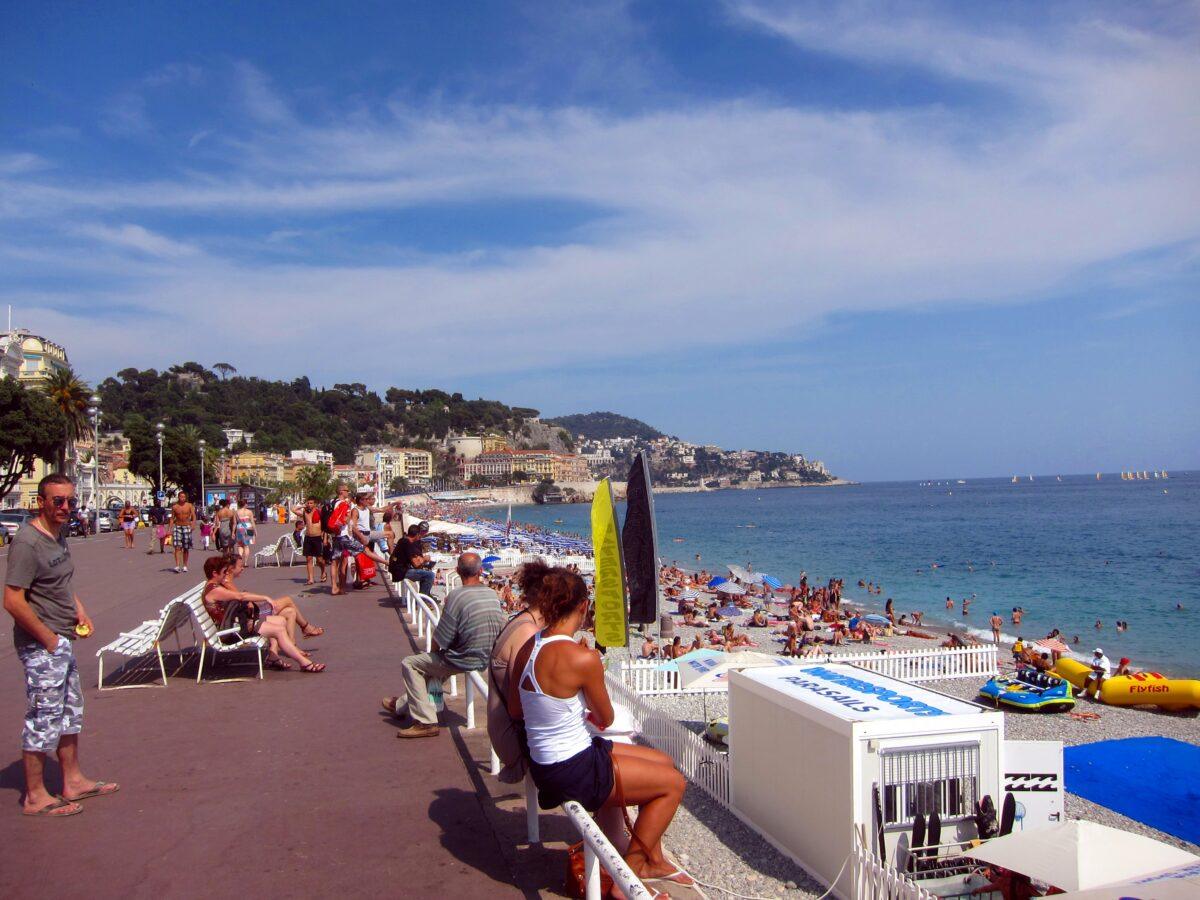
Nice is located at 43.7102° N, 7.2620° E, on the Baie des Anges. The city occupies a narrow coastal strip then extends towards the hinterland where altitudes rise quickly (limestone massifs, valleys). This particular topography creates micro-climatic variations over short distances: temperate seaside, cooler hills.
Climate: Nice enjoys a typical Mediterranean climate — mild winters, hot and dry summers. Precipitation is mainly concentrated in autumn, with occasional Cévenol episodes in the hinterland. These characteristics explain the appeal for winter stays since the 19th century and a high tourist attendance throughout the year.
History — milestones and developments
Antiquity and origin: The name Nice comes from the Greek Nikaïa. The site played a role as a commercial outpost in the western Mediterranean; ancient sources and archaeological remains attest to continuous occupations since Antiquity.
Middle Ages: Nice developed around its fortified hill (current Castle Hill). The city had close ties with regional counties, then with the House of Savoy, which would leave a lasting mark on its political and economic organization.
19th century: The opening to tourism began in the 19th century: the settlement of British winter visitors promoted the development of the coastline (Promenade des Anglais) and the construction of hotels and villas. By the Treaty of Turin and the plebiscite of 1860, Nice was definitively attached to France, accelerating its administrative integration and urban development.
Belle Époque and modernity: The Hôtel Negresco (opened in 1913) embodies the peak of luxury hospitality; the first half of the 20th century consolidated the destination. After 1945, Nice modernized (airport, infrastructure) and gradually transformed into a major tourist and business hub.
Demography — recent figures and trends
According to INSEE (2022), the municipal population of Nice stands at 353,701 inhabitants. The urban area exceeds half a million inhabitants, positioning Nice as a major regional metropolis. The age structure shows a significant proportion of seniors (wintering city) but also an active youth facing housing and employment challenges.
Developments: Nice has experienced demographic variations over the decades — stagnation, relative decline, then recent recovery linked to residential attractiveness and economic dynamism. Social restructuring and cultural diversity are striking features of the urban landscape.
Urban planning, architecture and heritage
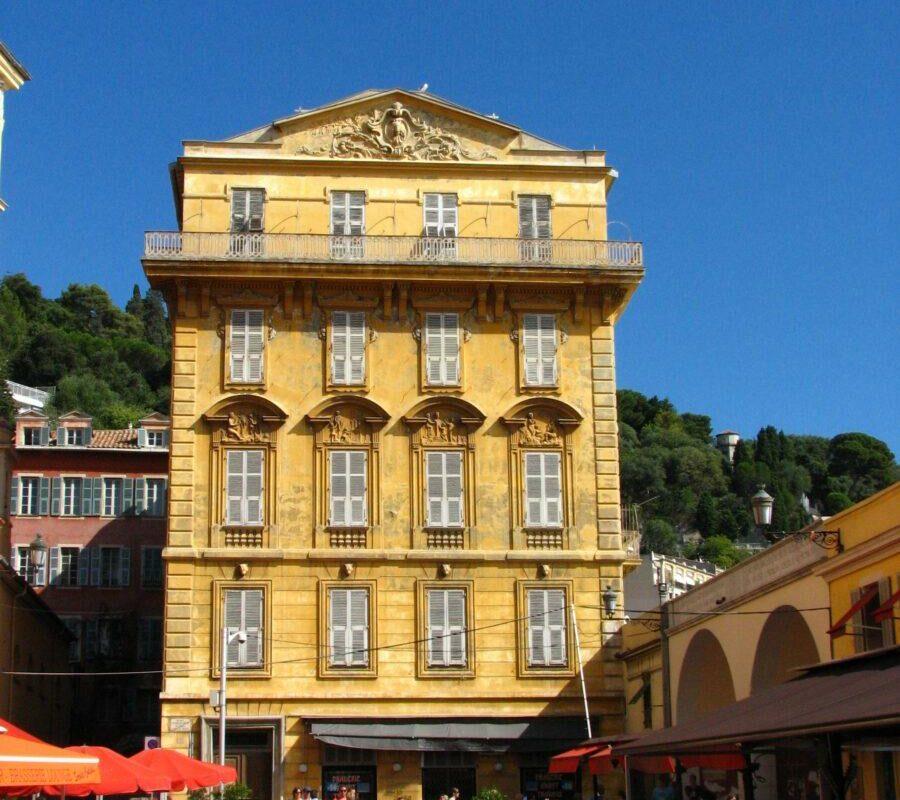
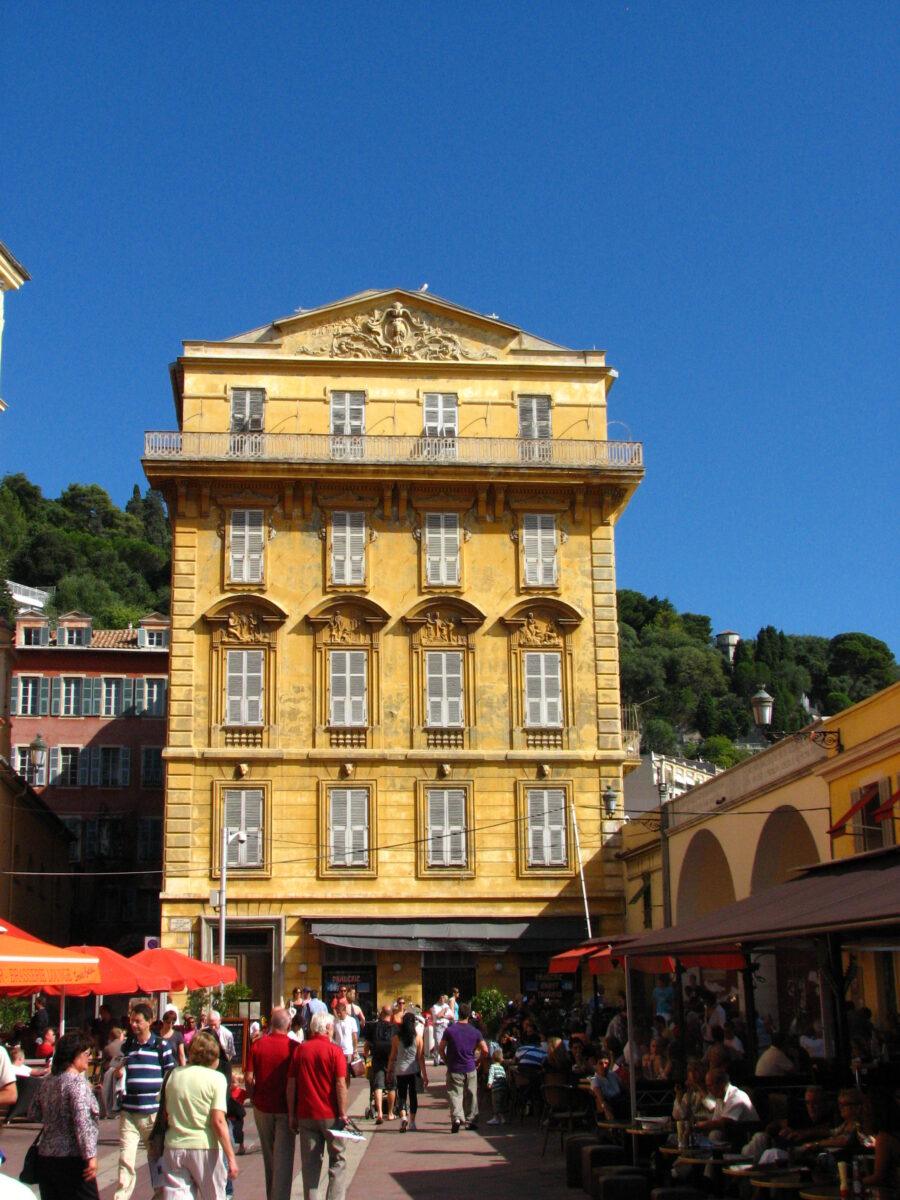
The urban plan of Nice combines the dense fabric of Old Nice, the Belle Époque grid, and contemporary interventions. The main structural axes are the Promenade des Anglais, Place Masséna, and the shopping streets of the center. Famous heritage routes: the Castle Hill (viewpoint), Sainte-Réparate Cathedral, Cours Saleya, the Cimiez district with its Roman remains and museums.

Economy and employment
Nice’s economic model largely relies on the tertiary sector: tourism, hospitality, restaurants, commerce, health, and higher education. Nice Côte d’Azur International Airport is a strategic gateway to the hinterland and Europe. Nice also hosts congresses and international events, supporting an important events sector.
Economic issues: seasonality, high real estate costs, and the need to diversify the economy (health, technology, research) are priorities for public and private stakeholders.
Tourism — itineraries and practical suggestions
Nice is suitable for both short and extended stays: beaches, museums, gastronomy, excursions. Here is an optimized 3-day itinerary:
- Day 1: Promenade des Anglais at sunrise, visit Old Nice & Cours Saleya market, explore the alleys and typical dinner (socca, pan bagnat).
- Day 2: Museums (Matisse, Chagall), stroll in Cimiez, afternoon relaxation and sunset from Castle Hill.
- Day 3: Excursion to Èze or Monaco, or hiking in the hinterland (Gorges du Loup) to discover the variety of landscapes.
Practical advice: favor April-June and September-October to avoid the heavy summer crowds; book museums and popular restaurants in high season.
Culture, events and gastronomy
Nice offers a rich cultural program: music festivals, exhibitions, theater, and local events. Niçoise gastronomy, heir to Provençal and Italian influences, highlights socca, pan bagnat, pissaladière, and products from local markets (Cours Saleya).
Mobility, safety and services
Nice has a comprehensive transport network: tramway, buses, TGV station, airport. Municipal policies develop soft mobility (bike-sharing, bike lanes) and pedestrianization. For visitors, it is recommended to remain vigilant in very busy areas and to inquire about parking and transport conditions during high season.
Contemporary challenges
Among Nice’s challenges: managing mass tourism, land and real estate pressure, access to housing for young workers, heritage preservation, and adapting to climate hazards (heavy rains, coastal risks). Local strategies aim to reconcile economic attractiveness and quality of life, integrating ecological transition and targeted social policies.
FAQ
What is the best time to visit Nice?
The months from May to October offer the best conditions for the beach; April–June and September–October remain excellent compromises.
Is Nice accessible by train from Paris?
Yes: direct TGV Paris–Nice (duration varies depending on the service) and regular connections from other French cities.
What should you absolutely try?
Socca, pan bagnat, pissaladière, petits farcis, and fresh products from the Cours Saleya market.
Sources and references
- INSEE — Reference populations 2022, Commune of Nice (COM‑06088): https://www.insee.fr/fr/statistiques/8288323?geo=COM-06088
- Wikipedia — Nice: https://fr.wikipedia.org/wiki/Nice
- Nice Côte d’Azur Tourist Office: https://www.nicetourisme.com
- Wikimedia Commons — image files used (author and license pages on Wikimedia)
- Invest in Côte d’Azur — attractiveness analyses and regional economic data