Workshop city, maritime city: Le Port (postal code 97420) concentrates the logistical soul of La Réunion. Born from the meeting between rail and sea at the end of the 19th century, the municipality houses the Grand Port Maritime de La Réunion (Pointe des Galets) and a surprisingly abundant associative and cultural fabric. Here is a practical and lively guide, designed as a “city notebook” to understand Le Port today and prepare your visits. ⚓🌋
In brief: industrial & maritime city, logistical capital of the island.
Population: 33,670 inhabitants (INSEE 2022), demonym: Portois/Portoises.
Assets: regional port, street art, music scenes (Kabardock), Creole markets, ideal base for the West.
Sommaire
Geography and location 🗺️
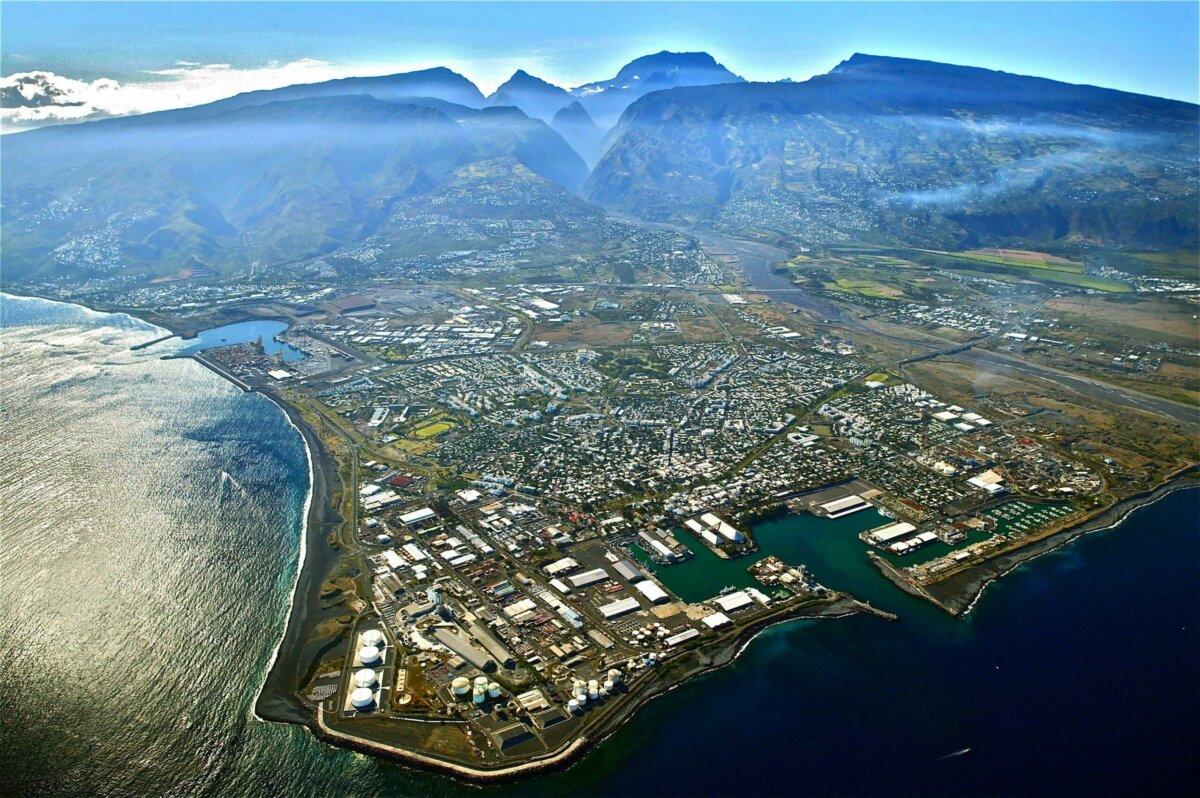
Le Port is a coastal municipality in the West of La Réunion, landlocked between La Possession (to the east) and Saint-Paul (to the south), along a basaltic coastline open to the Mozambique Channel. Its territory is compact (16.6 km²) and almost entirely urbanized in the coastal plain, with an altitude close to sea level and slight undulations (pebble beaches and developed coasts). The city is located about 18 km from Saint-Denis and 71 km from Saint-Pierre via the RN1.
🔎 Key references: INSEE 97407 · Area 16.6 km² · Postal code 97420 · Nearest aerodrome: Roland-Garros in Sainte-Marie (approx. 25–30 min depending on traffic).
History and heritage ⛵
Before becoming a municipality (1895), the Pointe des Galets area was only an arid savannah, swept by trade winds. Maritime modernization (transition from sail to steam) and the Railway of La Réunion imposed a new port anchorage: the dug basins, quays, warehouses and tanks materialize a city built for exchange. Le Port quickly became the island’s only industrial port, the pivot of import-export flows, from bulk to containers. In the 20th century, the city experienced significant social struggles (dockers, shipyards), a militant culture and a cosmopolitanism nourished by migrations from the Indian Ocean.
“Le Port is a frontier city, born to serve the sea,” sums up a Réunion urban planner. One reads there a century of port innovations, worker fraternities and cultural mixing. 💬
Population and demography 👪
Le Port has 33,670 inhabitants (2022) for 16.6 km², i.e. a density of ≈ 2,026 inhabitants/km². The population has slightly declined in the recent period (–0.6%/year between 2016 and 2022), with a positive natural balance but a negative migration balance (departures of young adults for studies/employment). The age structure remains relatively young at the national scale, but is gradually aging, like the whole island.
| Indicator (INSEE) | Value | Year |
|---|---|---|
| Municipal population | 33,670 inhabitants | 2022 |
| Area | 16.6 km² | 2022 |
| Density | ≈ 2,026 inhabitants/km² | 2022 |
| Households | 12,692 | 2022 |
| Annual change (2016–2022) | –0.6 % | 2022 |
Economy and Employment 💼
Le Port is first and foremost the port: containers, bulk goods, hydrocarbons, fishing, ship repair. The Grand Port Maritime de La Réunion (GPMDLR) is the island’s strategic infrastructure, with specialized terminals (containers, roll-on/roll-off), adjacent logistics zones (ZAC, warehouses, cold platforms) and a hinterland that radiates across the entire island via the RN1. Around this backbone are structured:
- Logistics & transport: shipowners, freight forwarders, handling, courier services, fuels.
- Industries & energy: oil depots, workshops, boilermaking, maintenance.
- Social & cultural economy: events (Kabardock), associations, maritime training.
- Commerce & services: markets, catering, administrative services.
The municipality has long pursued urban renewal policies: greening, support for the commercial fabric, training (vocational high schools, CFA), integration through activity, and development of blue sectors (marine economy, energy transition, circular economy).
Further reading: Grand Port Maritime de La Réunion; Wikipedia – Le Port.
Tourism and Culture 🎨
Le Port is not a typical seaside resort: it is an industrial landscape city that charms with its creative wastelands, its street art and its concert halls. A perfect base for exploring the West (Boucan Canot, Saint-Gilles, Mafate via the Rivière des Galets), the municipality offers a genuine urban circuit: covered markets, 1930-60 architecture, gardens, sites of workers’ memory.
Top 5 places to visit
- The port basin panorama: from the quays, gauge the scale of the port and the alignment of the volcanic ramparts in the distance. Tip: morning light for photos. 📸
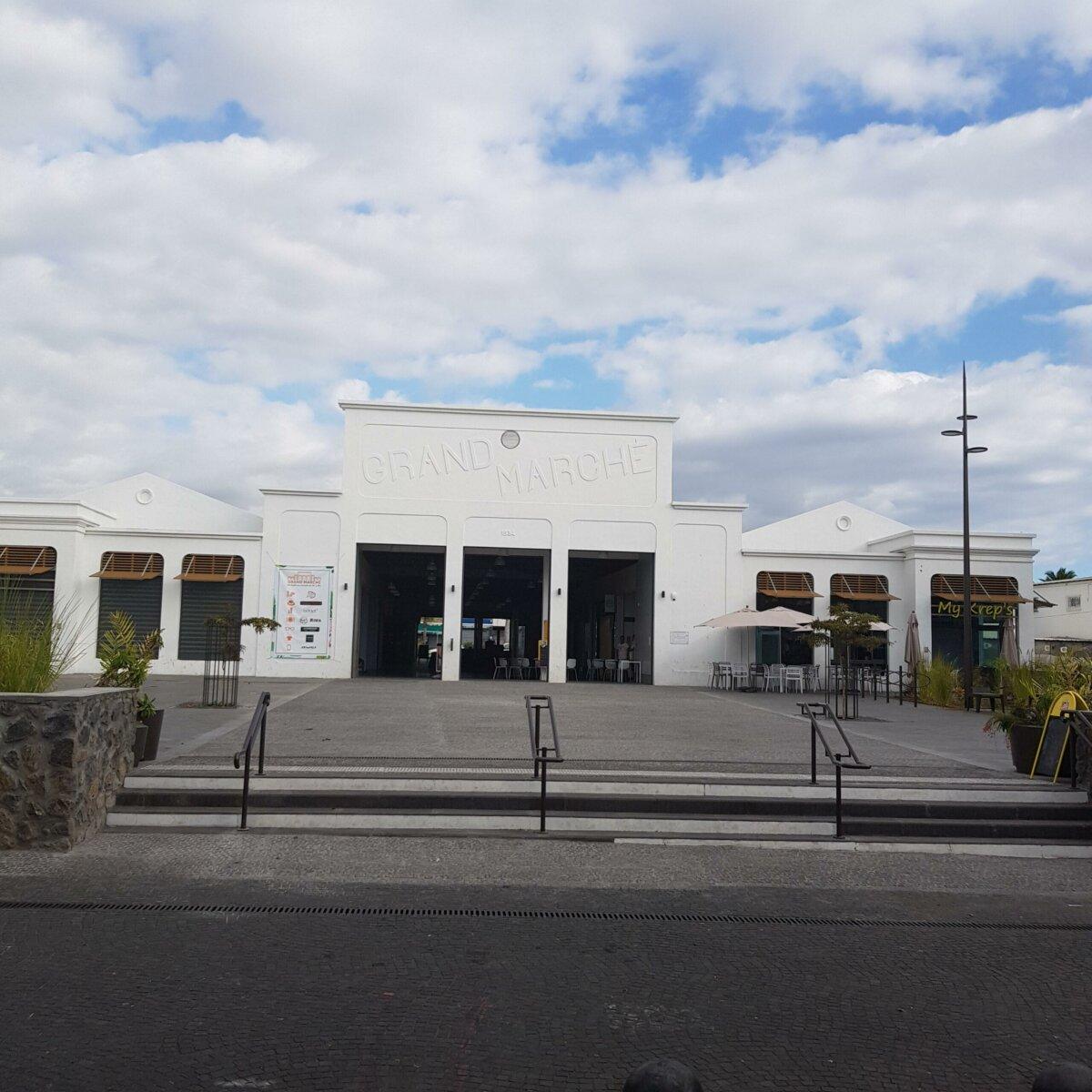
- Grand Covered Market: spices, samosas, crafts and local atmosphere (impasse Clérambault). 🛍️
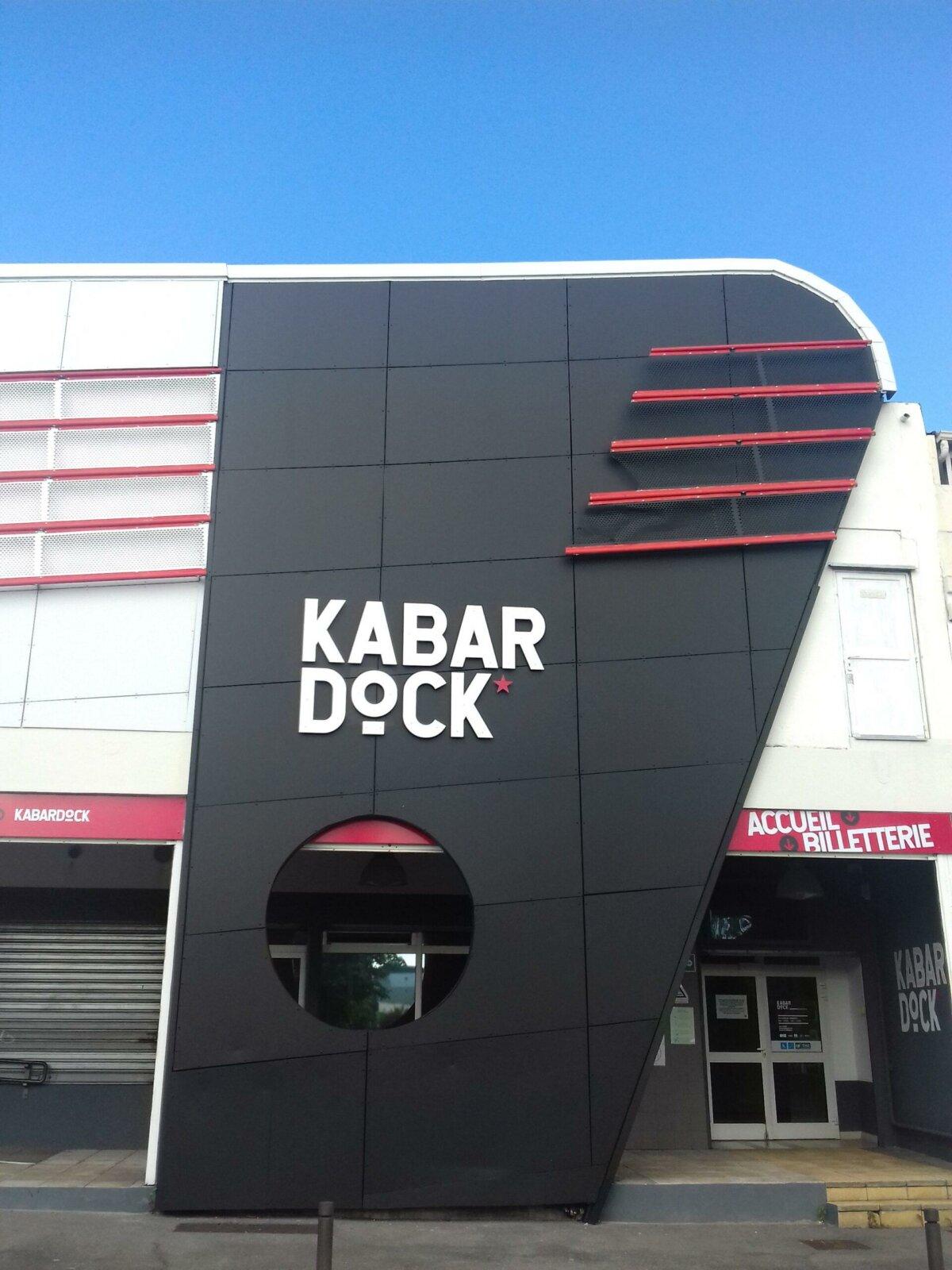
- Kabardock: contemporary music venue, cultural emblem of Le Port, reggae, maloya, rock programming. 🎶
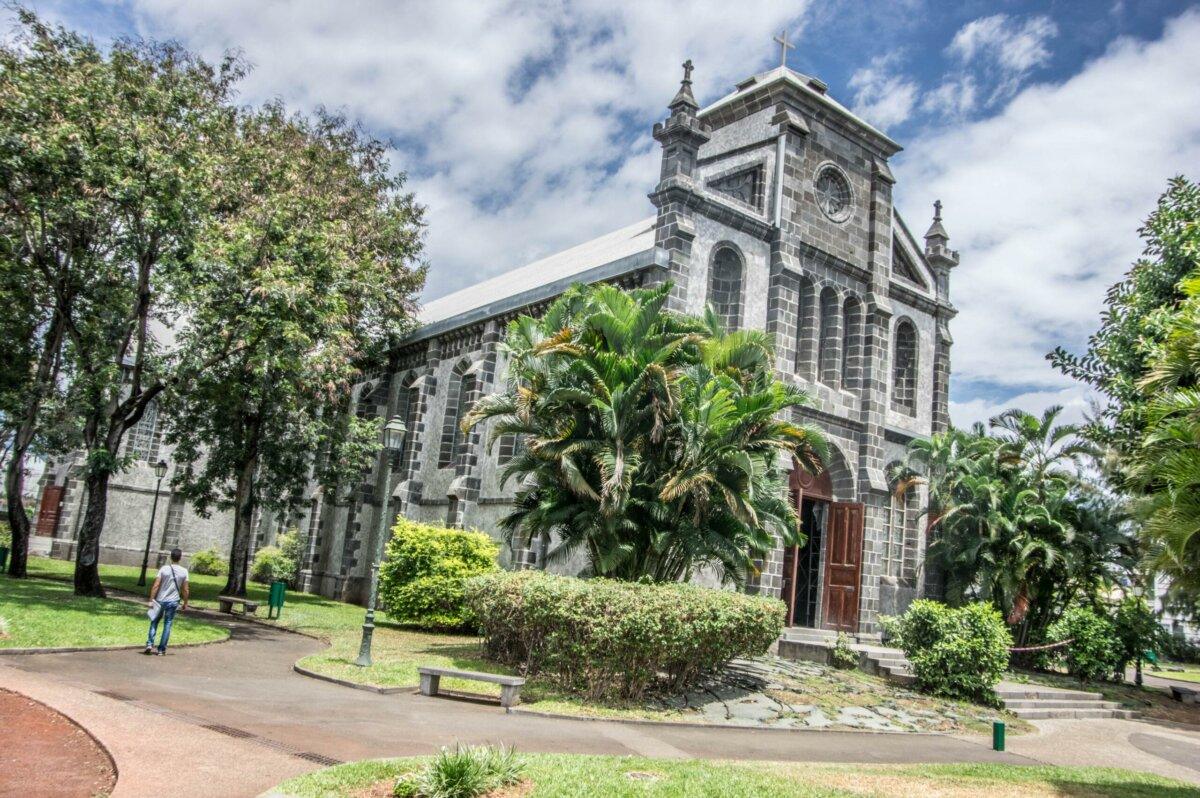
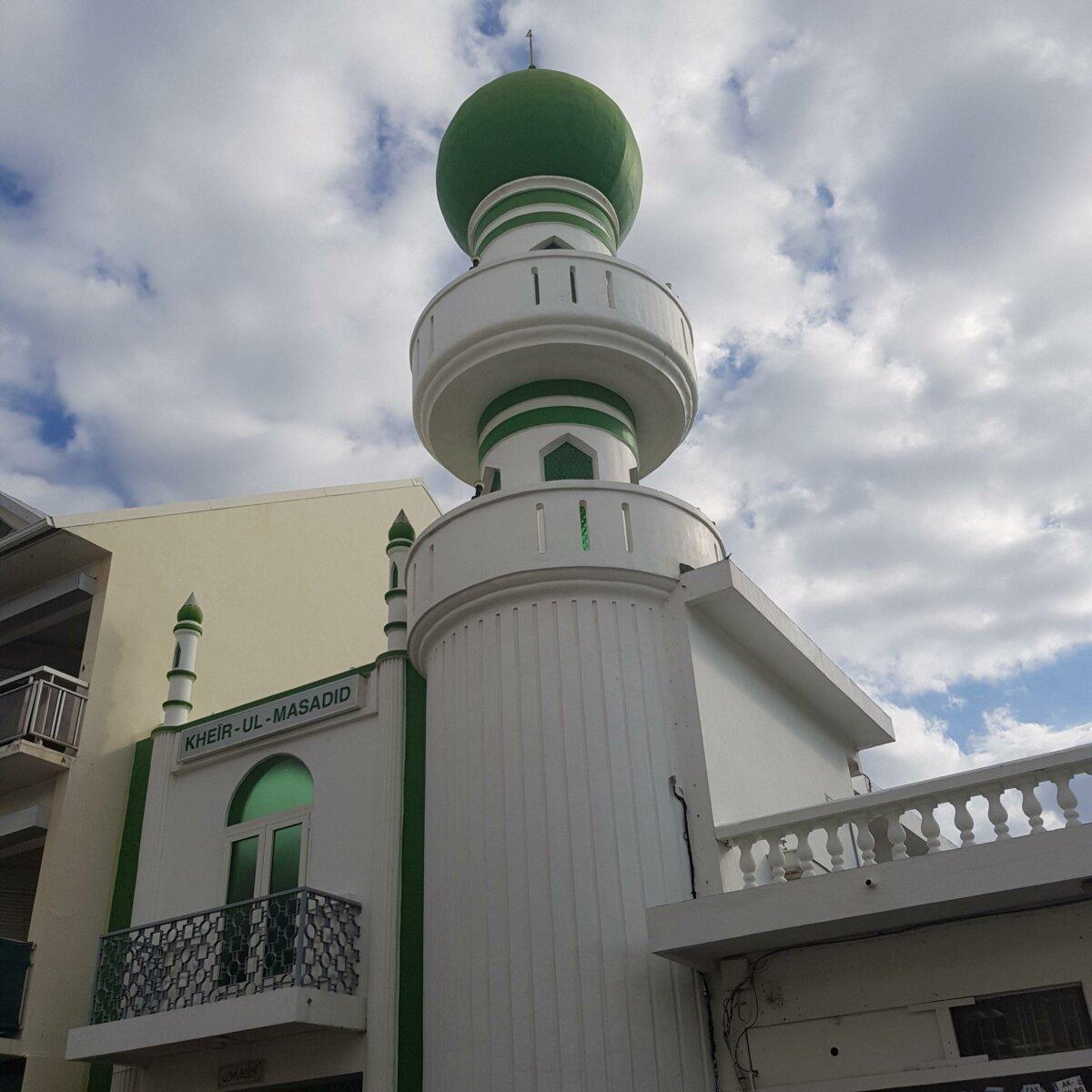
- Sainte-Jeanne-d’Arc Church & Le Port Mosque: two landmarks of the city’s architectural and spiritual eclecticism. ⛪🕌
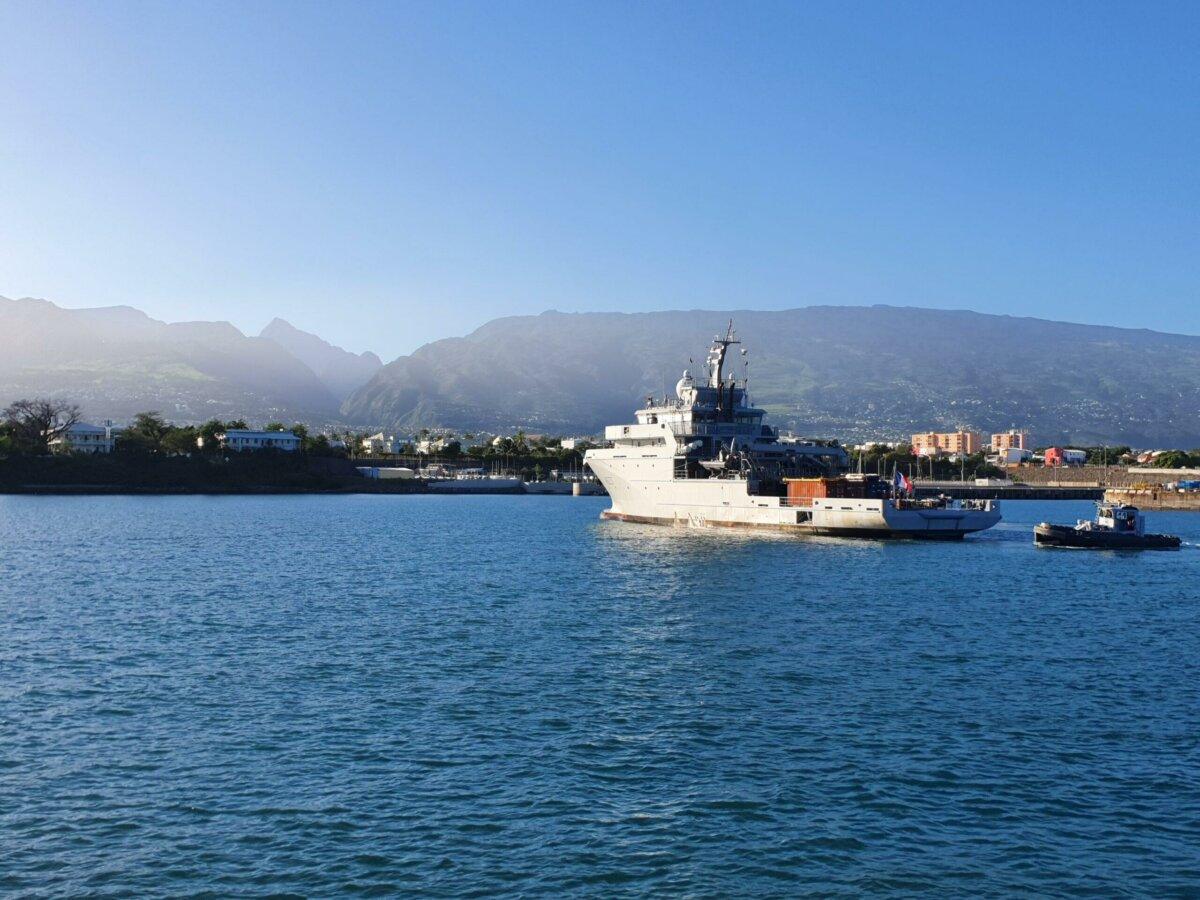
- Pointe des Galets Port: watching a tugboat or a Navy vessel maneuver is always impressive. 🚢
Transport and access 🚍
- Road: RN1 (Route du Littoral / Route des Tamarins) directly serves the commune towards Saint-Denis (north) and Saint-Paul/Saint-Pierre (west-south).
- Intercity buses: Car Jaune network and local lines (connections to the Western hubs).
- Air: Roland-Garros airport (St-Denis) about 25–30 min depending on traffic.
- Maritime: port terminals (GPMDLR), fishing port and leisure boating areas.
Local life: education, sports, events 🎭
Le Port has primary schools and middle schools, a polyvalent high school and vocational tracks related to industrial and maritime trades. On the sports side: stadiums, swimming pools, skatepark and many associations (football, martial arts, sailing). The cultural calendar combines concerts (Kabardock), street art festivals and market events highlighting Réunionese cuisine.
Real estate & urban planning 🏠
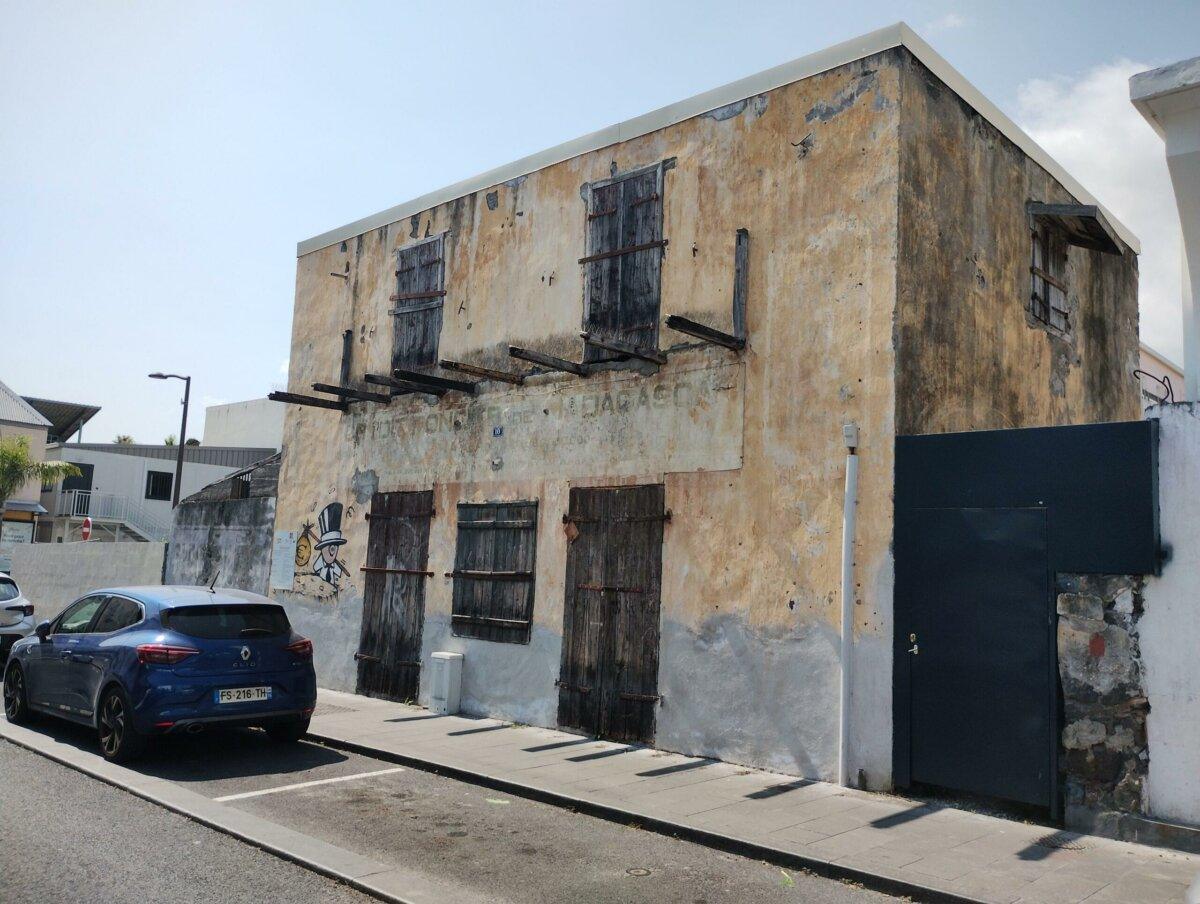
Long urbanized, the commune continues the redevelopment of block cores, the creation of green spaces and the renovation of the old stock (worker houses, small collective buildings). The price per m² generally remains more affordable than Saint-Denis or Saint-Paul: indicative ranges 2025 observed on main portals: ≈ €2,100–2,800/m² for apartments and ≈ €2,300–3,400/m² for houses, depending on neighborhood, condition and proximity to main roads. Neighborhoods close to the center and facilities (covered market, schools) are highly sought after for daily life on foot.
🏗️ Trends: energy renovation of the 60s-80s stock, rise of mixed projects (housing/activities), and enhancement of port edges (landscapes, soft mobility).
Practical information 🔎
- Demonym: Portois/Portoises
- Codes: INSEE 97407 · ZIP 97420
- Town Hall: downtown, online services at ville-port.re
- West Tourist Office: accommodation/activities information at ouest-lareunion.com
Useful links & sources (EEAT) 🔗
- INSEE – Le Port comparator (97407)
- INSEE – complete file Le Port
- INSEE – legal populations 2021 (effective 2024)
- Wikipedia – Le Port
- Grand Port Maritime of La Réunion
- City of Le Port – INSEE figures (communal summary)
Internal links (network)
FAQ – Le Port (La Réunion)
What to visit in Le Port in half a day?
The Grand Covered Market, a walk along the docks (Pointe des Galets), the Sainte-Jeanne-d’Arc church and, if the schedule allows, a concert at the Kabardock.
What is the population of Le Port?
The municipality has 33,670 inhabitants (INSEE 2022), over 16.6 km², which is a density of about 2,026 inhabitants/km².
How to get to Le Port from the airport?
Via the RN1 from Roland-Garros: allow 25–30 minutes by car outside peak hours. Car Jaune lines provide regular connections.
Which neighborhoods are pleasant?
Around the covered market and facilities (schools, parks), as well as redeveloped areas close to soft mobility routes. The appreciation varies depending on needs (proximity to jobs, schools, traffic noise, etc.).
What is the price of real estate?
Indicative ranges for 2025: apartments ≈ €2,100–2,800/m²; houses ≈ €2,300–3,400/m², depending on condition, street, and proximity to services.
Conclusion: a port city on the move 🚀
Le Port embodies the maritime gateway of La Réunion and an urban culture full of energy, mixes, and commitments. Mobility projects (RN1, soft modes), greening, and block redevelopment are shaping a more breathable and attractive city, where industry coexists with music scenes, street art, and markets. For those who love the aesthetics of ports, it is an obvious stopover – and a strategic base to shine in the West of the island. 🌞